Build or Buy on Oʻahu in 2026? A Kailua Case Study at Kihapai ʻOhana CPR Opportunity
One of the most common questions buyers ask on Oʻahu is simple on the surface, but rarely simple in practice:
Should I buy an existing home, or should I buy land and build?
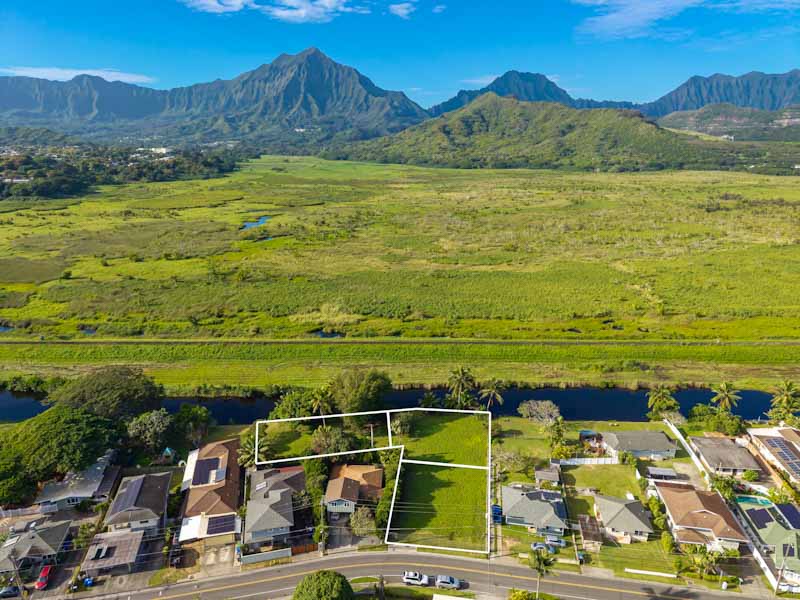
The answer depends on timing, budget, lifestyle, risk tolerance, and location. On Oʻahu, it also depends on something more specific: whether you can actually find a buildable homesite in a neighborhood where you want to live.
That is why the conversation around vacant land feels different in 2026. Buyers are still dealing with higher borrowing costs than they enjoyed a few years ago. Construction costs still require discipline. Permitting and agency timelines still matter. But the resale market remains competitive in the best neighborhoods, and many existing homes come with decades of deferred maintenance, older layouts, and renovation compromises.
In other words, the real question is no longer simply, “Is building cheaper than buying?” A better question is:
Can I create a better long-term home by starting with the right land, the right approvals, and a clear due-diligence path?
That is where Kihapai ʻOhana CPR at 221 Kihapai Street in Kailua becomes an important case study.
The 2026 Oʻahu Market: More Measured, Still Competitive
Through April 2026, Oʻahu’s housing market was not overheated in the same way we saw during the most frenzied post-pandemic-era years, but it was far from sleepy. Single-family home prices eased slightly year-over-year, yet homes still moved in a relatively short time when priced and positioned correctly. Inventory remained limited enough that buyers in desirable neighborhoods continued to face meaningful competition.
For buyers focused on Kailua, that matters. Kailua is not just a place to purchase shelter. It is a lifestyle decision: beaches, town convenience, windward breezes, Koʻolau views, schools, community, and a long-term emotional connection to place. Buyers who want Kailua often want Kailua specifically, not simply “somewhere on Oʻahu.”
That is why buildable opportunities in Kailua deserve a closer look. A resale home may offer speed and certainty, but a homesite can offer something resale rarely provides: the ability to design for how you actually live.
The Case for Buying a Resale Home
A resale home is the most straightforward path for many buyers. You can walk through it, inspect it, compare it to recent sales, finance it in a familiar way, and move in relatively quickly.
The advantages are real:
- You can usually close and occupy the home within a normal purchase timeline.
- You can evaluate the structure, yard, neighborhood, parking, noise, light, airflow, and overall feel before committing.
- You can prioritize location first and then renovate over time.
In a market like Kailua, a resale home may also offer mature landscaping, established neighborhood presence, and the emotional comfort of seeing exactly what you are buying.
But resale homes come with tradeoffs. Many Kailua homes were built for a different era. Buyers often inherit older roofs, aging electrical and plumbing systems, layouts that do not match modern living, or renovation projects that grow larger once walls and floors are opened. A home that looks “move-in ready” may still require major investment over the first several years.
For some buyers, resale is absolutely the right answer. For others, especially those with a clear design vision, the better opportunity may be building.
The Case for Building New
Building allows a buyer to start with lifestyle instead of compromise.
You can design around tradewinds, shade, natural light, privacy, storage, aging-in-place, multigenerational living, home offices, guest space, and indoor-outdoor flow. You can choose materials, systems, finishes, energy features, and floor plan logic from the beginning rather than retrofitting someone else’s choices.
On Oʻahu, the challenge is not the dream of building. The challenge is execution.
Vacant residential land is scarce. Construction costs must be managed carefully. Permits, flood requirements, utility connections, sewer capacity, insurance, financing, and contractor availability all need to be understood early. Building is not passive. It requires a buyer to assemble the right team and stay engaged.
That is why the best build opportunities are not just raw land. The most compelling opportunities are properties where meaningful entitlement, site planning, survey, CPR, utility, flood, and engineering work have already been advanced.
Why CPR Homesites Matter in Hawaiʻi
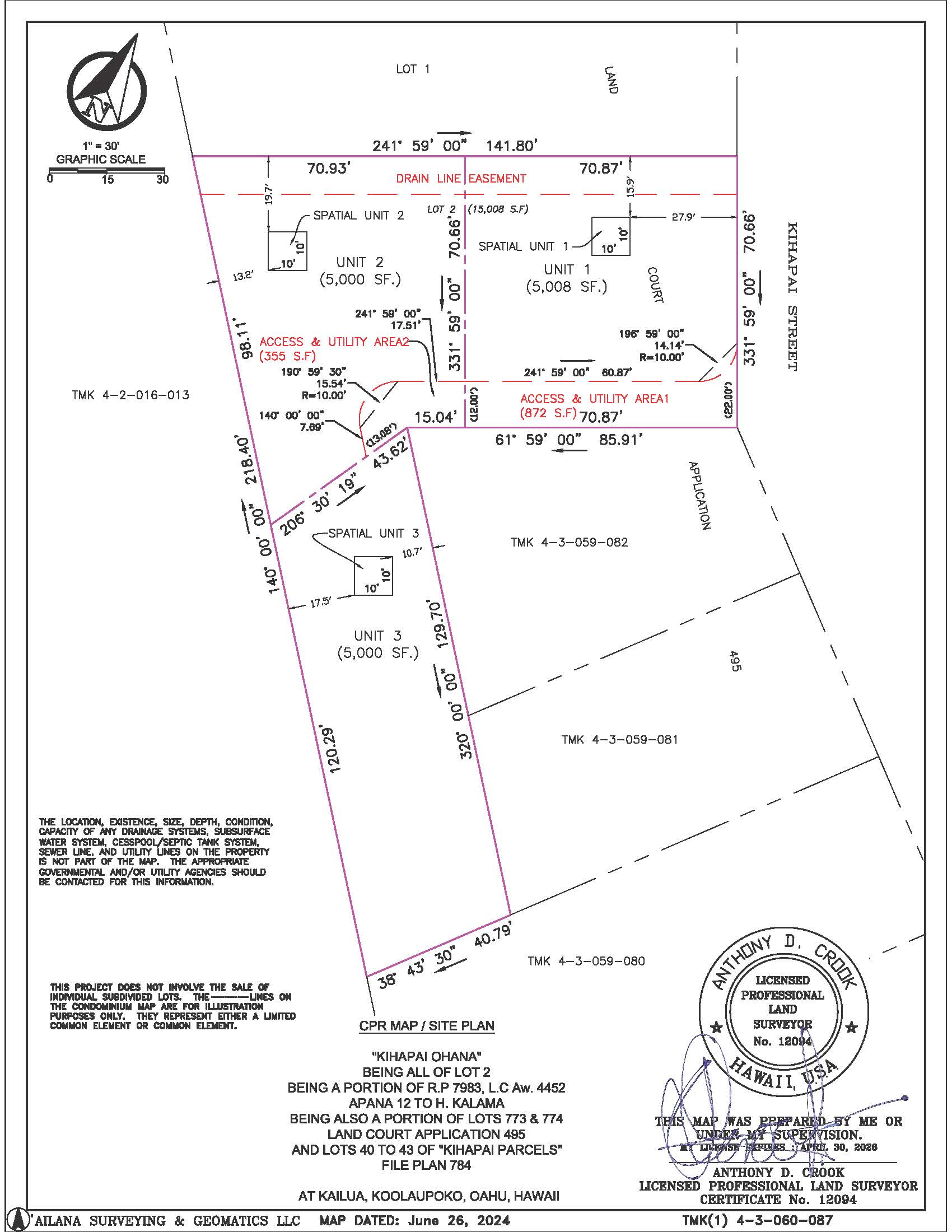
A CPR, or Condominium Property Regime, can be confusing at first because the word “condominium” often makes people think of an apartment tower. In Hawaiʻi residential real estate, a CPR can also describe separate home areas within a larger parcel, where owners hold rights to their own dwelling area or exclusive-use area while sharing certain common elements such as access, utility, or drainage areas.
That is the basic concept at Kihapai ʻOhana CPR.
This is not a large condominium project. It is a boutique three-home residential CPR in Kailua. Each homesite is roughly 5,000 square feet, and the overall parcel is approximately 15,008 square feet. Each owner acquires a fee-simple CPR interest, rights to a designated dwelling area, assigned exclusive-use areas, and shared interests in common elements governed by the recorded CPR documents.
Put simply: it is a way for three future homeowners to own and build within a defined framework on one larger Kailua parcel, while sharing the pieces that logically need to be shared, such as access, utilities, drainage, and association responsibilities.
That structure is not the same as owning a separately subdivided TMK lot. Buyers need to understand that distinction. They should review the CPR documents, declaration, bylaws, map, easements, title, insurance requirements, lender requirements, and construction obligations with the appropriate professionals.
But for the right buyer, a CPR homesite can be a practical path to building in a location where conventional vacant lots are extremely limited.
Kihapai ʻOhana CPR: Why This Opportunity Feels Different
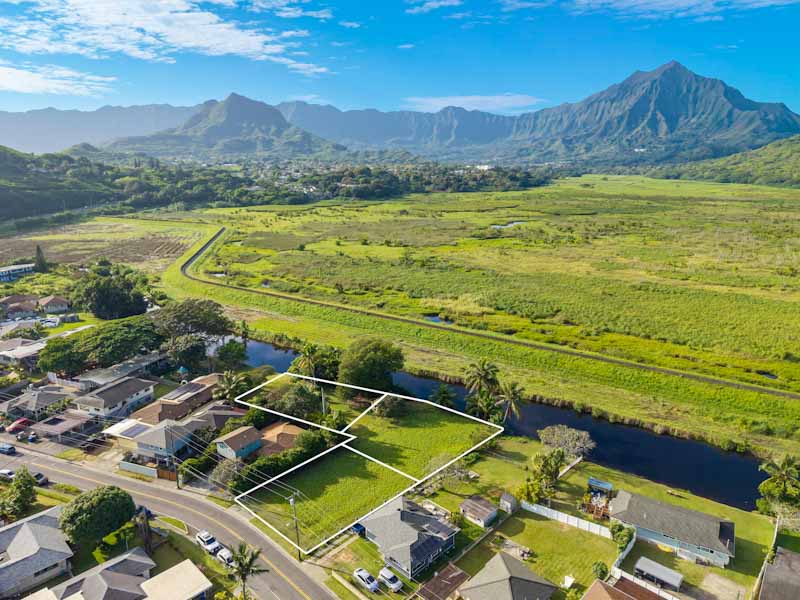
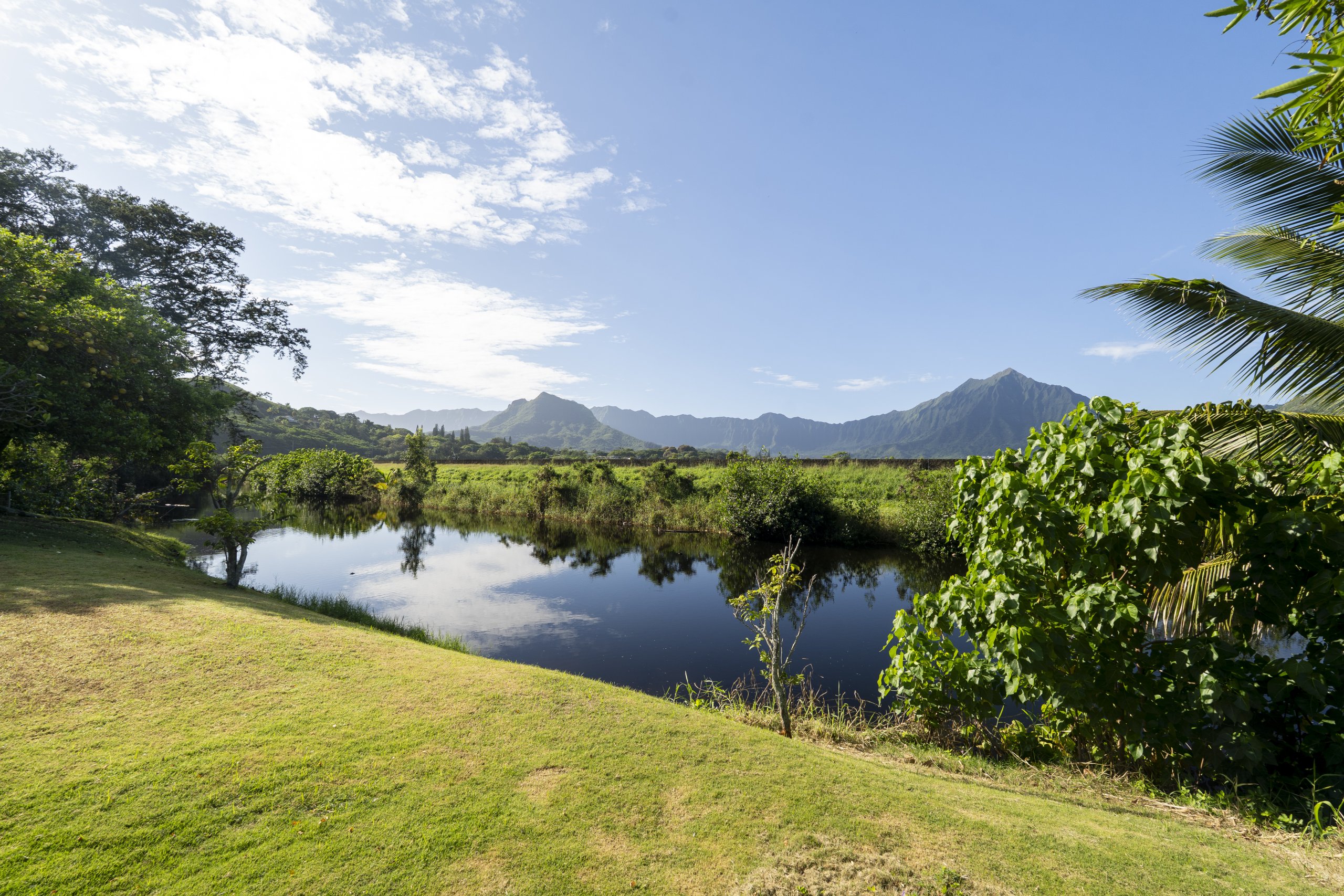
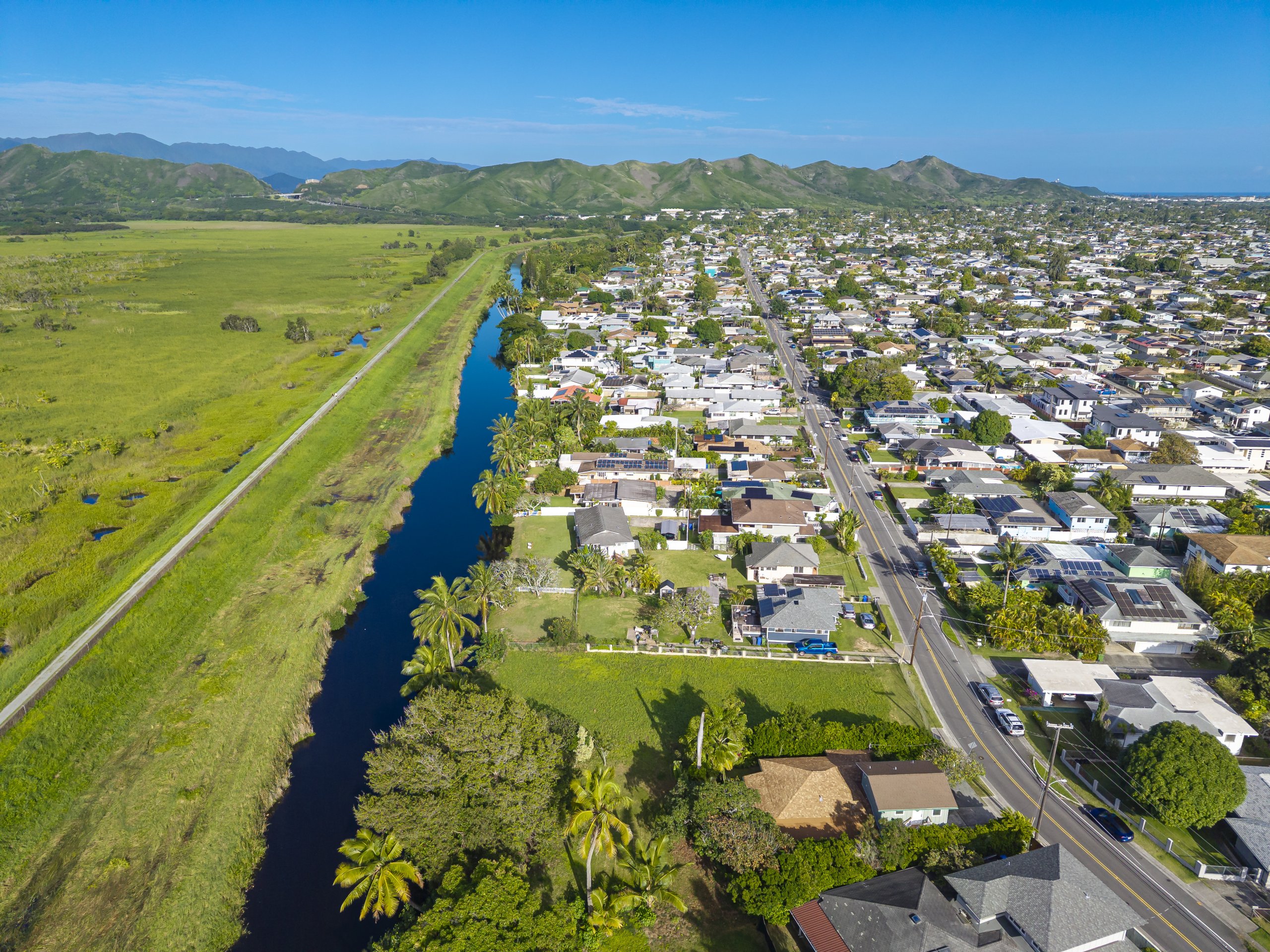
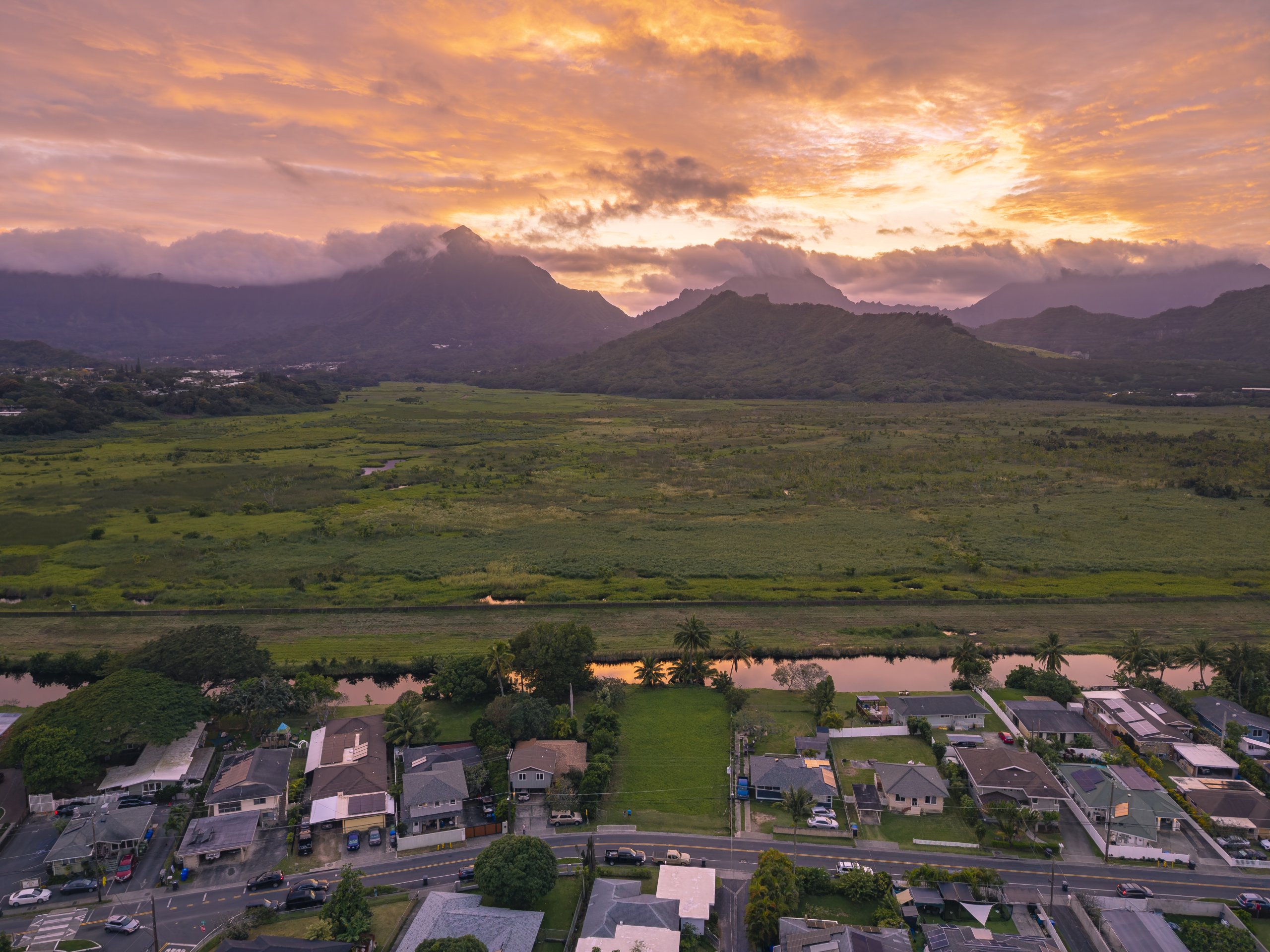
Kihapai ʻOhana sits on a quiet Kailua residential street in Coconut Grove, with a setting that immediately connects to greenery, open space, the Koʻolau Mountains, and the Maunawili Stream corridor.
The property is best understood in person. Standing on the site gives buyers a clearer sense of how the three spatial units relate to each other, how the views align, how future homes could be oriented, and how access and daily use may function.
This is not a boxed-in infill lot where a buyer is forced to imagine everything from scratch. The surrounding open areas, waterway orientation, and Koʻolau backdrop help the property feel larger and more connected to Kailua’s natural landscape.
At the same time, the opportunity is not being sold as a finished home. Construction has not commenced. The buyer is responsible for construction, financing, utility connections, trenching, sewer-related charges if applicable, insurance, and post-closing decisions unless otherwise agreed in writing.
That combination is important: Kihapai ʻOhana offers vision, but it also requires diligence.
What Has Already Been Advanced
One of the strongest features of Kihapai ʻOhana CPR Project is that a significant amount of early-stage work has already been addressed.
The due-diligence materials reference recorded CPR and subdivision approval, sewer capacity assessment, a preliminary developer public report, building permit approvals and stamped plans for Unit 3, and storm water management and erosion control approvals for the plans as approved.
That does not eliminate all risk. Approvals can be plan-specific. Changes would require review. Construction costs and timelines still depend on the buyer, contractor, lender, and agency processing. But compared with a raw parcel where a buyer is starting from zero, this is a more informed starting point.
For a buyer who wants to build in Kailua but does not want to begin with a blank entitlement page, that matters.
The Three CPR Homesite Opportunities
Each Kihapai ʻOhana homesite has a different personality. That is the right way to think about the offering. This is not simply “which unit is best?” It is “which homesite best matches your design priorities, timeline, and lifestyle?”
Unit 1: Street-Front Access and Efficient Build Logistics
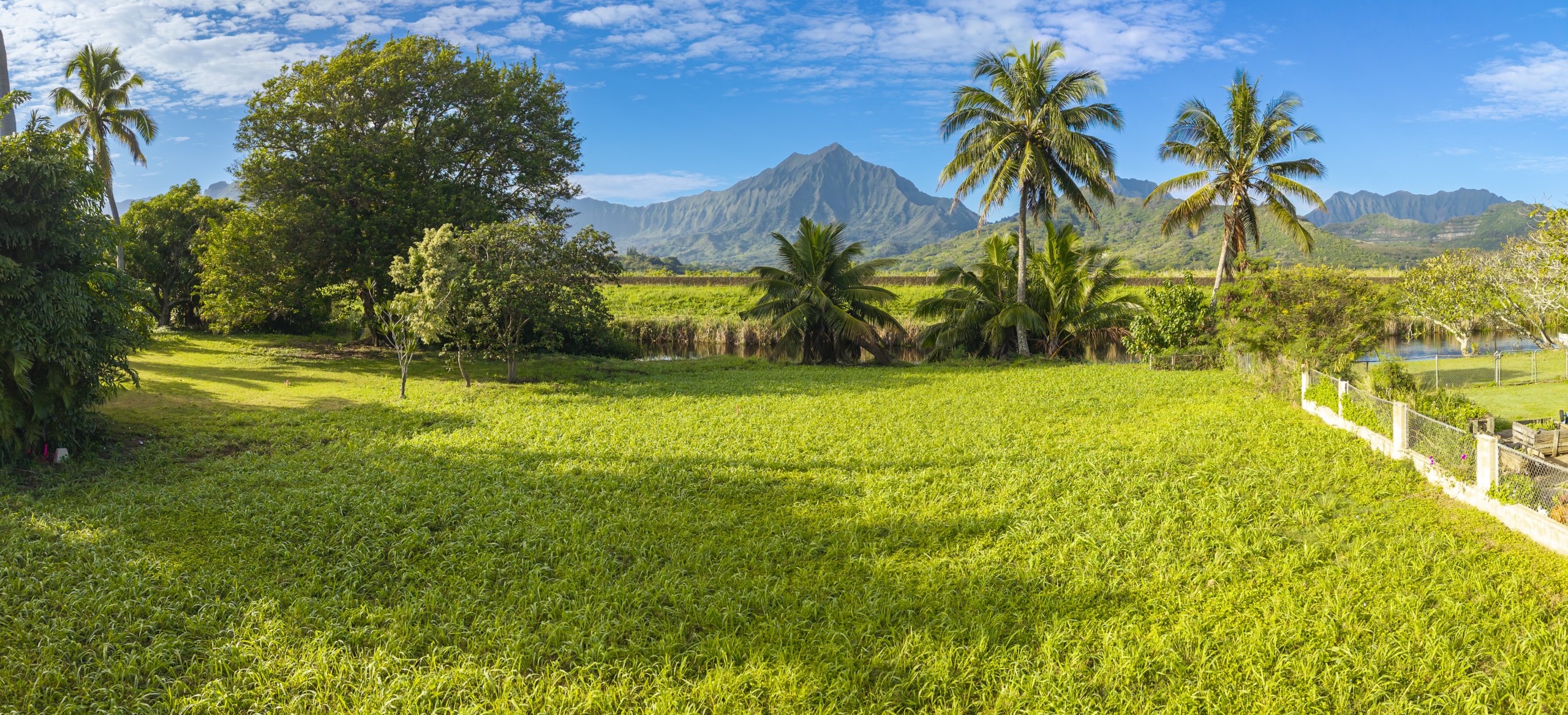
Unit 1 is the street-front homesite. Public listing information shows Unit 1 at approximately 5,008 square feet and listed at $599,000.
This is the most visible and accessible of the three. It offers the shortest utility runs, strong street access, proximity to the hydrant, and a clean rectangular building envelope. For a buyer who values curb presence, efficient construction staging, and a more traditional street-front home feel, Unit 1 has a natural appeal.
The main consideration is sequencing. The project materials indicate that Unit 1 is expected to be the third dwelling in the build sequence and may be the unit most likely to trigger SMA review. That does not make it unbuildable, but it does mean a buyer should be comfortable understanding the SMA path, timing, consultant needs and costs, and agency process before moving forward.
Unit 1 is a strong match for the buyer who wants the easiest physical access, the most straightforward street relationship, and is willing to manage the regulatory timing that may come with the third-home position.

Unit 2: Balance of Privacy, Views, and Permit Priority
Unit 2 is the middle homesite, publicly listed at approximately 5,000 square feet and $739,000.
This unit is about balance. It is set back from the street, offers privacy advantages, and has a clear orientation toward the Koʻolau range. Public listing materials reference 98 feet of canal frontage and unobstructed Koʻolau views. The site-walk materials also describe Unit 2 as a place where upper-level living spaces and lanais could be thoughtfully oriented toward the mountains, while still maintaining neighborhood scale.
From a planning perspective, Unit 2 is positioned as one of the first two dwellings expected to proceed, which allows it to aviod the SMA burden under the current sequencing. Buyers should still verify all SMA, permit, and lender assumptions during due diligence, but Unit 2 may appeal to those who want privacy and view potential without taking on the most complex site position.
Unit 2 is likely to resonate with the buyer who wants a quieter Kailua setting, a strong design canvas, and a balanced combination of access, privacy, and entitlement clarity.
Unit 3: Privacy, Canal Frontage, and the Most Advanced Build Package
Unit 3 is the deepest homesite, publicly listed at approximately 5,000 square feet and $739,000.
This is the most private of the three. Public listing materials state that Unit 3 includes a fully approved DPP building permit for a 1,607-square-foot, four-bedroom, two-bath home with carport and covered lanai. They also reference 120 feet of canal frontage and direct access to Maunawili Stream.
From the project materials, Unit 3 has the most complete engineering and entitlement package, including geotechnical work, flood-related certifications, an elevation certificate, a permitted plan set, assigned sewer lateral, and a contractor bid context for driveway and site work.
That makes Unit 3 especially interesting for buyers who want momentum. It is still not a completed home, and buyers must verify the permit, plans, expiration or extension status, construction budget, insurance, lending, and all site-work assumptions. But compared with the other homesites, Unit 3 offers the clearest starting point for someone who wants to move from concept toward construction.
Unit 3 is the best fit for the buyer who values privacy, readiness, and the ability to study an existing approved plan set rather than beginning entirely from scratch.
The Whole-Parcel Option
The full 15,008-square-foot parcel has also been publicly listed at $2,000,000. For the right buyer, builder, or family group, the entire Kihapai ʻOhana CPR Project offering may be worth considering as a unified acquisition.
That path could appeal to someone who wants to control the full setting, coordinate the build strategy across all three homesites, or evaluate a broader development plan. The project materials note that zoning may support three single-family dwellings, and potentially other configurations if purchased together, subject to approvals and SMA impacts.
That is not a casual strategy. It requires a sophisticated buyer, legal and land-use review, construction budgeting, and careful analysis. But in Kailua, where larger unbuilt parcels are increasingly scarce, the whole-parcel option deserves its own conversation.
Who Should Consider the Kihapai ʻOhana CPR Project?
Kihapai ʻOhana is not for every buyer.
It is not for someone who needs to move in immediately. It is not for someone who wants a fully finished home with no construction decisions. It is not for a buyer unwilling to review CPR documents, flood requirements, utility costs, construction budgets, permit status, and insurance assumptions.
But it may be ideal for a buyer who wants a custom Kailua home and understands the value of starting with land that already has a defined CPR framework, meaningful site planning, and a clear set of questions to investigate.
This opportunity is especially worth a look if you:
- Want to build in Kailua rather than renovate an older resale home.
- Care about Koʻolau orientation, open-space feel, airflow, and natural setting.
- Want to compare multiple homesite options side by side.
- Prefer a defined due-diligence path over a vague land opportunity.
- Understand that good land decisions are made with both imagination and discipline.
Final Thoughts
The build-versus-buy decision on Oʻahu has never been one-size-fits-all. In 2026, it is even more personal.
A resale home gives speed, certainty, and immediate use. A homesite gives design control, long-term customization, and the possibility of creating something that fits your life from the ground up.
Kihapai ʻOhana CPR sits in the space between raw land and finished home. It offers three distinct Kailua homesite opportunities, each with its own mix of access, privacy, view orientation, regulatory considerations, and build momentum.
For the right buyer, that is exactly the point.
The opportunity is not simply to buy land. It is to make a thoughtful decision about how you want to live in Kailua — and to build toward that vision with your eyes open.
Site walks are by appointment only. Kihapai ʻOhana is best understood in person, where the relationship between land, water, views, access, and future design becomes much clearer.

Leave your opinion here. Please be nice. Your Email address will be kept private, this form is secure and we never spam you.