What Makes Hawaii Real Estate Worth Holding as a Long-Term Investment
When people think about Hawaii real estate investment, they often start with the obvious reasons. The views are beautiful. The lifestyle is different. The climate is appealing year-round. The setting feels rare.
But long-term value is not built on scenery alone.
What makes Hawai‘i real estate worth holding over time is that it sits at the intersection of limited supply, lasting demand, lifestyle value, and real ownership utility. A well-chosen property in Hawai‘i is not just something to own. It can become a place to live, a future retirement home, a family asset, or a property that continues to hold appeal even as your plans change.
That is why the conversation around long-term property investment in Hawai‘i needs to go deeper than appreciation charts or short-term trends. The better question is this: what makes a property here stay desirable, useful, and financially sensible over many years?
The answer starts with something simple. Hawai‘i is not a market where supply can expand easily. Hawai‘i Life has noted that the state’s geography, coastline, conservation areas, and development limits create a very different housing environment than many mainland markets. State housing planning also points to a major housing shortage, with Hawaiʻi needing 64,490 additional housing units by 2027. That kind of structural pressure helps explain why the Hawaii real estate market tends to carry long-term weight for buyers who are thinking beyond the next few years.
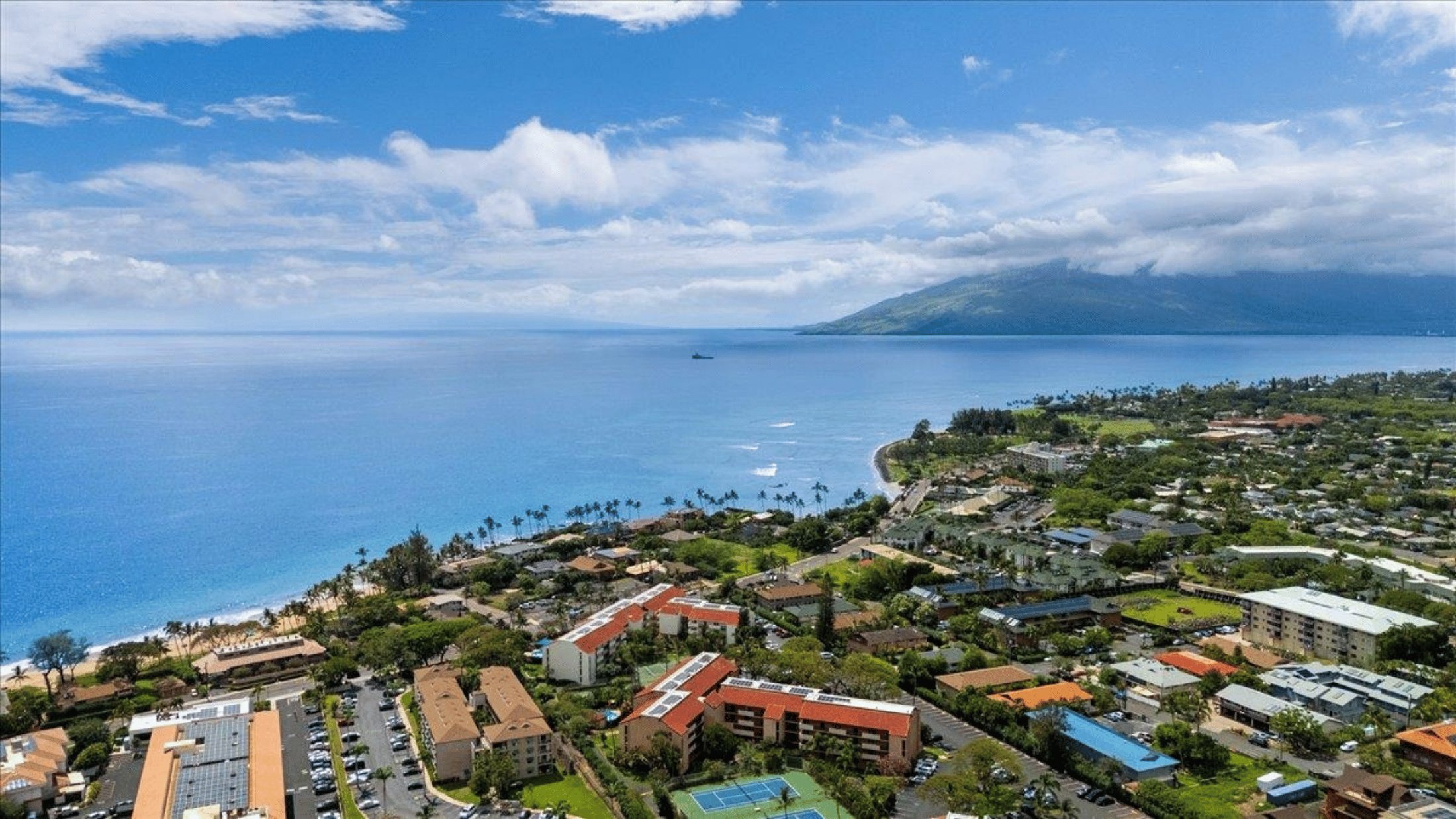
A long-term hold works differently in Hawai‘i
In many markets, buyers focus heavily on timing. They ask whether this is the perfect year to buy, whether rates will fall, or whether prices will dip again.
In Hawai‘i, timing still matters, but property quality usually matters more.
That is because long-term ownership here is often supported by something deeper than a short burst of momentum. People continue to want homes in Hawai‘i because the islands offer something that is difficult to reproduce elsewhere. There is a lifestyle component, but there is also a practical one. Many buyers are not just chasing a vacation idea. They are buying for real use, whether that means living here full-time, spending part of the year here, planning for retirement, or holding something they expect to keep in the family.
That distinction matters. A market tends to feel stronger over time when buyers are motivated by more than quick resale expectations. Hawai‘i Life has highlighted that Hawai‘i real estate has historically been shaped by a constant imbalance between demand and supply, with limited land and persistent buyer interest continuing to support long-term value.
Scarcity matters more here than in many other places
Scarcity is one of the biggest reasons Hawaii real estate investment continues to attract long-term buyers.
There are only so many places in Hawai‘i where housing can be built, and even fewer that match what buyers typically want most. Ocean access, livable neighborhoods, convenient infrastructure, appealing climate zones, and properties with a comfortable day-to-day feel are not unlimited. When you combine that with the reality that Hawai‘i still needs tens of thousands of additional housing units, it becomes easier to understand why good property here can remain desirable for a long time.
This does not mean every property will perform the same way. It does not mean prices move up in a straight line. It simply means the long-term support behind the market is real.
That is an important difference.
In some places, supply can respond quickly when prices rise. In Hawai‘i, it is usually much harder and much slower to add meaningful new inventory. That tends to make location, land, and livability matter even more.
The best long-term properties stay useful
A strong long-term property investment is not just a property that looks attractive on the day you buy it. It is one that still makes sense years later.
That usually comes down to usefulness.
- Can the home work for full-time living?
- Does the location still appeal when the excitement of the purchase wears off?
- Are the ownership costs manageable enough that holding feels realistic, not stressful?
- Does the property give you flexibility if your plans change?
This is where a lot of buyers start to think more clearly.
A home in Hawai‘i can hold long-term value not only because of the market around it, but because of what it can become over time. A buyer may purchase as a primary residence and later keep it as a future retirement home. Another may buy a second home and later turn it into a long-term family asset. Some properties are valuable not because they produce the highest short-term return, but because they continue to fit real life.
That is one reason Hawai‘i ownership often feels different from purely transactional investing. The property may carry both financial value and personal value at the same time.
The Hawaii real estate market rewards patience more than impulse
One of the quieter strengths of the Hawaii real estate market is that it often rewards buyers who think carefully and hold with intention.
Buyers who rush into property because it looks exciting can end up disappointed by ownership costs, building issues, or use restrictions. Buyers who understand the long-term picture usually make better decisions. They pay attention to what supports value over time, not just what makes a listing look appealing online.
This matters even more in a market like Hawai‘i, where different islands, neighborhoods, and property types can behave very differently. A strong long-term hold is usually not defined by hype. It is defined by durability.
That durability may come from location. It may come from land ownership structure. It may come from a home’s condition, layout, view plane, or long-term livability. Often it comes from a combination of those things.
The deeper point is this: holding power matters. A property is easier to keep when it continues to feel practical, appealing, and financially manageable.
A strong local economy still matters
Lifestyle alone does not support a housing market. The broader economy matters too.
DBEDT projects Hawaiʻi’s real GDP to increase 1.7 percent in 2026, 1.8 percent in 2027, and 1.9 percent in both 2028 and 2029. That is not explosive growth, but it does point to a stable economic base rather than a collapsing one. For long-term buyers, that matters because housing performs best when there is continuing support from employment, spending, and broader economic activity across the state.
That does not mean every submarket will behave the same way. But it does reinforce the idea that Hawai‘i real estate is not supported by image alone. There is still an underlying economic framework behind long-term housing demand.
Not every property in Hawai‘i is worth holding
This is where the conversation needs to stay honest.
Saying that Hawai‘i can be a strong long-term market is not the same as saying every property is a good long-term hold.
Some properties come with ownership costs that rise too quickly. Some have insurance issues. Some have HOA or AOAO problems that make long-term ownership harder than buyers expected. Some have weak reserves, deferred maintenance, or future assessment risk. Others may not fit the owner’s intended use because of rental rules, zoning, tax classification, or property structure.
That is why smart Hawaii real estate investment is rarely just about buying in Hawai‘i. It is about buying the right kind of property in Hawai‘i.
A beautiful unit with unstable building finances is not the same long-term hold as a well-located home with more predictable carrying costs. A property that looks affordable on the front end can become far less attractive if the dues, insurance, and maintenance burden keep rising.
This is where local knowledge matters most. Long-term value is not only about market strength. It is about whether the property itself can be held comfortably over time.
Ownership structure matters more than many buyers realize
In Hawai‘i, long-term value is closely tied to what you are actually buying.
Fee simple, leasehold, condo ownership, CPR structure, and association governance all affect the quality of a long-term hold. A property may look appealing on paper but work very differently once you understand the land interest, monthly obligations, and restrictions tied to it.
That is one reason a long-term property investment in Hawai‘i should always be evaluated beyond the list price. The strongest holds are usually the ones where ownership is clear, costs are understandable, and future use is not boxed in by surprises.
A property that is easier to finance, easier to insure, easier to understand, and easier to keep tends to be a stronger long-term asset. That may sound simple, but it is one of the most practical truths in Hawai‘i real estate.
The real long-term value is often in staying power
When people talk about investment value, they often think first about appreciation.
Appreciation matters, but staying power matters just as much.
- Can you hold the property through changing market cycles?
- Can you keep it without feeling squeezed every year by rising costs?
- Will it still appeal to future buyers if your plans change?
- Does it remain desirable because of location, livability, and land scarcity, not just temporary market energy?
Those questions are what make a property worth holding. The strongest long-term homes in Hawai‘i are often the ones that continue to answer yes.
Final thoughts
What makes Hawai‘i real estate worth holding as a long-term investment is not just the beauty of the islands. It is the combination of limited land, lasting demand, real-world housing need, lifestyle appeal, and the fact that well-chosen property here can stay useful for many years. Hawai‘i’s housing shortage and constrained supply help support the long-term case, while the state’s broader economic outlook adds another layer of stability to the market.
But the best takeaway for readers is this: the real strength of Hawaii real estate investment is not that every property will be a winner. It is that the right property, bought for the right reasons, can continue to make sense long after the excitement of the purchase is gone.
That is what makes a real long-term property investment.
FAQs
Is Hawaii real estate a good long-term investment?
It can be, especially when the property has lasting location appeal, manageable ownership costs, and real long-term usefulness. Hawai‘i’s limited supply and statewide housing shortage support the long-term case, but property selection still matters a great deal.
Why does Hawaii real estate tend to hold long-term value?
A major reason is scarcity. Hawai‘i has limited developable land, strong buyer interest, and a housing shortage that continues to pressure supply. Those conditions can help support value over time.
What should buyers look for in a long-term Hawaii property investment?
Buyers should look at location strength, ownership structure, total carrying cost, insurance exposure, building condition, and whether the property will still make sense if they hold it longer than expected.
Is every property in the Hawaii real estate market a good long-term hold?
No. Some properties come with higher risk from HOA issues, insurance costs, leasehold structure, deferred maintenance, or restrictions that make ownership harder over time. A strong market does not remove the need for careful property selection.
Does the broader Hawaii economy matter for long-term real estate investment?
Yes. A healthier and more stable economy helps support housing demand over time. DBEDT’s current outlook shows modest but continued real GDP growth through 2029, which supports a more stable long-term environment for property ownership.

Leave your opinion here. Please be nice. Your Email address will be kept private, this form is secure and we never spam you.