The Oʻahu real estate market entering May 2026 continues to tell a very nuanced story — and if you are a buyer, seller, investor, or real estate agent, understanding the details behind the headlines matters more than ever.
While national real estate headlines continue to focus on elevated mortgage rates, affordability concerns, and slower mainland sales activity, Oʻahu remains a market driven by limited land supply, lifestyle demand, long-term ownership patterns, and highly localized micro-markets.
But here’s the key takeaway:
Oʻahu is no longer one single market.
It is now several different markets moving at different speeds simultaneously.
Some properties still receive multiple offers within days. Others sit for months with repeated price reductions. Some sellers continue to push pricing higher, while many buyers are becoming increasingly analytical and selective.
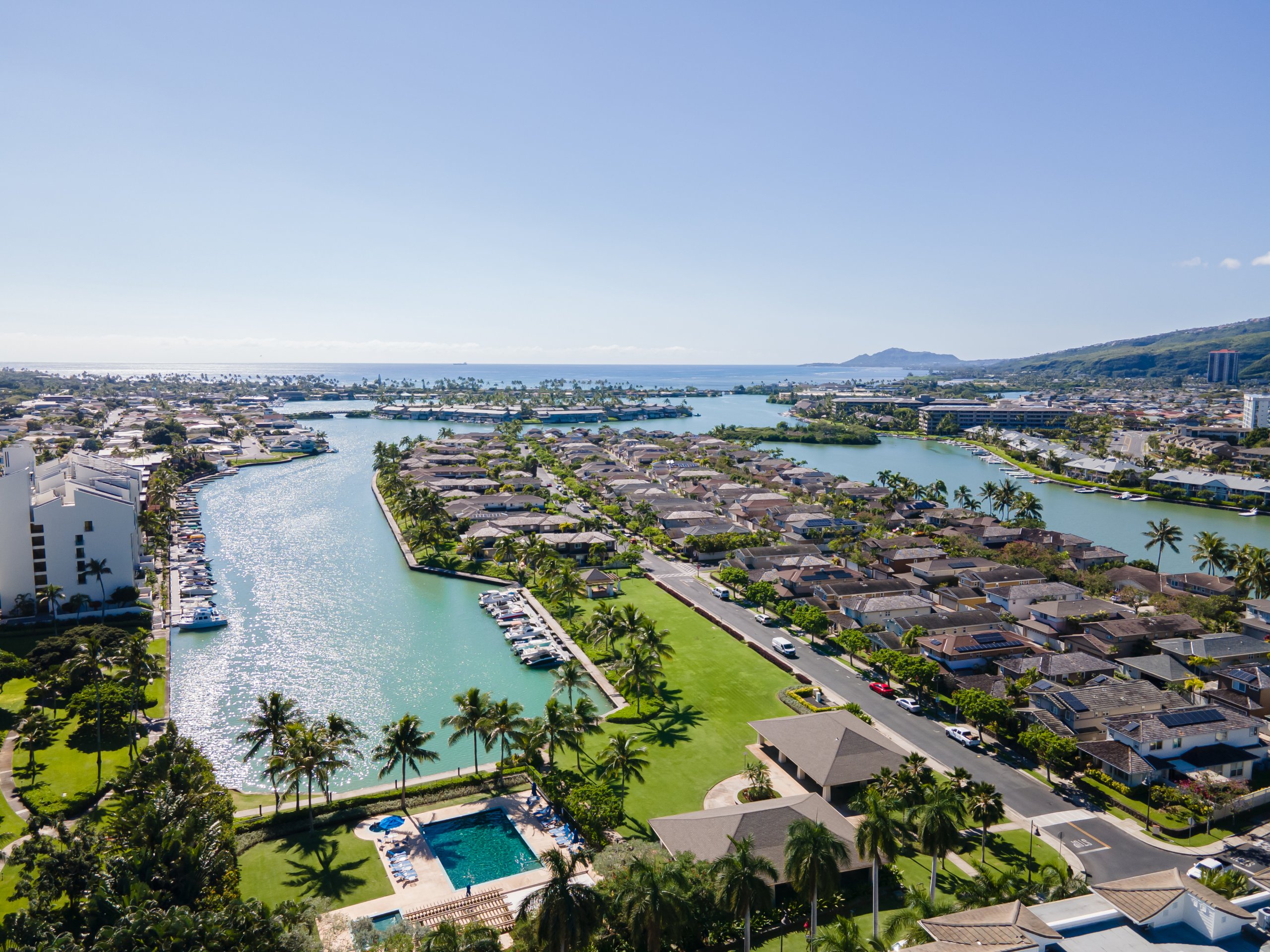
If you are trying to buy or sell real estate on Oʻahu in 2026, understanding this market split is critical.
The Current State of the Oʻahu Market (Through April 30, 2026)
According to data compiled from the Honolulu Board of REALTORS® and April 2026 market reports, the market remains relatively stable overall, but momentum has clearly shifted compared to the ultra-competitive pandemic-era environment.
April 2026 Snapshot
| Category | Single-Family Homes | Condos |
|---|---|---|
| Median Sales Price | Approximately $1.15M–$1.16M | Approximately $500K |
| Year-over-Year Price Change | Slight decline | Slight decline |
| Median Days on Market | ~24 Days | ~38–40 Days |
| Sales Activity | Slightly Down | Slightly Down |
| Inventory Levels | Still Tight | More Balanced |
The biggest story may not be pricing itself — it may be market speed and buyer psychology.
Single-family homes continue to benefit from severe long-term supply constraints. Well-priced homes in desirable neighborhoods still move quickly and often attract multiple offers.
Condominiums, however, continue to face increasing resistance from buyers due to:
- Rising maintenance fees
- Insurance-related increases
- Special assessments
- Financing challenges in certain buildings
- Growing inventory in some urban submarkets
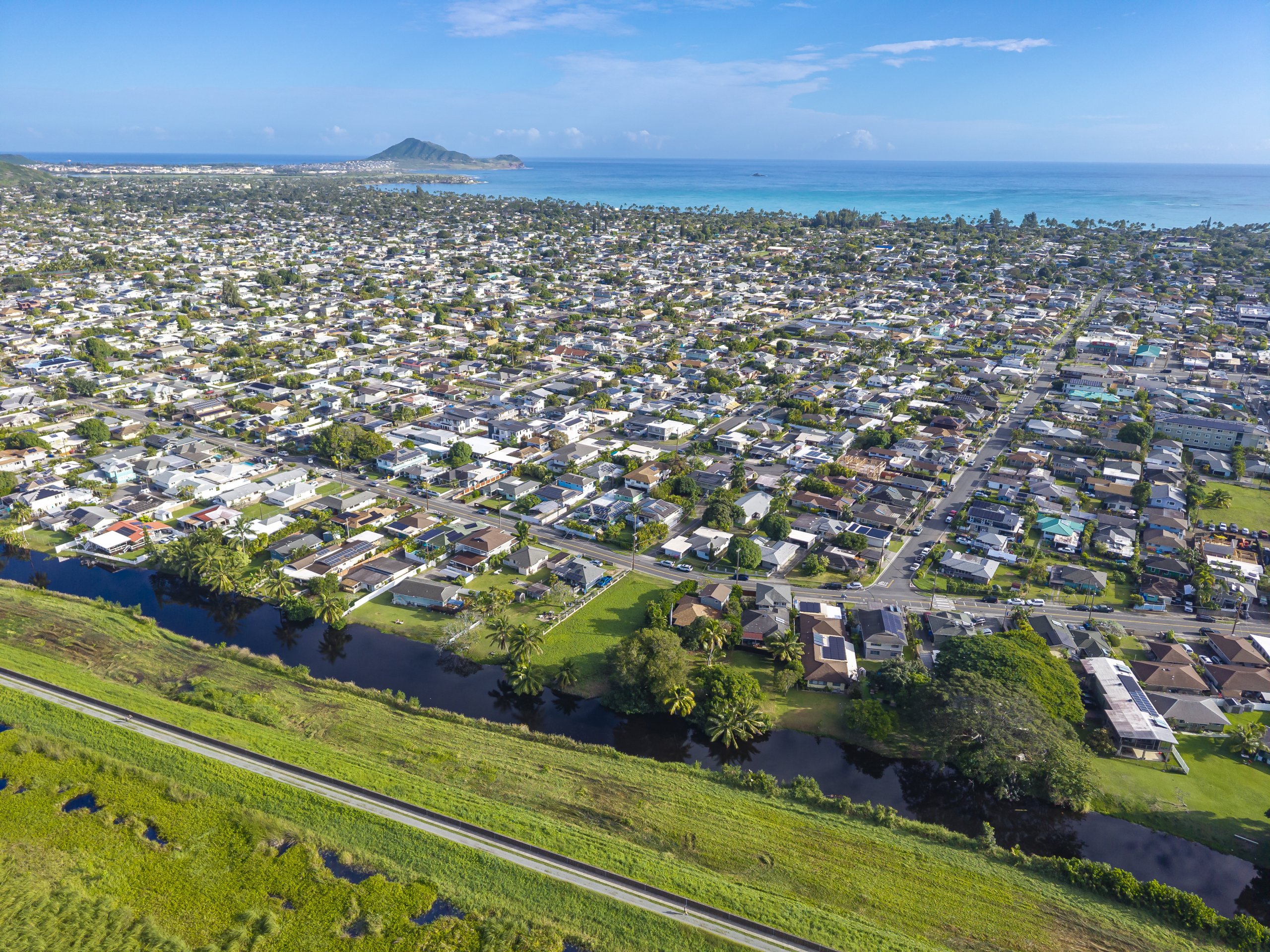
This has created dramatically different experiences for sellers depending on property type, location, price point, and monthly ownership costs.
Single-Family Homes Continue To Show Resilience
Despite higher mortgage rates and affordability pressure, Oʻahu single-family homes continue to demonstrate surprising stability.
Why?
Because many buyers continue to prioritize:
- Land ownership
- Privacy
- Multi-generational living flexibility
- Rental or ADU potential
- Long-term scarcity value
Inventory for single-family homes remains historically limited, especially in desirable areas such as:
- Kailua
- Hawai‘i Kai
- Kāneʻohe
- Kaimukī
- Mānoa
- North Shore
- East Honolulu
Many homeowners also remain “locked in” with historically low mortgage rates from prior years and are reluctant to sell unless absolutely necessary. That dynamic continues to suppress resale inventory.
The result?
Even with softer demand compared to 2021–2022, properly priced homes often still sell quickly.
However, buyers are becoming far more cautious regarding:
- Deferred maintenance
- Unpermitted work
- Flood zone concerns
- Insurance costs
- Aging infrastructure
- Overpricing
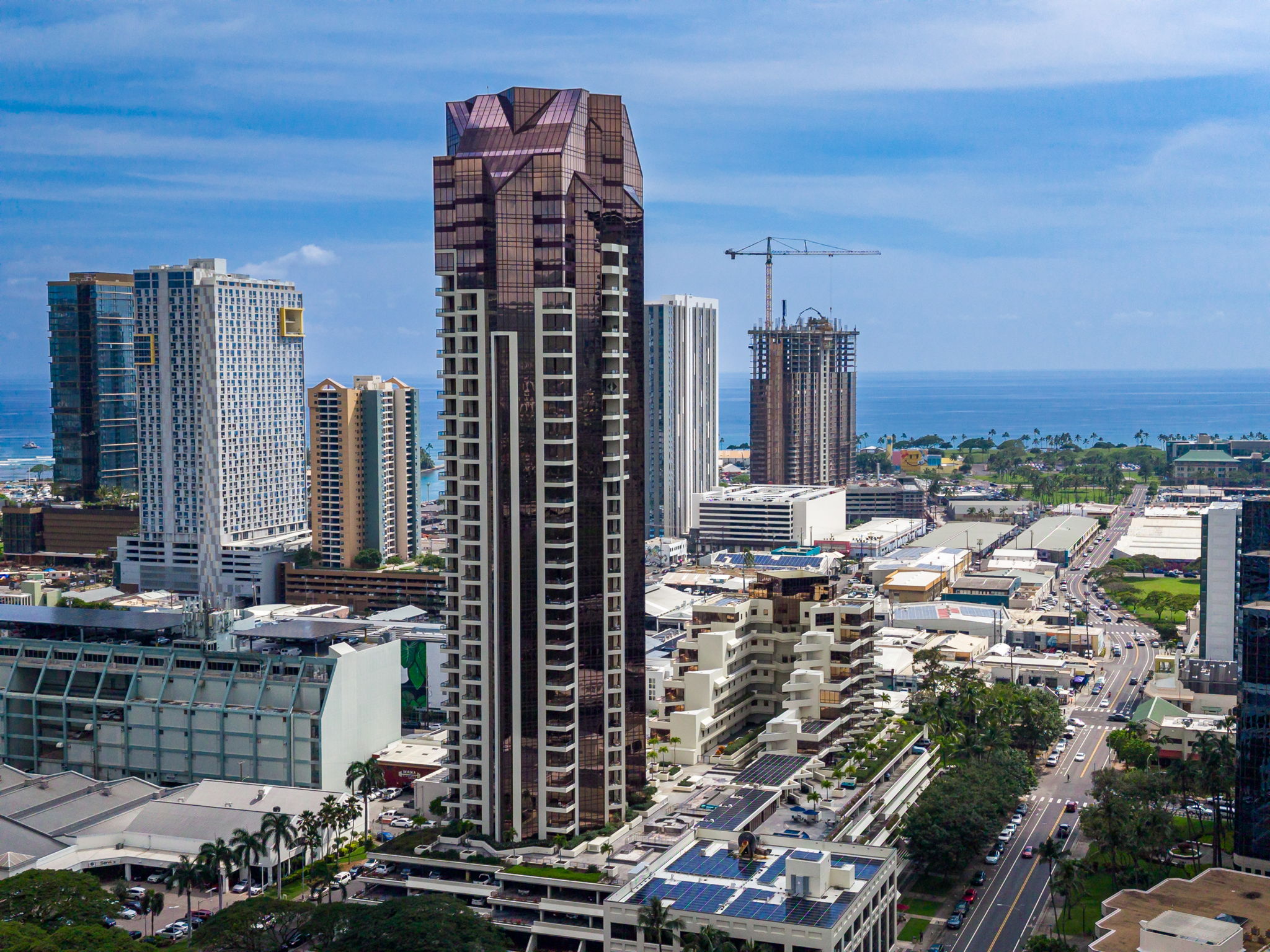
Today’s buyers are conducting significantly more due diligence than they did just a few years ago.
The Condo Market Is Becoming Increasingly Selective
The condominium market across Oʻahu continues to experience a more challenging and fragmented environment.
This does NOT mean condos are “bad investments.”
It means buyers have become more sophisticated.
In many buildings, buyers are now carefully evaluating:
- Reserve funding
- Future special assessment risk
- Hurricane insurance deductibles
- Litigation issues
- Deferred maintenance
- Fire sprinkler retrofits
- Plumbing replacement projects
- Rising maintenance fees
- Rental restrictions
- Financing eligibility
For older buildings, especially those built in the 1960s–1980s, these concerns can significantly impact buyer demand and financing availability.
At the same time, newer luxury and amenity-rich buildings in neighborhoods like:
- Kakaʻako
- Ala Moana
- Ward Village
- Waikīkī
- Honolulu urban core
continue to attract both local and mainland buyers seeking lifestyle-oriented living.
The key distinction today is this:
Buyers are no longer simply buying square footage.
They are buying the quality and future financial stability of the entire building.
Interest Rates Continue To Shape Buyer Behavior
Mortgage rates remain one of the largest influences on market activity nationally and locally.
As of spring 2026, elevated borrowing costs continue to impact affordability and purchasing power.
For many buyers:
- Higher monthly payments reduce purchasing budgets
- Condo maintenance fees create additional affordability pressure
- Insurance increases further strain debt ratios
This has caused many buyers to:
- Shop below prior price targets
- Delay purchasing decisions
- Negotiate more aggressively
- Focus heavily on monthly carrying costs
At the same time, cash buyers continue to play a significant role in Hawai‘i real estate, particularly in:
- Luxury markets
- Vacation-oriented properties
- Distressed opportunities
- Legacy and generational purchases

Insurance and Maintenance Fees Are Now Major Market Drivers
One of the most important shifts in the Oʻahu market over the past two years has been the growing impact of insurance and operating costs.
For many condominium owners and buyers, rising insurance premiums have translated into:
- Higher maintenance fees
- Special assessments
- Reduced affordability
- Increased buyer hesitation
This trend is especially important in older high-rise buildings where deferred maintenance and hurricane insurance exposure may be substantial.
In some cases, a seemingly modest increase in monthly fees can dramatically reduce buyer purchasing power.
For example:
- An additional $300–$500 per month in maintenance fees may reduce affordability by tens of thousands of dollars in purchasing power.

As a result, buyers are scrutinizing monthly costs more carefully than ever before.
What Buyers Should Know Right Now
For buyers, today’s market may actually offer one of the best opportunities seen in several years — particularly in the condominium sector.
Why?
Because buyers now often have:
- More negotiating leverage
- More inventory choices
- More time for due diligence
- Reduced bidding competition in many segments
However, buyers must remain highly disciplined regarding:
- Building financial health
- Future assessments
- Flood zones
- Insurance exposure
- Financing eligibility
- Long-term ownership costs
The days of waiving every contingency and rushing blindly into transactions are largely gone.
Today’s successful buyers are informed buyers.

What Sellers Need To Understand in 2026
Many sellers continue to price homes based on:
- 2021 market conditions
- Neighbor expectations
- Aspirational pricing
- Emotional value
But today’s buyers are increasingly data-driven.
In this environment:
- Overpriced listings often stagnate
- Extended days on market create stigma
- Repeated price reductions weaken negotiating leverage
The strongest-performing listings today typically have:
- Strategic pricing
- Excellent presentation
- Strong photography and marketing
- Clear disclosure documentation
- Realistic seller expectations
In many cases, proper pricing at launch generates more activity — and ultimately produces stronger final sales results.
Guidance for Real Estate Agents
This market increasingly rewards agents who can provide:
- Data interpretation
- Risk analysis
- Condo document guidance
- Pricing strategy
- Insurance education
- Financing awareness
- Market segmentation expertise
Simply placing a property on the MLS is no longer enough.
Buyers and sellers now expect agents to help them understand:
- Market timing
- Building risk
- Micro-market trends
- Monthly cost impacts
- Flood zone changes
- Financing limitations
- Long-term ownership implications
As Broker-in-Charge for Hawai‘i Life’s East Oʻahu office, I work with many of Oʻahu’s top agents daily, and one trend is very clear:
The agents creating the most value today are the ones helping clients make informed, strategic decisions — not simply facilitating transactions.
Final Thoughts: A More Balanced and Intelligent Market
The Oʻahu real estate market entering mid-2026 is not crashing. It is recalibrating.
And in many ways, that may actually be healthier for everyone involved.
Buyers are becoming more informed.
Sellers are becoming more realistic.
Agents are being required to provide deeper expertise.
That creates a market where strategy, education, pricing accuracy, and due diligence matter more than ever.
For both buyers and sellers, success in today’s market comes from understanding not just where prices are today — but where risk, opportunity, and buyer psychology are heading next.
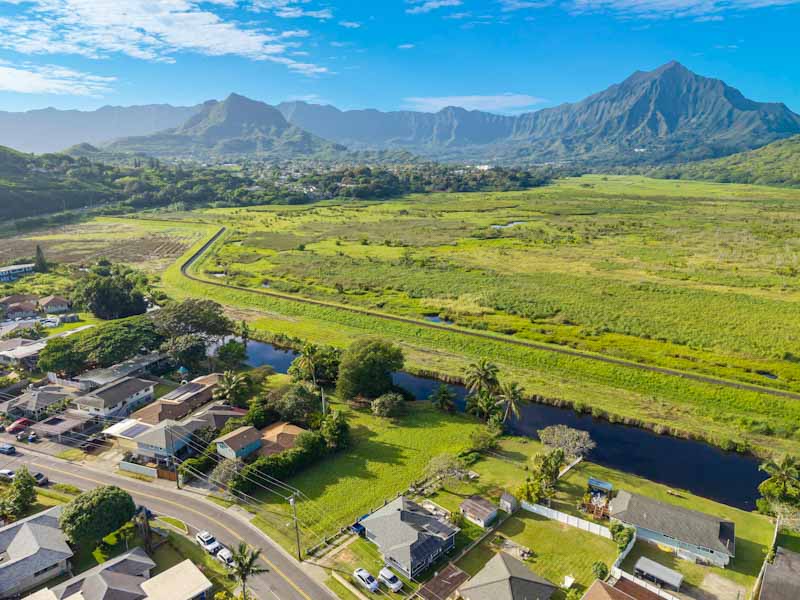
And on Oʻahu, those dynamics continue to evolve neighborhood by neighborhood, building by building, and property by property.

Leave your opinion here. Please be nice. Your Email address will be kept private, this form is secure and we never spam you.