A house in Hawaiʻi does more than provide shelter. It has to work with trade winds, tropical sun, sudden rain, salt air, humidity, and the conditions of its exact location. That last part matters. Hawaiʻi does not have one uniform climate.
A home in dry and sunny Kīhei faces different challenges from a property in rainy Hilo. A house near the ocean needs more protection from salt and wind than one farther inland. An upcountry home may have cool evenings that surprise buyers expecting year-round tropical heat.
The National Weather Service notes that rainfall near Hawaiʻi averages around 25 to 30 inches per year over the ocean. Some island locations receive as much as 15 times that amount, while others receive less than one-third. Mountains, elevation, and wind direction create these sharp differences over surprisingly short distances.
That is why climate should be considered before choosing the floor plan, roof, windows, landscaping, or even the side of the island where you want to live.
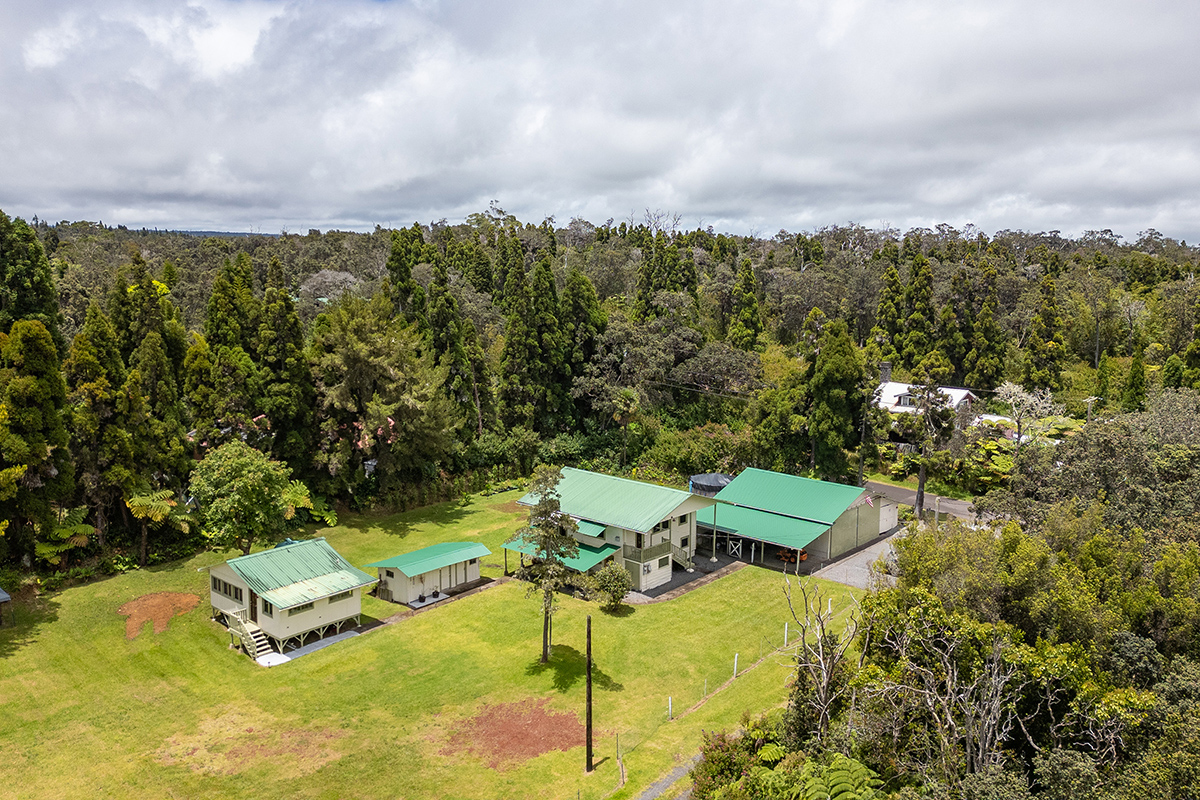
Trade Winds Influence the Entire Floor Plan
Trade winds generally move across Hawaiʻi from the northeast. When a home is positioned well, those winds can pass through the rooms and carry heat out naturally.
This is the idea behind cross-ventilation.
Instead of placing all the windows on one wall, climate-conscious homes often have openings on opposite or adjacent sides. Air enters through one part of the house and leaves through another. High ceilings, ceiling fans, vented roofs, and open interior layouts can help keep that air moving.
Older plantation-style homes often used this approach long before air conditioning became common. Raised foundations, large windows, covered porches, simple room layouts, and wide roof overhangs helped the buildings respond to warm, humid weather.
You can see how those ideas continue to influence modern island homes in this guide to Hawaiian plantation architecture.
A home that catches the breeze may remain comfortable for much of the day without running air conditioning constantly. One that faces away from the wind may feel hot and still, even when the temperature outside seems moderate.
This is also why two homes in the same neighborhood can feel completely different during a showing.
Shade Is Often More Valuable Than More Glass
Large windows can make a Hawaiʻi home feel bright and connected to the landscape. They can also allow intense afternoon heat into the house. The direction of the sun matters.
West-facing windows receive strong late-day sunlight. Rooms on that side of the home may stay warm into the evening, particularly in dry leeward areas. Roof overhangs, exterior shades, covered lanais, trees, and carefully placed windows can reduce direct heat before it enters.
Interior curtains help, but they only block sunlight after it has passed through the glass. Good tropical design tries to stop excessive heat outside the building. This may include:
- Deep roof overhangs
- Covered walkways
- Shaded courtyards
- Exterior shutters
- Trees placed near exposed walls
- Smaller windows on the hottest side
- Light-reflective roofing materials
Solar exposure can also make rooftop energy systems attractive. However, buyers should examine roof condition, panel ownership, warranties, and production history rather than assuming every system adds equal value. The article Is a Solar-Powered Home in Hawaiʻi a Smart Investment? explains what should be checked before buying.
Rain Changes Roofs, Foundations, and Landscaping
Rain in Hawaiʻi does not always arrive as a gentle tropical shower. Some areas experience long wet periods, while major storms can produce intense rainfall over a short time.
A home must move that water away quickly.
Wide roof overhangs help prevent rain from entering open windows. Gutters and downspouts need to be sized correctly and kept free of leaves. The ground should slope away from the foundation instead of directing water toward it. Drainage problems are not always obvious on a sunny showing day. They may appear later as:
- Water collecting under the house
- Mold or musty smells
- Rot around doors and windows
- Soil washing away from the property
- Water entering garages or lower rooms
- Muddy or unusable yard areas
- Overflowing catchment tanks or gutters
Raised foundations can improve airflow and reduce some moisture problems. However, the space below the house still needs inspection for water, pests, rust, and weakened structural components.
On wetter parts of Hawaiʻi Island, rainfall may also provide a household’s water. Some rural homes rely on rainwater catchment rather than a county water system. Tanks, pumps, filters, gutters, and water quality become part of everyday home care.
Buyers considering Big Island Hawaiʻi real estate can read Water Catchment 101 before viewing rural properties.
Salt Air Changes the Meaning of “Low Maintenance”
Living near the ocean is one of the strongest attractions of Hawaiʻi real estate. It also means accepting salt as a regular part of home maintenance.
Tiny salt particles settle on windows, railings, locks, outdoor furniture, vehicles, air-conditioning equipment, and electrical components. Moisture speeds up the corrosion process.
A metal part can look fine when a home is purchased and begin showing rust much sooner than a mainland buyer expects.
Frequent rinsing, cleaning, sealing, and repainting can extend the life of exposed materials. Stainless steel and other corrosion-resistant products may perform better, but they are not completely maintenance-free.
Roof condition deserves particular attention. Hawaiʻi homes face strong sun, rain, wind, moisture, and, near the coast, salt exposure. Metal roofing is popular partly because it can handle island conditions well when it is properly installed and maintained. Learn more in Why Metal Roofs Are Popular in Hawaiʻi.
Anyone comparing oceanfront homes should budget for more frequent care of:
- Hinges and door hardware
- Railings and gates
- Exterior lighting
- Air-conditioning units
- Window frames
- Outdoor appliances
- Roofing fasteners
- Vehicles and bicycles
The ocean view may be extraordinary, but the weather reaches the home every day. Hawaiʻi Life’s guide to oceanfront living in Hawaiʻi looks more closely at the lifestyle, costs, and risks involved.
Humidity Makes Airflow a Daily Habit
Humidity affects more than comfort. It can change how residents store clothes, food, books, electronics, and furniture.
Closed rooms can develop musty odors. Closets placed against exterior walls may trap moisture. Shoes and leather items can grow mold when left untouched. Bathrooms and kitchens need enough ventilation to dry after use.
Daily habits often include opening windows when the weather allows, running ceiling fans, using bathroom exhaust fans, leaving space around stored items, and checking rooms that are rarely occupied.
Air conditioning can remove moisture, but cooling one room and leaving the rest of the house closed may not solve the wider problem. Some homes benefit from dehumidifiers, especially in shaded, windward, or higher-rainfall locations.
This is one reason an empty second home may require more attention than expected. A home that sits closed for weeks can develop moisture, pest, or corrosion problems before the owner returns.
The practical realities of humidity and island maintenance are also covered in What No One Tells You About Moving to Hawaiʻi.
Outdoor Areas Function Like Real Rooms
In much of Hawaiʻi, a lanai is not simply a decorative porch. It may serve as the dining room, family room, work area, play space, or the place where people spend most of the evening.
Hawaiʻi’s average daytime temperature at sea level is about 85°F in summer and 78°F in winter. Nighttime temperatures are generally around 10°F lower.
That mild temperature range allows outdoor spaces to be used during much of the year, provided they have enough shade and protection from wind and rain.
A useful lanai usually needs more than floor area. Its direction and coverage matter.
An uncovered west-facing patio may become too hot in the afternoon. An exposed lanai may be difficult to use during strong trade winds. A low roof can trap heat, while poor drainage may leave the space wet after every shower.
The best outdoor areas feel connected to the kitchen and main living space. Wide doors, level transitions, ceiling fans, lighting, screens, and covered seating make them easier to use throughout the day.
That relationship between indoor and outdoor space is explored further in Why Outdoor Living Matters So Much in Hawaiʻi Real Estate.
Wind and Storm Exposure Affect Structural Choices
Trade winds make homes comfortable, but stronger winds require careful construction.
Hawaiʻi’s building requirements include specific provisions for wind design and hurricane sheltering. Local rules can vary, so construction and renovations need to follow the code adopted by the relevant county.
Roof-to-wall connections, foundation anchoring, window protection, garage doors, roofing materials, and nearby trees can all affect storm performance.
Homes on ridges, open coastlines, or exposed slopes may experience stronger winds than properties protected by terrain or neighboring buildings.
Daily living can also change in windy locations. Residents may need to secure patio furniture, choose heavier outdoor items, trim trees more often, and think carefully about where doors open.
A dramatic exposed site may offer better views, but it may also bring more noise, faster wear, and higher maintenance.
The Island and Neighborhood Determine the Lifestyle
Climate decisions should be made at the neighborhood level, not only by island.
On Hawaiʻi Island, buyers can move between hot coastal areas, rainy windward communities, cool upcountry locations, and dry resort regions without leaving the island. The Big Island contains eight major climate zones, producing major differences in rainfall, temperature, vegetation, and everyday comfort.
The guide to Big Island rainfall and climate zones shows how sharply conditions can change between districts.
Similar contrasts appear elsewhere:
- Maui real estate includes dry South Maui, windy central areas, wet Hāna, and cooler upcountry communities.
- Oʻahu real estate ranges from wetter windward neighborhoods to hotter and drier leeward communities.
- Kauaʻi real estate includes lush North Shore areas, drier southern communities, and properties with very different flood, wind, and rain exposure.
These differences affect more than what people wear. They influence utility bills, landscaping, driving conditions, maintenance schedules, water systems, and how often outdoor areas can be used.
What Buyers Should Check
A beautiful home can still be poorly suited to its climate.
Before purchasing, buyers should visit at different times of day and look beyond the view. Open the windows. Stand on the lanai. Notice which rooms feel hot, still, damp, or dark.
Ask about:
- Typical wind direction
- Annual rainfall in the immediate area
- Flood and drainage history
- Roof age and material
- Rust or salt damage
- Mold and moisture repairs
- Termite treatment
- Water source
- Air-conditioning costs
- Solar system ownership
- Storm protection
- Landscaping maintenance
- Insurance availability
The home should not simply look good in Hawaiʻi. It should work well in the Hawaiʻi climate where it stands.
Final Thoughts
Hawaiʻi’s climate makes outdoor living possible, keeps temperatures relatively moderate, and brings the landscape close to everyday life.
It also asks more from a home.
Good island design uses breezes instead of fighting them, creates shade before heat enters, directs rain away quickly, and chooses materials that can handle moisture and salt. It gives residents comfortable outdoor space while preparing the structure for wind, sun, pests, and changing weather.
The result is not one single “Hawaiian-style” house. A successful home in dry Kona may be very different from one in Hilo, Hāna, Hanalei, or upcountry Maui.
In Hawaiʻi, the best-designed home is usually the one that understands exactly where it is.

Leave your opinion here. Please be nice. Your Email address will be kept private, this form is secure and we never spam you.