Oceanfront Living in Hawaiʻi: Lifestyle, Costs, Risks, and Long-Term Value
There is a reason oceanfront homes in Hawaiʻi hold such a strong pull. The view is obvious, of course, but it goes deeper than that. Living on the water changes the rhythm of a day. Mornings start earlier. Windows stay open longer. Time outside feels more natural. Even people who have lived in Hawaiʻi for years will tell you that living right on the coast feels different from simply living near it.
That is the part buyers see first.
The part they usually learn later is that oceanfront property asks more from an owner than a typical home does. The setting is more exposed. The upkeep is heavier. The rules are tighter. And the things that make a property feel special can also shape how it performs over time.
That does not make oceanfront living a bad bet. Far from it. In the right location, it can be one of the most rewarding ways to own real estate in Hawaiʻi. But it works best for buyers who understand both sides of it from the start.
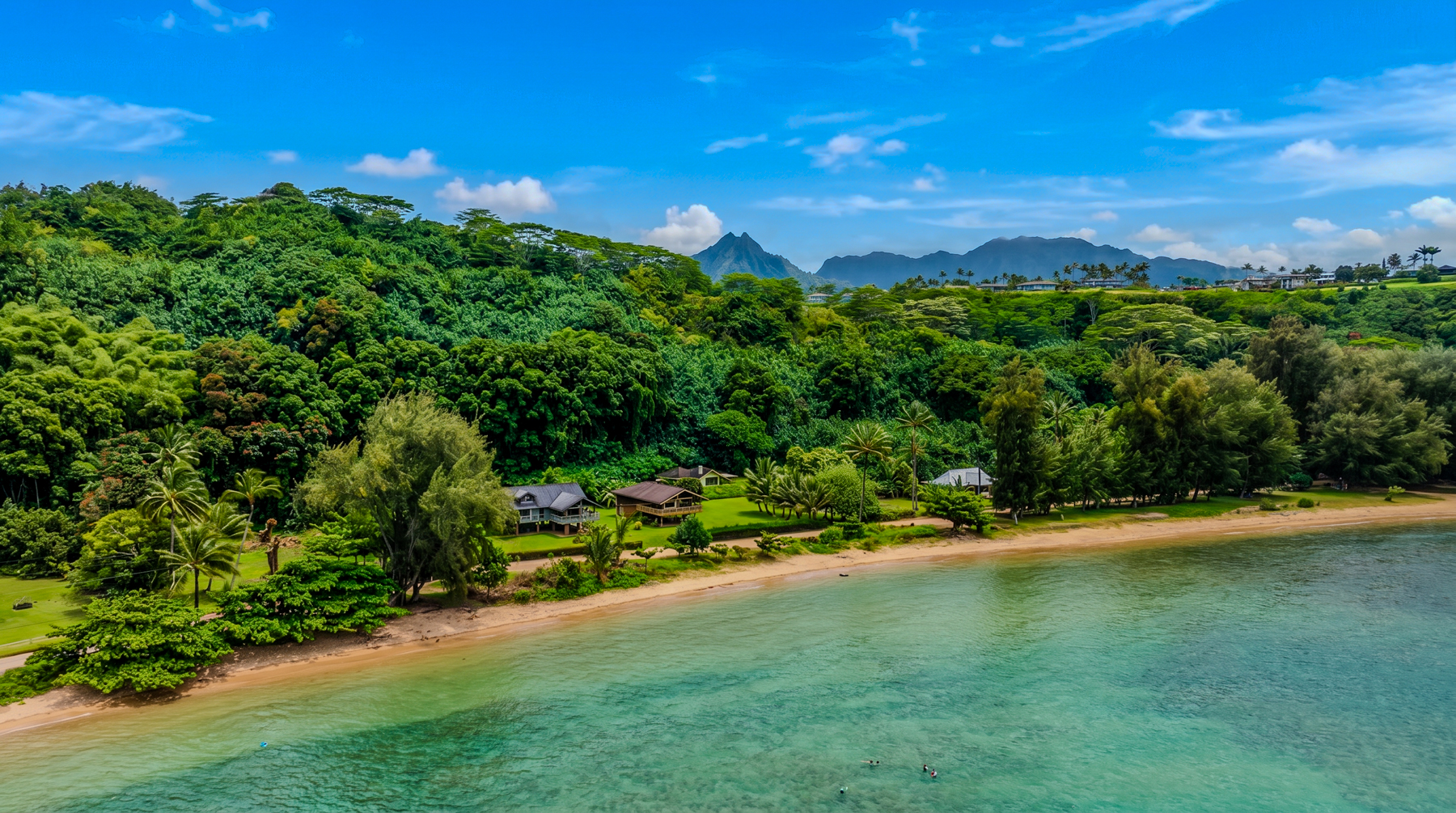
The lifestyle is hard to duplicate
A true oceanfront home offers something that inland properties usually cannot. It is not just the view. It is the feeling of being tied directly to the coastline.
On the right property, daily life gets shaped by the water. You notice the tide. You know when the wind changes. You start to recognize how the shoreline looks in summer compared with winter. Sunset becomes part of the routine, not an event. For many buyers, that kind of connection is the whole point.
There is also a level of scarcity that matters. Oceanfront land in Hawaiʻi is limited. There is only so much of it, and in many areas there will never be more. That scarcity is one reason these properties continue to attract strong interest, especially when the home has a good position, usable outdoor space, and a view that feels protected.
Still, lifestyle means different things to different buyers. One person wants a quiet stretch of shoreline with as little activity as possible. Another wants to be near surf, paddling, beach walks, and a more active coastline. Some buyers care most about privacy. Others care more about direct access and the day-to-day experience of being right on the water.
That is why oceanfront living should never be judged by the photos alone. Two homes can both be oceanfront and feel completely different once you spend time at the property itself.
Privacy is rarely as simple as it looks
Many buyers assume that living on the ocean means living in total privacy. Sometimes that is true. Sometimes it is not.
In Hawaiʻi, a house may be private, but the shoreline itself is a different matter. Buyers from the mainland often need time to adjust to that. A home can feel tucked away and still sit in front of a shoreline where people have the right to pass along the coast. That does not mean the public can use your yard, your lanai, or your private improvements. It does mean oceanfront living can come with a shared edge that some buyers do not fully think through at first.
Privacy usually comes more from the way the property is set up than from the fact that it is on the water. Lot depth helps. Elevation helps. Landscaping helps. The placement of the house, pool, lanai, and major living spaces matters a lot. Some homes feel wonderfully private because they were designed with that in mind. Others feel more exposed than expected, even with a strong view.
This is one of the clearest examples of why oceanfront real estate has to be experienced in person. The setting tells the truth much faster than the listing does.
The real costs go well beyond the purchase price
Oceanfront buyers usually prepare for the price tag. What they do not always prepare for is the carrying cost of the location.
Salt air is relentless. Metal corrodes faster. Exterior finishes break down sooner. Windows, doors, hardware, roofing, railings, outdoor lighting, pool equipment, and mechanical systems all tend to take more abuse near the ocean than they do inland. Even beautifully built homes need more attention when they sit directly on the coast.
Maintenance is not the only added expense. Insurance can be more complicated, especially if the property falls in a flood zone or has a high exposure profile. Depending on the home, buyers may need to think carefully about flood coverage, wind exposure, and what a standard homeowner policy does or does not fully address. Even when coverage is available, premiums and deductibles can change the ownership picture in a meaningful way.
Then there are the costs that are less visible at first: seawater wear on outdoor furniture, more frequent repainting, faster replacement cycles for exterior materials, drainage work, landscape upkeep, and repairs that come sooner than expected because the environment is simply harder on the house.
None of this means oceanfront ownership is not worth it. It just means that the budget should match the reality of the setting, not only the romance of it.
Coastal risk is part of the deal
This is the part buyers sometimes resist, especially when a house is beautiful and the view is doing all the work.
Oceanfront property in Hawaiʻi comes with real exposure. Depending on the location, that may include erosion, wave run-up, flooding, storm damage, bluff failure, or limits on what can be repaired or rebuilt in the future. Some coastlines are more stable than others. Some lots sit high and feel protected. Others look fine today but carry a longer-term risk profile that deserves real attention.
The important thing is not to treat all oceanfront property the same. A rocky shoreline is different from a sandy shoreline. A home on a bluff is different from a home directly at grade. A lot with room and elevation is different from one where the house already sits close to a changing shoreline.
The strongest buyers pay attention to shoreline behavior, not just shoreline beauty. They want to know what the coast has been doing over time. Has the beach narrowed? Have neighboring owners dealt with erosion? Are there old shoreline structures, temporary fixes, or signs that the land has been under pressure for years? Those questions matter because the ocean does not care what the listing price was.
Rules and setbacks matter more here
Oceanfront homes come with a level of regulation that many inland buyers never have to think about.
That can affect future additions, repairs, landscape changes, shoreline structures, and sometimes even how a damaged structure may be rebuilt. A house may be legal as it stands today but still face tighter limits if major work is needed later. That is especially important for buyers who assume they can purchase an older oceanfront home and significantly change it after closing.
The same goes for unpermitted work. In a coastal setting, buyers should be careful with seawalls, stairs, decks, terraces, revetments, fences, and other improvements near the shoreline. If something is not legal, the problem does not disappear when ownership changes hands. It usually becomes the new owner’s problem.
Oceanfront real estate in Hawaiʻi rewards buyers who do not skip the boring part. Surveys, permits, disclosures, shoreline history, insurance review, and local planning issues matter here more than they do in an ordinary home purchase.
Long-term value is about more than a dramatic view
There is no question that oceanfront homes hold a special place in the Hawaiʻi market. They are limited, emotionally powerful, and often deeply desirable. That tends to support long-term interest.
But long-term value is not carried by scarcity alone.
A good oceanfront property usually has more than one strength. The view is strong, yes, but the lot also works. The house sits well on the land. The outdoor space is usable. The privacy feels real. The shoreline condition is understandable. The location has lasting appeal. The ownership burden, while higher, still feels manageable for the buyer profile that property is likely to attract.
That is what separates a property that simply looks impressive from one that keeps making sense over time.
Recent research in Hawaiʻi has also pushed buyers and agents to think more carefully about coastal exposure and value. The market is not ignoring risk the way it once did. Buyers are more aware. Disclosures are more direct. Mapping tools are easier to use. That does not eliminate demand for oceanfront property, but it does mean the best-performing homes are likely to be the ones where beauty and resilience still line up.
Sometimes the better buy is not the most dramatic one
This may be the hardest point for some buyers to accept, but it is often true.
The most dramatic oceanfront property is not always the best purchase. A house right on the edge may create the strongest first impression, but a slightly more protected lot may offer the better ownership experience. A home with a little more setback, a little more elevation, or a little less direct exposure can still deliver the oceanfront lifestyle while making the day-to-day realities easier.
That balance matters. In many cases, it is what protects long-term value.
Buyers who do well in this part of the market are usually the ones who stay clear-eyed. They let themselves appreciate the lifestyle, but they do not ignore the upkeep, the risk, or the limits that come with the location.
Final thoughts
Oceanfront living in Hawaiʻi can be extraordinary. It offers a daily experience that few other properties can match, and when the home, lot, and location all work together, it can hold real long-term appeal.
At the same time, it is not passive ownership. It asks for more money, more maintenance, more due diligence, and a more realistic understanding of coastal risk. That does not weaken the case for buying on the ocean. It simply means the smartest buyers are the ones who see the full picture.
The best oceanfront homes are not only beautiful. They are the ones that still make sense after the emotion of the first showing wears off. They feel special to live in, but they also hold up as real estate.
That is the balance worth looking for in Hawaiʻi.

Leave your opinion here. Please be nice. Your Email address will be kept private, this form is secure and we never spam you.