Common Mistakes Mainland Buyers Make When Searching for Hawaii Homes
Searching for a home in Hawaii from the mainland can feel surprisingly familiar at first. You choose a price range, select the number of bedrooms, scroll through listings, save the homes with the best views, and compare square footage. That approach works right up until it doesn’t.
Hawaii has several property-specific issues that may not appear in a standard mainland home search. Ownership can be fee simple or leasehold. Insurance availability can change from one property to another. A condo’s financial condition can matter almost as much as the condition of the unit itself. Flood, lava, coastal, wastewater, zoning, and vacation-rental considerations can also affect what a property costs to own and what you can eventually do with it.
Even the numbers require context. On Oahu, for example, the median sales price in July 2026 was $1,224,500 for a single-family home and $504,500 for a condominium. A large difference in listing price may therefore represent a completely different type of ownership experience rather than simply a better or worse deal.
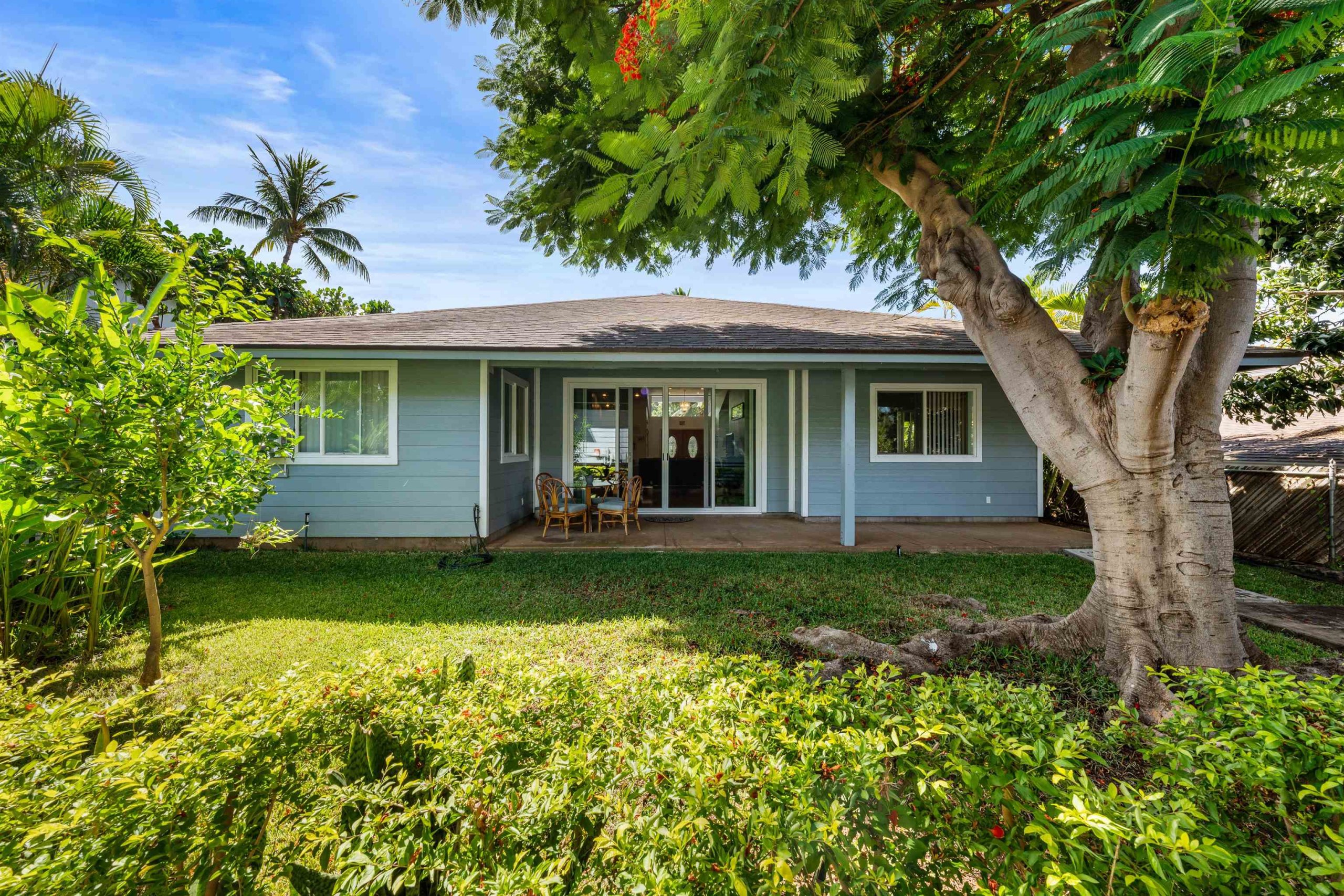
The biggest mistake mainland buyers make is not buying from afar. It is searching Hawaii real estate using assumptions that worked somewhere else. Here are the mistakes worth avoiding before you become attached to a listing.
1. Starting With the House Instead of the Island and Lifestyle
A three-bedroom home is not the same purchase everywhere in Hawaii.
Someone searching Hawaii real estate on Oahu may prioritize commuting, schools, restaurants, healthcare access, and proximity to Honolulu. A buyer exploring Maui Hawaii real estate may be weighing resort communities against quieter residential areas. Buyers researching Big Island Hawaii real estate can encounter much larger differences in rainfall, elevation, infrastructure, lava exposure, and driving distances.
Kauai real estate can appeal to buyers seeking a quieter pace and outdoor lifestyle, while Big Island real estate covers an enormous range of landscapes, elevations, climates, and communities.
That means the first question should not be:
“What can I buy for $1 million?”
A better starting point is:
“What kind of life am I trying to build, and which part of Hawaii supports it?”
Think about how frequently you need an airport, hospital, school, major grocery store, beach, hiking access, nightlife, or employment center. Then identify communities that fit those requirements before comparing individual homes.
A spectacular property becomes much less appealing when everyday life requires more driving, planning, or compromise than you expected.
2. Comparing Listings Without Checking Fee Simple vs. Leasehold
This is one of the easiest ways for an unfamiliar buyer to misunderstand Hawaii listing prices.
A property may appear dramatically cheaper than similar homes nearby because it is leasehold rather than fee simple. Hawaii real estate advertising rules specifically require a leasehold property offered for sale to be identified as leasehold, reflecting how important the distinction is for buyers.
With fee-simple ownership, the buyer generally owns the property interest indefinitely. With leasehold ownership, the buyer purchases rights under a lease for a defined term while another party retains the underlying fee interest. The lease can involve ground rent, renegotiation dates, an expiration date, and conditions affecting future use or resale.
So never compare two Hawaii listings using purchase price alone. For every leasehold property, find out:
- how many years remain on the lease;
- the current lease rent;
- when the lease rent can be renegotiated;
- what happens when the lease expires;
- whether the fee interest may be available;
- whether your lender will finance the remaining lease term; and
- how the lease could affect future resale.
A $350,000 listing is not automatically better value than a $550,000 listing when the underlying ownership structures are different.
3. Setting a Budget Based Only on Mortgage Payments
A mainland buyer may arrive with a clear maximum purchase price but no equally clear maximum monthly ownership cost. Those are not the same number. For a Hawaii property, your real budget may need to account for:
Mortgage + property taxes + homeowners insurance + hurricane coverage + flood insurance where applicable + HOA/maintenance fees + lease rent where applicable + utilities + maintenance + reserves for major repairs.
For condos, the association’s costs eventually become the owners’ costs. Insurance is particularly important right now. Hawaii enacted property-insurance measures in 2025 after rising premiums, reduced insurer availability, and broader instability created problems for condominium associations and homeowners. The state also reactivated the Hawaiʻi Hurricane Relief Fund for qualifying condominium and townhouse associations seeking hurricane commercial-property coverage.
So instead of telling your agent, “My budget is $800,000,” define two limits:
Maximum purchase price: $800,000
Maximum comfortable total monthly housing cost: $X
That second figure can prevent you from buying a property that technically fits the mortgage budget but strains your finances once the full cost of ownership appears.
4. Evaluating a Condo Without Evaluating the Association
When searching remotely, buyers naturally concentrate on what they can see: the kitchen, flooring, lanai, view, pool, and parking space.
With a condo, however, you are buying into a building and an association as well as an individual unit. Before moving forward, investigate:
- association reserves;
- maintenance-fee history;
- planned major projects;
- recent or pending assessments;
- master insurance coverage;
- building condition;
- litigation;
- rental restrictions; and
- rules covering pets, parking and renovations.
A beautiful unit in a poorly funded building can create far more problems than a dated unit in a financially healthy association.
This is also where local Hawaii real estate guidance becomes valuable. A listing tells you what is for sale. Local knowledge helps explain what living with that particular property may involve.
5. Waiting Until Escrow to Investigate Insurance
Insurance should be part of the property search, not something you investigate after falling in love with a house.
Different properties can have very different risk profiles. Location, construction, building type, flood exposure, coastal exposure, lava zone, claims history, association coverage, and other factors can affect the insurance available to a buyer.
On Hawaii Island, this becomes especially important around volcanic risk. The U.S. Geological Survey divides the island into nine lava-flow hazard zones, with Zone 1 representing the highest lava-flow hazard.
Before making an offer on a property with a potentially unusual risk profile, consider asking an insurance professional for an early indication of:
- whether the property can be insured;
- which policies may be required;
- approximate premiums;
- deductibles; and
- significant exclusions.
Financing approval means little if the property itself creates an insurance problem you did not budget for.
6. Assuming “Not Oceanfront” Means “No Environmental Risk”
Hazard research should happen at the property level, not simply by neighborhood name.
Hawaii’s Department of Land and Natural Resources maintains a Flood Hazard Assessment Tool using FEMA Digital Flood Insurance Rate Map data. Importantly, the state notes that the map does not identify every location where flooding could occur and that counties may regulate additional areas.
Depending on the island and location, your due-diligence questions may include:
- Is the parcel in or near a mapped flood zone?
- Is it within a tsunami evacuation area?
- What is the elevation?
- Is there a history of drainage problems?
- Is the property near a stream or low-lying area?
- On Hawaii Island, what is the lava-flow hazard zone?
- For coastal properties, is erosion a concern?
- Could the property’s exposure affect insurance or future improvements?
The mistake is not buying a property with environmental exposure. Many excellent homes have some form of natural-hazard exposure.
The mistake is paying for the home without understanding the exposure first.
7. Assuming You Can Turn the Property Into a Vacation Rental
This assumption can completely change the economics of a purchase. A buyer may justify a higher price by thinking:
“We’ll use the property several months a year and rent it to tourists when we’re away.”
Do not put that income into your financial model until you have verified that the use is lawful. Hawaii gave counties clearer authority in 2024 to regulate transient vacation rentals, and county rules can differ substantially.
Even when county zoning permits a rental use, a condominium declaration, HOA rule, permit requirement, or other restriction may still prevent what you intend to do.
Before relying on rental income, verify the specific property, not merely the neighborhood. You want clear answers to:
Is this use legal under current county rules?
Does the property have any required registration or permit?
Does the association allow it?
Can that permission transfer to a new owner?
Are regulations currently changing?
“Other units are on vacation-rental websites” is not adequate due diligence.
8. Overlooking Cesspools, Septic Systems, Water, and Other Infrastructure
A mainland listing search tends to treat basic infrastructure as a given. In some parts of Hawaii, it should be an explicit part of the search.
One important example is wastewater. Hawaii law requires the replacement of cesspools by 2050, subject to applicable exemptions, which means the wastewater system can have meaningful long-term implications for a property owner.
For rural or less-developed properties, investigate exactly how the home receives and handles essential services. Ask:
- Is the property connected to sewer or using septic/cesspool?
- What would an eventual wastewater upgrade involve?
- Is water municipal, private, or supplied another way?
- Is the road publicly or privately maintained?
- Who pays for road maintenance?
- Is power fully grid-connected?
- What internet options actually reach the house?
- Are there recorded easements affecting access?
These details rarely make the hero photo in a listing, yet they can have far more impact on ownership than the countertops.
9. Buying the Ocean View Without Studying the Coastal Property
Oceanfront and near-ocean homes create an obvious emotional pull. That is exactly why they deserve unemotional due diligence.
Hawaii’s own guidance for coastal-property buyers warns about hazards including storm surge, flooding, shoreline change, and other coastal processes.
A mainland buyer may focus on how close the home is to the water. A better question is what living that close to the water means over the next 10, 20, or 30 years. Research:
- shoreline history;
- erosion exposure;
- flood designation;
- insurance requirements;
- seawall or shoreline structure issues;
- permitting constraints;
- salt and moisture exposure;
- emergency evacuation considerations; and
- whether future repairs or additions could face restrictions.
The value of an ocean view should be weighed alongside the responsibility that comes with the location.
10. Choosing a Neighborhood From Vacation Experience Alone
Loving a place for seven days and living there for seven years are different tests.
Your vacation may have been centered around beaches and restaurants. Daily life involves grocery runs, school drop-offs, medical appointments, airport trips, traffic, maintenance, work, parking, weather, and errands.
Before narrowing your search, evaluate a prospective community through the routine you expect to have. If possible, experience the area:
- early in the morning;
- during normal commuting hours;
- after dark;
- on weekdays;
- during wetter or windier conditions; and
- while driving to the places you will actually use.
A location that feels “only 15 miles away” can mean something very different depending on the road, terrain, traffic, and island. Search for your ordinary Tuesday, not just your ideal Saturday.
11. Comparing Hawaii Homes to Mainland Homes
“This would cost half as much back home” may be true.
It is also rarely useful.
Housing value is local. Land supply, construction costs, zoning, infrastructure, location, climate, demand, ocean proximity, inventory, and property type are different. Instead of asking how much a Hawaii house would cost in Arizona, Texas, California, Washington, or Colorado, compare it with the most relevant nearby Hawaii properties.
The better questions are:
- What have comparable properties in this specific area sold for?
- How long do homes like this typically remain available?
- Which features create meaningful premiums here?
- What disadvantages are already reflected in the price?
A local comparison helps you understand value. A mainland comparison mostly tells you that you are no longer shopping on the mainland.
A Better Way to Search for Hawaii Homes
Instead of moving directly from listing → showing → offer, add several filters.
Filter 1: Lifestyle
Does the island, community, climate, access, and daily routine suit the way you actually plan to live?
Filter 2: Ownership
Is the property fee simple or leasehold? What exactly are you purchasing?
Filter 3: Total Cost
What will ownership realistically cost each month and each year?
Filter 4: Property and Building Health
For houses, investigate the structure, systems, permits, utilities, access, and site.
For condos, investigate both the unit and the association.
Filter 5: Risk
Check insurance, flooding, volcanic exposure where relevant, coastal conditions, wastewater, and other property-specific risks.
Filter 6: Intended Use
Confirm that your plans for renting, renovating, adding structures, keeping animals, or operating from the property are actually permitted.
A property that survives all six filters is worth getting excited about.
A Better Hawaii Home Search Starts With Better Questions
The best mainland buyers do not simply search harder. They search differently.
Start with the island and lifestyle. Then compare ownership structure, total costs, building condition, insurance, climate, regulations, access, and resale considerations.
Once a property survives those filters, the ocean view, renovated kitchen, pool, or lanai becomes a meaningful bonus rather than a distraction from the fundamentals.
Hawaii real estate can be very different from what mainland buyers are accustomed to. That does not make buying here unnecessarily complicated. It simply makes local context more important.
Frequently Asked Questions
Can mainland residents buy property in Hawaii?
Yes. Being a resident of another U.S. state does not prevent someone from purchasing conventional Hawaii real estate. Buyers should still understand the property’s ownership structure and any restrictions specific to it.
Is it safe to buy a Hawaii home without seeing it in person?
It can be done, but remote buyers should compensate with stronger due diligence, including detailed video tours, inspections, document review, neighborhood research, and local representation.
What should I check before buying a condo in Hawaii?
Review the unit and the association. Pay particular attention to maintenance fees, reserves, insurance, assessments, planned repairs, rental rules, building condition, parking, and association documents.
Which Hawaiian island is best for buying a home?
There is no universally best island. The right choice depends on budget, work, schools, healthcare needs, desired climate, outdoor interests, transportation, community preferences, and how frequently you need access to major services.

Leave your opinion here. Please be nice. Your Email address will be kept private, this form is secure and we never spam you.