Kona vs. Hilo: Which Hawaiʻi Island Market Fits Your Lifestyle?
Kona and Hilo sit on opposite sides of Hawaiʻi Island, but the difference between them goes well beyond geography.
Kona is sunnier and drier, with a lifestyle closely tied to the ocean, tourism, outdoor recreation, and West Hawaiʻi’s resort communities. Hilo is greener and wetter, with an established town center, a strong local community, older residential neighborhoods, and easy access to waterfalls, rainforest, and the island’s eastern side.
Those differences also shape real estate.
A buyer comparing the two should not simply ask where the larger or less expensive home is. Climate, elevation, commute, airport access, property maintenance, neighborhood character, and how you expect to spend an ordinary Tuesday all matter.
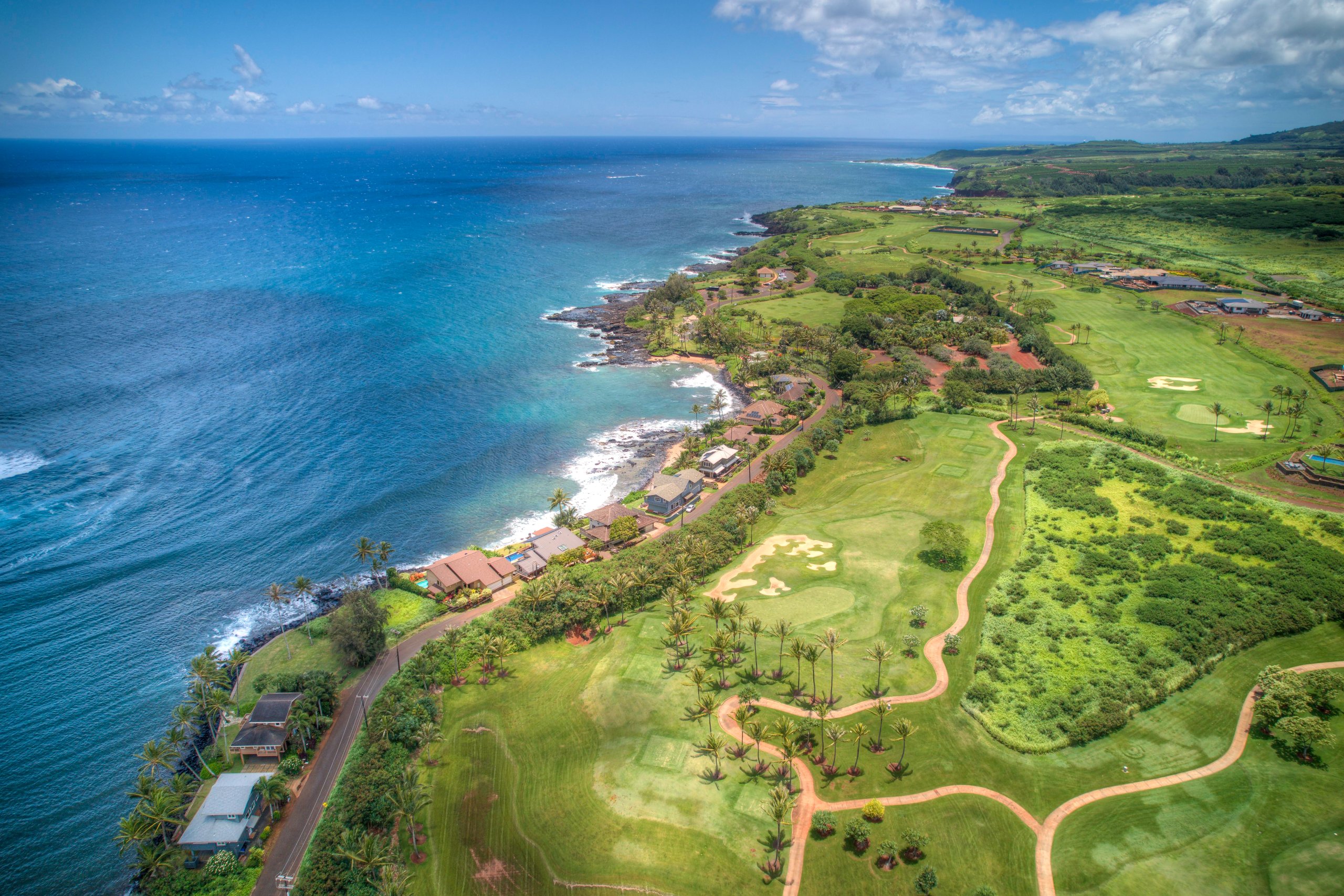
Start With Climate Because It Changes Daily Life
Hawaiʻi Island has dramatic climate differences over relatively short distances, and Kona versus Hilo is one of the clearest examples.
The Kona Coast is known for abundant sunshine and a relatively dry environment. Lower-elevation neighborhoods can feel hot and dry during the day, while properties farther upslope toward Holualoa and other mauka areas become cooler and greener.
Hilo is considerably wetter. Frequent rainfall is responsible for the lush vegetation, waterfalls, gardens, and tropical landscape that define the east side. Our guide to living in Hilo notes average annual rainfall of more than 120 inches.
Neither climate is inherently better. They simply support different routines.
Someone who wants frequent beach days, sunset evenings, and dry outdoor living may naturally lean toward Kona. A buyer who enjoys greenery, gardening, cooler cloudy days, and a tropical landscape may feel more at home in Hilo.
For real estate, climate also becomes a maintenance issue. In wetter areas, buyers should look carefully at drainage, roof condition, ventilation, moisture management, exterior materials, and vegetation around the home. In Kona, sun and heat exposure can affect roofing, paint, landscaping, and cooling costs.
Kona Puts the Ocean at the Center of the Lifestyle
Life in Kona tends to orient toward the coastline.
Aliʻi Drive, Kailua Bay, snorkeling spots, fishing, paddling, diving, and nearby beaches make the ocean part of everyday recreation rather than something reserved for weekends. Kona is also the commercial center for much of West Hawaiʻi, with substantial shopping, dining, services, and access to resort communities farther north.
The real estate reflects that demand.
Buyers searching Kailua-Kona homes, condos and land will find everything from condos near town to hillside homes with ocean views, residential subdivisions, acreage at higher elevations, and luxury properties.
Elevation deserves attention. Two Kona homes only a few miles apart can have noticeably different temperatures, rainfall, views, landscaping, and drive times because one sits close to sea level while another is well upslope.
A buyer attracted to an ocean-view home should therefore ask more than how good the sunset looks from the lanai. Consider the daily drive, road grade, temperature, trade winds, access to town, and how the home’s elevation fits your routine.
Hilo Feels More Like an Established Residential Town
Hilo offers a different type of everyday convenience.
Downtown has historic buildings, shops, restaurants, galleries, and the bayfront, while surrounding neighborhoods provide a broad mix of older homes, established subdivisions, condos, and larger residential parcels. Hilo is also home to the University of Hawaiʻi at Hilo and one of Hawaiʻi Island’s major hospitals.
That gives the market a stronger full-time residential character.
Buyers exploring Hilo homes, condos and land may find that their budget stretches differently than it does in Kona, particularly when comparing conventional single-family homes rather than resort-oriented or ocean-view properties.
But affordability should not be considered in isolation.
An older Hilo home may require closer attention to roofing, drainage, termites, moisture, electrical systems, or deferred maintenance. A large tropical yard can be an advantage for someone who loves gardening and a significant responsibility for someone looking for a lock-and-leave property.
The better question is not simply, “How much house can I get in Hilo?” It is, “What kind of house am I prepared to maintain in Hilo’s climate?”
The Market Dynamics Are Different Too
Hawaiʻi Island entered 2026 with more inventory and a slower pace of decision-making than during the most competitive years of the market. By Q2, buyers generally had more choice while pricing remained relatively stable.
But islandwide figures hide substantial differences.
West Hawaiʻi, which includes Kona and nearby luxury and resort markets, continues to command some of the island’s highest prices. In Q1 2026, the West Hawaiʻi residential submarket recorded a median sold price of about $1.306 million.
That figure should not be treated as “the price of a Kona home.” West Hawaiʻi contains very different neighborhoods and price points. It does, however, illustrate why comparing Kona directly with Hilo using islandwide averages can be misleading.
Hilo operates within a different buyer pool and housing mix. The value of an individual property is better judged using recent sales from the immediate neighborhood, property condition, lot characteristics, elevation, hazard exposure, and competing inventory.
Air Travel May Matter More Than You Expect
For buyers who travel frequently, the airport difference can become part of the decision.
Ellison Onizuka Kona International Airport is Hawaiʻi Island’s primary airport and handles both transpacific and interisland service. Hilo International Airport primarily serves interisland flights.
For someone regularly flying to and from the continental U.S., living near Kona can simplify certain trips by reducing the need for an interisland connection.
For someone whose life and work are primarily on Hawaiʻi Island, that distinction may carry much less weight.
This is a good example of why lifestyle questions matter in a property search. An airport feature that is essential to one buyer may barely influence another.
Outdoor Life Looks Different on Each Side
Both markets offer remarkable access to the outdoors, but the experience is different.
Kona tends to favor ocean-based recreation: swimming, snorkeling, paddling, diving, fishing, boating, and sunsets along the coast.
Hilo’s landscape draws you inland as well as toward the water. Waterfalls, botanical gardens, forested areas, the Hāmākua Coast, and access toward Hawaiʻi Volcanoes National Park create a greener style of outdoor living. Hilo Bay and surrounding coastline remain important to the community, but buyers expecting the same beach-oriented lifestyle as Kona may find the east side feels quite different.
That distinction is worth experiencing before purchasing.
Spend several ordinary days in each area rather than evaluating them only as vacation destinations. Grocery shop. Drive during busy periods. Visit neighborhoods in rain and sunshine. See how far you are from the places you would actually use every week.
Property Due Diligence Changes With Location
Buying anywhere on Hawaiʻi Island requires attention to the specific parcel.
Lava-hazard zones, flooding, water systems, wastewater, insurance, road access, permitting, and elevation can vary substantially across the island. Our broader guide to [Hawaiʻi Island buyer decisions in 2026] Hawaiʻi Island buyer decisions in 2026 emphasizes why lifestyle fit and property-level research matter more than relying on islandwide assumptions.
In Kona, buyers may pay particular attention to elevation, heat exposure, lava-zone classification, ocean proximity, water, and the condition of homes exposed to intense sun.
In Hilo, drainage, heavy rainfall, moisture, vegetation, flooding, roof condition, and ventilation may deserve more scrutiny.
These are not reasons to favor one market over another. They are reasons to investigate each property on its own terms.
So, Does Kona or Hilo Fit Your Lifestyle?
The decision becomes easier when you picture everyday life rather than the ideal vacation version of Hawaiʻi.
Kona may fit buyers who place greater value on sunshine, ocean recreation, direct transpacific air access, West Hawaiʻi amenities, and a larger selection of condos and ocean-view properties.
Hilo may appeal to buyers who prefer a greener environment, an established local town, more frequent rainfall, access to east-side landscapes, and a housing market that can offer different price and property options from West Hawaiʻi.
Neither side represents the entire Hawaiʻi Island experience.
That is precisely why comparing them is useful. The island is large enough that climate, housing, services, and daily routine can change dramatically from one coast to the other.
Before choosing between Kona and Hilo, decide which environment fits the life you expect to live after the excitement of buying the home wears off. That usually provides a better answer than comparing listing prices alone.
Frequently Asked Questions
Is Kona drier than Hilo?
Yes. Kona generally has a much drier and sunnier climate, while Hilo receives considerably more rainfall and has a much greener landscape.
Is Hilo real estate less expensive than Kona?
Hilo often provides different and more affordable options than many Kona and West Hawaiʻi neighborhoods, but pricing varies substantially by property, location, condition, and lot.
Which side is more convenient for mainland travel?
Kona International Airport handles transpacific as well as interisland flights, while Hilo International Airport primarily handles interisland service.
Should I visit both areas before buying?
Yes. Climate and daily lifestyle differ enough that spending time in both areas can provide information that listing photos and price comparisons cannot.

Leave your opinion here. Please be nice. Your Email address will be kept private, this form is secure and we never spam you.