What Will Drive Hawaiʻi Property Values Over the Next 10 Years?
Ten years is a long time in real estate. In Hawaiʻi, though, some of the forces shaping home prices move very slowly.
Land does not suddenly become available. A new subdivision may take years to approve. Roads, water systems, insurance markets, zoning rules, and local opposition can delay housing long after buyers begin looking for it.
That does not mean every Hawaiʻi property will become more valuable. Some homes will benefit from scarcity, while others may lose buyers because of rising insurance costs, climate exposure, building problems, or changing rental rules. The more useful question is not, “Will Hawaiʻi home prices go up?” It is, “Which properties will remain desirable, usable, and affordable to own?”
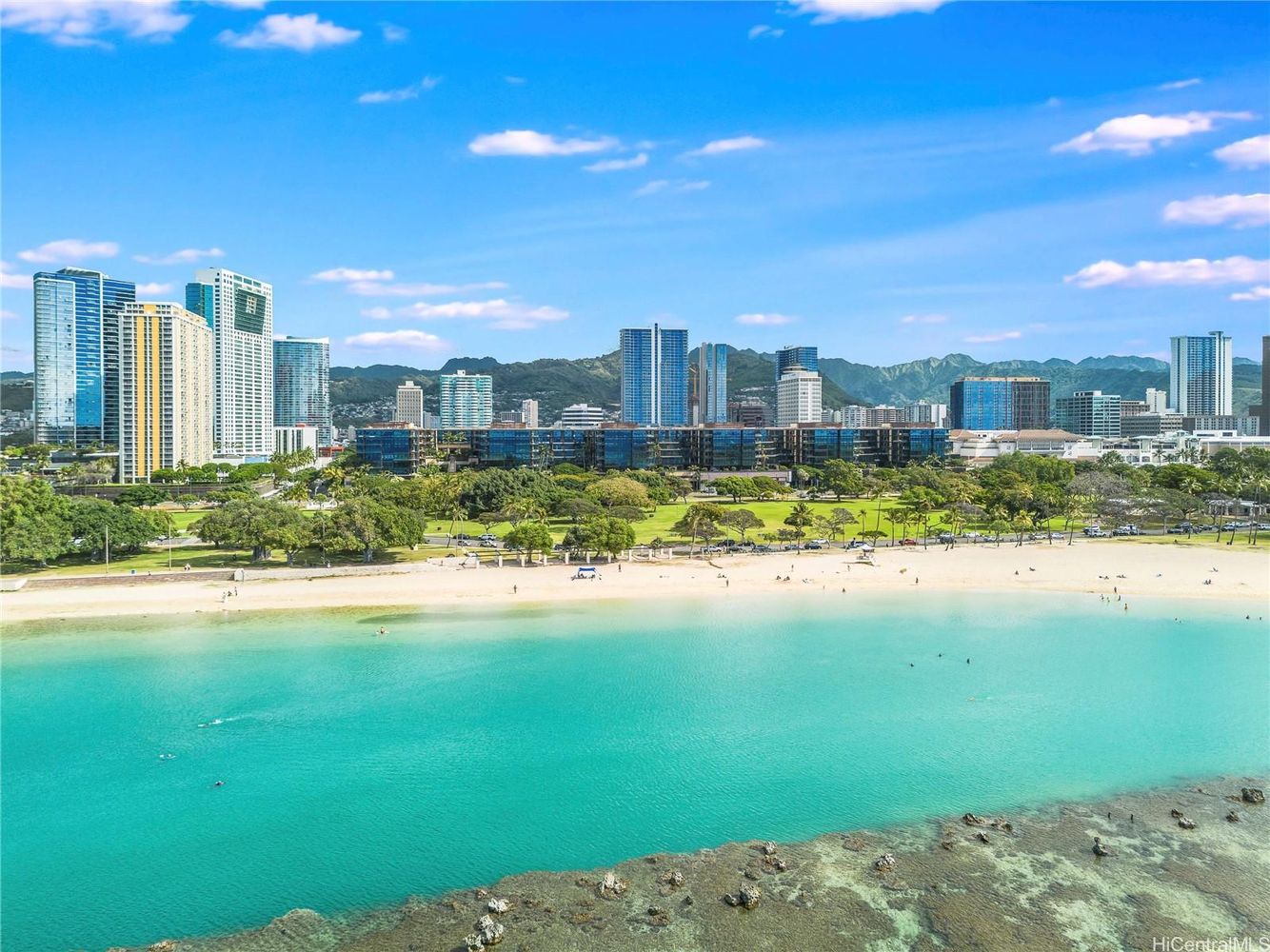
The latest Hawaiʻi Life real estate market update shows why island-wide predictions can be misleading. During the second quarter of 2026, statewide single-family prices were approximately 8% higher than a year earlier, while condo prices increased by about 3%. Sales activity, however, varied considerably between islands and property types. Here are the factors most likely to decide where property values go next.
Limited Housing Supply Will Remain the Starting Point
Hawaiʻi cannot build outward in every direction like a mainland metro area. Mountains, shorelines, conservation districts, agricultural land, lava zones, infrastructure limits, and zoning restrictions reduce the amount of land that can realistically support housing. Even when land is available, construction is rarely quick.
According to UHERO’s 2026 Hawaiʻi Housing Factbook, the median processing time for a single-family permit issued in 2025 was 127 days in Hawaiʻi County, 186 days in Maui County, and 309 days on Kauaʻi. Honolulu permits issued during the first half of 2025 had taken a median of 394 days.
Long approval periods do more than frustrate builders. They add financing, labor, design, and holding costs. Those expenses eventually appear in the price of the finished home. If permitting becomes faster and more housing is built near jobs and services, price growth could become less severe. If construction continues to fall behind demand, existing homes will remain difficult to replace.
Hawaiʻi May Need Nearly 33,000 More Homes by 2035
The state’s 2025–2035 housing-demand study provides a useful measure of the challenge. Under the average of its two population-growth scenarios, Hawaiʻi may need 32,970 additional housing units between 2025 and 2035. The estimated county-level demand is:
- 18,737 units in Honolulu County
- 6,665 units in Hawaiʻi County
- 5,138 units in Maui County
- 2,429 units in Kauaʻi County
These are demand estimates, not guaranteed construction targets. The report also notes that policy changes, housing costs, income shifts, and other market conditions could alter the final numbers.
Still, the basic point is hard to ignore. Hawaiʻi needs thousands of homes, and completing them will be difficult. Areas that add housing, utilities, schools, roads, and commercial services may attract more full-time residents. Areas that block nearly all development may preserve scarcity, but they may also become increasingly unaffordable for local workers.
Population Movement Will Matter More Than Population Growth Alone
Hawaiʻi’s population does not need to rise quickly for property values to remain high.
From 2020 to 2025, the state’s population declined at an average rate of about 0.3% per year. Honolulu and Maui counties lost residents, while Hawaiʻi County grew and Kauaʻi County remained relatively stable. Honolulu County still held 69% of the state’s population in 2025.
At first, population loss may sound negative for real estate. The picture is more complicated.
A household leaving Hawaiʻi does not always create an affordable home for another resident. The property may be purchased as a second home, converted into a vacation property where permitted, or sold to someone with substantially greater purchasing power.
The next decade will therefore depend partly on who stays, who leaves, and who arrives. A healthy market needs more than wealthy buyers. It also needs teachers, nurses, contractors, hospitality employees, small-business owners, and young families who can afford to live near their work.
Interest Rates Will Control How Much Buyers Can Pay
Scarcity supports prices, but financing determines what a buyer can actually afford.
A lower mortgage rate can bring buyers back into the market even when listing prices remain high. A prolonged period of expensive borrowing can have the opposite effect. Homes may sit longer, sellers may need to negotiate, and buyers may choose smaller properties or less famous neighborhoods.
UHERO found that Hawaiʻi’s median single-family price rose only 1% in 2025, while the median condo price declined by 2%. Existing-home values were essentially flat during the year. High HOA fees and insurance costs continued to weaken condo affordability.
This is an important reminder: limited supply does not make the market immune to high monthly payments.
Buyers looking ten years ahead should study the full ownership cost, not just the asking price.
Insurance Could Create a New Divide Between Properties
Insurance is quickly becoming one of the biggest differences between an attractive property and a difficult one.
Following major disasters and rising rebuilding costs, Hawaiʻi property owners have faced higher premiums, fewer coverage options, and stricter underwriting. Some condominium associations have also increased monthly fees or introduced special assessments.
The state passed Act 296 in 2025 to help stabilize the property-insurance market. The law reactivated the Hawaiʻi Hurricane Relief Fund and supported new financing tools for condominium repairs.
These measures may help, but buyers will still look closely at building condition.
A well-maintained property with a newer roof, reliable electrical systems, adequate reserves, documented repairs, and obtainable insurance may command a stronger price. A similar-looking property with deferred maintenance and an underfunded association may face a discount.
This issue could be particularly important for the hawaii real estate oahu condo market, where buyers often compare the sale price with HOA dues, special assessments, hurricane coverage, and the condition of an entire building.
Climate Risk Will Be Priced More Carefully
Ocean views will not stop being valuable. Buyers may simply become more selective about how much risk comes with them.
Over the next ten years, flood zones, erosion, wildfire exposure, lava zones, drainage, wind resistance, water access, and emergency routes are likely to play a larger role in property comparisons.
A coastal house with repeated flooding problems may not perform like another coastal home with better elevation and protection. A rural property on Hawaiʻi Island may offer more land but could be harder to finance or insure because of its lava zone, access road, water system, or distance from emergency services.
Resilience will become part of value.
Features such as defensible space, improved drainage, upgraded roofing, fire-resistant materials, backup power, efficient cooling, and properly maintained water systems may make a property easier to own and easier to sell.
Short-Term Rental Rules Will Reshape Some Markets
A home’s value can change quickly when its legal use changes.
Vacation-rental income has supported demand in some resort markets, but county rules are not fixed forever. Permits, zoning, enforcement, minimum stays, taxation, and eligible rental areas may all change over the next decade. That creates two very different types of property:
- A home that remains valuable as a residence even without nightly rental income
- A home whose purchase price only makes sense if short-term renting continues
The second carries far more policy risk. Buyers considering big island hawaii real estate should confirm that a property’s zoning and approvals match their intended use. Properties with secure, transferable rental permissions may become more valuable if new permits remain limited. Properties facing uncertain rules may experience the opposite.
Infrastructure Will Separate Practical Homes From Difficult Ones
A beautiful property is not always an easy property to live in.
Road access, traffic, schools, medical care, airports, broadband, electricity, wastewater systems, water supply, and nearby employment all affect buyer demand.
This is where island-level differences become important.
Oʻahu
The Oʻahu real estate market will continue to be shaped by employment concentration, urban redevelopment, rail-connected communities, condominium construction, and the shortage of single-family homes near Honolulu.
Prices may not climb in a straight line, but the island’s limited supply and concentration of jobs support long-term demand. Hawaiʻi Life’s review of Oʻahu real estate in 2026 describes the market as one of recalibration rather than collapse.
Hawaiʻi Island
The big island hawaii real estate market offers more land and a lower island-wide median price than Oʻahu, Maui, or Kauaʻi. Yet the Big Island is not one market.
Kona, Hilo, Waimea, Puna, Kaʻū, and the Kohala Coast have different climates, services, risks, and buyer pools. Road quality, lava zones, catchment systems, insurance, and medical access can create large value differences between properties that appear close on a map.
Maui
The future of maui hawaii real estate will be closely tied to rebuilding, insurance, tourism, water availability, and short-term rental policy.
Homes near daily services may attract a wider buyer pool than properties that depend mainly on resort demand. Progress in Lahaina will also affect housing supply, employment, infrastructure, and buyer confidence across West Maui.
Kauaʻi
The kauai hawaii real estate market is likely to remain highly supply constrained. Slow permitting, limited infrastructure, resort demand, and a small island inventory make rapid housing expansion unlikely. However, practical communities near Līhuʻe, Puhi, Kapaʻa, and other employment centers may perform differently from luxury and vacation-driven areas
Molokaʻi and Lānaʻi
The molokai hawaii real estate and lanai hawaii real estate markets are much smaller.
A handful of sales can move the reported median price sharply, so island-wide statistics should be treated carefully. Employment, shipping costs, healthcare, utility access, available financing, and inter-island transportation may matter more than broad statewide trends.
What Kind of Property May Hold Its Value Best?
The strongest property over the next decade may not be the biggest home or the one closest to the water. It may be the home that future buyers can understand and comfortably own. That usually means:
- A location near services and employment
- Manageable insurance and maintenance costs
- Clear zoning and legal-use rights
- Reliable roads, utilities, and water
- No major unresolved building problems
- Lower exposure to flooding, fire, erosion, or lava
- A layout that works for full-time living
- Strong appeal beyond one narrow group of buyers
Hawaiʻi Life’s discussion of Hawaiʻi real estate as a long-term investment makes a similar point. Scarcity and lifestyle demand can support appreciation, but they do not rescue a poorly chosen property with expensive problems.
Final Outlook
Hawaiʻi will probably remain one of the country’s most supply-constrained property markets. That alone may continue to support values.
But the next ten years are unlikely to reward every property equally. The gap may widen between homes that are resilient, insurable, well located, and practical to own, and those burdened by climate exposure, deferred maintenance, uncertain rental rights, or rising monthly costs.
Buyers should not try to guess the exact value of a property in 2036. A better approach is to ask whether the home will still make sense to the next person who considers buying it. In Hawaiʻi, long-term value will come from more than scarcity. It will come from scarcity combined with usability, resilience, legal certainty, and a location people can realistically call home.

Leave your opinion here. Please be nice. Your Email address will be kept private, this form is secure and we never spam you.