Let me begin by saying that Diana Ricciutti and Jill Lawrence are truly the bee’s knees.
For those not as old as me, the expression, “the bee’s knees” became popular in the 1920s and means someone or something exceptional—the very best. In this case, it also happens to be quite literal.
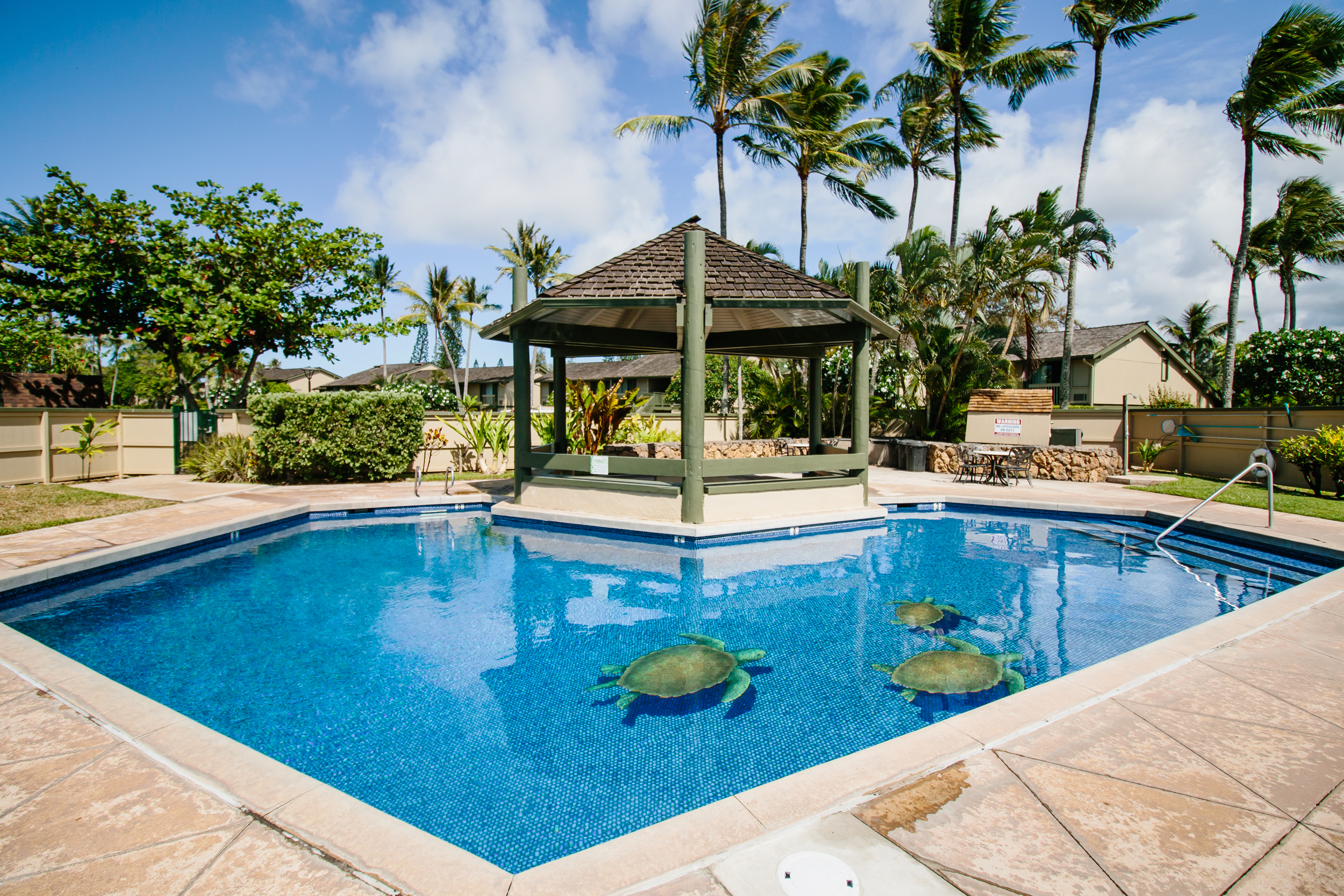
We own a vacation rental at Kuilima West in the beautiful Turtle Bay Resort. Recently bees began swarming inside the unit. Not exactly the kind of welcome we had in mind.

It turns out there was an enormous beehive hidden behind the wall of the bedroom closet. And when I say enormous, I mean this was not a starter home. These bees had built themselves a very established piece of North Shore real estate.
Thankfully, we had the right people in place.
Diana and Jill immediately began coordinating with Amber Finau, the resident manager at Kuilima West, who was a tremendous help throughout the process. This is where the value of good property management becomes very real. When something unexpected happens—especially when you aren’t nearby—you need people who communicate well, act quickly and know whom to call. Diana, Jill and Amber handled every moving part beautifully.
They brought in Honey Girl Live Bee Removal, a locally owned and operated, woman-owned Hawaiʻi company with more than eight years of experience safely removing live honeybees.
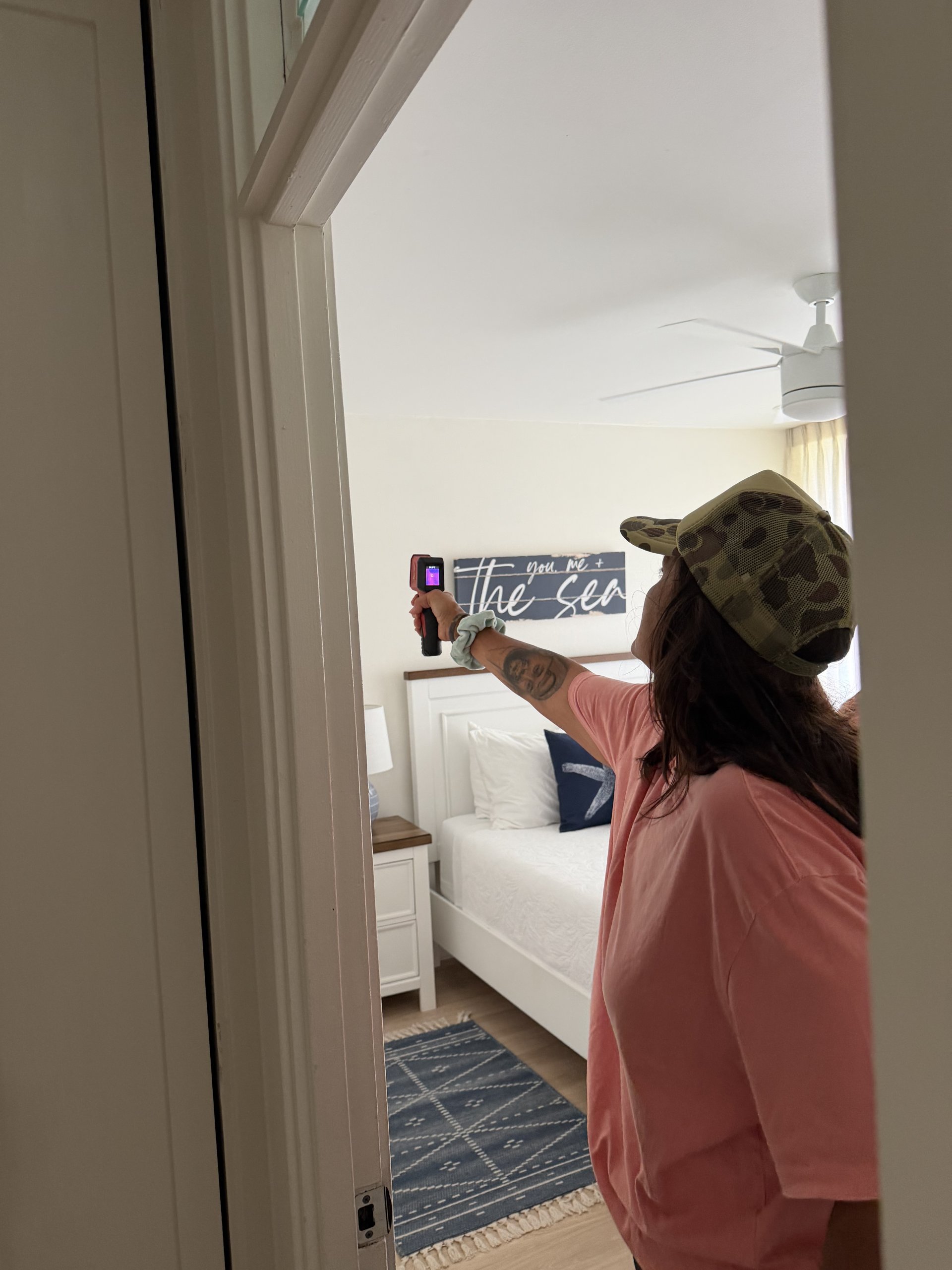
The first challenge was finding the hive without unnecessarily opening the entire wall. Honey Girl used a thermal-imaging camera, which detects the heat produced by the colony behind the drywall. The inspection is best done early in the morning or later at night, when most of the bees have returned to the hive and are gathered together. That creates a clearer heat signature—and avoids trying to locate a colony while half of its residents are out running errands.
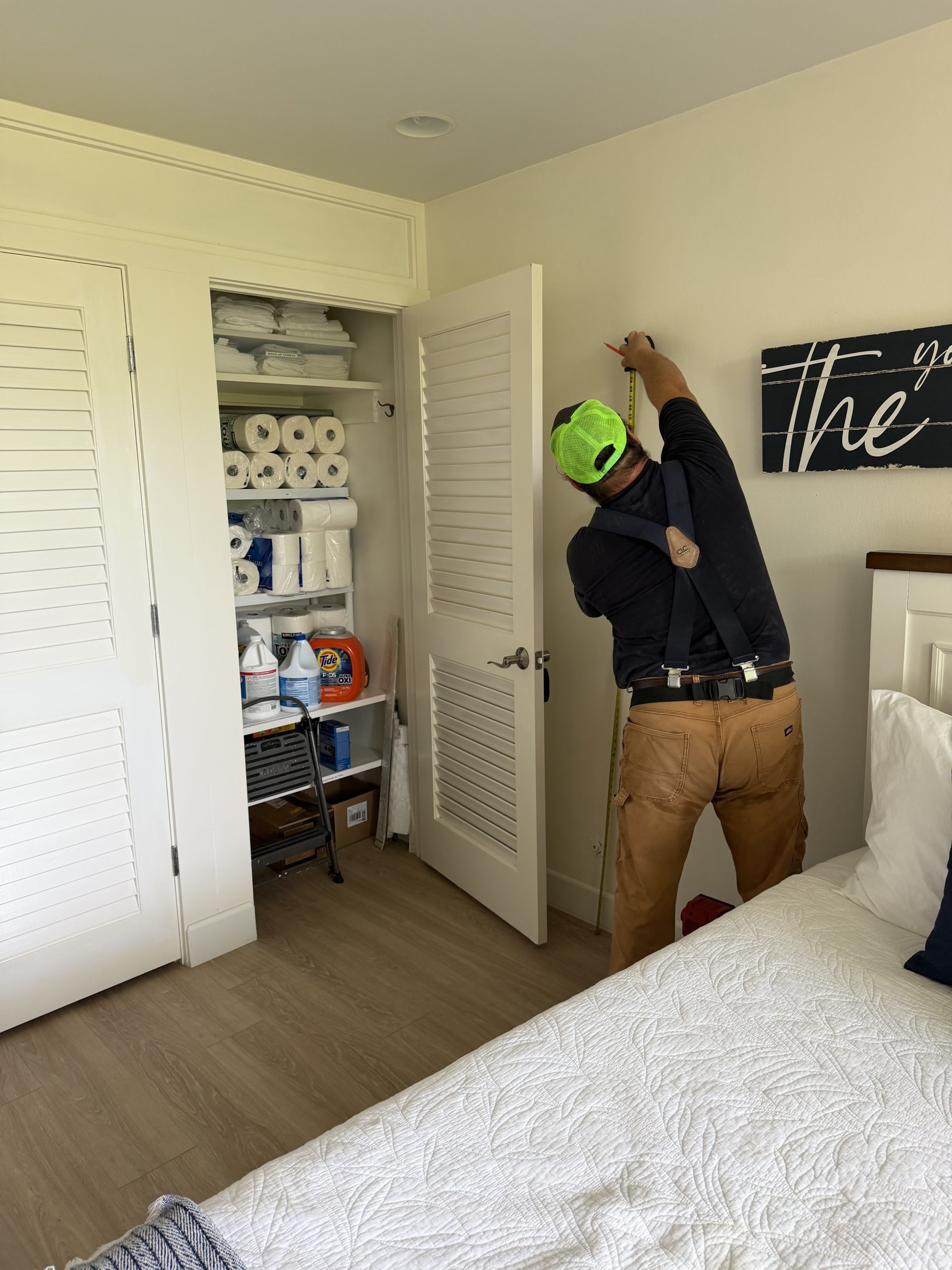
Once the hive was located, Samuel of Campi’s Handyman was there to carefully open the drywall and give Honey Girl access. It was a great example of how these situations require both skill and coordination. The bee specialist needed to determine exactly where to enter, and Samuel needed to open the wall carefully and be ready for whatever was waiting on the other side.
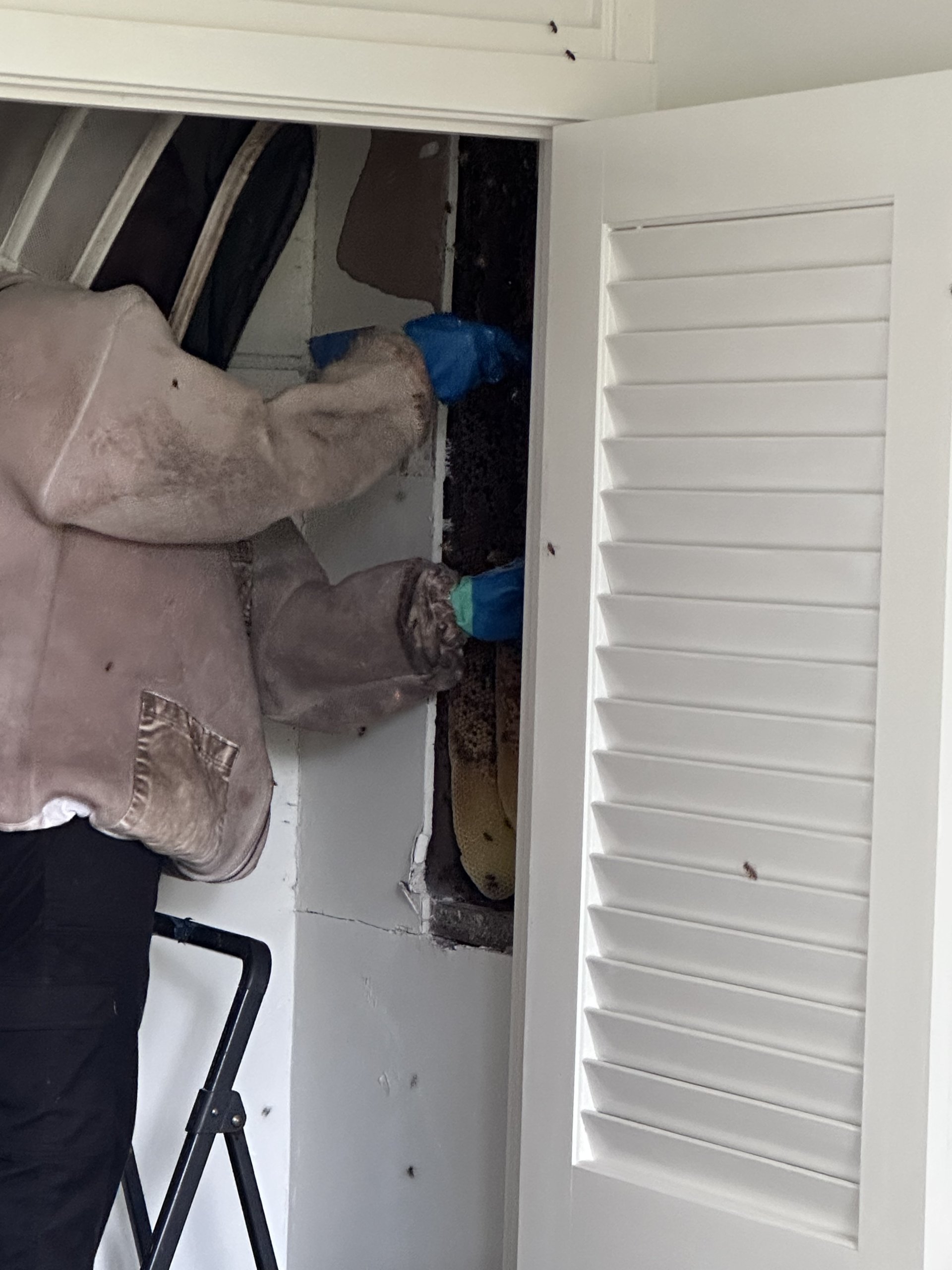
What was waiting was a very large hive.
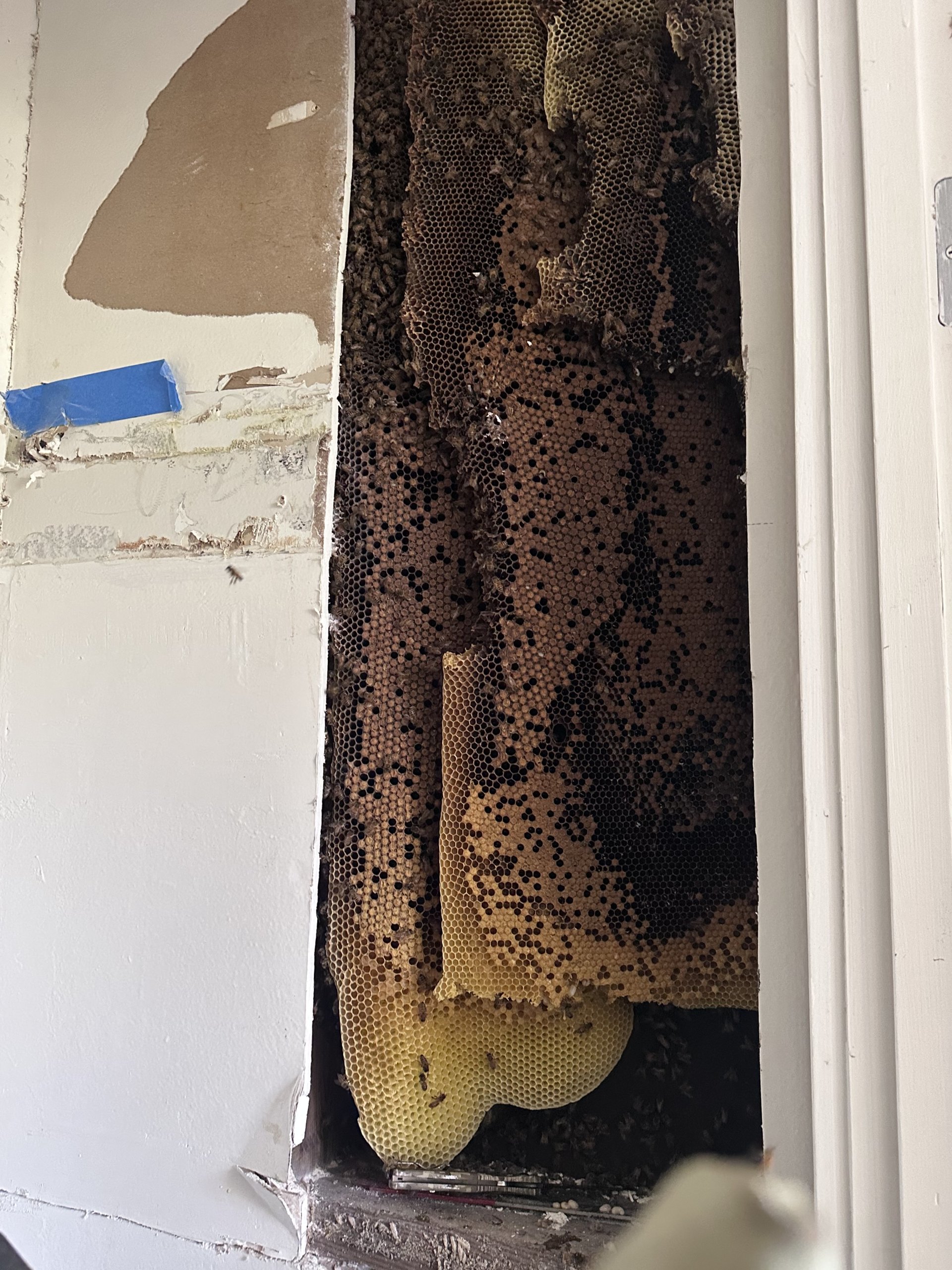
The removal process is much more involved than simply vacuuming up a few bees. The comb must be carefully removed, including the honey, wax and brood. Leaving pieces behind can attract other bees, ants and pests—and the scent of an old colony may encourage a new swarm to move into the same space.
Finding and safely securing the queen is also an important part of a successful live removal. The queen is the center of the colony. Once she is placed safely into a hive box, the other bees are much more likely to gather around her, allowing the colony to be relocated together rather than destroyed.
The bees and their hive were carefully removed and moved to a more appropriate habitat where they could continue doing what bees do best—just not from inside our bedroom closet.
How did they get there in the first place? Bees can enter through surprisingly small openings around siding, vents, rooflines or utility penetrations. Once scout bees discover a protected wall cavity, it can look like prime real estate: sheltered from rain, wind and predators, with plenty of room to build. Over time, a small colony can become a very large one without anyone inside realizing what is happening.
That is why sealing the original entry point after removal is so important. Removing the bees solves the immediate problem; removing the comb, cleaning the cavity and closing the access point help prevent the next colony from moving in.
As inconvenient as this was, I’m grateful the bees were removed alive. Honeybees are important pollinators, supporting many of the plants and crops that feed us. Here in Hawaiʻi, they help pollinate crops including coffee, macadamia nuts, and lychee. They may not belong inside a vacation rental, but they certainly have an important place in the world.
There are lessons in almost every property-management adventure, and this one came with wings.
First, strange activity around a wall, vent or roofline should not be ignored. Second, live removal is safer for the bees, better for the environment and often better for the property because the entire hive is properly addressed. And finally, the quality of your property managers matters. A lot.
Anyone can manage a property when everything is going smoothly. The real test comes when bees are swarming through a vacation rental and an enormous hive is discovered behind the drywall.
Diana and Jill responded quickly, kept everyone informed, coordinated Amber, Honey Girl and Samuel, and made sure the job was handled correctly from beginning to end.

And that brings me right back to where I started: Diana Ricciutti and Jill Lawrence really are the bee’s knees.

Leave your opinion here. Please be nice. Your Email address will be kept private, this form is secure and we never spam you.