Hawaii real estate can be a strong long-term investment, but only when the buyer understands what kind of investment it really is. In most cases, Hawaii performs better as a long-term appreciation, wealth-preservation, and lifestyle-driven asset than as a fast cash-flow play. That distinction matters. A buyer looking for quick rental yield may be disappointed. A buyer willing to hold for years in a supply-constrained market may see a very different outcome.
The short answer is yes, Hawaii real estate can be a strong long-term investment. But it is not automatically a good investment just because it is in Hawaii. The real answer depends on where you buy, what you buy, how you plan to use it, and how realistic your numbers are on holding costs, rental rules, and resale risk.
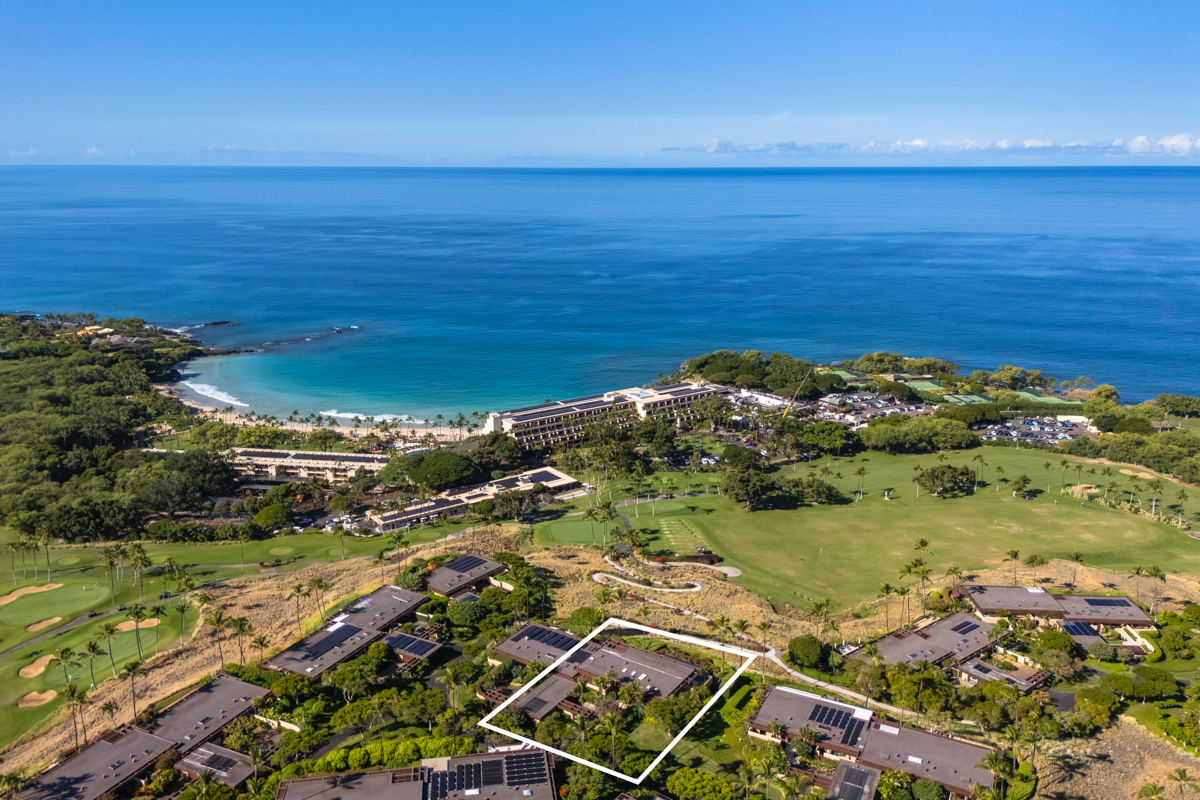
Why Hawaii Has a Real Long-Term Investment Case
The biggest reason Hawaii holds long-term appeal is simple: supply stays tight. The 2024 Hawaiʻi Housing Planning Study estimates the state needs 64,490 additional housing units by 2027. That is a major shortage, and it helps explain why prices tend to stay elevated even when sales volume cools. At the same time, DBEDT expects Hawaii’s population to stay flat in 2026 and only inch up after that, which tells you something important: the pressure on housing is not just about rapid population growth. It is also about limited supply, slow development timelines, and a market where adding inventory is difficult.
Hawaii also benefits from durable demand drivers. Tourism remains a major economic engine, and DBEDT projects visitor arrivals to rise to about 9.725 million in 2026, with visitor spending reaching about $22.4 billion. The same forecast expects Hawaii’s real GDP to grow 1.7% in 2026, personal income to rise 4.4%, and unemployment to stay low at 2.6%. That does not mean every property will perform well, but it does support the idea that Hawaii still has strong long-term demand tied to jobs, income, travel, and lifestyle appeal.
Then there is the price history. FHFA’s 2025 Q4 data shows Hawaii home prices were up 39.8% over five years at the state level, while Urban Honolulu was up 34.62% over five years. That is meaningful long-term appreciation. At the same time, the same FHFA data shows the one-year change was softer: Hawaii was down 0.35% statewide, while Urban Honolulu was up only 0.44%. That is a useful reminder that Hawaii can be a strong long-term hold without being a smooth short-term trade.
What the Market Is Telling Buyers Right Now
If you want a current reality check, Oahu is a good place to start. The Honolulu Board of REALTORS® shows April 2026 median sales prices at $1,150,000 for single-family homes and $500,000 for condos. Those numbers show both the strength and the challenge of Hawaii real estate. Values remain high, which supports the long-term scarcity story. But the barrier to entry is also high, which means your financing, reserves, and monthly carrying costs matter a lot more here than in cheaper mainland markets.
That is why Hawaii should not be viewed as a simple “buy anything and wait” market. Long-term success usually comes from buying the right asset with enough margin for taxes, insurance, HOA dues, maintenance, vacancy, and repairs. Buyers who only look at headline appreciation often miss the real math.
Where Hawaii Works Best as an Investment
Hawaii tends to work best for buyers in a few specific situations.
1. Buyers With a Long Hold Period
Hawaii is usually stronger over seven, ten, or fifteen years than over the next twelve months. The recent FHFA numbers show why. You may see modest short-term movement or even slight pullbacks, but long-run appreciation has still been meaningful. Investors who need immediate performance often get frustrated. Buyers who can hold through cycles are usually better positioned.
2. Buyers Focused on Scarcity and Asset Quality
Not every Hawaii property benefits equally from the state’s supply imbalance. Stronger long-term buys are usually properties with durable demand drivers such as good location, limited future competing supply, access to employment centers, beach or view appeal, or broad resale appeal. A mediocre unit in a weak building does not become a great investment just because it has a Hawaii address.
3. Buyers Who Do Not Need Aggressive Short-Term Rental Income
This is a major point. Hawaii’s short-term rental environment is not something buyers should treat casually. Maui County announced final approval of Bill 9 in December 2025, phasing out transient vacation rental uses in apartment zoning districts within the next three to five years. Hawaii County also regulates short-term vacation rentals under its ordinance framework. In other words, rental rules vary by county and can materially affect value, occupancy assumptions, and exit strategy.
A property that only works if vacation-rental income stays unrestricted is a risky buy. A property that still makes sense as a long-term hold, second home, or conventional rental is far safer.
Where Buyers Get This Wrong
A lot of Hawaii buyers make the same mistakes.
The first mistake is confusing a beautiful place with a good investment. Hawaii is attractive, but attractiveness alone does not produce returns. The property still has to make sense at the purchase price.
The second mistake is relying too heavily on short-term rental income. County rules can change. Enforcement can change. Community pressure can change. If your whole investment thesis depends on nightly rental income with no backup plan, your risk is too high.
The third mistake is ignoring property-specific costs. In Hawaii, a buyer can easily underestimate insurance, HOA fees, special assessments, deferred maintenance, aging building systems, and the real cost of managing property from off-island.
The fourth mistake is buying with too short a timeline. If you may need to sell in two or three years, Hawaii becomes a much tougher bet. The recent FHFA data makes that clear. Long-term strength does not guarantee short-term appreciation.
The Real Question: What Kind of Return Are You Looking For?
This is where many buyers need to slow down.
If your goal is strong monthly cash flow from day one, Hawaii often disappoints. Prices are high, financing costs matter, and many properties will not produce exciting cap rates after real expenses.
If your goal is long-term appreciation, limited land supply, strong lifestyle demand, and owning a hard-to-replace asset in a globally recognized market, Hawaii looks much stronger.
If your goal is a mix of personal use and long-term wealth preservation, Hawaii can make even more sense. For some buyers, part of the return is financial and part is lifestyle. That does not make it a bad investment. It just means the investment case should be honest.
A Smarter Way to Evaluate a Hawaii Property
Before buying, use a stricter filter than you would in a cheaper market.
Ask these questions first
- Does this property still make sense without short-term rental income?
- How long can I hold it if the market stays flat for a while?
- Are the HOA, reserves, and maintenance history strong enough?
- Is the property fee simple or leasehold, and do I fully understand the difference?
- What does insurance, flood, fire, or storm exposure look like?
- If I need to resell, who is the next likely buyer?
Those questions matter because Hawaii rewards disciplined buyers more than emotional buyers.
So, Is Hawaii Real Estate a Strong Long-Term Investment?
Yes, it can be.
Hawaii has real long-term strengths: severe supply constraints, durable lifestyle appeal, continued tourism and economic support, and a history of meaningful appreciation over longer periods. The state still faces a housing shortage of more than 64,000 units by 2027, and recent FHFA data shows substantial five-year home price growth even after short-term cooling.
But Hawaii is not a forgiving market for buyers who get lazy with due diligence. Entry prices are high. County rental rules matter. Property-level costs matter. Short-term market performance can flatten out even while the long-term story remains intact. Oahu’s April 2026 median prices alone show that buyers need to be financially prepared before treating Hawaii as an investment market.
The strongest conclusion is this: Hawaii real estate is usually a better long-term investment for patient, well-capitalized buyers than for investors chasing quick returns. Buy the right property, in the right location, for the right reason, and Hawaii can be a very strong hold. Buy based on hype, unrealistic rental assumptions, or a short exit window, and it can become an expensive lesson.

Leave your opinion here. Please be nice. Your Email address will be kept private, this form is secure and we never spam you.