Moving to Hawaiʻi can change your life in ways that are hard to fully understand until you experience daily life there.
The ocean feels closer. The weather becomes part of your routine. The pace can feel slower. Your relationship with work, money, space, community, and home may shift. For some people, the move brings more peace, better outdoor living, and a stronger connection to nature. For others, the cost of living, housing pressure, distance from family, and island logistics can feel more difficult than expected.
That is why moving to Hawaiʻi should not be treated like an extended vacation. It is a serious lifestyle decision.
If you are looking at Hawaii property for sale, Big Island Hawaii real estate, Big Island property for sale, or Big Island land for sale, your quality of life should be part of the conversation from the beginning.
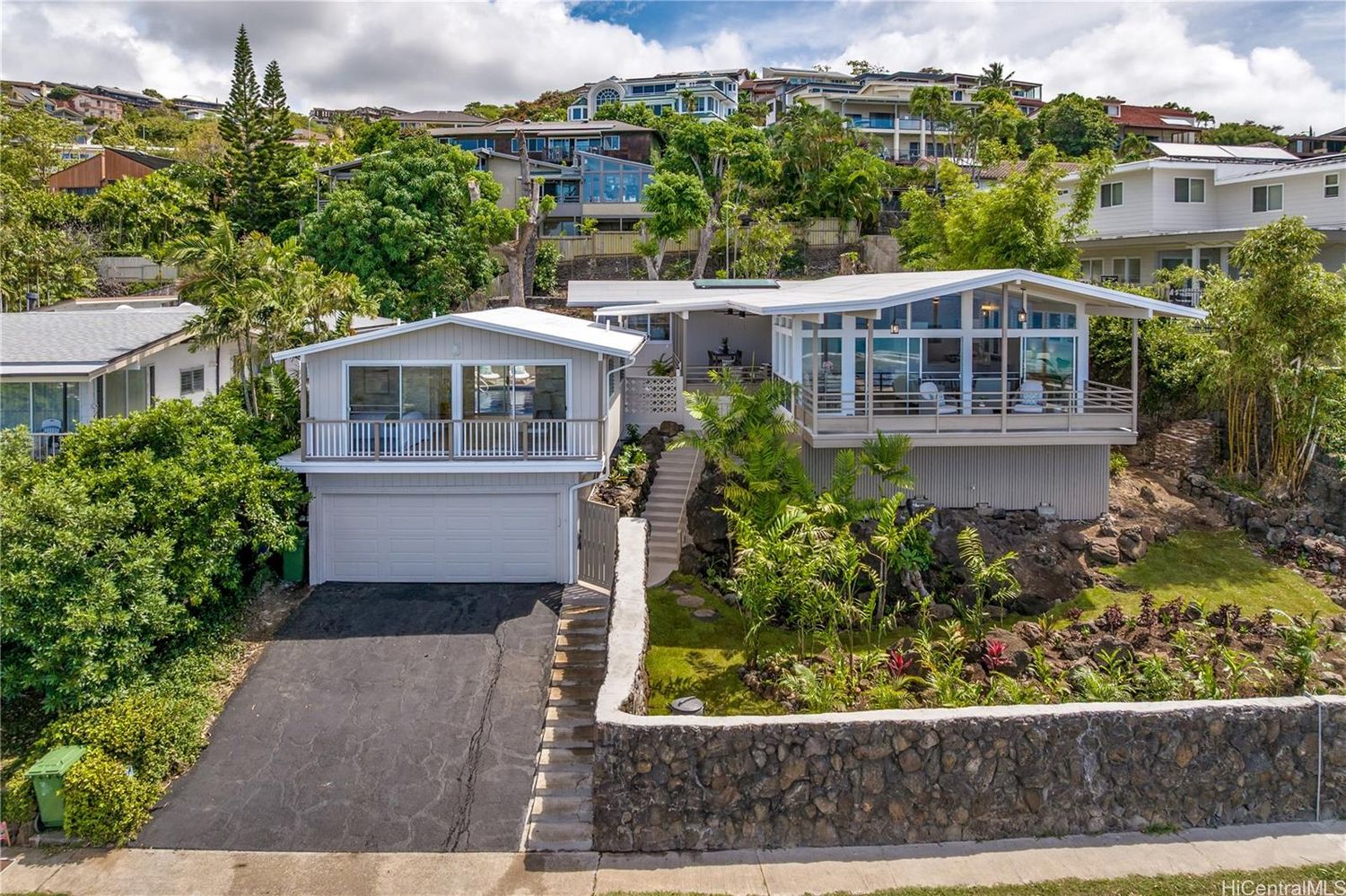
Moving To Hawaiʻi Can Change How You Spend Your Days
One of the first things people notice in Hawaiʻi is how much daily life happens outdoors.
You may spend more time walking, swimming, gardening, hiking, sitting on the lanai, or simply being outside. The weather, ocean, mountains, rain, trade winds, and sunsets become part of your normal routine.
This is one reason outdoor living matters so much in Hawaiʻi real estate. A home is not only judged by its interior. Buyers often care about the lanai, yard, view, airflow, shade, and outdoor comfort just as much as the kitchen or bedrooms.
According to the U.S. Bureau of Economic Analysis, outdoor recreation made up 6.1% of Hawaiʻi’s state GDP in 2024. That was the highest share among all U.S. states and Washington, D.C. This shows how strongly outdoor life is connected to Hawaiʻi’s economy and lifestyle.
Your Home Priorities May Change
After moving to Hawaiʻi, many people realize they value different things in a home.
- A large interior may matter less than a shaded lanai.
- A luxury finish may matter less than airflow and privacy.
- A big yard may matter less than low maintenance.
- A quiet location may matter more than being near nightlife.
- A view may become part of how the home feels every day.
This is especially true on the Big Island, where each area offers a different way of living.
Kailua-Kona may appeal to people who want dry weather, ocean views, sunsets, and outdoor dining. Hilo may appeal to people who enjoy greenery, rain, and a lush environment. Waimea may attract buyers who prefer cooler air, open land, and a quieter pace. Puna may attract people looking for privacy, land, and a more rural lifestyle.
That is why buyers should not judge Big Island Hawaii real estate only by photos. The location, elevation, rainfall, road access, wind, yard condition, and distance from services can all affect daily life.
Your Stress Level May Improve, But Not Automatically
Many people move to Hawaiʻi hoping for a calmer life. In some ways, that can happen.
Warm weather, ocean access, outdoor routines, and a slower rhythm can help people feel more grounded. Daily life may feel less rushed if you are willing to adjust to island pace instead of trying to force a mainland routine.
But Hawaiʻi can also bring new kinds of stress.
Housing is expensive. Groceries can cost more. Shipping can take longer. Some services are limited depending on where you live. Flights to visit family can be costly. Healthcare access may be more limited in rural areas. Work opportunities may also be different from what people expect.
The 2025 UHERO Housing Factbook reported that high home prices and mortgage rates have made homeownership unaffordable for many Hawaiʻi residents. This is one of the biggest quality-of-life factors to consider before moving.
Hawaiʻi may bring more peace, but the financial side needs to make sense.
Your Health Habits May Become More Active
Hawaiʻi can make healthy habits feel easier because the environment encourages movement.
- You may walk more.
- You may swim more.
- You may spend more time in the sun.
- You may garden, hike, paddle, surf, or do more outdoor activities.
- You may eat more fresh fruit, local produce, and simpler meals.
The Centers for Disease Control and Prevention reported that Hawaiʻi had the highest life expectancy at birth among the 50 states and Washington, D.C. in 2022, at 80.0 years.
That does not mean moving to Hawaiʻi automatically makes someone healthier. Health depends on income, habits, healthcare access, stress, family support, and many other factors. But the environment can support a more active lifestyle if you use it well.
Your Relationship With Money Will Probably Change
Moving to Hawaiʻi often makes people more careful with money.
Many residents become more intentional about what they buy, what they keep, and how they spend. Some people cook at home more often. Some grow food. Some buy fewer unnecessary items. Some learn to repair and reuse things because shipping and replacement costs can be higher.
Housing is usually the biggest issue.
A May 2026 statewide real estate report from Locations Hawaii listed Hawaiʻi’s median single-family home sale price at $995,000 and the median condo sale price at $528,500.
That kind of market changes what “comfortable” means. A budget that works well in another state may feel tight in Hawaiʻi.
Before moving, it is important to compare:
- Rent or mortgage payment
- Property taxes
- Home insurance
- Groceries
- Utilities
- Gas
- Car maintenance
- Flights
- Healthcare access
- School costs
- Emergency savings
- Home repairs
For retirees, remote workers, families, and investors, this step is especially important. Quality of life depends on more than scenery. It depends on whether the monthly numbers are realistic.
Your Sense Of Community May Become More Important
Hawaiʻi is not just a beautiful place. It is home to people, families, traditions, and communities with deep roots.
Newcomers often adjust better when they arrive with respect, patience, and humility. Quality of life improves when people make an effort to understand local culture, support local businesses, respect neighborhoods, and build real relationships.
This matters because Hawaiʻi is not a place to treat only as a lifestyle product. It is a place with history, land, culture, and community.
People who listen, contribute, and move thoughtfully often feel more connected over time. People who arrive expecting everything to work like the mainland may struggle more.
Your Work Life May Shift
Moving to Hawaiʻi can change your work life too.
Some people move with remote jobs and keep mainland income. That can make the transition easier, but time zones may be difficult. Early morning calls, mainland business hours, and limited separation between work and home can become challenges.
Others look for local jobs after moving. In that case, income expectations may need to be adjusted. Jobs in hospitality, healthcare, education, construction, real estate, agriculture, and service industries may be available, but wages and career paths may differ from mainland markets.
Business owners also need to think carefully. Commercial real estate Hawaii opportunities can exist, but success depends on location, zoning, parking, local demand, tourism patterns, staffing, and operating costs.
A business that works well on the mainland may need a different model in Hawaiʻi.
Your Idea Of Convenience May Change
Hawaiʻi can offer a beautiful lifestyle, but it is not always convenient.
- Some items are more expensive.
- Some deliveries take longer.
- Some repairs require waiting.
- Some medical specialists may not be nearby.
- Some products may not be available on island.
- Some services may be limited in rural areas.
This can be a major adjustment, especially for people moving from large mainland cities.
On the Big Island, location makes a big difference. Living near Kailua-Kona or Hilo may offer better access to shopping, airports, healthcare, and restaurants. Living in a more rural area may offer more privacy and land, but it may also mean longer drives and fewer nearby services.
That is why buyers should think about daily logistics, not just the property itself.
Your Housing Search May Become More Practical
Before moving, many buyers imagine a dream home. After researching the market, they often become more practical.
They start asking better questions:
- Is the location convenient enough?
- Is the home easy to maintain?
- Is the yard too much work?
- Is the lanai usable?
- Is the area too rainy, too dry, or too windy?
- How far is the nearest hospital or grocery store?
- Is the property in a lava zone?
- Can the land actually be built on?
- Is the home suitable for long-term living, not just vacation use?
These questions are especially important for anyone looking at Big Island land for sale, Big Island property for sale, luxury real estate Hawaii, or Big Island Hawaii rentals.
A beautiful property may not support the lifestyle you want if the location or maintenance needs do not fit your daily routine.
Your Connection To Home May Feel Different
In Hawaiʻi, home can become more than a place to sleep.
- It may become where family gathers outside.
- Where you grow food.
- Where you watch the weather change.
- Where you slow down after work.
- Where you feel closer to nature.
- Where you think more carefully about land, privacy, and legacy.
This is one reason homeownership in Hawaiʻi can feel deeply emotional. For many people, it is not only about investment value. It is about creating a stable place for family, retirement, community, and long-term belonging.
That emotional value is real, but it should still be balanced with practical planning.
Moving To Hawaiʻi Can Improve Life, But It Requires Honesty
Hawaiʻi can offer a better quality of life for the right person, in the right location, with the right financial plan.
It can bring more outdoor time, more beauty, more calm, and a stronger sense of place. It can also bring higher costs, fewer conveniences, housing pressure, and distance from family or familiar support systems.
The people who adjust best usually do not move blindly. They visit more than once. They compare neighborhoods. They study housing costs. They understand the local market. They respect the culture. They think about healthcare, work, transportation, schools, and long-term affordability.
That kind of preparation makes the move more realistic.
Final Thoughts
Moving to Hawaiʻi can change your quality of life in many ways.
It can change how you spend your mornings, how you think about home, how often you go outside, how you manage money, how you connect with community, and how you define comfort.
But Hawaiʻi is not automatically easier. It is different.
If you are searching for Hawaii property for sale, Big Island Hawaii real estate, Big Island property for sale, Big Island land for sale, Big Island Hawaii rentals, luxury real estate Hawaii, or commercial real estate Hawaii, do not only ask whether the property looks beautiful.
Ask whether your daily life will actually work there.
In Hawaiʻi, quality of life is not only about the view. It is about whether the place supports the way you want to live every day.

Steven Ortel
July 23, 2026
Excellent article on moving to Big Island. Thank you
We enjoy renting May thru October at Vista Waikoloa.
We dive two or three times a week with Puako Dive Adventures.