Can You Legally Rent Out an Unpermitted Home on the Big Island of Hawaiʻi?
If you’ve spent any time looking at real estate in Puna on the Big Island, you’ve probably noticed something rather unusual: There are a LOT of unpermitted homes!
From Hawaiian Acres and Orchidland Estates to Hawaiian Paradise Park, Fern Forest, Eden Roc, and other rural subdivisions, unpermitted houses, cabins, tiny homes, and off-grid dwellings are fairly common.
Some are beautifully constructed, with solar power, rainwater catchment systems, full kitchens, bathrooms, and all the comforts of a traditional home. Others are more rustic, built over the years without a single building permit.
And with the demand for affordable housing and long-term rentals here on the Big Island, property owners often ask me:
“If I own an unpermitted home, why can’t I just rent it out? After all, people live in these houses all the time!”
It’s a fair question. But here’s the important distinction: Just because a structure is being lived in doesn’t mean it has been legally approved as a residential dwelling.
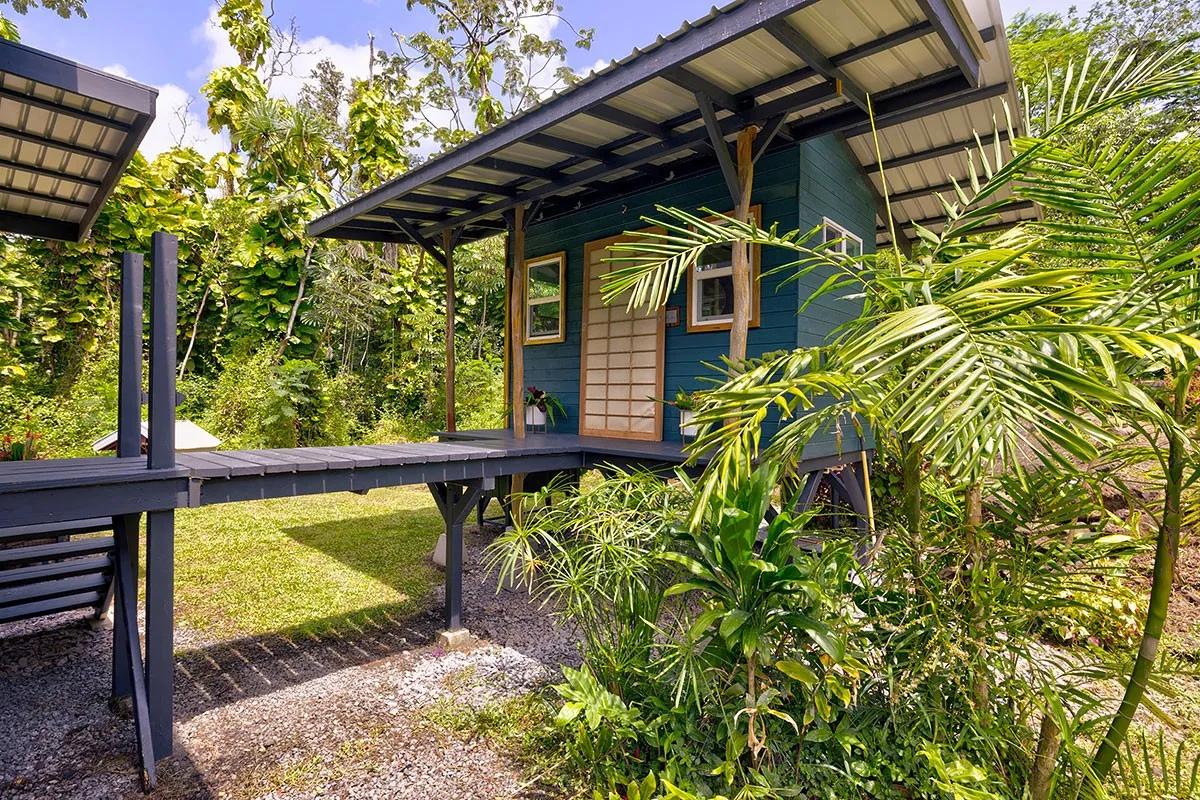
1. Hawaiʻi County Has Building Codes for a Reason
The County of Hawaiʻi has established building, electrical, plumbing, and residential construction requirements designed to protect the health and safety of occupants.
Under Chapters 5 and 5B of the Hawaiʻi County Code, residential construction generally requires the appropriate permits, inspections, and approvals, unless a specific exemption applies.
These requirements address important safety issues, including:
Electrical wiring and fire hazards
Plumbing and wastewater disposal
Structural integrity, foundations, and roofing
Safe entrances, exits, and emergency access
Sanitation, ventilation, and other health concerns
When an entire home has been constructed without the required permits, the County has not verified that the structure meets the standards applicable to a legal dwelling.
Renting that structure to someone else does not make it legal. An owner who rents an unauthorized dwelling can expose themselves to code enforcement and other legal liabilities.
2. What About a Certificate of Occupancy?
Here’s something that causes confusion, even among real estate professionals.
Hawaiʻi County generally does not issue Certificates of Occupancy for ordinary single-family homes classified as Group R-3. Those homes are expressly exempted from the County’s certificate-of-occupancy requirement.
However, this does NOT mean a single-family home is exempt from building permits, inspections, or applicable final approvals.
A legal residential structure must still satisfy the requirements that apply to its construction and use.
In other words, the absence of a Certificate of Occupancy is not necessarily a problem. The absence of required permits and approvals can be.
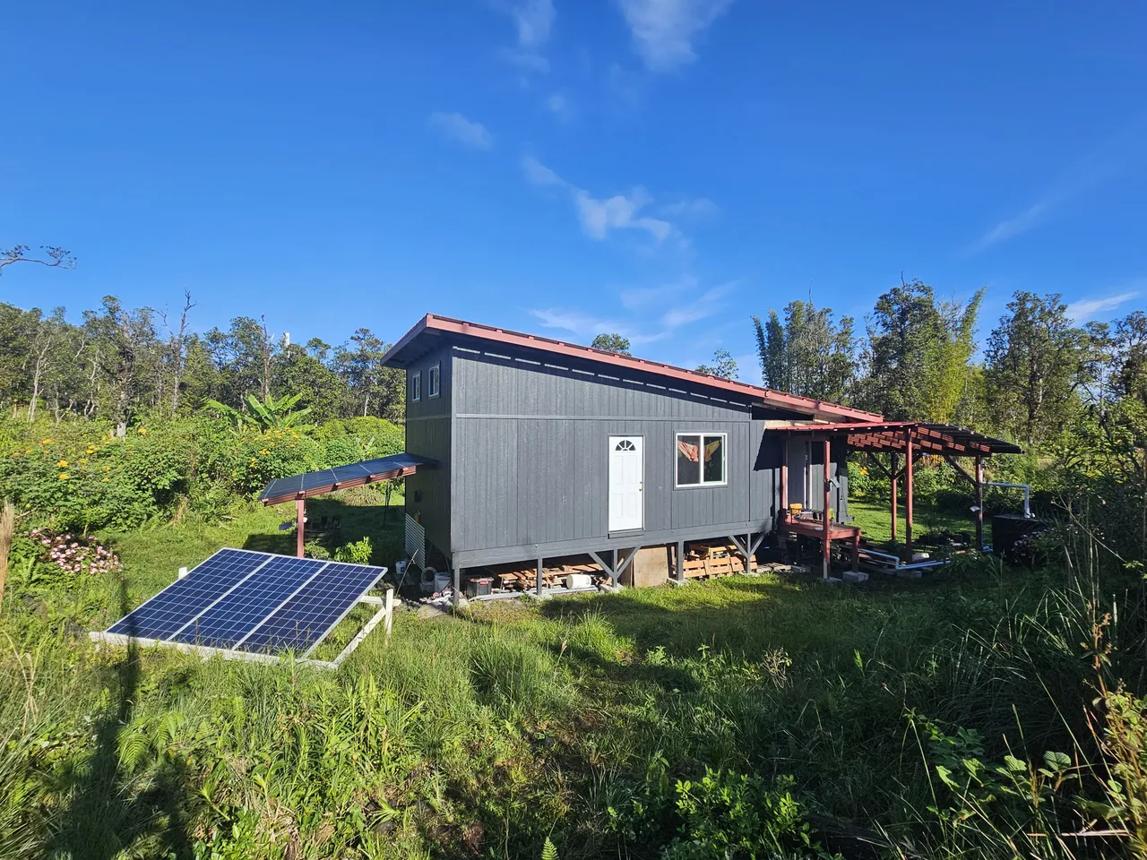
3. “But I’ve Been Renting My Unpermitted House for Years!”
This is probably the most common argument I hear.
Some property owners have been renting out unpermitted structures for years without receiving a complaint or a visit from the County Building Division.
That doesn’t automatically make the rental lawful.
There is a big difference between a property that has not been investigated and a property that has been legally approved.
Potential problems may arise when:
A tenant files a complaint with the County.
A fire, injury, or serious property damage occurs.
A dispute develops between the landlord and tenant.
An insurance company investigates a claim.
A buyer discovers the unpermitted construction during a future sale.
The fact that a tenant willingly signed a lease, knew the structure was unpermitted, or agreed to rent it “as is” does not override building and safety laws.
And a landlord cannot simply avoid responsibility by placing a disclaimer in the rental agreement.
4. Insurance Could Become a Very Expensive Problem
Imagine this scenario.
You own an unpermitted cottage on three acres in Hawaiian Acres. You rent it to a tenant for $1,500 per month.
Everything goes smoothly until an electrical fire damages the structure and the tenant’s personal belongings.
Now the questions begin.
Was the electrical system installed under permit? Was the dwelling disclosed to the insurance company? Was the property insured for rental use? Does the policy cover the particular structure and loss?
Depending on the policy terms and circumstances, the insurer may deny or limit coverage.
And if someone is injured, the owner could face substantial personal liability.
Collecting monthly rent is simply not worth exposing yourself to a potentially devastating financial loss.
Even if an insurance company agrees to insure an unpermitted structure, that policy does not constitute County approval of the building or its residential use.
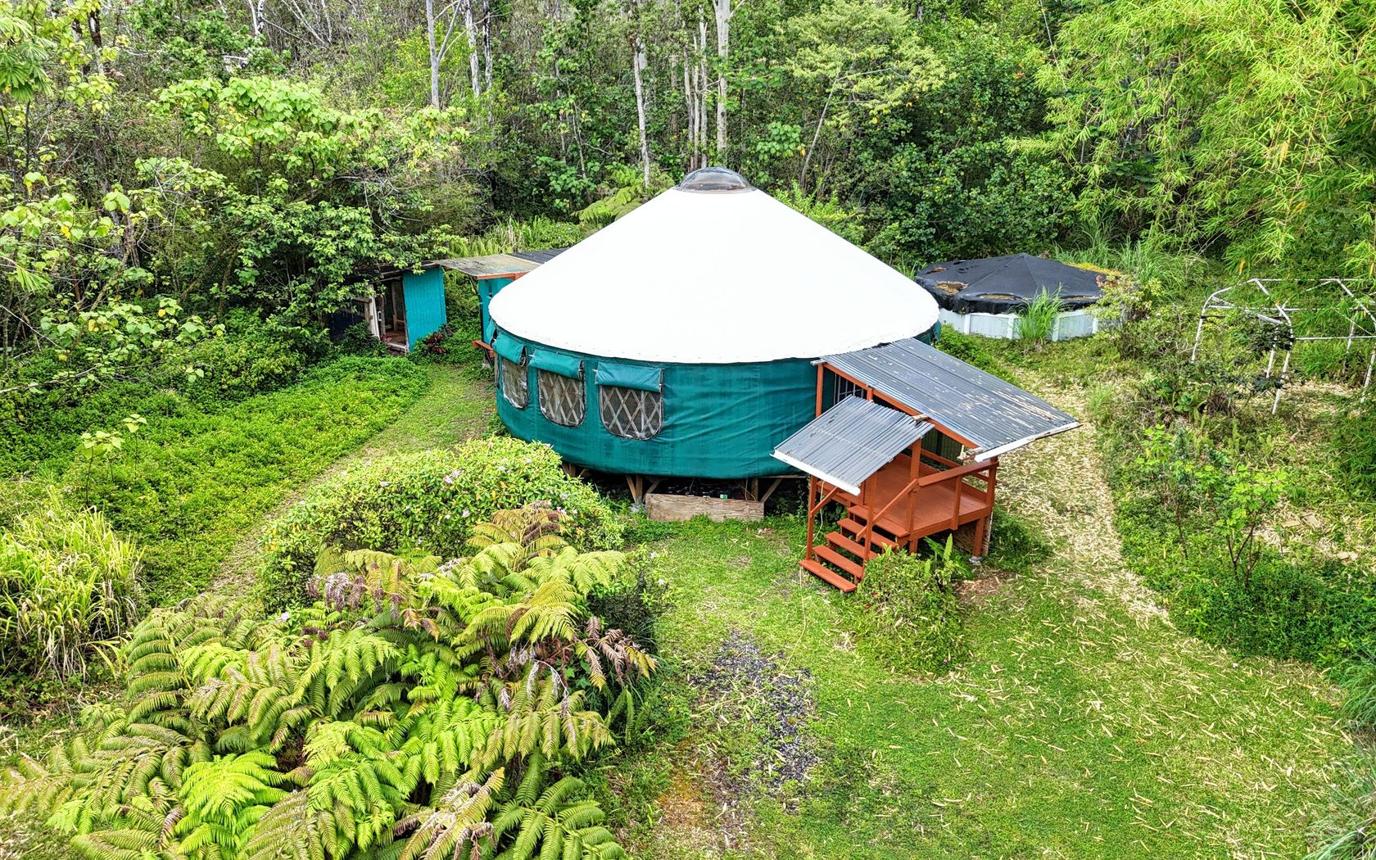
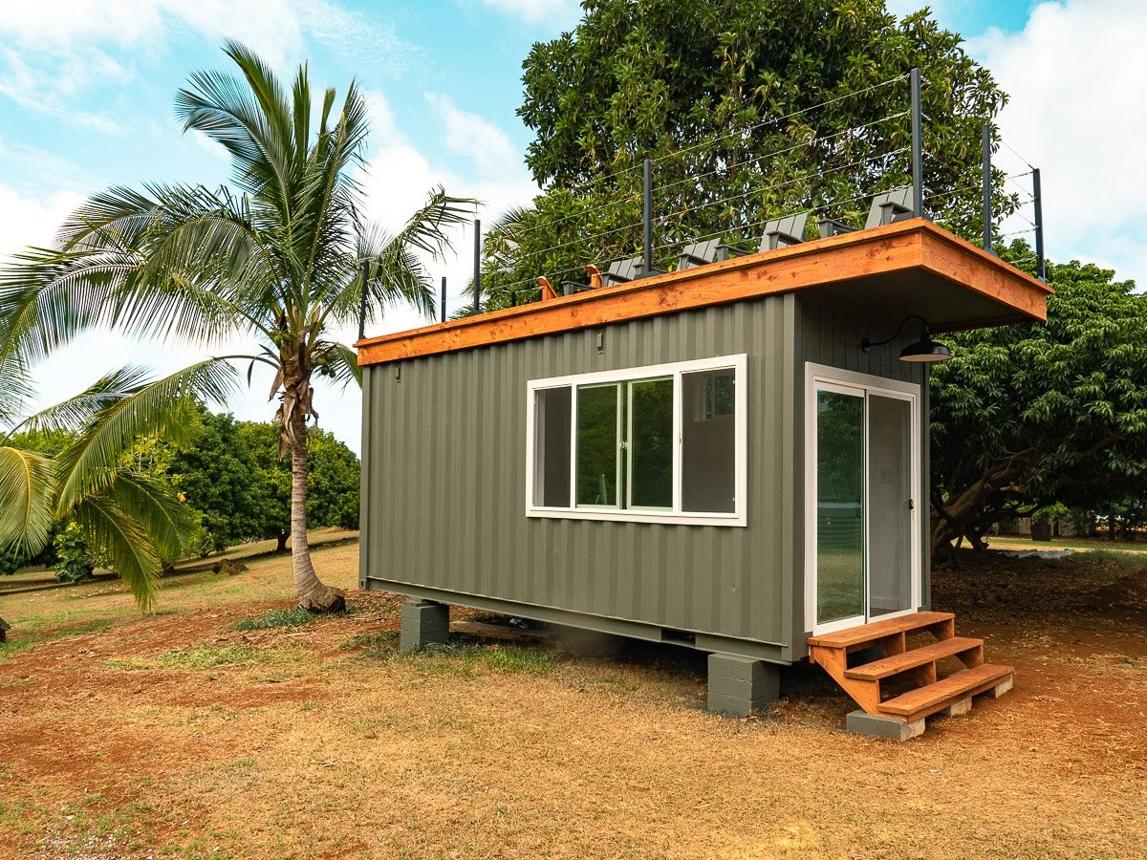
5. What About Tiny Homes, Yurts, Shipping Containers, and Off-Grid Cabins?
Here in Puna, we see just about every imaginable type of alternative housing.
Tiny homes, yurts, converted shipping containers, cabins, and other unconventional structures have become popular because they can be less expensive than traditional construction.
But here’s the catch.
Calling something a tiny home, agricultural shed, or temporary structure does not automatically exempt it from building regulations.
If the structure is being used as a residence, the County may require permits and compliance with applicable residential, zoning, sanitation, and other requirements.
The same applies to off-grid living. Solar electricity and rainwater catchment are common here, but being off-grid does not eliminate the need to comply with applicable construction regulations.
A structure approved as a storage shed or agricultural building is not necessarily approved for someone to live in.
And charging rent for that structure creates additional legal and financial concerns.
6. The County Can Issue Violations and Significant Fines
This is where things can become particularly expensive.
Under Section 5-10-1 of the Hawaiʻi County Code, using or occupying a building in violation of applicable construction codes is itself a violation.
Section 5-10-2 gives the County authority to issue notices of violation, require corrections, and impose civil penalties.
Potential Country Code Enforcement Penalties
- $1,000 – Maximum specified civil fine per violation order
- $1,000/day – Maximum specified daily civil fine for continuing violations
These are authorized maximums, not automatic fines. Actual enforcement depends on the violation and County action.
For unsafe buildings, the County may also order that a structure be vacated until necessary repairs and approvals are completed.
Imagine having tenants living in your unpermitted home when the County determines that the building cannot continue to be occupied.
You could suddenly find yourself dealing with lost rental income, expensive construction work, tenant disputes, and possible legal action.
That’s a headache no property owner wants!
7. There Is a Difference Between an Entirely Unpermitted Home and Unpermitted Improvements
Not all unpermitted situations are the same.
A legally permitted home with an unpermitted addition is different from a house that was constructed entirely without required permits.
For example, a permitted three-bedroom home with an unpermitted covered lanai may still be usable as a residence, although the unpermitted improvement needs to be evaluated.
However, an unpermitted garage conversion being rented as a separate apartment presents an entirely different situation.
The important question is whether the particular space being rented has been legally authorized for residential use.
Property owners should verify the building’s permit history and approved use before offering it for rent.
8. Can an Unpermitted Home Be Made Legal?
Possibly!
Hawaiʻi County has procedures for applying for permits for certain structures that were built without permits, commonly referred to as as-built permitting.
Depending on the circumstances, an owner may need architectural plans, licensed electrical and plumbing contractors, inspections, corrections, and other approvals.
Some structures can be brought into compliance. Others may require substantial modifications, and some may not qualify for approval in their existing condition.
The best place to begin is with the Hawaiʻi County Building Division to determine what permits and corrections would be required.
9. What Does This Mean for Buyers Purchasing Unpermitted Homes?
As a Realtor who has worked on the Big Island since 2003, I’ve seen plenty of unpermitted properties, especially in the Puna District.
Some buyers are perfectly comfortable purchasing an unpermitted home for their own use, understanding the risks, financing limitations, and possible costs of future improvements.
But purchasing one with the intention of generating rental income is a different matter.
If you’re considering buying an unpermitted home as an investment property, don’t assume you’ll be able to legally rent it simply because it has a kitchen, bathroom, electricity, and a roof.
Before purchasing, investigate the property’s permit history, legal residential use, insurability, and any outstanding County violations.
And remember: A cash purchase doesn’t eliminate building code requirements.
My Final Thoughts
I understand why unpermitted homes are so common here on the Big Island.
Construction costs are high, affordable housing is in short supply, and many people have created wonderful homes through hard work, creativity, and resourcefulness.
I’m certainly not suggesting that every unpermitted home is poorly constructed or unsafe. I’ve seen some beautifully built unpermitted homes and some rather questionable permitted ones!
However, there is a legal distinction between owning an unpermitted structure and offering that structure to the public as a rental residence.
The bottom line: An entirely unpermitted dwelling that lacks required residential approvals generally cannot lawfully be rented as a home in Hawaiʻi County. A lease agreement, a willing tenant, or years of prior rental activity do not legalize a building-code violation.
Before turning an unpermitted home into a rental property, take the time to verify its legal status with the County. It could save you thousands of dollars and a tremendous amount of frustration down the road.
If you’re considering buying or selling property in Hawaiian Acres, Orchidland Estates, Hawaiian Paradise Park, or anywhere in the Puna District, I’m always happy to share my local real estate knowledge and experience.
Aloha,
Lisa Heaviside Realtor Associate | Hawaiʻi Life Licensed Realtor on the Big Island since 2003 Puna Resident & Local Real Estate Specialist

Leave your opinion here. Please be nice. Your Email address will be kept private, this form is secure and we never spam you.