What Buyers and Sellers Should Expect From Hawaiʻi’s Fall Real Estate Market
Fall can bring a change of pace to Hawaiʻi real estate, but it does not create one market across all the islands. Conditions vary by location, price range, and property type. A condo may face different competition from a single-family home nearby, and activity on Oʻahu may not reflect what buyers and sellers are seeing on Maui, Kauaʻi, or Hawaiʻi Island.
The latest available September 2026 data illustrate that variation. Statewide, the median single-family home price was $1,027,000, up 0.2% year over year, while sales declined 7.9%. The condo median was $540,000, up 1.9%, while sales declined 6.7%. On Oʻahu, single-family sales rose 6.2% year over year, while condo sales fell 8.1%. These numbers offer context, but they cannot determine the value or likely sale time of an individual property.
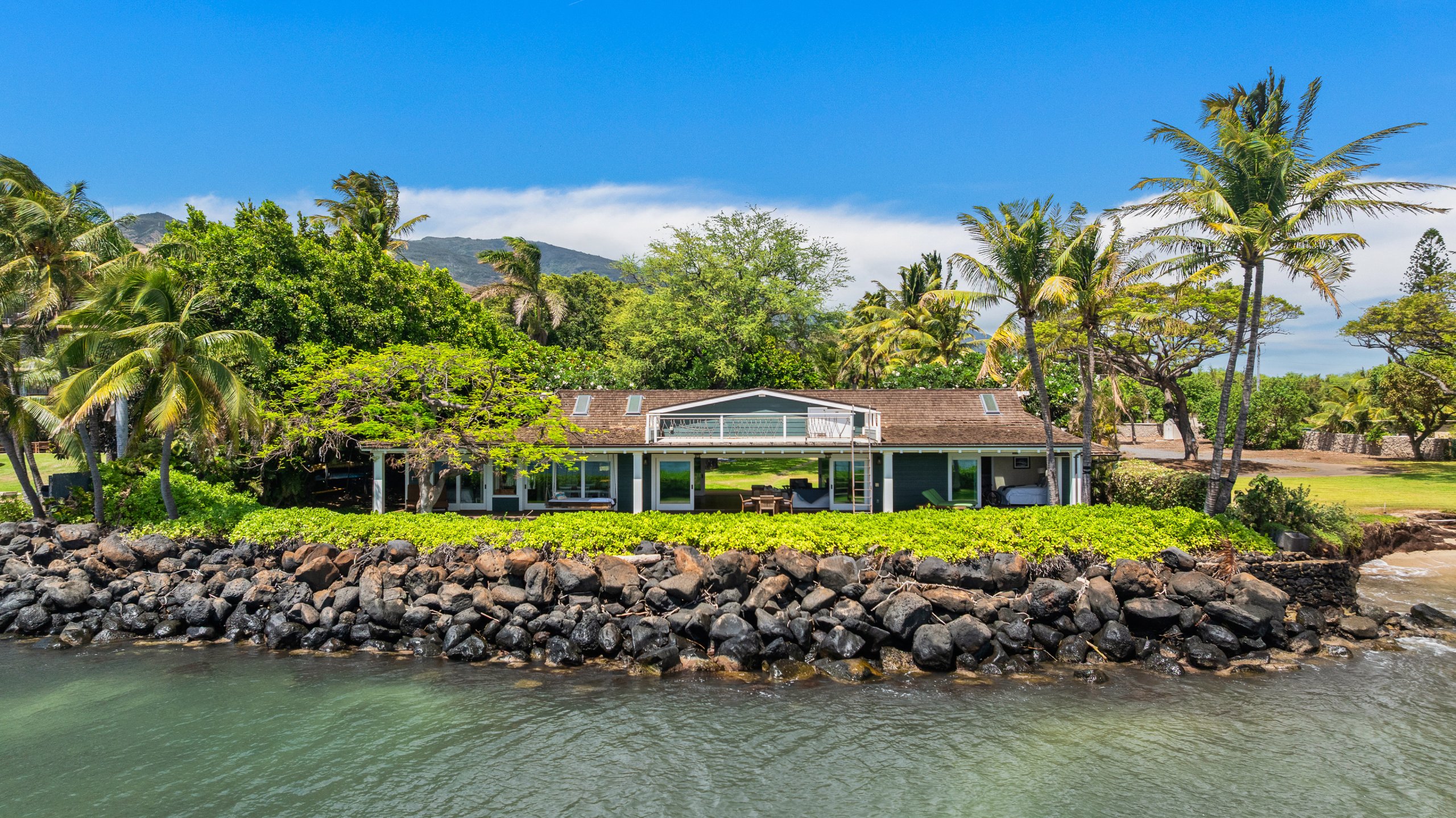
Fall market at a glance
- Conditions vary by island and property type. Statewide figures can hide important differences between local markets.
- Buyers may have more time to compare some listings. Competition can still be strong for well-priced homes in sought-after areas.
- Sellers need a property-specific pricing strategy. Recent comparable sales and current listings matter more than broad averages.
- Due diligence remains essential. Insurance, maintenance, association costs, and property structure can affect the full cost of ownership.
What buyers should expect
More opportunity to compare properties
In some segments, buyers may have more listings to consider and more time to weigh their options. That can make it easier to compare price, condition, location, and ownership costs before making an offer. It does not mean every seller will negotiate or that every property is a bargain.
Buyers should compare homes with similar properties in the same area and price range. A condo should be compared with nearby condos, and a home in one neighborhood may not have a meaningful comparable several miles away. For a broader view of current conditions, read this Hawaiʻi housing market check-in.
A closer look at the costs of ownership
The purchase price is only one part of the decision. Buyers should review likely maintenance needs, insurance availability and costs, property taxes, and any association fees or assessments.
For condos, read the association documents and understand the building’s financial position, insurance coverage, reserves, and planned repairs. For properties with a condominium property regime (CPR) structure, clarify ownership boundaries and shared responsibilities.
Time for local research
Buyers moving from the mainland may encounter different ownership structures, local conditions, and due diligence questions than they are used to. Research the specific island and community, and review this guidance for buying property in Hawaiʻi before making an offer.
What sellers should expect
Buyers will compare value and condition
In a selective market, buyers may take a closer look at how a home is priced relative to similar listings and recent sales. Sellers should be prepared to explain the property’s condition, maintenance history, association costs, and relevant improvements.
Pricing should reflect the immediate market
A statewide median is not enough to set an asking price. Sellers should consider recent comparable sales and active listings that match the property’s location, type, condition, and price range. The right comparisons can help establish a realistic starting point and reduce the risk of misreading demand.
Preparation can support a stronger first impression
Clear disclosures, well-organized property information, and attention to visible maintenance issues can help buyers evaluate a home with confidence. Sellers should also be ready to answer questions about insurance, ongoing costs, and any shared property responsibilities.
For more context on how leverage can differ across segments, read how buyers’ and sellers’ markets differ on Oʻahu. Oʻahu conditions do not automatically apply to the neighbor islands, so local data still matter.
Why local market data matters
The September figures show that different segments can move in different directions at the same time. On Oʻahu, single-family sales increased year over year while condo sales declined. Other islands, neighborhoods, and price ranges may show different patterns.
That is why broad predictions about Hawaiʻi home prices should be treated carefully. Supply, demand, property condition, location, and ongoing ownership costs all shape a property’s market. For additional context, see what may drive Hawaiʻi property values over the next decade.
A practical fall checklist
Buyers: Review financing, compare recent sales, and leave time for inspections and document review. Include insurance, maintenance, and association costs in your budget.
Sellers: Study comparable listings and recent sales, prepare property information, and set an asking price that reflects your specific market.
For both sides, the most useful guide is current, property-specific information. Hawaiʻi’s fall real estate market is not one market with one outcome; it is a collection of local markets that can move differently by island, neighborhood, and property type.

Leave your opinion here. Please be nice. Your Email address will be kept private, this form is secure and we never spam you.