Vacation Rentals: What Big Island Homeowners Need to Know About Short-Term Rentals
In my 25 years of living on the Big Island, I’ve seen several changes to short-term vacation rental regulations, but this upcoming one is set to be one of the most significant.
Big Island TVR (Transient Vacation Rental) Update: Bill 47 Is Coming
If you’ve lived here on the Big Island as long as I have, you know our community thrives when we welcome visitors with aloha while keeping our neighborhoods peaceful and respectful.
The County Council has passed Bill 47, and once the mayor signs it — which is expected — it will take effect December 20, 2025.
This isn’t about banning rentals or adding complex zoning rules right away. Instead, it’s a “registration first” approach. The County wants to know who’s operating, where, and how many short-term rentals there are, so all TVR owners will need to register, even if you live in your home and just rent out a spare room.
You can see the ordinance here.
The Basics: What Counts as a TVR
- TVR (Transient Vacation Rental): A home, unit, or room rented for less than 180 consecutive days in exchange for payment.
- Hosted TVR: You live there, it’s your principal home, and you’re present during the guest’s stay.
- Un-hosted TVR: You’re not there while guests stay — they have the whole place to themselves.
- Host: Must be reachable within 1 hour by phone and able to be on-site within 3 hours if needed.
Registration Requirements
Starting December 20, 2025, all TVRs — hosted or un-hosted — must be registered with the County before hosting guests.
Registration fees:
- $250 for hosted
- $500 for un-hosted
You’ll need to provide:
- Property address & TMK (Tax Map Key)
- Owner & host contact info
- Number of bedrooms and whether you rent them individually or together
- A site drawing of all structures on the property
- Health & safety compliance declaration
- Tax clearance (no delinquent property or TAT (Transient Accommodations Tax))
- GET license & TAT registration numbers
- Signed statement acknowledging possible property tax impact
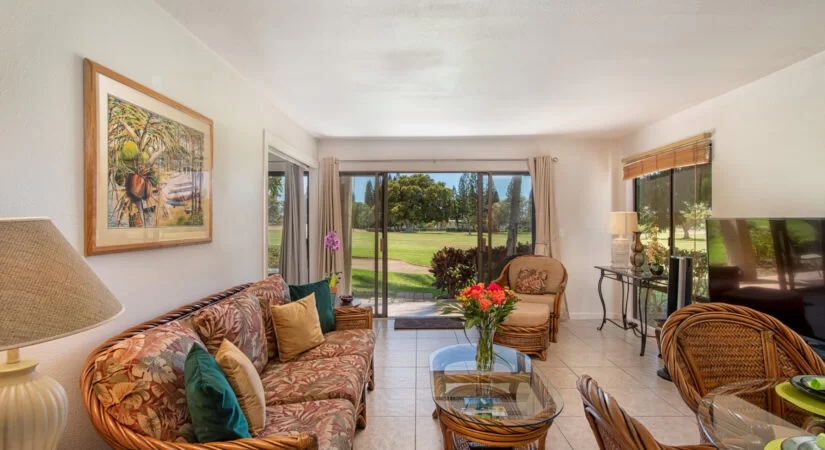
Paniolo Club Condominium in Waikoloa Village Listed by Akemi Rubenstein
Renewals & Changes
- Annual renewal: $100 (hosted) / $250 (un-hosted)
- Miss the deadline? You have 90 days to renew, with a $90 late fee.
- Sell or transfer the property? The new owner must register within 90 days.
What Happens If You Don’t Register
Fines range from $1,000 to $10,000, plus up to twice your highest nightly rate for each day the violation continues. Hosting platforms like Airbnb will also have to remove unregistered listings.
For Hosted Rentals
Even if you live in your home full-time and just rent out an extra bedroom, you’ll still need to register, but at the lower hosted rate.
It’s the County’s way of keeping vacation rentals safe, fair, and transparent without making it too hard for locals who open their doors to guests.
Thinking about owning a piece of paradise?
With new rules coming for short-term vacation rentals, now’s a great time to explore Big Island properties that fit both your lifestyle and future rental plans. Let’s find the perfect home for you!
We also have a dedicated vacation rental division, enabling us to support you seamlessly from purchase through to rental management.
Here are some links to popular resorts on the Big Island of Hawaii:
Contact Akemi today to discuss which community best matches your vision of island living.


Beth Thoma Robinson, R(B)
August 14, 2025
This is a great recap, Akemi! I was going to blog about the bill (now ordinance 25-50 as it has been signed by the mayor), but you have it covered.
Akemi Rubenstein
August 14, 2025
> Thank you, Beth! Yes, Ordinance 25-50 is such a key update, and there’s so much in it that I couldn’t cover everything in a short summary. I also included the link so anyone can explore the full details if they wish. Hope it’s helpful!