Understanding Hawaiʻi Microclimates Before Choosing Where to Live
Choosing where to live in Hawaiʻi is not only about the island, neighborhood, view, or price. Climate plays a major role in daily life, home maintenance, comfort, landscaping, and long-term property value. A home that looks perfect online may feel very different in person if the area is hotter, wetter, windier, cooler, or cloudier than expected.
This is why understanding Hawaiʻi microclimates is important before buying a home. Across the islands, weather can change within a short drive. One area may be sunny and dry most of the year, while another nearby neighborhood may receive frequent rain, stronger trade winds, or cooler evening temperatures.
For buyers exploring big island hawaii real estate, real estate hawaii, luxury real estate hawaii, or hawaii real estate oahu, microclimates should be part of the decision from the beginning. The right climate can improve your quality of life. The wrong one can affect comfort, maintenance costs, and how often you actually enjoy the outdoor spaces you paid for.
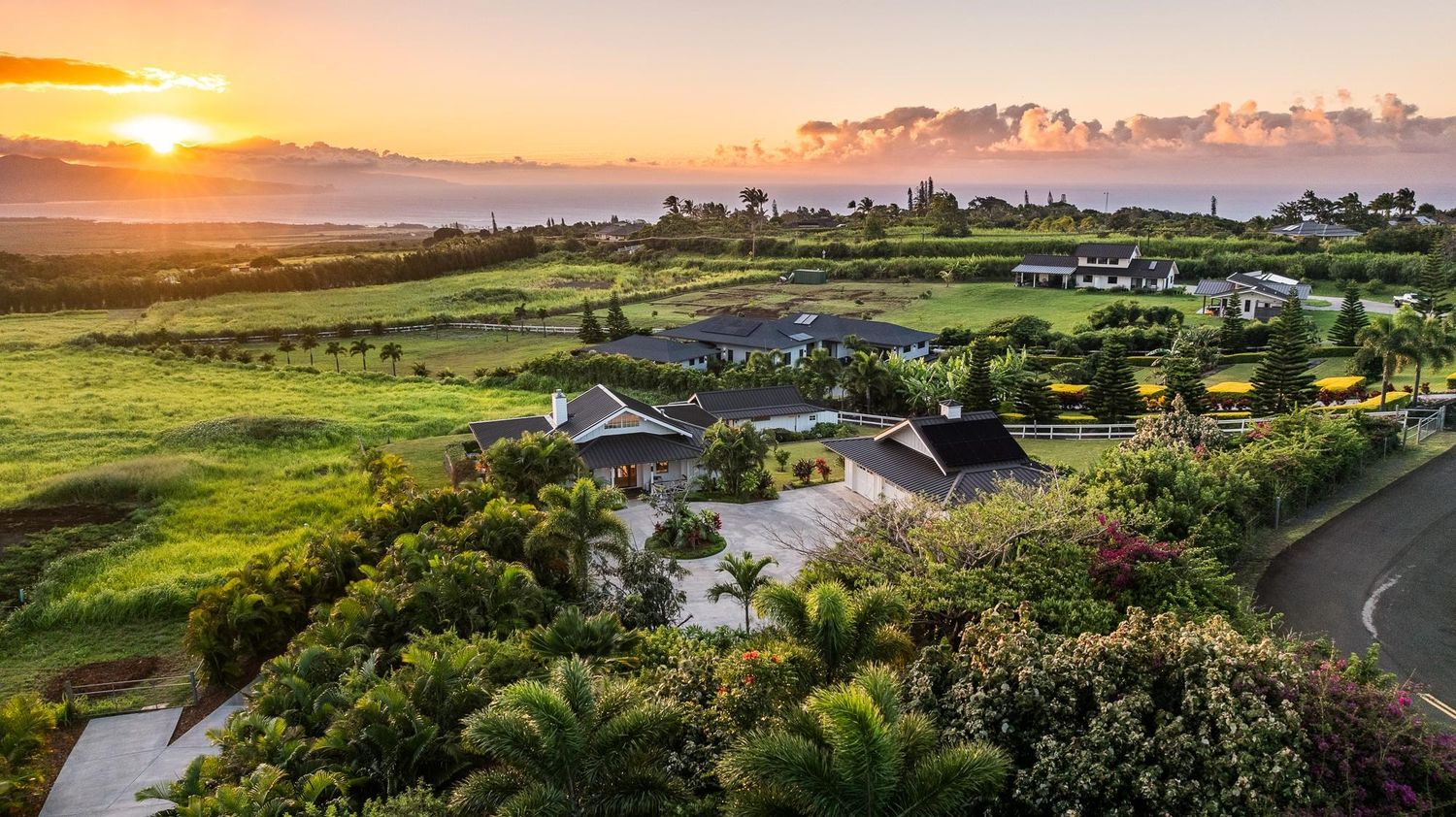
What is a microclimate?
A microclimate is the local climate of a smaller area. In Hawaiʻi, microclimates are shaped by elevation, trade winds, rainfall, mountain slopes, ocean exposure, cloud cover, and distance from the coast.
This means two neighborhoods on the same island can feel completely different. One may be warm and dry with clear skies, while another may be cooler, greener, and more humid. A home on the windward side may receive more rain and trade winds, while a leeward property may feel sunnier, drier, and warmer.
These small climate differences can strongly affect how a home lives day to day.
Hawaiʻi Life’s guide to the weather and seasons in the Hawaiian Islands gives a helpful overview of how island weather patterns can shift by place and season.
Why microclimates matter when buying a home
Microclimates affect how a property feels and functions every day. They can influence:
- Indoor temperature
- Air conditioning needs
- Moisture and mold risk
- Roof and exterior maintenance
- Landscaping and irrigation
- Solar power performance
- Outdoor living comfort
- Ocean and mountain view clarity
- Long-term resale appeal
For example, a dry leeward home may need more irrigation and sun protection, while a wetter windward home may need stronger drainage, ventilation, and moisture control. These differences can affect both lifestyle and ownership costs.
This is also why local knowledge matters so much in Hawaiʻi real estate decisions. A national real estate search can show price, photos, and square footage, but it may not explain what the area actually feels like day to day.
Big Island microclimates and home choices
Microclimates are especially important in big island hawaii real estate because Hawaiʻi Island has some of the most diverse climate conditions in the state. The island includes sunny coastlines, wet tropical areas, cool uplands, dry lava landscapes, and high mountain environments.
The Kona side is often attractive to buyers who want sunshine, ocean views, and a drier lifestyle. It can be a strong fit for people who value outdoor dining, sunsets, pools, lanais, and resort-style living. However, buyers should also consider heat exposure, water use, air conditioning needs, and sun protection.
The Hilo side is greener and wetter, which appeals to buyers who prefer lush landscapes, gardens, waterfalls, and a softer tropical feel. Homes in wetter areas may need more attention to moisture, ventilation, gutters, drainage, and exterior materials.
Waimea offers a different experience again. Some areas are cooler and mistier, while others are drier and sunnier. This makes it important to visit at different times of day before deciding. A neighborhood that feels bright in the morning may be cloudy or windy later.
Volcano and higher-elevation areas can feel cooler and more forested. These locations may appeal to buyers who want privacy, nature, and a peaceful setting, but they may not suit those looking for hot beach weather every day.
For Big Island buyers, there is no single “best” climate. The best choice depends on lifestyle, health preferences, maintenance comfort, and how the home will be used.
Oʻahu microclimates and buyer decisions
Microclimates also matter when looking at hawaii real estate oahu. Oʻahu may be smaller than the Big Island, but its neighborhoods still vary widely.
Honolulu and many leeward areas tend to be warmer, sunnier, and more urban. These locations may appeal to buyers who want convenience, beaches, restaurants, shopping, and easier access to work. However, warmer conditions may increase cooling needs.
Windward Oʻahu areas such as Kailua and Kāneʻohe are often greener and receive more trade wind influence. Buyers may love the lush setting, cooler breezes, and mountain views, but they should also consider rain patterns, humidity, and maintenance needs.
Central Oʻahu can feel different again, with warmer days in some areas and more variable wind and rain conditions depending on location. For buyers comparing neighborhoods, a short drive may reveal a major change in daily comfort.
This is why buyers should not judge Oʻahu only by commute time or beach access. The local climate can change how a home feels throughout the year.
Microclimates and luxury real estate in Hawaiʻi
In luxury real estate hawaii, microclimate can be just as important as architecture, views, and amenities. High-end buyers often want outdoor living spaces, pools, gardens, lanais, open-air dining, wellness features, and privacy. These features work best when the climate supports them.
A luxury home in a dry, sunny area may be ideal for poolside living and sunset views, but it may need stronger cooling systems, shaded outdoor areas, and drought-tolerant landscaping. A luxury estate in a greener area may offer privacy and lush surroundings, but it may require careful drainage, moisture control, and ongoing landscape management.
For oceanfront and near-ocean properties, salt air and wind exposure can also increase maintenance needs. Materials, windows, roofing, railings, and outdoor furniture should be suited for the location.
Luxury buyers should ask one important question: does the climate support the lifestyle the property is selling?
Solar, energy use, and climate
Microclimates can also affect solar power and energy use. Sunnier areas may support stronger solar production, while cloudier or wetter areas may produce less consistent output. At the same time, cooler areas may need less air conditioning, which can reduce total energy demand.
This is why solar should be reviewed together with location and climate. Hawaiʻi Life’s guide on how an owned photovoltaic system adds value to a home explains why owned solar can be attractive to buyers, especially when energy savings are clear and the system is documented.
Landscaping and home maintenance
The local climate also affects landscaping and maintenance. Dry areas may need drought-tolerant plants, irrigation planning, and sun-resistant materials. Wetter areas may support lush tropical landscaping but may require more trimming, drainage, and moisture control.
Near the ocean, salt air and wind exposure can also affect roofing, windows, railings, paint, hardware, and outdoor furniture. A beautiful property can still become expensive to maintain if the materials do not match the microclimate.
How to evaluate a microclimate before buying
Before choosing a home, buyers should visit the area at different times of day. Morning, afternoon, and evening conditions can feel very different. It also helps to visit after rain, during windy conditions, or during the hotter part of the day.
Ask these questions before making a decision:
- Is the area usually sunny, cloudy, wet, dry, windy, or cool?
- Does the home need air conditioning?
- Is there enough airflow and ventilation?
- Are there signs of moisture, mold, or drainage issues?
- Is the property exposed to salt air?
- Will the landscaping be easy to maintain?
- Does the roof receive enough sun for solar?
- Are the outdoor spaces comfortable most of the year?
A home should match not only your budget, but also your daily routine and comfort.
Final thoughts
Understanding Hawaiʻi microclimates before choosing where to live can help buyers make a smarter real estate decision. Climate affects comfort, maintenance, energy use, landscaping, outdoor living, and resale appeal.
For buyers exploring big island hawaii real estate, climate can change dramatically from one district to another. For anyone comparing real estate hawaii across different islands, each location has its own mix of sun, rain, wind, elevation, and ocean exposure. In luxury real estate hawaii, microclimate can shape the entire lifestyle experience. And for buyers focused on hawaii real estate oahu, even nearby neighborhoods can feel different from one another.
The best home in Hawaiʻi is not only the one with the right view or floor plan. It is the one located in a climate that supports the way you truly want to live.

Leave your opinion here. Please be nice. Your Email address will be kept private, this form is secure and we never spam you.