The Complete Oʻahu Neighborhood Investment Guide: Where Smart Money Is Moving in May 2026
Oʻahu’s real estate market in 2026 continues to reward buyers and investors who understand neighborhood-level trends and not just island-wide headlines. While national markets remain volatile due to interest rates, inflation concerns, insurance costs, and shifting migration patterns, many Oʻahu micro-markets remain surprisingly resilient.
The reality is this: there is no single “Oʻahu market.” There are dozens of unique submarkets behaving differently depending on inventory levels, price point, lifestyle demand, redevelopment potential, military influence, and long-term land scarcity.
As of April 30, 2026, Oʻahu’s median single-family home price remained near historic highs at approximately $1.15M–$1.20M, while condo prices hovered around $500,000 to $510,000 island-wide.
But the smarter investment story is happening at the neighborhood level.
1. Kakaʻako: Oʻahu’s Urban Luxury Growth Engine
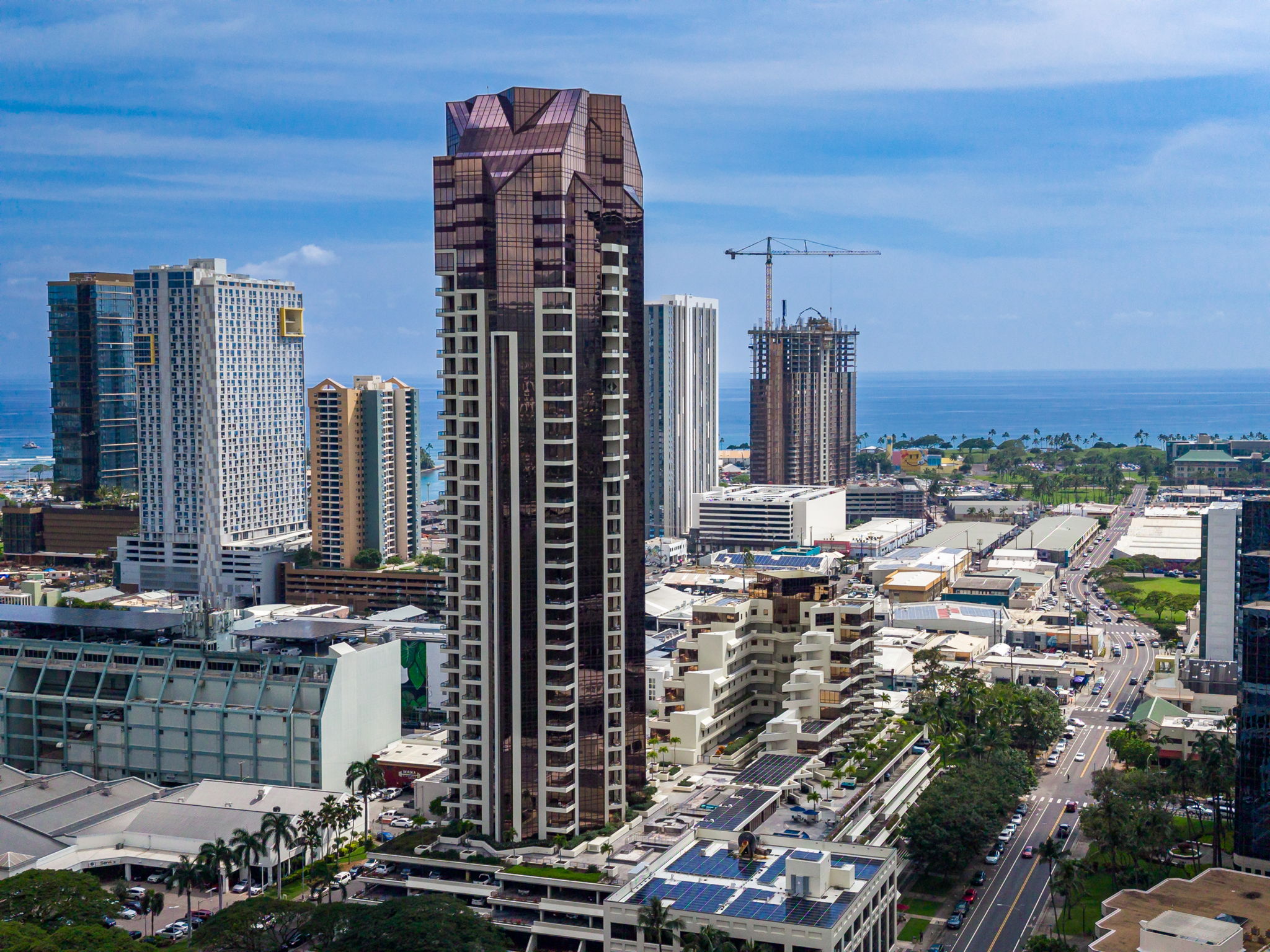
Why Smart Money Still Likes Kakaʻako
Kakaʻako remains the closest thing Hawai‘i has to a true urban luxury investment district. Despite higher interest rates and elevated HOA fees, demand for newer construction with resort amenities continues to outperform older urban inventory.
Ward Village continues transforming the area into a long-term live-work-play community that appeals to:
- High-income local professionals
- Mainland second-home buyers
- International cash buyers
- Downsizing Hawai‘i homeowners
- Luxury renters seeking convenience
Key 2026 Statistics
- Luxury condo inventory remains relatively constrained compared to demand.
- Newer Kakaʻako buildings continue commanding some of the highest price-per-square-foot figures on Oʻahu.
- Oʻahu condo inventory overall increased in 2026, but premium urban towers continue seeing stronger pricing resilience than aging buildings.
- Condo median prices island-wide remained stable around $500,000–$510,000 despite softer overall sales volume.
Investment Outlook
Kakaʻako remains one of the strongest long-term appreciation plays on Oʻahu due to:
- Limited developable land
- Continued infrastructure investment
- Walkability
- Relative scarcity of luxury urban inventory
- Strong rental demand from executive tenants
Primary Risks
- Rising HOA fees
- Insurance costs
- Potential special assessments in older towers
- Slower appreciation for non-premium buildings
2. Kapolei & Hoʻopili: Oʻahu’s Long-Term Growth Corridor
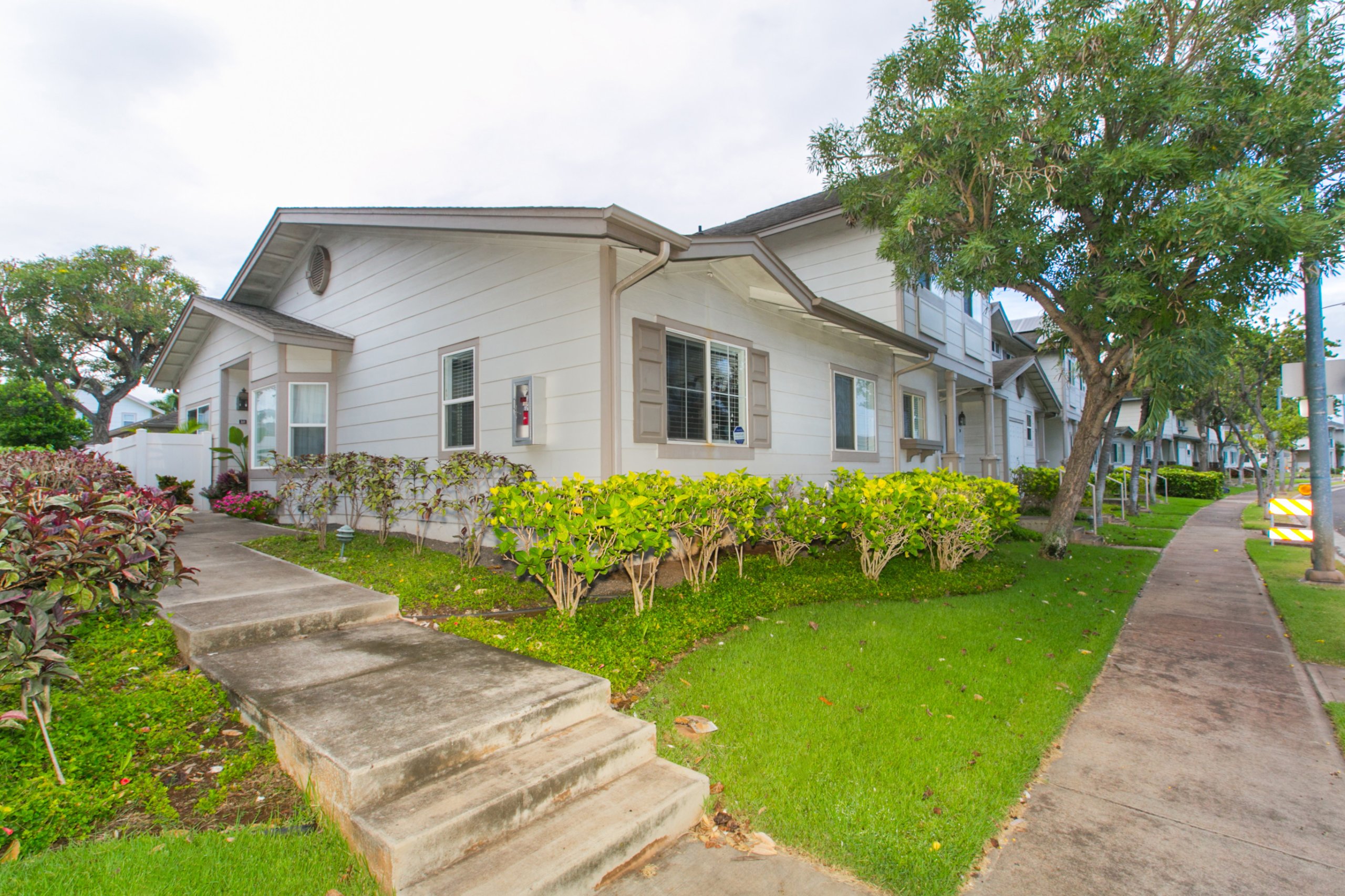
Why Investors Continue Targeting West Oʻahu
Kapolei and Hoʻopili remain among the strongest long-term population growth stories on Oʻahu.
The combination of:
- Rail expansion
- New residential communities
- Commercial development
- Relative affordability
- Military demand
- Younger family demographics
…continues attracting buyers priced out of Honolulu’s urban core.
Key 2026 Statistics
- Single-family homes under $1M saw substantial activity increases in 2026.
- Approximately 60% of single-family sales on Oʻahu occurred between $800,000 and $1.4M.
- West Oʻahu remains one of the few regions where newer single-family inventory still exists at relatively attainable pricing compared to East Honolulu or Kailua.
Investment Outlook
This market remains attractive for:
- Long-term appreciation
- Military rentals
- Younger families
- Build-to-rent investors
- Buyers prioritizing newer construction
Primary Risks
- Traffic congestion
- Dependence on rail completion timelines
- Insurance and HOA inflation
- Increased future inventory
3. Kailua: Lifestyle Scarcity Creates Long-Term Value
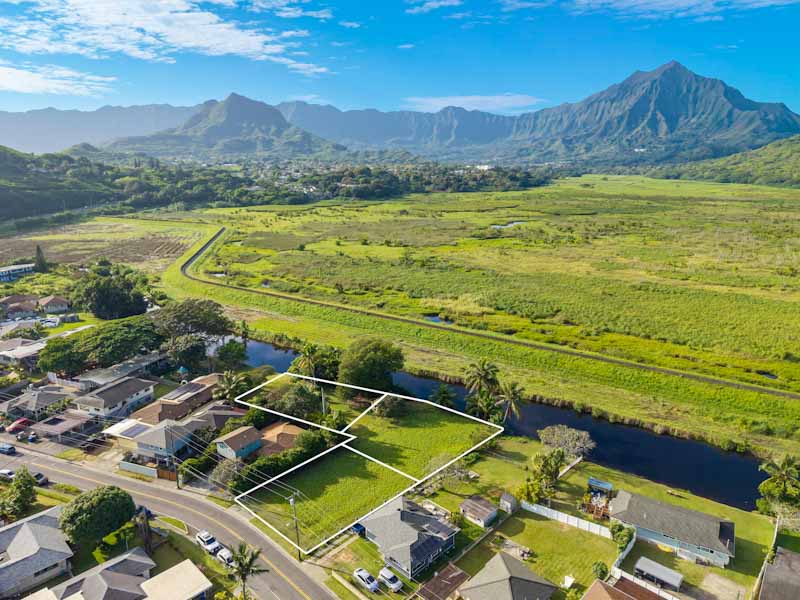
Why Kailua Remains a Premium Market
Kailua continues operating almost as its own luxury micro-market.
Unlike newer master-planned communities, Kailua’s value is driven primarily by scarcity:
- Limited inventory
- Beach lifestyle appeal
- Strong owner-occupant demand
- High-quality schools
- Relative insulation from large-scale redevelopment
Key 2026 Statistics
- Single-family inventory across Oʻahu remained down approximately 10% year-over-year in many periods during early 2026.
- Approximately 26%–31% of single-family homes island-wide sold above asking price in early 2026.
- Kailua continues seeing strong demand from affluent local and mainland buyers seeking primary residences rather than speculative investments.
Investment Outlook
Kailua remains one of Oʻahu’s strongest “wealth preservation” neighborhoods.
This is less of a speculative appreciation market and more of a:
- Long-term hold
- Lifestyle investment
- Legacy ownership market
Primary Risks
- Extremely high entry pricing
- Limited inventory
- Coastal insurance concerns
- Flood zone changes in select areas
4. Waikīkī: Contrarian Opportunity Emerging?
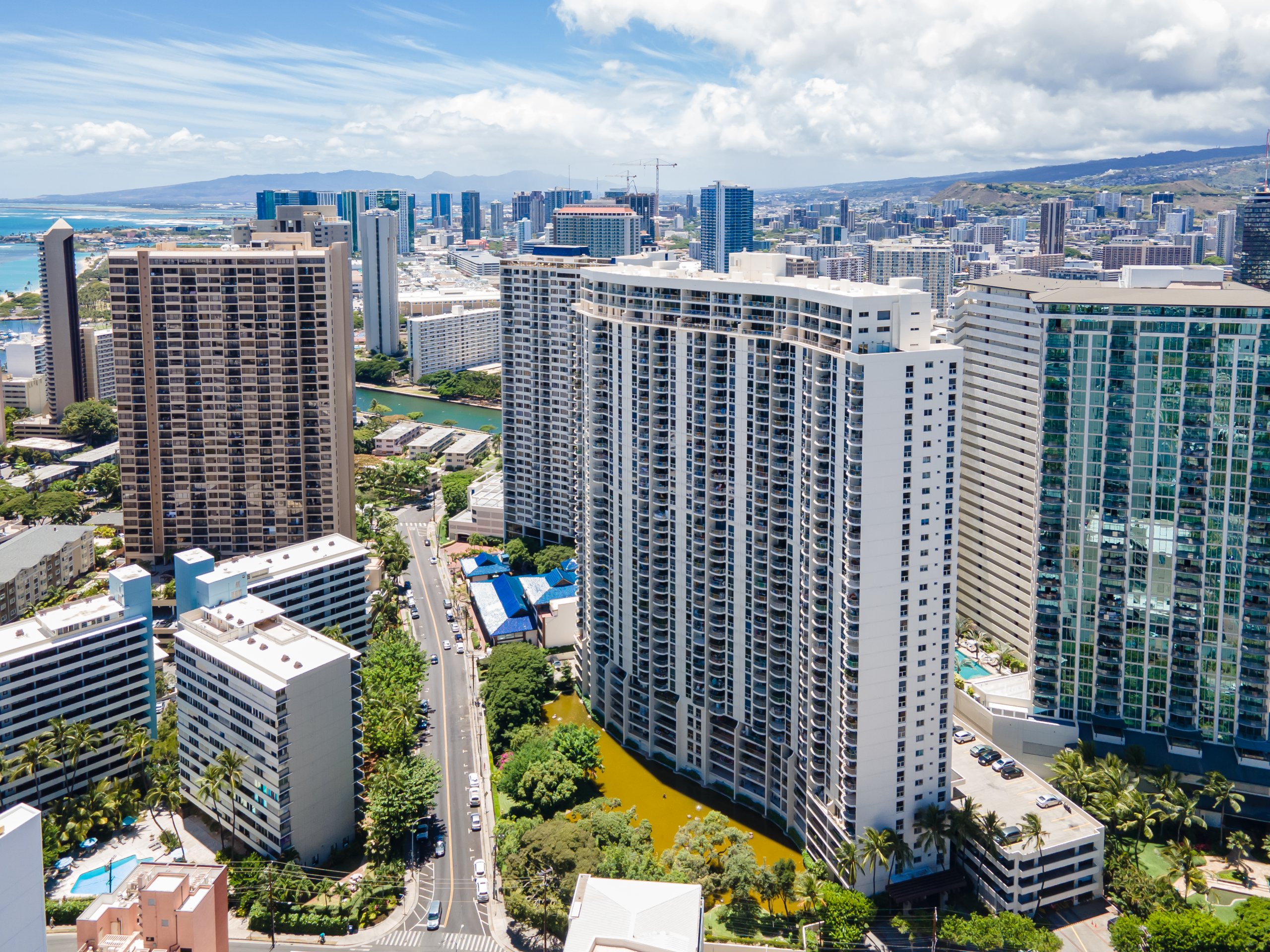
Why Investors Are Looking Again at Waikīkī
Waikīkī has quietly become one of Oʻahu’s most interesting contrarian investment stories.
Higher inventory, aging buildings, rising maintenance fees, and financing challenges have softened portions of the condo market, but tourism demand remains extremely strong.
Savvy investors are increasingly targeting:
- Fee simple units
- Legal short-term rental buildings
- Buildings with strong reserves
- Units with lower maintenance fees
- Renovated inventory with modern finishes
Key 2026 Statistics
- Condo inventory on Oʻahu increased while condos spent more time on market compared to single-family homes.
- Median condo days on market rose to approximately 40–47 days in early 2026.
- Most condo sales continued closing below original asking price, creating negotiation opportunities for buyers.
Investment Outlook
Waikīkī currently offers:
- Better negotiation leverage
- Strong tourism fundamentals
- Higher cash-flow potential than many owner-occupant neighborhoods
Primary Risks
- Insurance inflation
- Aging infrastructure
- Special assessments
- Financing restrictions in older buildings
- Short-term rental regulation risk
5. Kāneʻohe: Quietly One of Oʻahu’s Strongest Value Markets
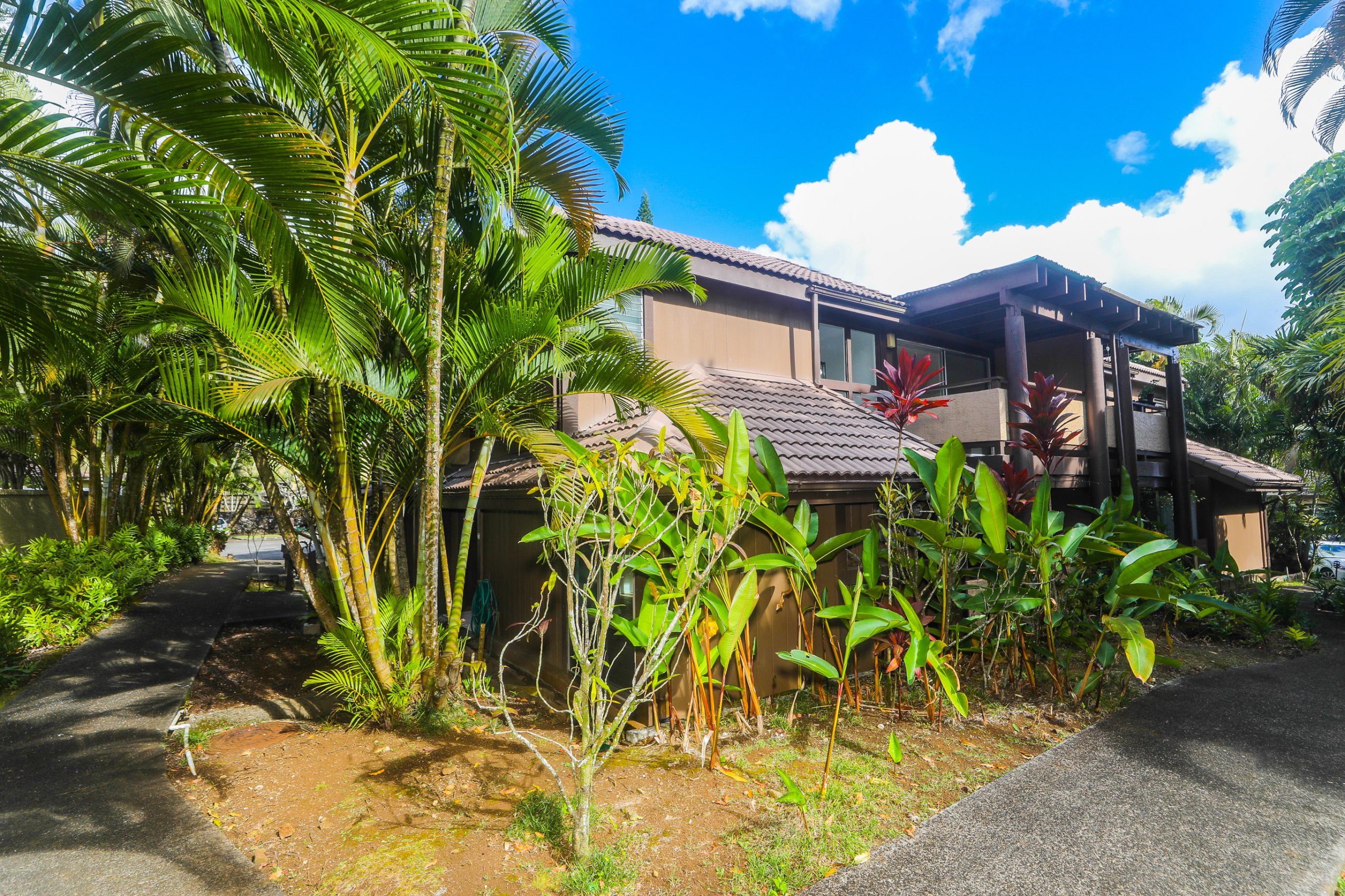
Why Kāneʻohe Is Gaining Attention
Kāneʻohe increasingly appeals to buyers seeking:
- More land
- Better value per square foot
- Windward lifestyle
- Easier multigenerational living options
Compared to Kailua, Kāneʻohe often offers:
- Larger homes
- Better relative affordability
- Strong rental demand
- Better investor entry points
Key 2026 Statistics
- Kāneʻohe condo median prices reportedly increased roughly 3% year-over-year in recent local market updates.
- Windward Oʻahu continues benefiting from owner-occupant demand and constrained inventory.
Investment Outlook
Kāneʻohe may represent one of Oʻahu’s best long-term value opportunities for:
- Multigenerational families
- Buy-and-hold investors
- Local owner-occupants
Primary Risks
- Flood zone exposure in select areas
- Commute times
- Limited luxury inventory liquidity
6. East Honolulu: Stable Wealth Preservation
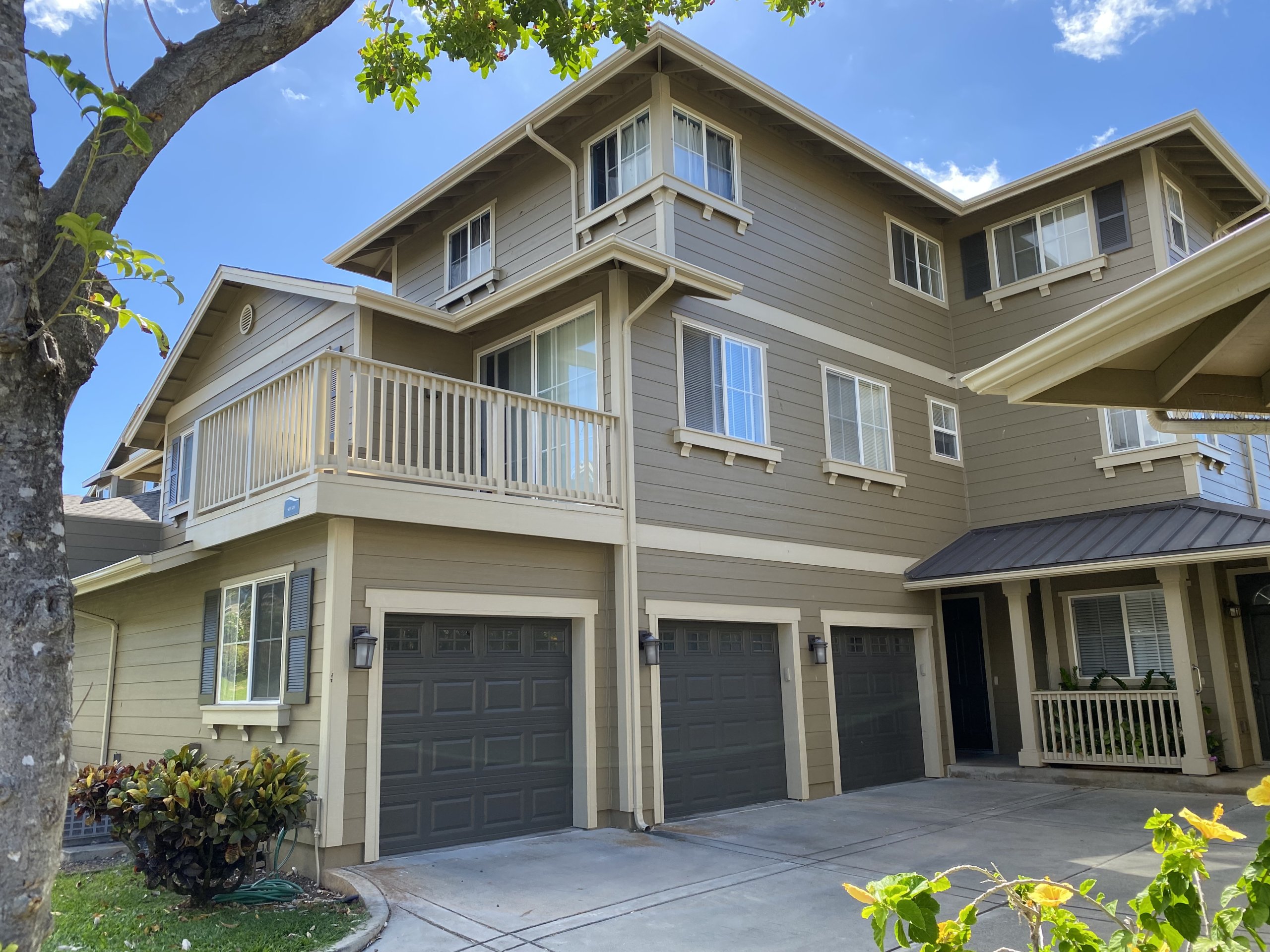
Why East Honolulu Remains Resilient
Neighborhoods like:
- Hawai‘i Kai
- Kahala
- Portlock
- Diamond Head
- Waialae Iki
…continue functioning as Oʻahu’s premier long-term wealth preservation markets.
These areas remain supported by:
- Scarcity
- Ocean proximity
- Established luxury positioning
- Strong school districts
- Stable owner-occupant demographics
Investment Outlook
East Honolulu remains attractive for:
- Long-term appreciation
- Luxury lifestyle buyers
- Generational wealth transfers
- Limited-supply ownership
Primary Risks
- Luxury market sensitivity
- Insurance and coastal exposure
- Limited short-term upside compared to emerging neighborhoods
Final Thoughts: The Oʻahu Market Is Segmenting — And That Creates Opportunity
One of the biggest shifts in 2026 is that Oʻahu is no longer moving as a single synchronized market.
Instead:
- Luxury urban towers behave differently than older condos.
- West Oʻahu behaves differently than East Honolulu.
- Single-family homes remain supply constrained.
- Condos increasingly require building-specific due diligence.
- Insurance and HOA costs are becoming major pricing drivers.
For investors, that fragmentation creates opportunity.
The buyers and investors likely to perform best over the next 5–10 years will not simply chase headlines — they will understand:
- Inventory trends
- HOA financial strength
- Insurance exposure
- Neighborhood demographics
- Infrastructure investment
- Lifestyle demand
- Long-term land scarcity
And on an island with finite land and enduring global demand, those fundamentals still matter.
For personalized guidance about Oʻahu investment opportunities, neighborhood trends, or building-specific analysis, feel free and give me a call sometime and we can chat….I look forward to hearing from you and seeing how I might best assist you in achieving your Hawaii Real Estate Goals….Aloha, Jon.
Sources: Honolulu Board of REALTORS®, HiCentral MLS, UHERO Housing Factbook 2026 – various local market reports through April 30, 2026.

Leave your opinion here. Please be nice. Your Email address will be kept private, this form is secure and we never spam you.