Rent vs. Buy in Hawai‘i Kai, Kailua, and Salt Lake: Should High-Income O‘ahu Renters Keep Renting in 2026?
If you are paying $3,000+ per month in rent, it may be time to run the numbers.
For many O‘ahu renters, the rent-vs-buy conversation starts to feel more urgent once the monthly rent payment crosses $3,000.
That is especially true in Hawai‘i Kai, Kailua, and Salt Lake.
UHERO’s Hawai‘i Housing Factbook 2026 identifies the six most expensive rental zip codes in Hawai‘i as all being on O‘ahu. The top three are Hawai‘i Kai at $3,501, Kailua at $3,316, and Salt Lake at $3,190 in median rent.
That means a renter in one of these areas may be paying roughly:
| Area | Median monthly rent | Approximate annual rent |
|---|---|---|
| Hawai‘i Kai | $3,501 | $42,012 |
| Kailua | $3,316 | $39,792 |
| Salt Lake | $3,190 | $38,280 |
That is a lot of money to spend every year without building equity. But that does not automatically mean buying is the better move.
In 2026, the smarter question is not simply, “Can I afford to buy?”
The better question is:
“Would buying improve my long-term financial position, lifestyle stability, and housing control enough to justify the higher upfront cost, maintenance risk, insurance exposure, and loss of flexibility?”
Why This Decision is Different in 2026
The Hawai‘i housing market has changed. Home prices surged after COVID, but UHERO reports that prices have stayed relatively flat for a third consecutive year. In 2025, statewide single-family prices rose 1%, condo prices declined 2%, and existing-home appreciation averaged 0.0%.
That matters for renters.
When prices are rising quickly, renters often feel pressure to buy before they are priced out. When prices are flatter, renters may have more time to compare neighborhoods, property types, monthly payments, insurance, AOAO fees, and resale risk.
But affordability is still tight. UHERO says affording the median single-family home in Hawai‘i requires just over 180% of the state median income, while affording the median condo requires about 110%. Condo affordability has improved, but UHERO also warns that rising HOA/AOAO fees and insurance costs may offset some of those gains.
For high-income renters in Hawai‘i Kai, Kailua, and Salt Lake, this creates a very specific opportunity: you may finally have a little more room to evaluate buying without rushing—but you still need to be careful about total monthly cost.
The Neighborhood Comparison
Here is how the three areas compare in the Factbook.
| Area | Median rent | Median single-family price | Median condo price | Median monthly owner costs | Renter share |
|---|---|---|---|---|---|
| Hawai‘i Kai | $3,501 | $1,540,000 | $858,000 | $3,490 | 16.8% |
| Kailua | $3,316 | $1,650,000 | $825,000 | $3,957 | 37.2% |
| Salt Lake | $3,190 | $1,135,000 | $420,000 | $2,894 | 62.2% |
Hawai‘i Kai’s Factbook page shows a median rent of $3,501, a median single-family price of $1.54 million, a median condo price of $858,000, and median monthly owner costs of $3,490. Kailua shows a median rent of $3,316, a median single-family price of $1.65 million, a median condo price of $825,000, and median monthly owner costs of $3,957. Salt Lake shows a median rent of $3,190 and has one of the highest renter shares among the zip codes, at 62.2%; its median condo price is much lower than Hawai‘i Kai or Kailua, at $420,000, while the median single-family price is $1.135 million.
One important caution: UHERO’s “median monthly owner costs” are based on existing owner-occupied households, not what a new buyer would necessarily pay today. The Factbook defines owner costs as including mortgage payments, property taxes, homeowner insurance, utilities, and HOA fees where applicable.
So, do not use the owner-cost number as a mortgage quote. Use it as a neighborhood indicator, then run property-specific numbers with a lender, insurance provider, and real estate advisor.
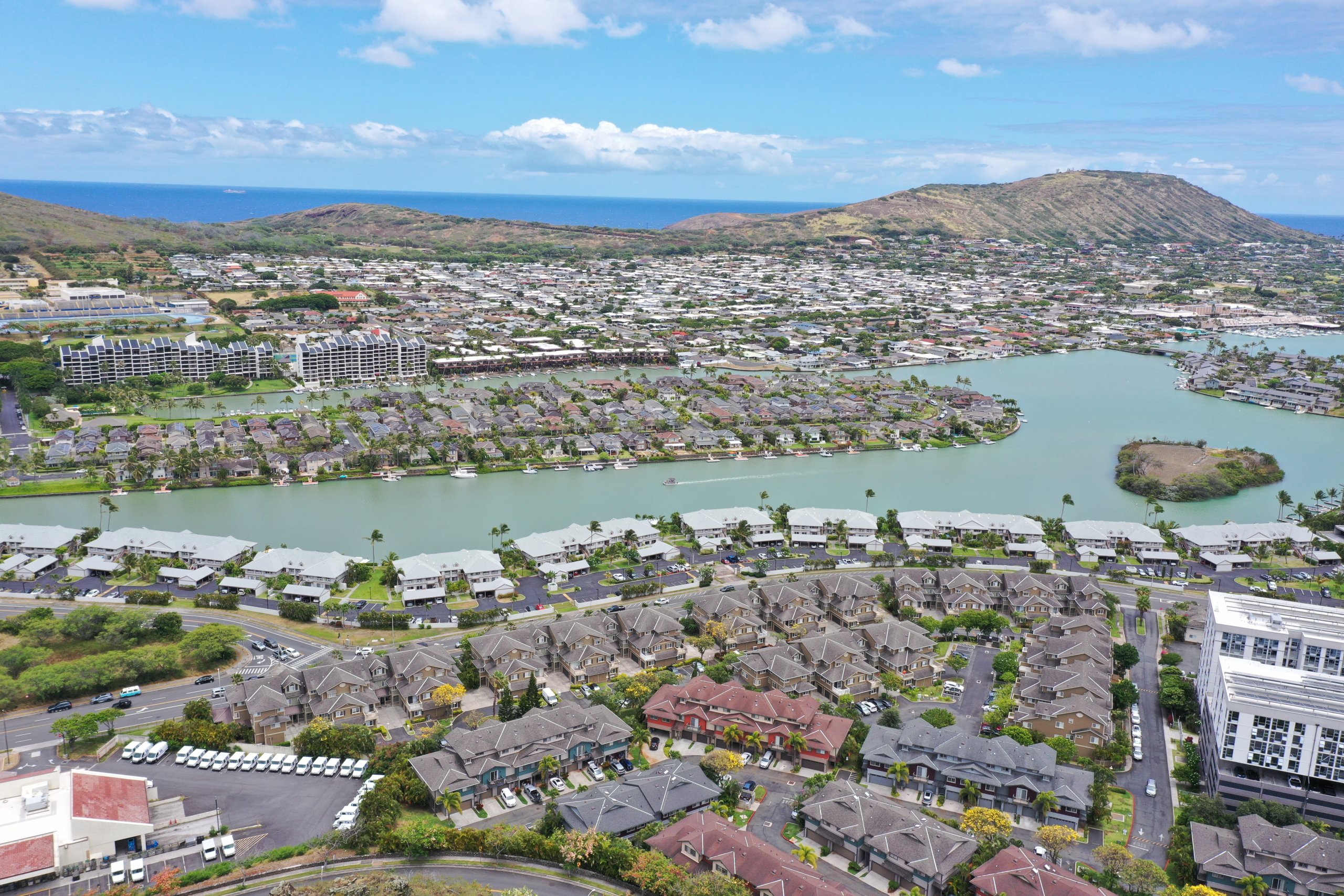
Hawai‘i Kai: buying can make sense, but the entry price is high
Hawai‘i Kai has the highest median rent among the three areas at $3,501 per month. It also has a high median household income, a high owner-occupier share, and a lifestyle that many renters are already paying a premium to enjoy: marina, ocean, hiking, schools, Costco, East Honolulu convenience, and relatively stable residential demand.
For a Hawai‘i Kai renter paying about $42,000 per year in rent, buying may make sense if you plan to stay long term and want more control over your housing. But the purchase price is the challenge. UHERO reports a median single-family price of $1.54 million and a median condo price of $858,000 in Hawai‘i Kai.
The single-family market is likely to require substantial income, down payment strength, and long-term confidence. The condo and townhome market may offer a more realistic path, but buyers need to pay close attention to AOAO fees, insurance, reserves, and special assessments.
In Hawai‘i Kai, the rent-vs-buy question is often not, “Can I buy anything?”
It is:
“Should I buy the right condo or townhome now, or keep renting until I can comfortably buy the single-family home I really want?”
If you are personally struggling with this very question, give me a call sometime and perhaps I can help you evaluate your situation and determine a path forward.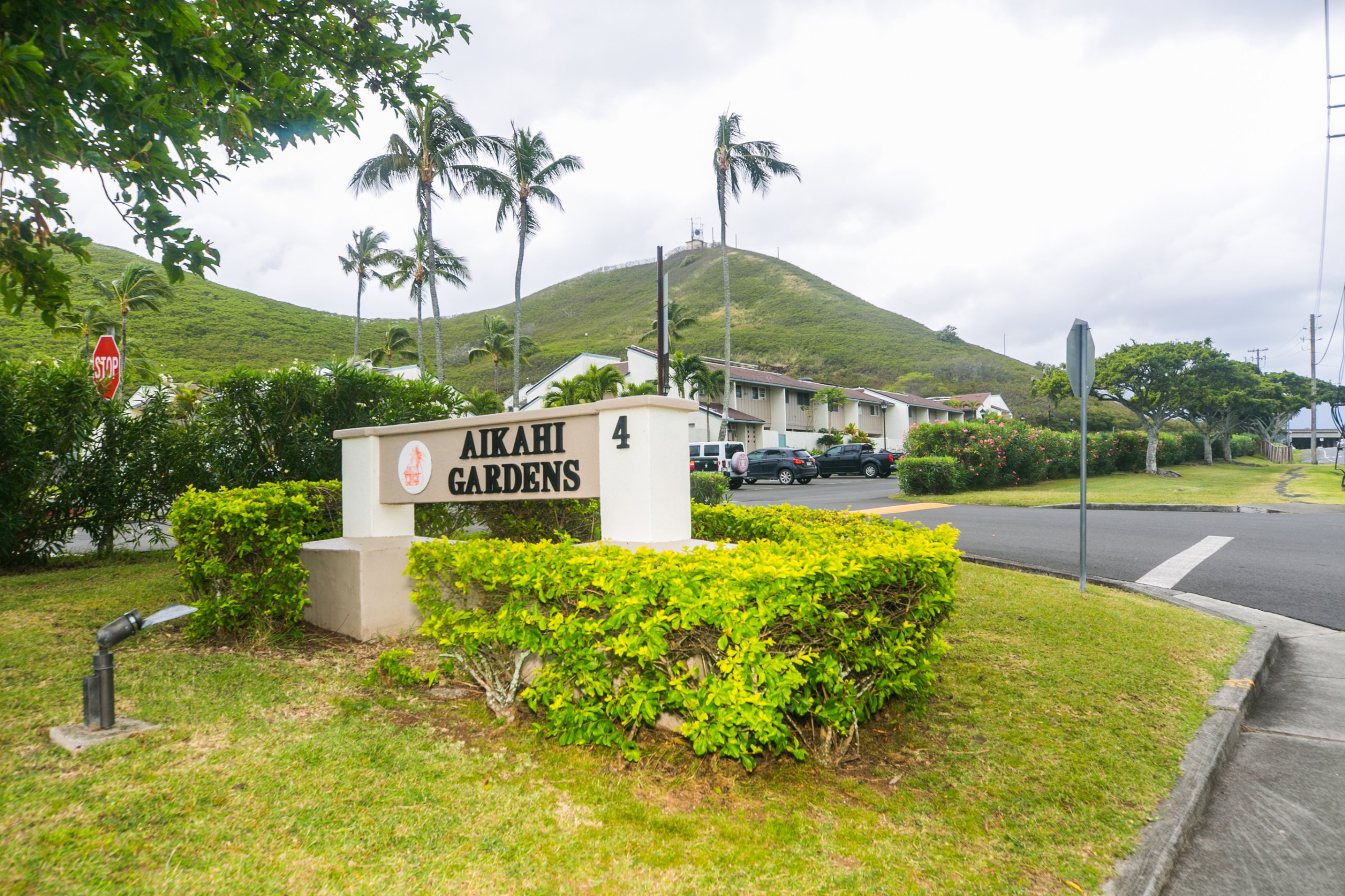
Kailua: lifestyle value is strong, but buyers need a long time horizon
Kailua is one of the most desirable residential markets on O‘ahu. The appeal is obvious: beaches, walkability, schools, Windward lifestyle, and a strong sense of community.
But that lifestyle comes at a high price. UHERO reports a median rent of $3,316, a median single-family price of $1.65 million, and a median condo price of $825,000 in Kailua.
For many Kailua renters, renting may still make sense if they are uncertain about staying in the area, need flexibility, or are not ready to take on a large mortgage. A high-income household can pay a lot in rent and still be making a rational choice if the alternative is overextending into a home that needs major work.
Buying in Kailua makes the most sense when the buyer has a longer time horizon, stable income, strong reserves, and a clear understanding of maintenance, insurance, flood risk, and renovation costs.
The practical question for a Kailua renter is:
“Am I renting because I value flexibility, or because I have not yet built a realistic purchase plan?”
Those are very different situations.
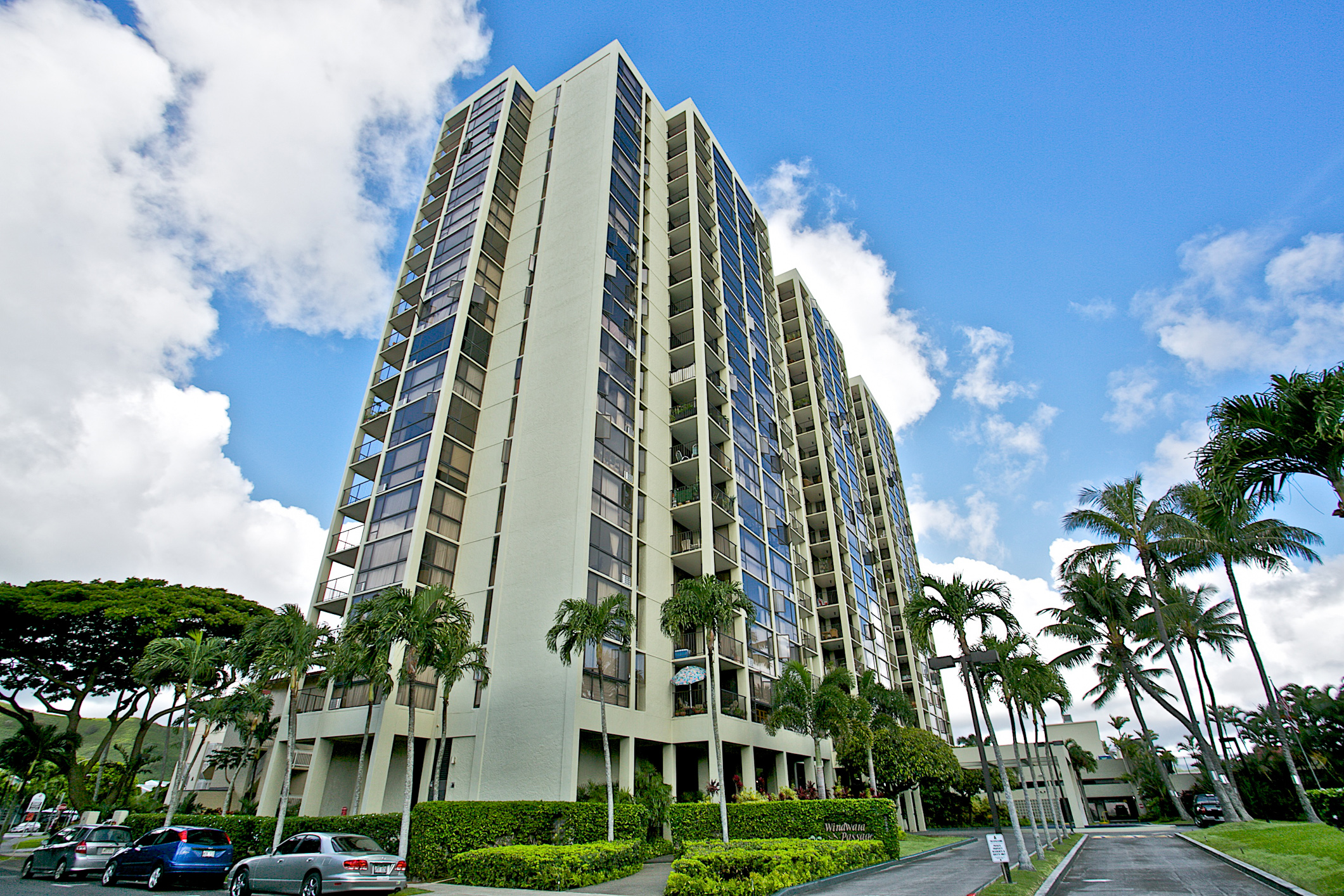
Windward Passage (Kailua)
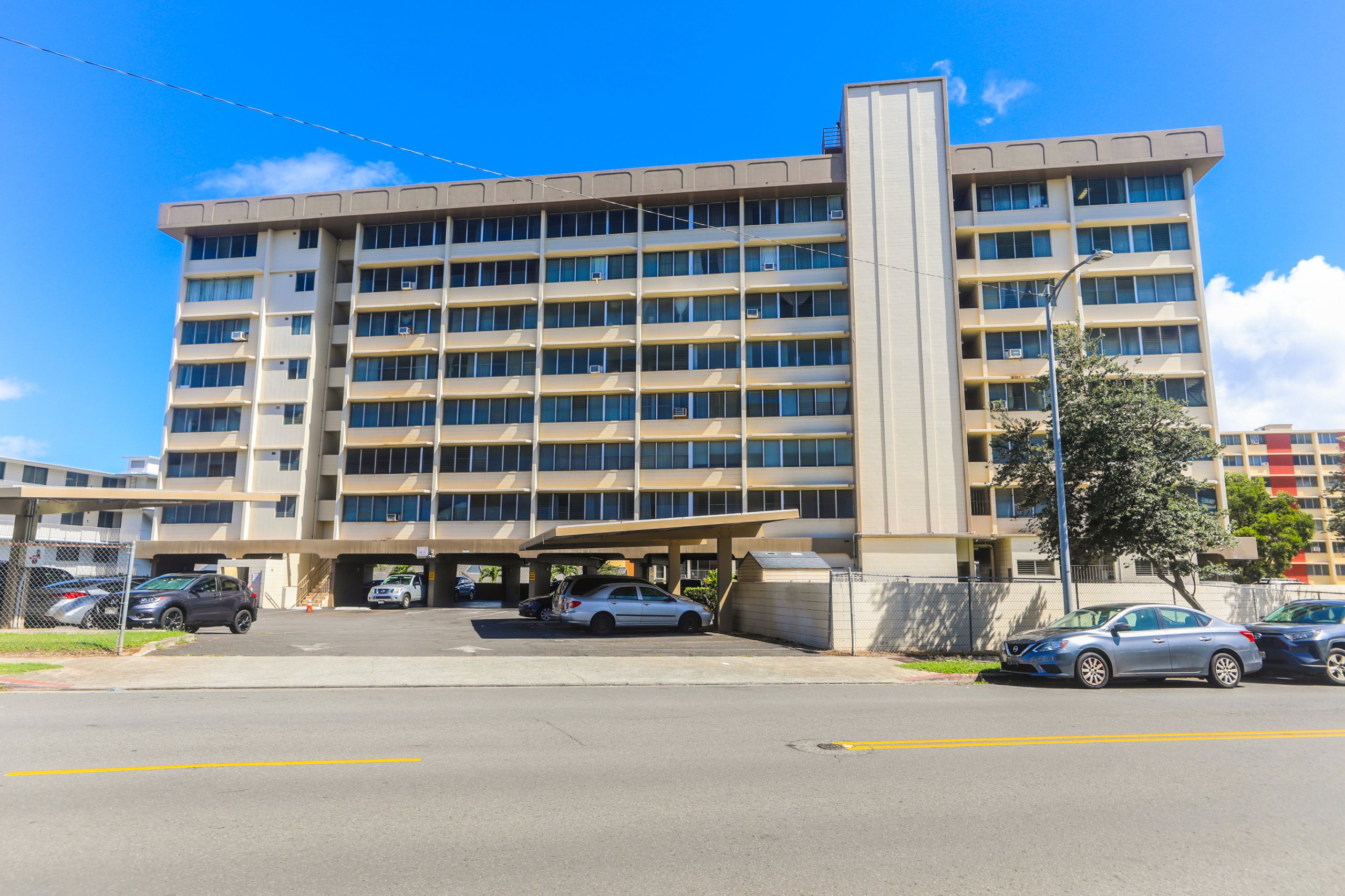
Salt Lake Manor (Salt Lake)
Salt Lake: the clearest condo path for many renters
Salt Lake may be the most interesting of the three for renters who want to become owners.
The median rent is still high at $3,190, but the median condo price is much lower than Hawai‘i Kai or Kailua at $420,000. The area also has a high renter share of 62.2%, suggesting a large pool of households who may eventually consider ownership.
Salt Lake also offers practical advantages: central O‘ahu location, access to town, airport, military bases, Pearl Harbor, Tripler, Moanalua, and freeway connections. UHERO’s job-access data shows Salt Lake with strong 30-minute job access by car compared with many other zip codes.
For a renter paying close to $38,000 per year, Salt Lake may present a more direct transition into ownership than Hawai‘i Kai or Kailua, especially through the condo market.
But the same condo warnings apply. A lower purchase price does not automatically mean a lower-risk purchase. Buyers still need to review the AOAO fee, reserve study, insurance, special assessments, building age, parking, pet rules, and financing approval.
In Salt Lake, the key question may be:
“Could I redirect some of what I am already paying in rent toward a condo that builds equity and keeps me near work?”
For some renters, the answer may be yes.
Why High Rent Does Not Automatically Mean You Should Buy
It is tempting to look at a $3,200 to $3,500 rent payment and say, “I should just buy.”
Sometimes that is true. But not always.
Renting can still be the better decision if you expect to move within a few years, need flexibility, are saving for a larger down payment, are not sure which neighborhood you want, or would have to drain your emergency reserves to buy.
Buying can also be risky if you are stretching into a property with deferred maintenance, high HOA/AOAO fees, uncertain insurance, flood exposure, or a possible future special assessment.
This is especially important in Hawai‘i condos. UHERO reports that Hawai‘i has among the highest HOA/AOAO fees in the country. In 2024, 42% of Hawai‘i owner-occupied households reported paying monthly HOA fees, compared with 25% nationally. Hawai‘i ranked second in the nation for median monthly HOA fees, and UHERO found that O‘ahu listings in February 2026 had a median advertised HOA/AOAO fee of $882.
That means a condo buyer in Salt Lake, Hawai‘i Kai, or Kailua cannot compare rent only to the mortgage. The real comparison is:
Rent vs. mortgage + AOAO fee + insurance + taxes + utilities + maintenance + reserves + special-assessment risk.
Insurance Has Changed the Rent-vs-Buy Math
Insurance is another reason buyers need to be more careful in 2026.
UHERO reports that Hawai‘i property insurance premiums increased 13.4% in 2024, above the national increase of 9.7%, and says the aggregate figure may understate what individual policyholders are experiencing.
For renters, insurance increases are often hidden inside rent over time. For owners, they can show up directly through homeowner policies, condo master policies, AOAO fee increases, lender requirements, or special assessments.
This does not mean buyers should avoid ownership. It means buyers need to understand insurance before making an offer, not after getting into escrow.
For single-family buyers, that means getting insurance quotes early. For condo buyers, it means reviewing the building’s master insurance coverage, deductibles, reserves, and recent board minutes.
The Best Rent-vs-Buy Test
For high-income renters in Hawai‘i Kai, Kailua, and Salt Lake, I would not start with a generic online calculator. I would start with five questions.
First, how long do you plan to stay?
If you are likely to move in two or three years, renting may still be the cleaner choice. If you see yourself staying five to seven years or more, buying deserves a closer look.
Second, what property type would you actually buy?
A renter in Kailua may want a single-family home but only be comfortable buying a condo. A Hawai‘i Kai renter may be deciding between a marina-front townhome and a single-family home. A Salt Lake renter may have a much more realistic condo path.
Third, what is your real monthly cost?
You need to compare the rent you pay today with the full ownership cost of a specific property. That includes mortgage, taxes, insurance, AOAO fees, utilities, maintenance, and future capital repairs. Buying is not just about qualifying. In Hawai‘i, you want reserves for insurance changes, repairs, appliances, plumbing, termites, assessments, and unexpected life events.
Fifth, what happens if you do not buy?
Continuing to rent may be perfectly reasonable. But it should be an intentional decision, not a default. If you keep renting for another three years at $3,500 per month, that is about $126,000 in rent before utilities and other costs.
When Renting is Probably Smarter
Renting may be the better move if you are new to O‘ahu, unsure about your job situation, deciding between neighborhoods, waiting for a better down payment position, or unwilling to accept current interest rates and monthly ownership costs.
Renting can also make sense if you are living in a home or neighborhood you could not afford to buy today. For example, renting a single-family home in Kailua or Hawai‘i Kai may give you lifestyle access that would require a much larger purchase budget.
The key is to avoid drifting. A renter paying $3,000 to $3,500 per month should revisit the numbers at least once a year.
When Buying is Probably Smarter
Buying may be the better move if you know you want to stay on O‘ahu, have stable income, have enough down payment and reserves, and can purchase without becoming house-poor.
It may also make sense if you are currently renting in Salt Lake and could buy a condo with a manageable payment, or if you are renting in Hawai‘i Kai or Kailua and want long-term control over your location.
Buying is especially worth exploring when the property gives you something renting does not: stability, equity potential, the ability to renovate, pet flexibility, parking, storage, multigenerational options, or long-term neighborhood control.
My Take on Each Area
Hawai‘i Kai: Best for renters who are financially strong, committed to East Honolulu, and open to condos or townhomes if single-family prices are too high. The lifestyle value is strong, but the entry price is high.
Kailua: Best for renters who are deeply committed to the Windward lifestyle and have a long time horizon. Buying can be rewarding, but only if the numbers do not force you into a property that needs more work than you can comfortably handle.
Salt Lake: Best for renters who want a practical path from renting to owning. The condo price point creates more ownership possibilities, especially for buyers who value central location and job access.
Final Thought
High rent does not automatically mean you should buy. But if you are renting in Hawai‘i Kai, Kailua, or Salt Lake, you are already spending enough each month that the question deserves a serious review.
The right answer depends on your time horizon, property type, down payment, monthly budget, insurance risk, AOAO fees, and lifestyle goals.
Thinking about whether to keep renting or buy on O‘ahu? Send me your current rent, target neighborhood, and the type of property you would actually consider. I will help you compare the true monthly cost of renting vs. buying in Hawai‘i Kai, Kailua, Salt Lake, or any other O‘ahu neighborhood before you make your next move. I look forward to hearing from you. Aloha, Jon.
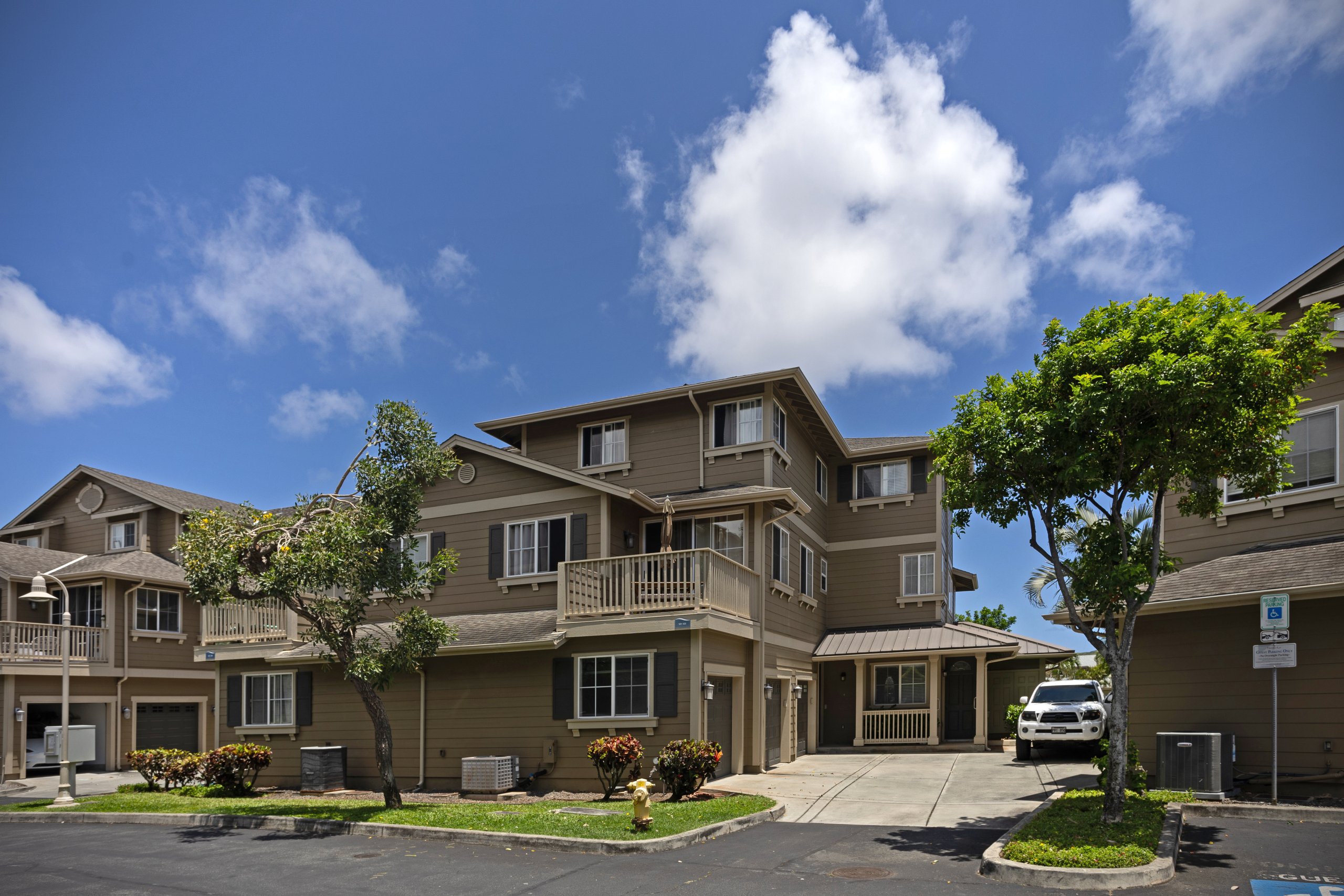
Nanea Kai (Hawaii Kai)

Leave your opinion here. Please be nice. Your Email address will be kept private, this form is secure and we never spam you.