Oʻahu Flood Map Changes Take Effect June 10, 2026: What Buyers, Sellers, and Real Estate Agents Should Know Now
A flood zone change may sound like a paperwork issue, but for Oʻahu buyers, sellers, and real estate agents, it can affect financing, insurance costs, closing timelines, renovation plans, disclosure conversations, and long-term ownership costs.
On June 10, 2026, FEMA’s updated Flood Insurance Rate Maps for the City and County of Honolulu are scheduled to take effect. According to Hawaiʻi REALTORS®, the update redraws flood zones along nearly 100 miles of Oʻahu streams and places approximately 3,492 parcels into a Special Flood Hazard Area for the first time.
That means some properties that were previously in a lower-risk flood zone may now be mapped into a higher-risk zone, commonly an A or V zone. For owners, buyers, sellers, and agents, this is worth understanding before it becomes a surprise in escrow.
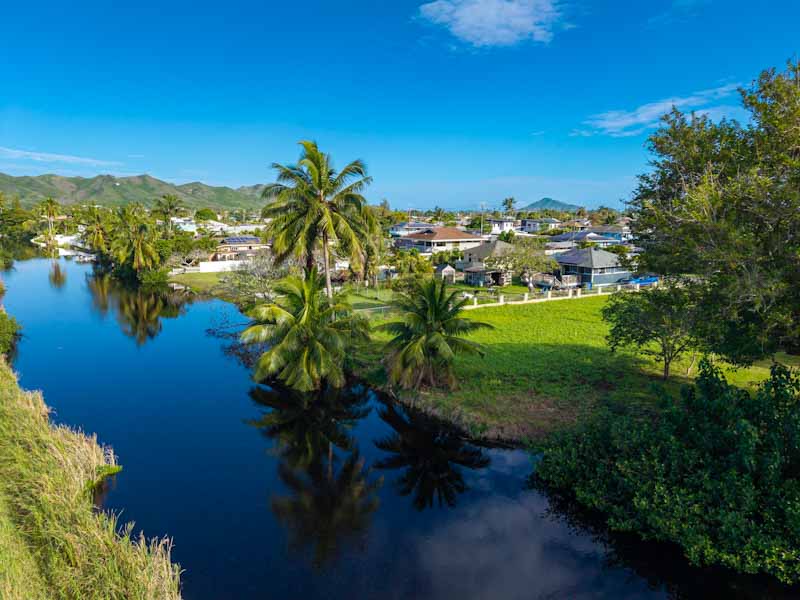
Why the Oʻahu Flood Maps Are Changing
Flood risk changes over time. Development, land use, drainage patterns, storms, erosion, and updated mapping technology can all affect how risk is measured.
The City and County of Honolulu’s Resilience Office explains that FEMA studied flood risk along numerous Oʻahu streams from 2019 through 2024, including many streams that had not previously been studied in detail. FEMA issued finalized maps and a Letter of Final Determination on December 10, 2025, with the updated Flood Insurance Rate Maps becoming effective June 10, 2026.
You can review the City’s local flood map update information at Resilient Oʻahu’s FIRM Update page.
Special Flood Hazard Areas include zones such as A, AE, AEF, AH, AO, V, and VE. These areas are regulated by the City and are considered by FEMA to have special flood or flood-related erosion risk.
What This Means for Sellers
For sellers, the most important issue is not just whether your property is in a flood zone today. It is whether the buyer, lender, insurer, appraiser, or escrow timeline will be affected once the new maps become effective.
Even if a new flood designation is not effective until June 10, early communication can prevent a transaction from being derailed. A buyer who discovers a new insurance requirement late in escrow may need more time to get quotes, confirm coverage, adjust their monthly budget, or revisit financing.
If you are preparing to sell an Oʻahu property, especially one near a stream, drainageway, low-lying area, or previously unmapped inland flood area, consider doing the following before listing:
- Check both the current and future flood map. Do this before going active, not after an offer comes in. Start with Resilient Oʻahu’s Get Flood Ready map resources, then confirm official flood map information through the FEMA Flood Map Service Center.
- Ask your listing agent how the change should be addressed in your seller disclosures. Disclosure rules can be fact-specific, so get guidance early.
- Gather useful documentation. This may include the current flood zone, preliminary or new flood zone, elevation certificate if available, past insurance information, and any flood-related improvements.
- Talk to an insurance agent. Even if the buyer will purchase their own policy, knowing the likely insurance impact helps you answer buyer questions with confidence.
- Be ready for lender questions. If the buyer is using a mortgage, the lender may require flood insurance once the property is mapped into a Special Flood Hazard Area.
This does not mean your property cannot sell. It means the sale needs to be managed with better information upfront.
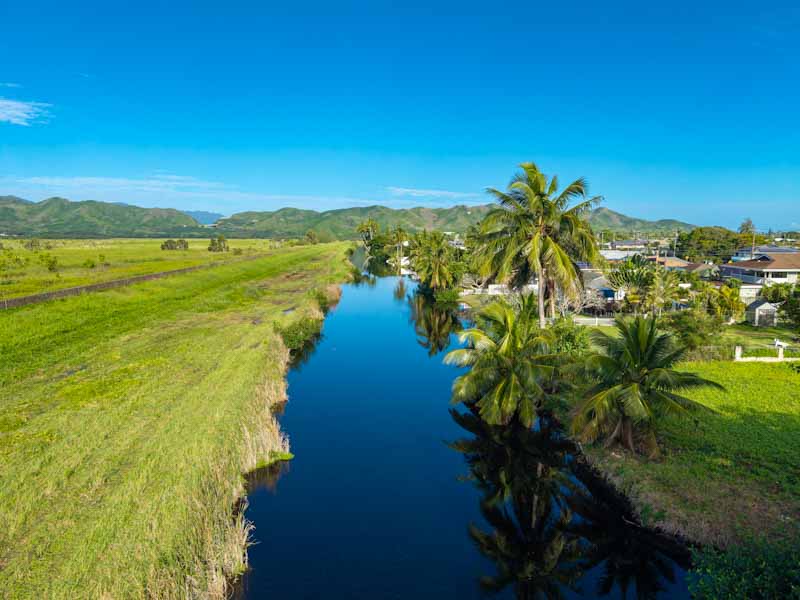
What This Means for Buyers
For buyers, a flood zone change can affect affordability and due diligence. If a property is newly mapped into a Special Flood Hazard Area and the buyer is using a federally backed, federally regulated, or federally insured mortgage, flood insurance may be required by the lender.
Hawaiʻi REALTORS® specifically notes that FHA, VA, USDA, and conventional financing can be affected when the property is in a newly designated flood zone.
A buyer should not wait until final loan approval to investigate this. Flood insurance premiums can affect the monthly payment, debt-to-income calculations, and overall comfort with the purchase.
Before writing an offer, or at least during the inspection period, buyers should ask:
Is the property’s flood zone changing on June 10, 2026?
Use Resilient Oʻahu’s Get Flood Ready resources to compare the current and updated maps.
Will my lender require flood insurance?
Ask your lender early, especially if the home is moving into an A or V zone.
How much will flood insurance cost?
Get a quote from an insurance agent familiar with NFIP and private flood insurance options.
Does the property have an elevation certificate?
An elevation certificate may help an insurance agent evaluate risk and pricing, although it is not always available.
Could the new flood zone affect future renovations?
Floodplain rules can matter if you plan to remodel, rebuild, elevate, expand, or make substantial improvements.
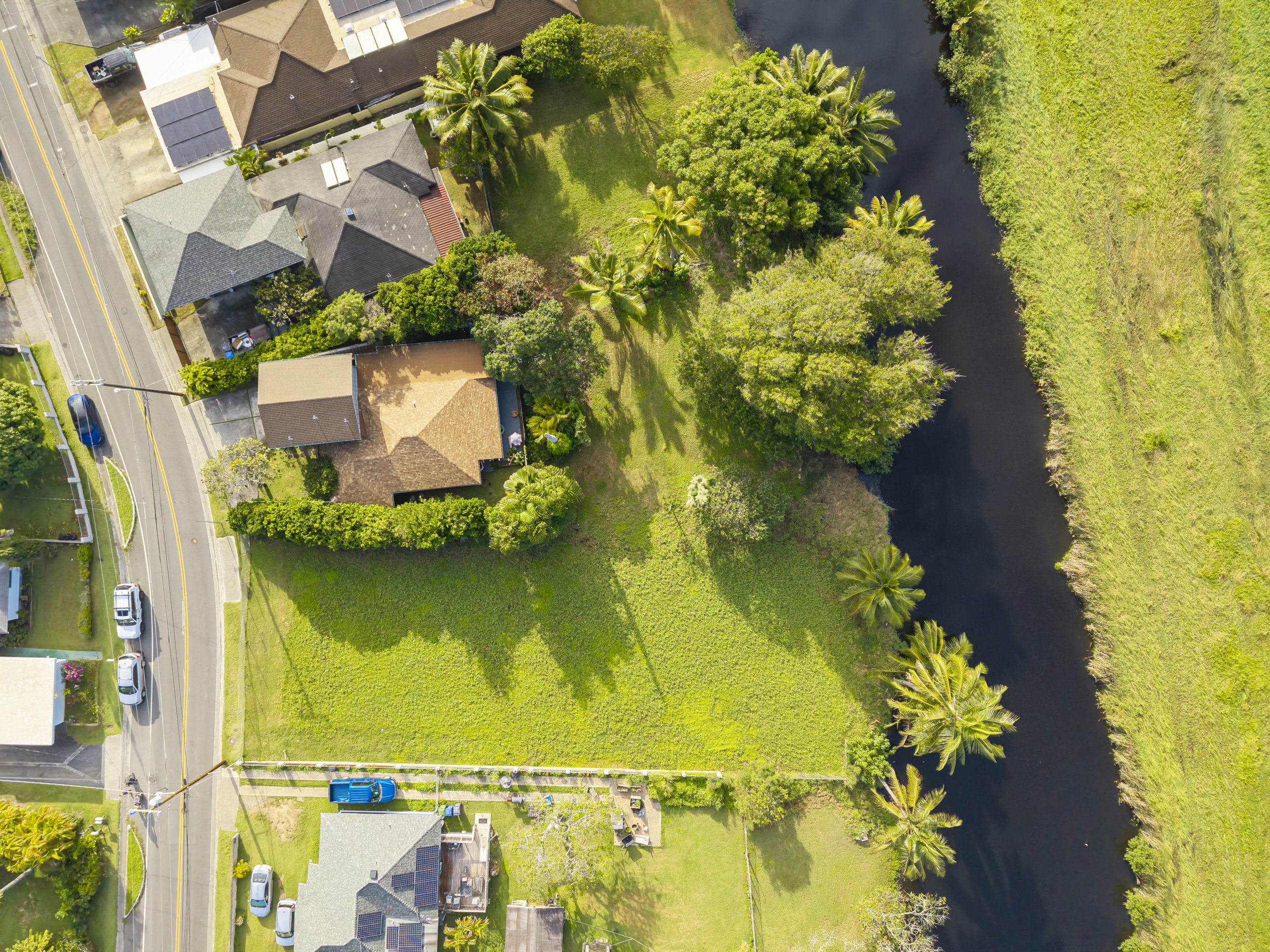
What This Means for Real Estate Agents
For real estate agents, this map update is a practical reminder that flood zone due diligence should happen early — ideally before a listing goes live or before a buyer submits an offer.
A newly mapped flood zone can affect loan conditions, insurance requirements, closing timelines, seller disclosure conversations, buyer confidence, and post-closing ownership costs. The earlier the agent identifies the issue, the easier it is to keep the transaction moving.
At Hawaii Life, I work with nearly 100 of Oʻahu’s best agents, and this is exactly the type of issue where experienced representation matters. A strong agent is not just helping a client find or sell a home. A strong agent is helping anticipate risk, ask better questions, coordinate with lenders and insurance professionals, and prevent avoidable escrow surprises.
For listing agents, this means checking the new flood map before launching a property, especially if the home is near a stream, drainage corridor, low-lying area, or inland waterway. If the property appears to be newly mapped into a Special Flood Hazard Area, the agent should help the seller gather information and prepare for buyer questions.
For buyer’s agents, this means checking the property’s current and future flood zone as part of early due diligence. If a flood insurance requirement may apply, the buyer should speak with the lender and insurance provider as soon as possible.
Agents should also be familiar with the following resources:
- Hawaiʻi REALTORS® article on the new Oʻahu flood zones
- Resilient Oʻahu Get Flood Ready map resources
- Resilient Oʻahu FIRM Update page
- FEMA Flood Map Service Center
- Hawaiʻi DLNR National Flood Insurance Program page
- FEMA resources for real estate, lending, and insurance professionals
- FloodSmart guide to buying a flood insurance policy
The bottom line for agents is simple: do not let the flood zone issue come up for the first time at loan underwriting, final insurance review, or days before closing.
The Insurance Timing Matters
One of the biggest risks is waiting too long.
The City’s Resilience Office states that once the updated FIRMs become effective on June 10, 2026, regulatory and flood insurance requirements also take effect. If a property is required to have flood insurance and the owner does not purchase a policy within 45 days after the effective date, the lender may force-place a policy, leaving the owner with little control over cost or coverage terms.
You can review the City’s guidance at Resilient Oʻahu’s FIRM Update page.
Flood insurance timing can also be nuanced. FEMA’s FloodSmart guide to buying a policy explains that NFIP flood insurance coverage generally goes into effect 30 days after purchase, but there are exceptions, including certain mortgage-related purchases and newly designated high-risk flood zones.
The practical takeaway is simple: do not wait until the lender sends a notice or the closing date is approaching. Talk to your lender and insurance agent now so you understand the best timing for your situation.
Newly Mapped Discount: A Potential Opportunity
There may be some good news for properties newly mapped into a Special Flood Hazard Area.
FEMA’s NFIP information for agents states that a property newly mapped into an SFHA may be eligible for the Newly Mapped discount if the owner purchases or renews a flood insurance policy within the first 12 months after the map update. FEMA describes the discount as a 70% premium discount applied to the first $35,000 of building coverage and the first $10,000 of contents coverage, with the discount phasing out annually until the premium reaches the full-risk rate.
You can read FEMA’s explanation here: NFIP Newly Mapped Discount.
The City also notes that Oʻahu participates in FEMA’s Community Rating System, which provides a 10% discount on NFIP premiums for policyholders on Oʻahu based on City actions to reduce flood risk. More information is available through Resilient Oʻahu’s FIRM Update page.
Buyers and sellers should confirm eligibility with an insurance professional. Discounts, coverage limits, timing, loan requirements, and private flood insurance options can vary.
How to Check a Property
There are two resources I would start with:
1. Resilient Oʻahu’s flood map resources
The City’s Resilient Oʻahu Get Flood Ready page provides local guidance and map resources related to Oʻahu flood risk. Hawaiʻi REALTORS® also points to Resilient Oʻahu’s interactive map as a way to compare a property’s current flood zone with the new zone taking effect June 10.
2. FEMA Flood Map Service Center
The FEMA Flood Map Service Center is the official public source for flood hazard information produced in support of the National Flood Insurance Program. This is where buyers, sellers, lenders, and insurance professionals can confirm official flood map information.
For additional local guidance, the State of Hawaiʻi DLNR NFIP page explains that DLNR acts as the State Coordinating Agency for the NFIP and works with Hawaiʻi’s participating counties on floodplain management and NFIP eligibility. You can visit the Hawaiʻi DLNR National Flood Insurance Program page for more information.
What If You Think the Map Is Wrong?
If a property appears to be incorrectly mapped, there may be a process to challenge or revise the designation. The City’s Resilience Office explains that property owners can work with FEMA through a Letter of Map Amendment or Letter of Map Revision process.
However, while a LOMA or LOMR is under review, the current effective FIRM designation remains in place.
You can learn more from Resilient Oʻahu’s FIRM Update page and through FEMA’s official flood map resources at the FEMA Flood Map Service Center.
In other words, this is not something to leave until a week before closing.
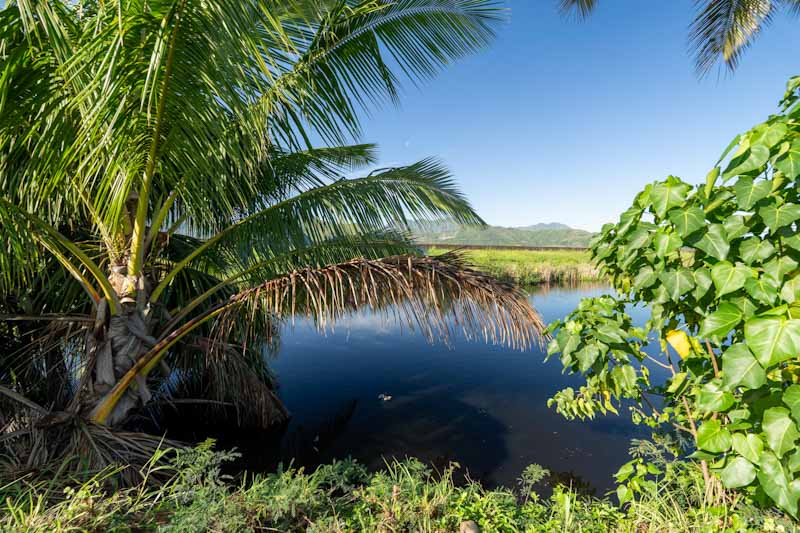
Bottom Line for Oʻahu Buyers, Sellers, and Agents
The June 10, 2026 flood map update is not just a mapping issue. It is a real estate issue.
For sellers, early awareness can help avoid buyer objections, lender delays, and last-minute insurance surprises.
For buyers, checking flood risk early can help you understand the true cost of ownership before you are deep into escrow.
For real estate agents, this is an opportunity to provide real value by identifying issues early, guiding clients to the right resources, and keeping transactions on track.
A newly mapped flood zone does not automatically make a property a bad purchase or a bad listing. It simply means the property needs better due diligence, better communication, and the right insurance and lending conversations upfront.
If you are planning to buy or sell on Oʻahu before or after June 10, now is the time to check the maps, talk with your real estate agent, contact your lender, and get guidance from a qualified insurance professional.
I hope you find this information valuable….Please do not hesitate to contact me if I can answer any specific real estate questions you might have……Aloha, Jon.

Leave your opinion here. Please be nice. Your Email address will be kept private, this form is secure and we never spam you.