Understanding Maui property zoning—especially Residential-3 (R-3) zoning—is essential for homeowners, buyers, and investors looking to maximize the use of their property. R-3 zoning is one of the most common residential zoning types in Maui County, and knowing what’s allowed can help you plan for accessory dwellings, renovations, setbacks, and long-term property value.
What Is R-3 Residential Zoning in Maui?
Maui zoning, especially R-3 residential zoning, has been a hot topic since I started my career in real estate and has been a topic of discussion for quite some time. From my perspective, it makes sense with low inventory, a homeowner should understand the permitted uses of their property to maximize ownership experience. There are many zoning districts, but for this blog, we are going to focus on Maui’s Residential-3 (r-3) zoning.
According to the Maui County Code website (MCCW), Maui residential zoning districts are single family homes established in an area designated for residential neighborhoods without the interruption of commercial and industrial activities.
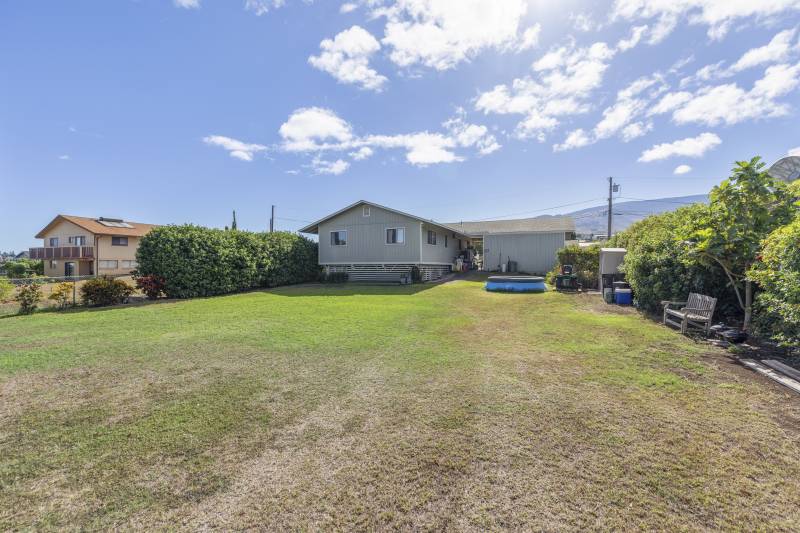
35 Awea Pl Yard, Photo Credit: Pacific Shoots
Maui R-3 Zoning Requirements (Lot Size, Width & Setbacks)
Residential-3 is classified by a lot that is a minimum of 10,000 square feet with a minimum lot width of 70 feet. Important to note are Maui R-3 setback requirements, which determine how close a property can be built to the property lines. Once again referring to the MCCW. Buildings up to 15 feet in height, measured from the natural or finished grade, whichever is lower are subject to the following set backs: 15 feet front and 6 feet side/rear. Buildings that are more than 15 feet in height require: 15 feet front and 10 feet side/ rear.
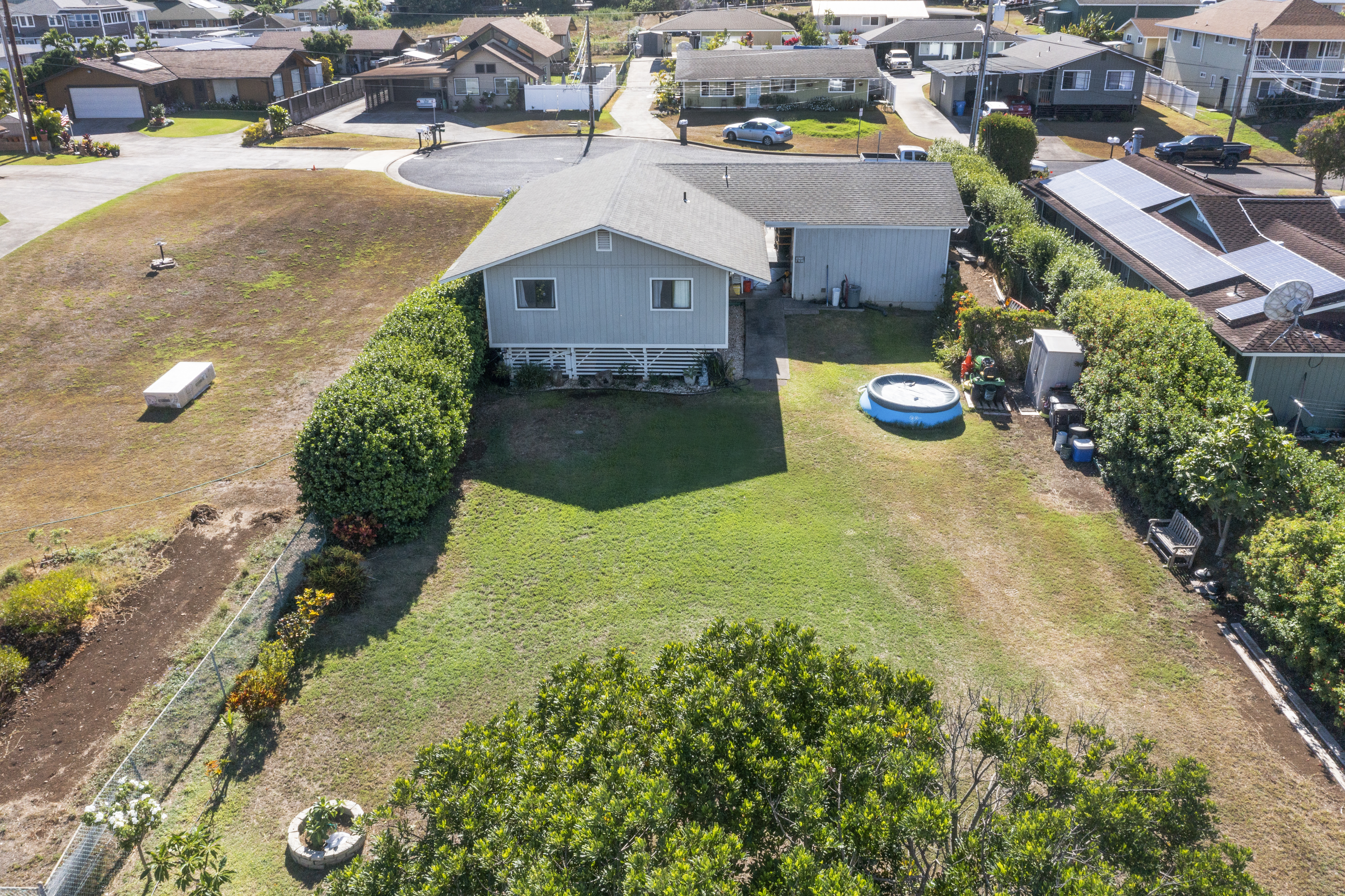
Residential-3 Zoning, Photo Credit: Pacific Shoots
Accessory Dwelling Rules for Maui R-3 Zoning
In Maui accessory dwelling regulations, parcels that are 10,000-21,799 square feet maybe allowed a 720 square foot (maximum gross covered floor area) accessory dwelling. Lots that are 7,500 square feet or greater shall not have more than two accessory dwellings! Recall that R-3 zoning is a minimum of 10,000 square feet, so there is potential for a main home and up to two accessory dwellings. This is great news if you want to maximize living space, but before you start doodling your ideas on your breakfast napkin. There are other variables you’ll need to consider. Click here to see more information on accessory dwellings.
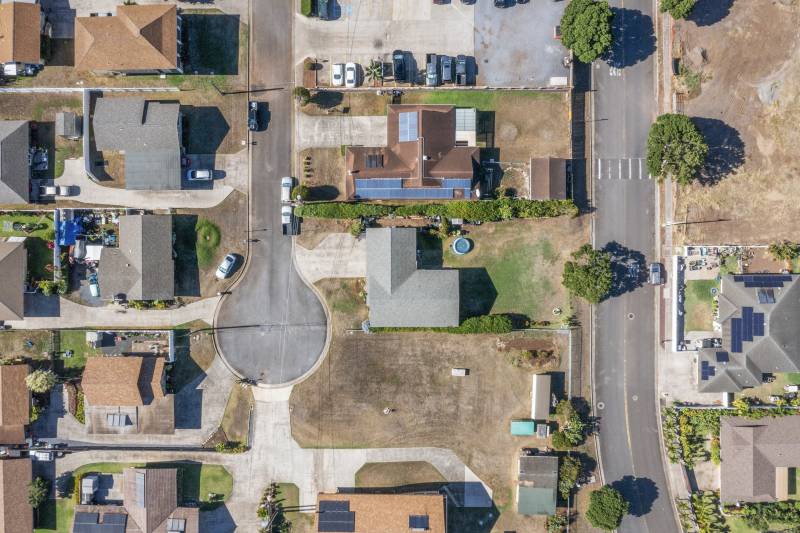
Potential for building an accessory dwelling at 35 Aewa Pl. Photo Credit: Pacific Shoots
Water, Septic & Utility Considerations
Remember that the dwellings will needs to abide by the setbacks. What about water? As part of Maui building requirements, a 5/8th water meter allows 31 fixtures units. If this is a limiting factor, look into purchasing up to eight additional fixtures units for a 5/8th water meter. Click here to see a water meter sizing worksheet. A waste treatment system will need to be designed. Important to note is properties with a cesspool will need to convert to septic system by 2050. Don’t forget about power!
Planning Your Build on an R-3 Zoned Property
It’s important to do your due diligence as you begin the Maui zoning and permitting process for a property you are considering. During the process you’ll work with an architect, Maui County Department of Water Supply, Maui County Planning Department, County Permitting Office, and other relevant professionals depending on your goals. Please feel free to reach out if you have any Maui zoning questions. I’d be happy to help with zoning designation and guide you through the process of turning your ideas into reality.
FAQ: Maui R-3 Zoning
What does R-3 zoning mean in Maui?
R-3 is a residential zoning district for single-family homes with a minimum 10,000 sq. ft. lot.
How many dwellings are allowed on an R-3 lot?
A main house plus up to two accessory dwellings may be allowed depending on lot size and utilities.
What are the R-3 setbacks in Maui?
Setbacks vary based on building height—15 ft front, 6–10 ft side/rear.
Can you build an Ohana on R-3 property in Maui?
Yes, accessory dwellings are allowed under certain conditions.
Take the First Step
It would be my pleasure to assist you with finding a property that fits your needs. I can be reached at 808.796.6956 or richwu@hawaiilife.com.
Let’s talk if you are looking to buy or sell Maui real estate. I’d be happy to provide you with a complimentary home evaluation.

Leave your opinion here. Please be nice. Your Email address will be kept private, this form is secure and we never spam you.