Kihapai ʻOhana: A Kailua Homesite Opportunity Rooted in Maunawili’s Living History
Some properties are best understood by looking at what can be built. Others ask you to look back first.
The Kihapai ʻOhana CPR homesites at 221 Kihapai Street in Kailua offer a rare combination of both: a present-day opportunity to own and build in one of Oʻahu’s most desirable Windward communities, and a deeper connection to the land, water, and history that shaped Kailua long before it became the residential destination it is today.
These homesites sit within a landscape influenced by Maunawili Stream, Kawainui Marsh, the Koʻolau range, and the broader Koʻolaupoko system — a place where water, agriculture, ecology, and community have been connected for centuries.
For the right buyer, this is not simply a vacant CPR homesite.
It is a chance to participate in the next chapter of a place with a very long memory.
Before Modern Kailua: Maunawili as a Place of Abundance
Long before Kailua’s beach neighborhoods, schools, shops, and residential streets became familiar landmarks, the Maunawili and Kawainui watershed was part of a highly productive Hawaiian landscape.
From roughly 900 to 1600 CE, early Hawaiian communities established themselves throughout Koʻolaupoko. Maunawili became especially valued because of its spring-fed freshwater, steady streamflow, fertile alluvial soils, and proximity to the lowland wetlands that supported agriculture and settlement. Loʻi kalo, ʻauwai irrigation systems, and small villages developed near the lower reaches of Maunawili Stream. Oral histories describe Maunawili as a region known for sweet, high-quality taro favored by aliʻi.
This is the foundation of the story.
Maunawili was not simply open land. It was a productive food system. A water system. A cultural system. A place where the ridge, stream, marsh, and ocean worked together.
1600s–1800s: The Ahupuaʻa System at Work
Between the 1600s and 1800s, Maunawili’s agricultural role expanded. Loʻi terraces were built along the valley floor and tributaries, while Maunawili Stream served as a central water source for food production feeding the larger Kailua region.
Archaeological and cultural evidence from the broader Maunawili system includes heiau sites, stone terraces, trails connecting Maunawili to Waimānalo and Nuʻuanu, petroglyphs, and ceremonial areas. The valley became a classic example of the Hawaiian ahupuaʻa relationship: ridge to stream, stream to marsh, marsh to ocean.
That idea still matters today.
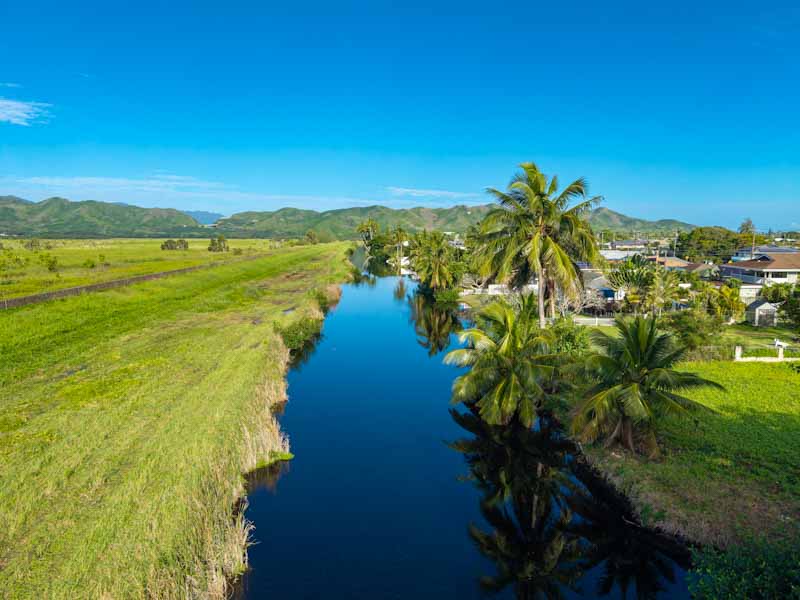
When you stand at Kihapai ʻOhana and look toward the Koʻolau, you are not just seeing a beautiful mountain view. You are seeing the upland source of a watershed that helped shape Kailua’s earliest patterns of life.
1848 and After: Private Ownership, Ranching, Rice, and Change
The Great Māhele of 1848 marked a major shift in Hawaiian land tenure, moving lands from chiefly stewardship toward fee-simple ownership. By 1849, William Jarrett had purchased 670 acres in upper Maunawili, one of the first major private landholdings in the valley.
From the mid-1800s into the early 1900s, the valley continued to evolve. Ranching, small rice farms, cattle operations, piggeries, and diversified agriculture appeared alongside remaining taro terraces. The reason was simple: the valley still had what farmers and land stewards had valued for generations — water, deep loam soils, and a productive natural setting.
Even as land uses changed, Maunawili’s identity remained tied to water and cultivation.
That is part of what makes the Kihapai ʻOhana offering compelling today. The homesites are not isolated from that history; they sit within the larger Kailua landscape that history helped create.
1900–1950: Water, Wetlands, and the Kawainui Connection
During the plantation-era and ranching years, some stream diversions were installed to irrigate pastures and support agricultural use. At the same time, the lowland wetlands now recognized as Kawainui Marsh continued serving as a natural water filtration basin for Maunawili and Kawainui Streams.
This hydrological relationship remains central to understanding the area.
Maunawili Stream originates from Koʻolau summit springs and feeds Kawainui Marsh, the largest remaining wetland in Hawaiʻi. The marsh provides flood control, sediment filtration, and water-quality balance for downstream ecosystems, while supporting native and endangered waterbirds such as the aeʻo, ʻalae ʻula, and ʻalae keʻokeʻo.
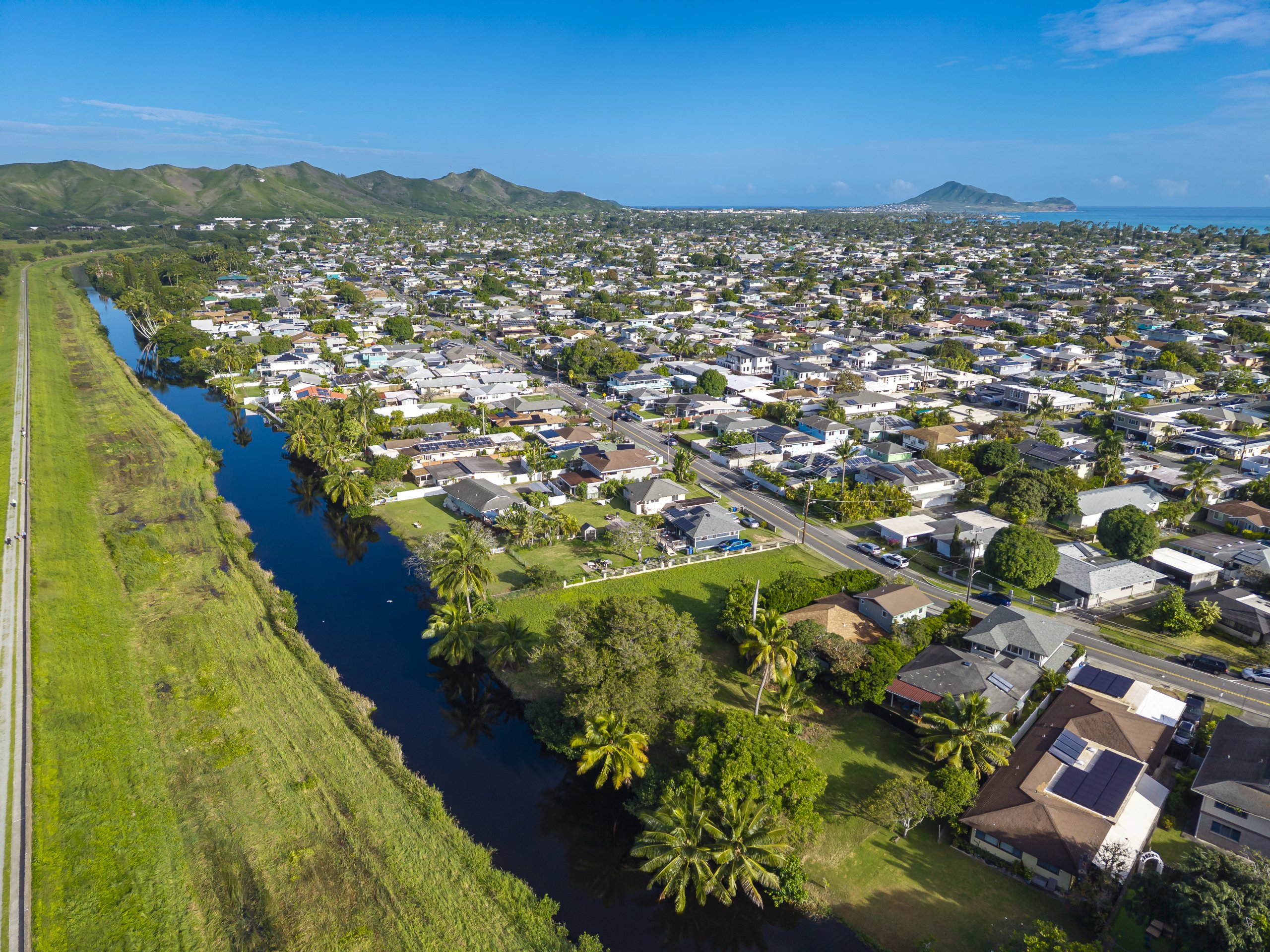
For future owners, this context adds another layer to the property. Thoughtful design is not just about architecture. It is also about drainage, runoff, landscaping, impervious surface area, and respect for the watershed.
1950–1990: Suburban Kailua Grows, Maunawili Endures
From the 1950s through the 1970s, Kailua experienced rapid residential growth. Yet large portions of Maunawili Valley remained intact due to steep topography, agricultural zoning, and the enduring presence of Kawainui Marsh as an ecological and cultural landmark.
By the 1970s through the 1990s, archaeological surveys and environmental advocacy brought renewed attention to historic terraces, ʻauwai, cultural sites, and the need for watershed protection. Kawainui Marsh gained broader recognition for its ecological value, and preservation became part of the public conversation around Kailua’s future.
That tension — growth and preservation — is still part of Kailua today.
It is also why opportunities like Kihapai ʻOhana deserve a more thoughtful lens. New homes can be part of Kailua’s future while still respecting the older story of the land.
2005 to Today: Preservation, Restoration, and Responsible Use
In the modern era, the Maunawili-Kawainui system has been increasingly understood as a living ecological and cultural continuum. Large-scale preservation efforts, land acquisitions, watershed management, stream-flow restoration, cultural resource protection, and native wetland bird habitat projects all point to the same priority: balancing residential use, historical integrity, and ecological function.
That balance is the heart of the Kihapai ʻOhana opportunity.
These CPR homesites offer the chance to own in Kailua, but not in a way that ignores the land’s past. The opportunity is to build with intention — to create homes that work with light, airflow, drainage, landscaping, and the natural setting.
The Present-Day Opportunity: Three CPR Homesites in Kailua
Against that historical backdrop, the Kihapai ʻOhana CPR offering becomes even more meaningful.
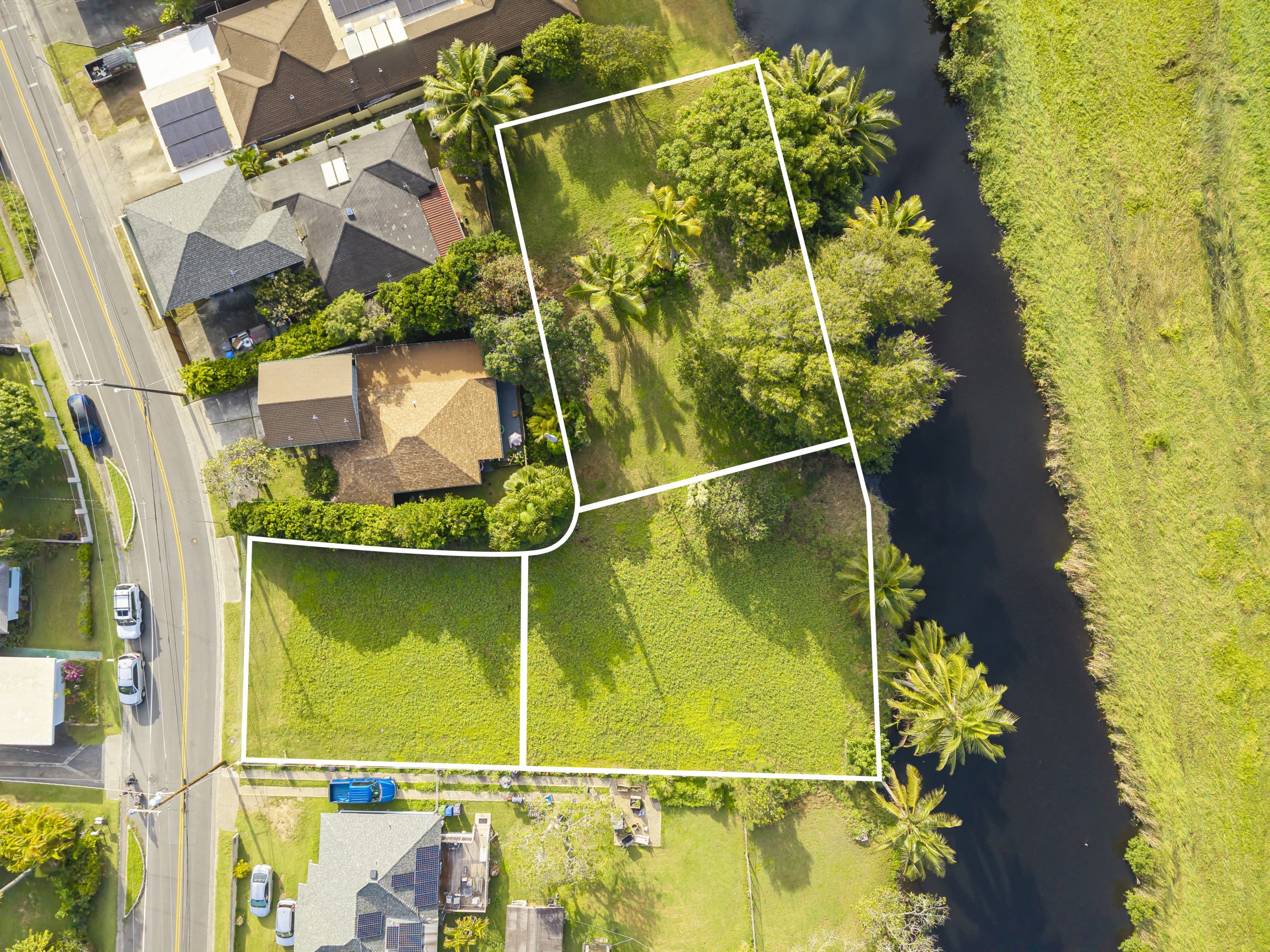
This is a rare chance to own one of three fee-simple CPR homesites in Kailua, each with its own design potential and relationship to the surrounding landscape.
Unit 1 offers a grounded homesite opportunity with the potential for privacy, outdoor space, and a comfortable single-level or modest two-story home design.
Unit 2 provides a balanced setting with flexibility for indoor-outdoor living, thoughtful orientation, and Windward-style design.
Unit 3 offers some of the strongest Koʻolau view potential, making it especially compelling for a buyer who wants the finished home to be shaped by mountain views, morning light, and the changing weather patterns of the Windward side.
Each homesite has a different feel. Each offers a different way to live in Kailua. And each gives a buyer the opportunity to create a home within a place that has been valued for centuries.
Why CPR Ownership Matters Here
A Residential CPR / Spatial Unit structure can create separate ownership opportunities on one underlying parcel. For buyers, that means the ability to own a defined homesite interest with associated rights, responsibilities, exclusive-use areas, and shared elements governed by CPR documents.
In a market like Kailua, that matters.
Land is limited. Traditional subdivision opportunities are rare. Buildable homesites with planning momentum are even harder to find.
Kihapai ʻOhana stands out because it offers buyers a clearer path than starting from raw land with no direction. Existing planning materials already contemplate detached residential construction, stormwater and impervious surface considerations, fire-sprinkler coordination, flood-zone awareness, utility planning, and energy-code/PV-ready compliance.
That does not replace buyer due diligence. But it does give a buyer something valuable: context, direction, and a stronger starting point.
Building With the Land in Mind
The history of Maunawili offers an important reminder: water has always shaped this area.
For ancient farmers, water fed loʻi and sustained communities.
For the marsh, water continues to filter sediment, support native birds, and help manage flood conditions.
For today’s owner-builder or developer, water means something practical as well: thoughtful site design, smart drainage, responsible landscaping, and attention to impervious surface area.
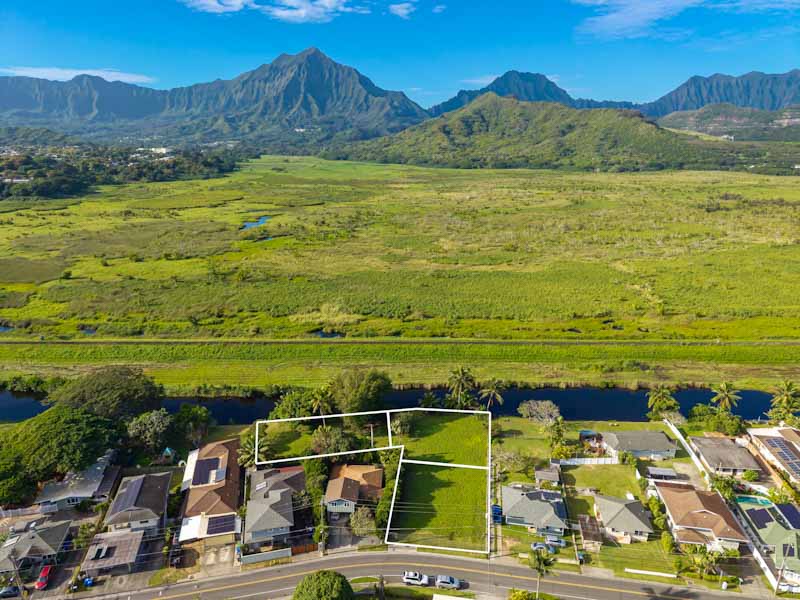
Kihapai ʻOhana is an opportunity to build new homes in a way that acknowledges that relationship. The best homes here will not simply be placed on the land. They will be designed for it.
More Than a Lot Line
What makes Kihapai ʻOhana special is not only the ability to build.
It is the combination of history, location, and possibility.
The past is present in Maunawili’s stream system, the agricultural legacy of loʻi kalo and ʻauwai, the Kawainui wetland corridor, and the Koʻolau mountains that frame the view.
The present is found in the CPR homesite opportunity, the build-forward planning, and the chance to own in Kailua.
The future belongs to the buyer who sees both.
For someone looking for more than a standard house-and-lot purchase, one of these CPR homesites may be the right beginning: a place to build a home, a lifestyle, and a lasting connection to Kailua’s larger story.
Ready to Walk the Land?
Kihapai ʻOhana is best experienced in person.
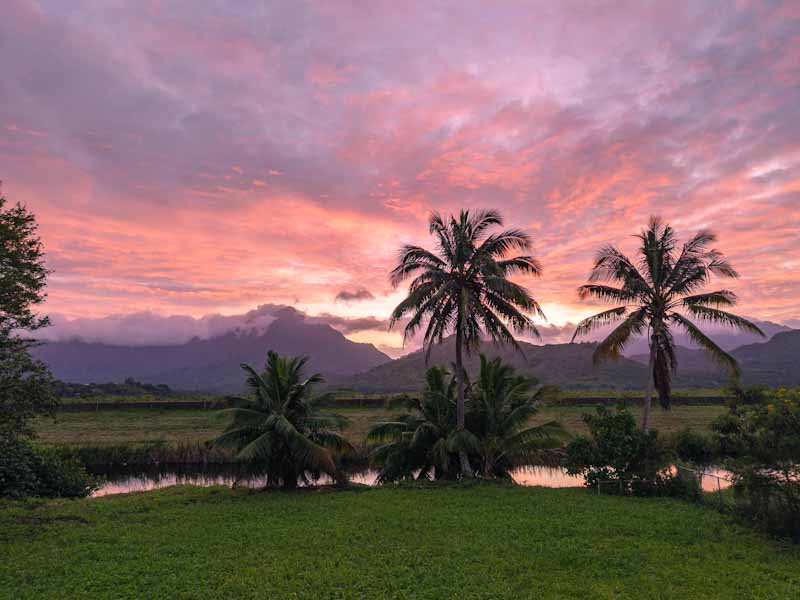
Walk each homesite. Look toward the Koʻolau. Notice the air, the green edges, the nearby stream corridor, and the way the setting still feels connected to the larger Maunawili-Kawainui system.
Some properties are easy to understand from a screen.
This one is different.
To understand Kihapai ʻOhana, you need to stand on the land and see how the past and future meet.
Just let me know if you would be interested in conducting a site walk……I look forward to hearing from you….Aloha, Jon.

Leave your opinion here. Please be nice. Your Email address will be kept private, this form is secure and we never spam you.