How to Price Your Hawaii Home in a Way That Attracts the Right Buyer in a Stable Market
Pricing a home in Hawai‘i used to feel simpler when the market was moving fast. Sellers could aim high, wait for a wave of urgency, and often find a buyer willing to stretch.
A stable market works differently.
Today, many buyers have more time to compare, more listings to review, and less interest in overpaying just because a home is available. Hawai‘i market data and local agent reporting both point to a more measured environment, with inventory higher in some segments, homes taking longer to sell, and buyers becoming more selective. That does not mean homes are not selling. It means pricing matters more.
That is why a smart seller should not ask, “What is the highest number I can try?” A better question is, “What price will make the right buyer feel this home is worth seeing, worth touring, and worth offering on?”
That is the real goal of a strong Hawaii listing price strategy.
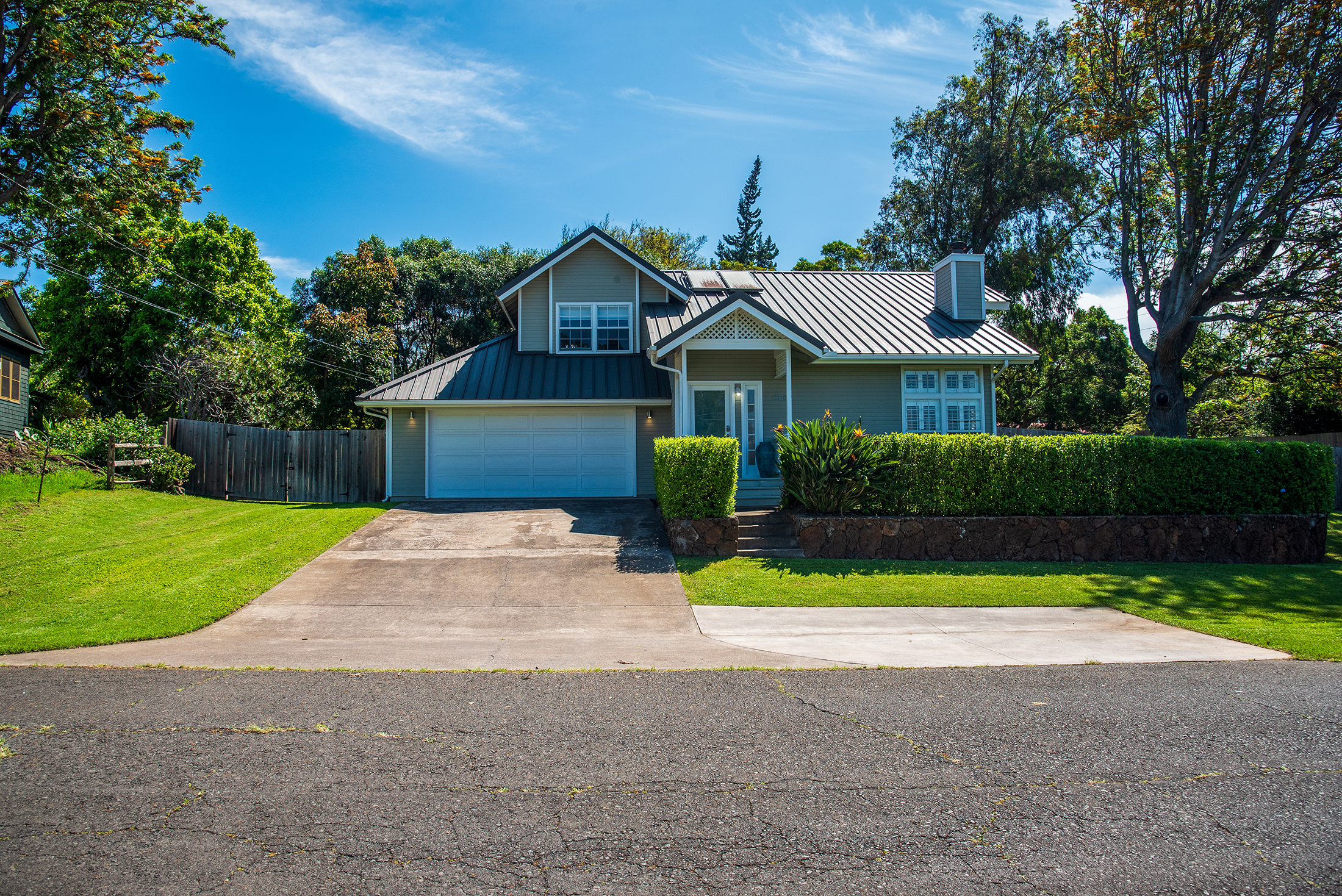
In a stable market, pricing is about fit, not just value
A home can be priced close to market value and still miss the right buyer if the number does not line up with how buyers actually shop.
Most buyers begin online. They sort by island, area, property type, condition, and budget. They compare your home with other hawaii homes for sale, other hawaii houses for sale, and other hawaii property for sale that appear in the same search range. They are not judging your home in isolation. They are judging it against every realistic alternative they can see in a few minutes.
That means price has two jobs.
- First, it has to reflect real market value.
- Second, it has to feel convincing compared with the competition.
If the number feels off, buyers do not always stop to investigate. Many simply move on.
The market sets the price, not the seller
This is the starting point for every good pricing decision.
A seller may have a number in mind based on what they paid, how much they spent on upgrades, or what they hope to walk away with. But buyers do not price homes that way. They look at what similar homes have actually sold for, what is available right now, and whether your home feels stronger or weaker than those alternatives.
That is also how professionals build pricing advice. Hawai‘i Life’s current guidance is clear: pricing should reflect recent comparable sales, buyer demand, and available inventory, because the market sets the price, not the seller. It also notes that active listings show competition, while sold homes show what buyers have actually paid.
That distinction matters.
If you base your list price only on active listings, you can end up chasing other sellers who may also be overpriced. Sold properties are what anchor reality.
Attracting the right buyer starts with knowing who that buyer is
Not every home attracts the same buyer, even within the same area.
Some homes appeal most to full-time local residents. Others fit second-home buyers better. Some attract investors looking at long-term rental potential. Others are best suited to buyers who care more about privacy, views, layout, or future flexibility than pure square footage.
Your price should speak to the buyer who is most likely to act.
That matters because different buyers compare differently. A practical family shopping within a tight monthly budget will study value very carefully. A second-home buyer may care more about condition, ease, and lifestyle fit, but will still compare your home against competing properties. In either case, if the price does not make sense within that buyer’s decision process, the home may get attention without getting traction.
Your real competition is local and specific
One of the biggest pricing mistakes in Hawai‘i is treating the market like one single thing.
It is not.
Different islands behave differently. Different neighborhoods behave differently. A condo does not price like a single-family home. A move-in-ready property does not price like one that needs work. Even within the same district, small location differences can change value in a big way.
Micro-location matters in Hawai‘i, including road access, proximity to town or the ocean, and local climate factors. O‘ahu data also shows how different property types can behave inside the same market: in January 2026, about 31 percent of single-family home sales closed above original asking price, while only 7 percent of condo sales did, with most condo sales closing below asking.
That is why copying the price of a nearby listing rarely works on its own. Your home has to be priced for its exact lane.
Overpricing does not create leverage in a stable market
Many sellers still assume they should start high and come down later if needed.
That sounds safe, but in a stable market it often costs more than it helps.
When a home is priced above comparable options, buyers may never schedule a showing. Buyer agents often steer clients toward homes that look better positioned. And the longer a listing sits, the more buyers begin to wonder whether something is wrong with it. This point directly and adds that homes that start too high often end up selling for less than they might have if they had been priced correctly from the beginning.
That is why the first price matters so much.
You do not get endless chances to make a first impression. The strongest early attention usually comes when the home is new to the market. If the price blocks that momentum, it can be hard to get it back.
Condition matters just as much as the number
Price is never judged alone. Buyers connect price with what they see.
A home that feels clean, well-maintained, and easy to move into can often support a stronger number. A home with visible wear, unfinished projects, older systems, or signs of moisture may struggle, even if the location is good.
That is not unfair. It is how buyers calculate risk.
At Hawai‘i Life we have seen that buyers tend to pay more for homes that feel move-in ready, while deferred maintenance and outdated systems can weigh on value.
So before deciding on price, it helps to ask an honest question: does the home look and feel like the number you want buyers to accept?
If not, the answer may be to improve presentation, adjust the price, or do a bit of both.
Search ranges matter more than many sellers realize
This is where pricing becomes strategic.
Online buyers often search in brackets. They may look under a certain number because of budget, financing comfort, or simple browsing habits. If your home sits just above an important threshold, you may miss buyers who would have loved the home but never saw it.
That does not mean every home should be priced below a round number. It means search behavior should be part of the conversation.
A sharp Hawaii listing price strategy considers where the home will show up, what it will be compared against, and whether the asking price helps the listing enter the strongest buyer pool. A home priced to be seen by the right group often performs better than one priced mainly to test the seller’s ideal outcome.
The right price makes negotiation easier, not harder
Some sellers worry that pricing realistically means leaving money on the table.
In practice, the opposite can happen.
A home that feels well-priced brings better energy into the process. Buyers view it more seriously. Agents are more likely to recommend it. Showings tend to be stronger. Negotiations often begin from a place of confidence rather than skepticism.
A home that feels overpriced, on the other hand, can attract defensive offers, extended silence, or repeated requests for reductions.
The goal is not to price low for the sake of speed. The goal is to price in a way that supports trust. When buyers believe the number makes sense, they are more willing to act.
Watch the market response early
Even a well-researched price should be tested against real buyer response.
The first week or two tells you a lot. Are people saving the listing? Are showings happening? Are agents bringing buyers through? Are visitors commenting positively on value, or are they saying the home feels high for the area or condition?
That feedback matters. The first few weeks on market bring the most attention, and that buyer feedback is one of the clearest signals of whether pricing is working in real time.
If the market is giving you very little engagement, the answer is usually not to wait and hope. It is to reassess quickly while the listing still feels fresh.
Final thoughts
Pricing your home well in Hawai‘i is not about chasing the highest possible number. It is about creating the conditions that make the right buyer feel confident enough to move.
In a stable market, that takes discipline.
It means using sold comps, not wishful thinking. It means understanding your local competition. It means matching the price to the buyer you actually want. It means respecting how people compare hawaii homes for sale, hawaii houses for sale, and hawaii property for sale online before they ever step through the door.
That is what makes a real Hawaii listing price strategy work.
And that is what helps your home attract not just attention, but the right kind of attention.
FAQs
What is the best way to price a Hawai‘i home in a stable market?
Start with recent sold comps, current competition, property condition, and the specific neighborhood or property type your home fits into. In a stable market, buyers compare more carefully, so pricing needs to feel supported from the start.
Why does overpricing hurt more when the market is stable?
Because buyers usually have more options and more time. If the home looks overpriced next to similar listings, many buyers skip it, and the listing can lose momentum early.
Should I price my condo the same way I would price a single-family home?
Usually not. Buyer behavior can differ a lot by property type. O‘ahu data, for example, shows stronger above-asking activity in single-family homes than in condos, which means pricing strategy should reflect the segment you are actually in.
What matters more: active listings or sold comps?
Both matter, but they do different things. Active listings show what you are competing against. Sold comps show what buyers have actually been willing to pay. Good pricing uses both.
How do I know if my list price is working?
Look at early showing activity, buyer feedback, saves, inquiries, and how the home compares with similar listings. Weak response in the first couple of weeks often means the market is telling you something about price or presentation.

Leave your opinion here. Please be nice. Your Email address will be kept private, this form is secure and we never spam you.