Is a 16 kW Solar System Enough to Power Your Home and Electric Vehicle?
With Hawaii consistently having some of the highest electricity rates in the nation, many homeowners are considering solar power as a long-term investment. One of the most common questions I hear is:
“Can a 16 kW solar system power my entire home and an electric vehicle?”
For many households, the answer is yes.
How Much Power Does a 16 kW Solar System Produce?
A 16-kilowatt (kW) solar system typically consists of 40 solar panels, each rated at 400 watts.
40 panels × 400 watts = 16,000 watts (16 kW)
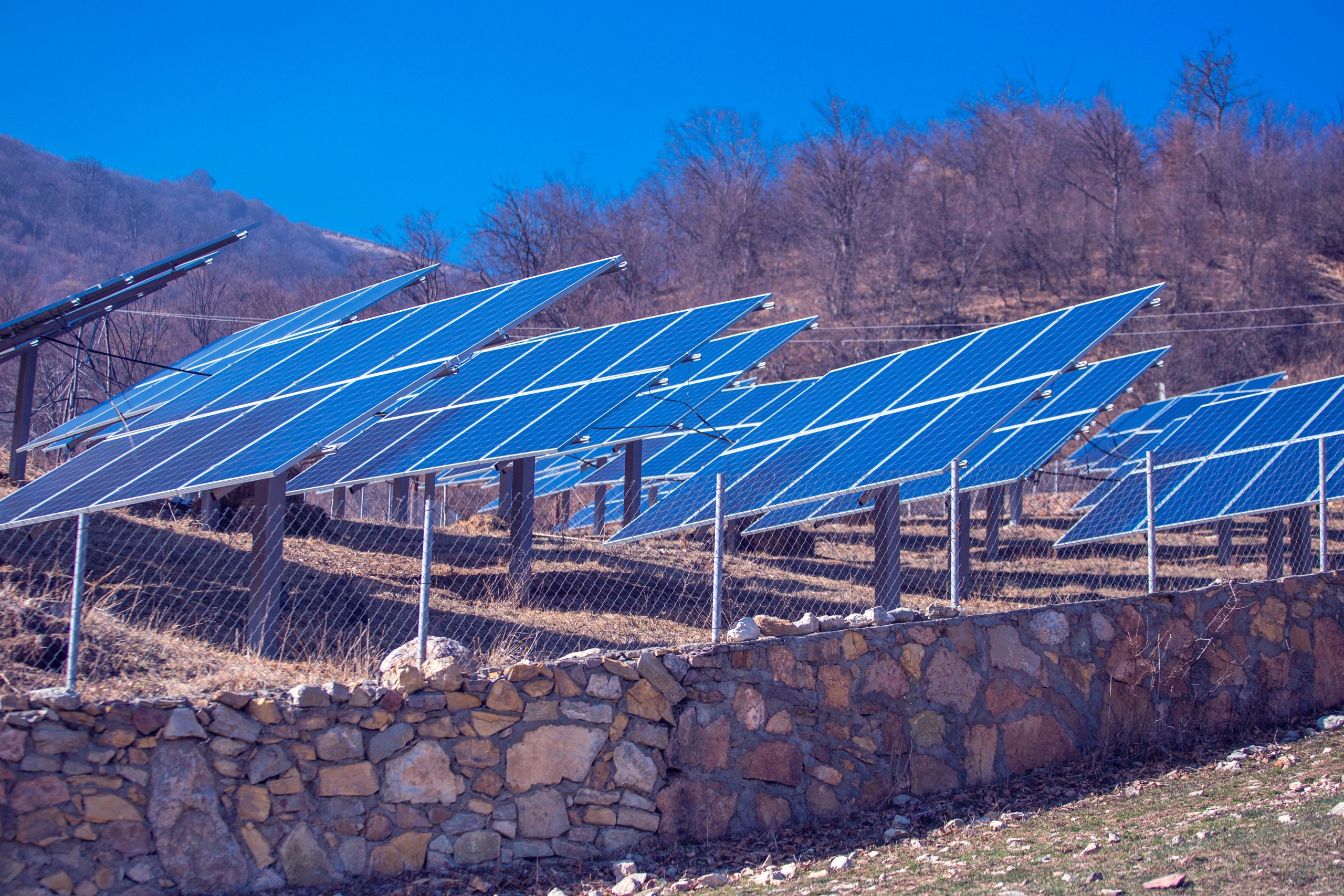
This size system is considered large enough to support the energy needs of many modern households while also charging an electric vehicle.
Can It Power Your Home?
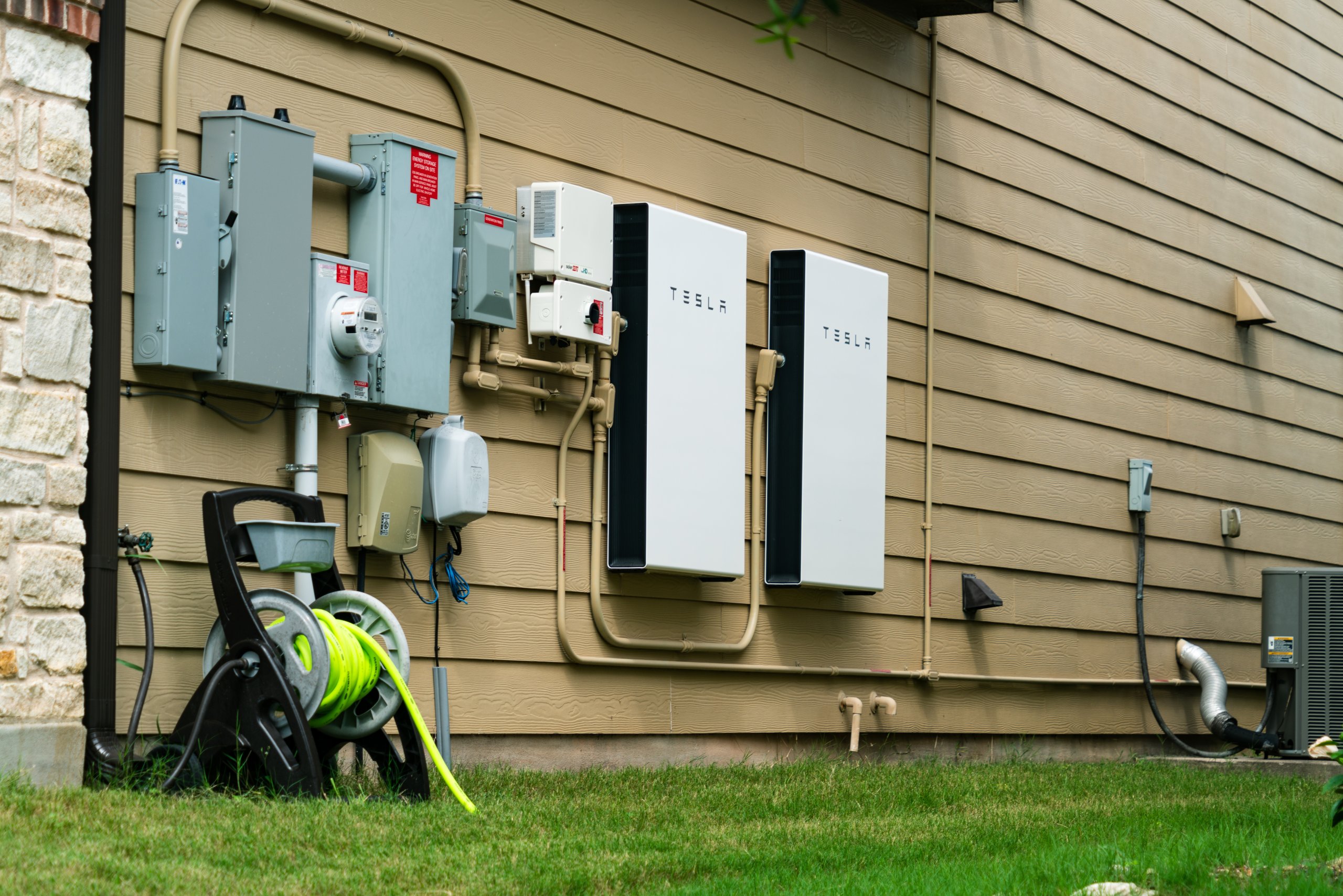
A properly designed 16 kW solar system can comfortably power an energy-efficient home between 3,000 and 3,500 square feet, depending on your lifestyle and energy consumption.
Homes with the following features are excellent candidates:
- Energy Star appliances
- LED lighting
- Well-insulated construction
- High-efficiency water heaters
- Efficient air conditioning systems
Of course, every family’s energy use is different. A smaller home with high electricity usage may consume more power than a larger, energy-efficient home.
Charging an Electric Vehicle
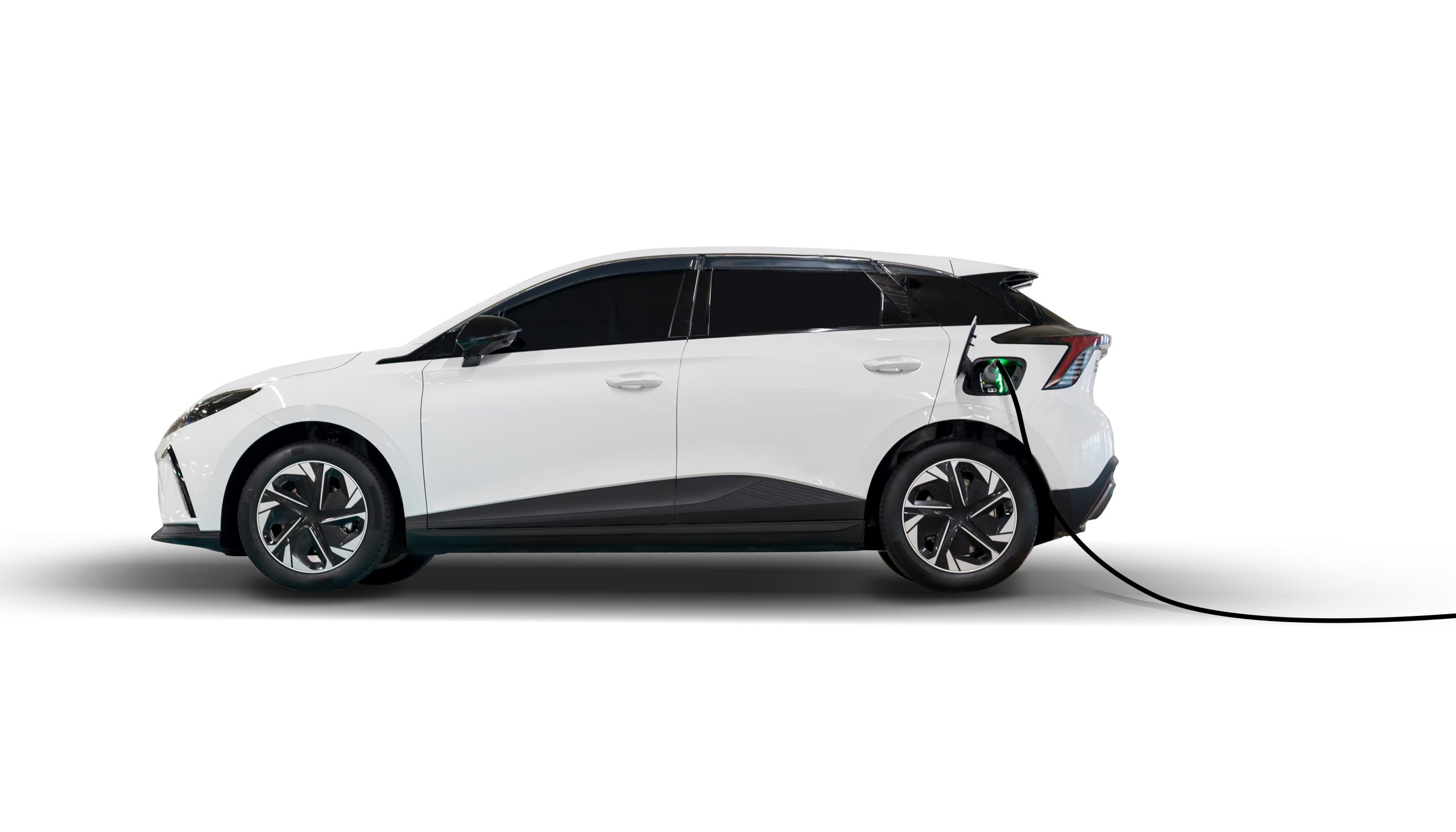
Adding an electric vehicle doesn’t necessarily require a much larger solar system.
The average EV consumes approximately 0.3 kWh per mile.
If you drive:
- 40 miles per day
- You’ll use approximately 12 kWh each day
- Or about 4,400 kWh annually
That amount of electricity can typically be offset by the production of 6 to 8 of your 40 solar panels.
That still leaves the equivalent output of 32 to 34 panels dedicated to powering your home.
What Size Home Can the Remaining Solar Power Support?
After accounting for charging your electric vehicle, your system still provides approximately 12.8 to 13.6 kW for household use.
For comparison:
- A typical 10–12 kW solar system powers a 2,000–2,500 sq. ft. home.
- A 16 kW system can generally support:
- A 3,000 sq. ft. home with standard appliances and central air conditioning.
- Up to a 3,500 sq. ft. home using energy-efficient appliances and lighting.
Factors That Affect Solar Production
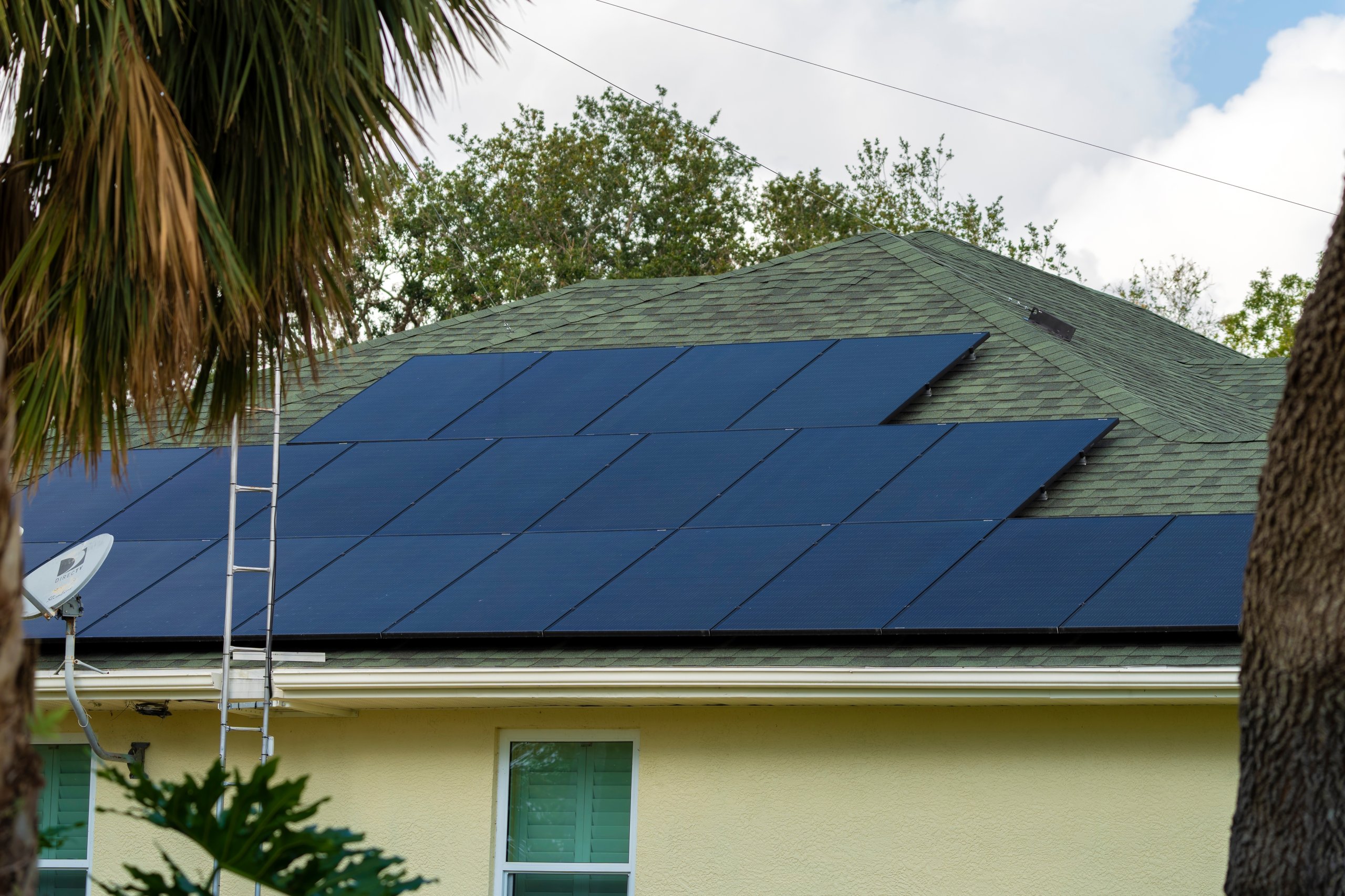
No two homes are exactly alike. Several variables determine how much electricity your system will actually produce:
- Roof orientation
- Roof pitch
- Amount of direct sunlight
- Local weather conditions
- Tree shading
- Number of peak sun hours
- Air conditioning usage
- Electric heating
- Swimming pools or spas
- Additional electric vehicles
These factors should always be considered when designing a solar system.
How Long Does It Take to Recover Your Investment?
Let’s assume:
- Solar installation cost: $50,000
- Current electric bill: $150 per month
- Annual electric savings: $1,800
Base Payback Calculation
Annual savings:
$150 × 12 = $1,800
Payback period:
$50,000 ÷ $1,800 = 27.8 years
At first glance, this may seem longer than the typical 25-year warranty offered by most solar panel manufacturers.
However, this calculation assumes your electricity bill never increases and ignores available tax incentives.
Rising Electricity Rates Improve Your Return
Electricity prices rarely stay the same.
Historically, utility rates have increased approximately 3%–5% annually.
As utility rates climb, every kilowatt-hour produced by your solar panels becomes more valuable, meaning your annual savings continue to grow and your actual payback period is often shorter than simple calculations suggest.
Additional Incentives
Depending on where you live, you may also qualify for:
- State tax incentives
- Utility rebates
- Solar Renewable Energy Certificates (SRECs)
- Battery storage incentives
These programs can significantly reduce your overall investment.
Hawaii Homeowners Have an Additional Advantage
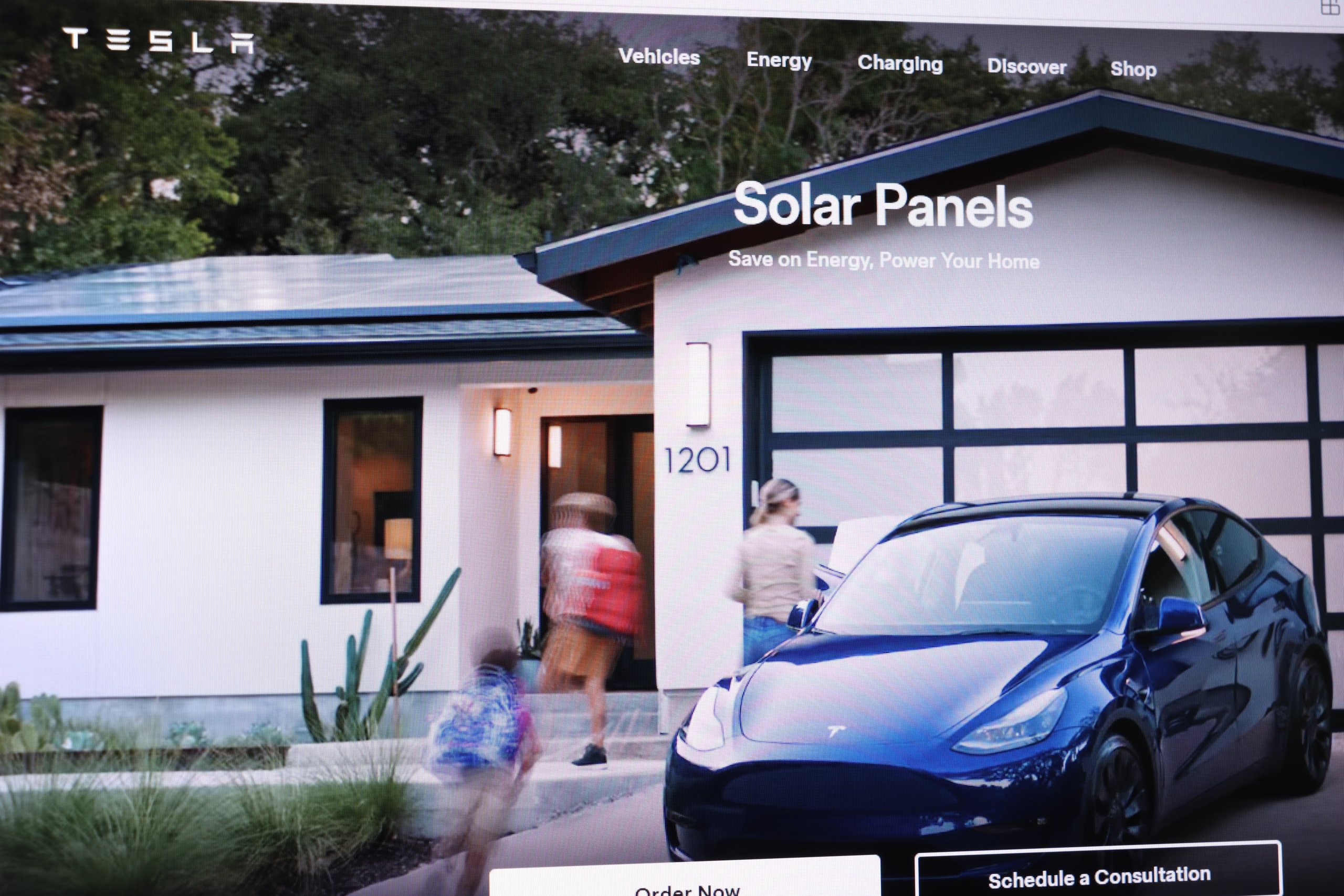
For homeowners on the Big Island and throughout Hawaii, solar can provide benefits beyond lowering monthly electric bills.
Adding a photovoltaic system may:
- Increase your home’s market appeal
- Reduce dependence on rising utility costs
- Provide greater energy independence
- Pair with battery storage for backup power during outages
- Increase resale value, particularly when the system is owned rather than leased
Many buyers actively seek homes with fully owned photovoltaic systems because they recognize the long-term savings.
Final Thoughts
A 16 kW solar system is an excellent choice for many homeowners who want to power a large, energy-efficient home while also charging an electric vehicle.
Although the upfront investment can seem substantial, federal tax incentives, rising utility rates, and long-term energy savings often make solar a worthwhile investment—especially in Hawaii, where electricity costs are among the highest in the country.
If you’re shopping for a home with an existing photovoltaic system or considering installing one before selling, understanding the long-term value of solar can help you make a more informed real estate decision.
Thinking about buying or selling a home with solar on the Big Island? I’d be happy to help you understand how owned photovoltaic systems can impact both property value and your monthly cost of living.

Leave your opinion here. Please be nice. Your Email address will be kept private, this form is secure and we never spam you.