What Buyers Should Know About Resale Value in Hawaii Real Estate
Buying a home in Hawaii is not only about finding a beautiful property in the right place. It is also about understanding how easy that property may be to sell later, who the next buyer may be, and what could protect or weaken its value over time.
Resale value matters in every market, but it matters even more in Hawaii because the islands have limited land, high ownership costs, strong neighborhood differences, climate exposure, strict zoning rules, and a buyer pool that can shift between local residents, mainland buyers, investors, military families, and second-home owners. A home that looks attractive today may not always be the easiest property to resell if buyers later worry about insurance, maintenance, lease terms, flood risk, HOA fees, rental restrictions, or overpricing.
Hawaii continues to face a serious housing shortage, with high prices, slow housing production, and rising insurance costs affecting affordability across the state. UHERO’s 2025 Hawaii Housing Factbook notes that high prices and mortgage rates have made ownership difficult for many residents, while slow housing production and insurance market pressure continue to shape the market.
That is why buyers should think about resale value before they write an offer, not only when they are ready to sell.
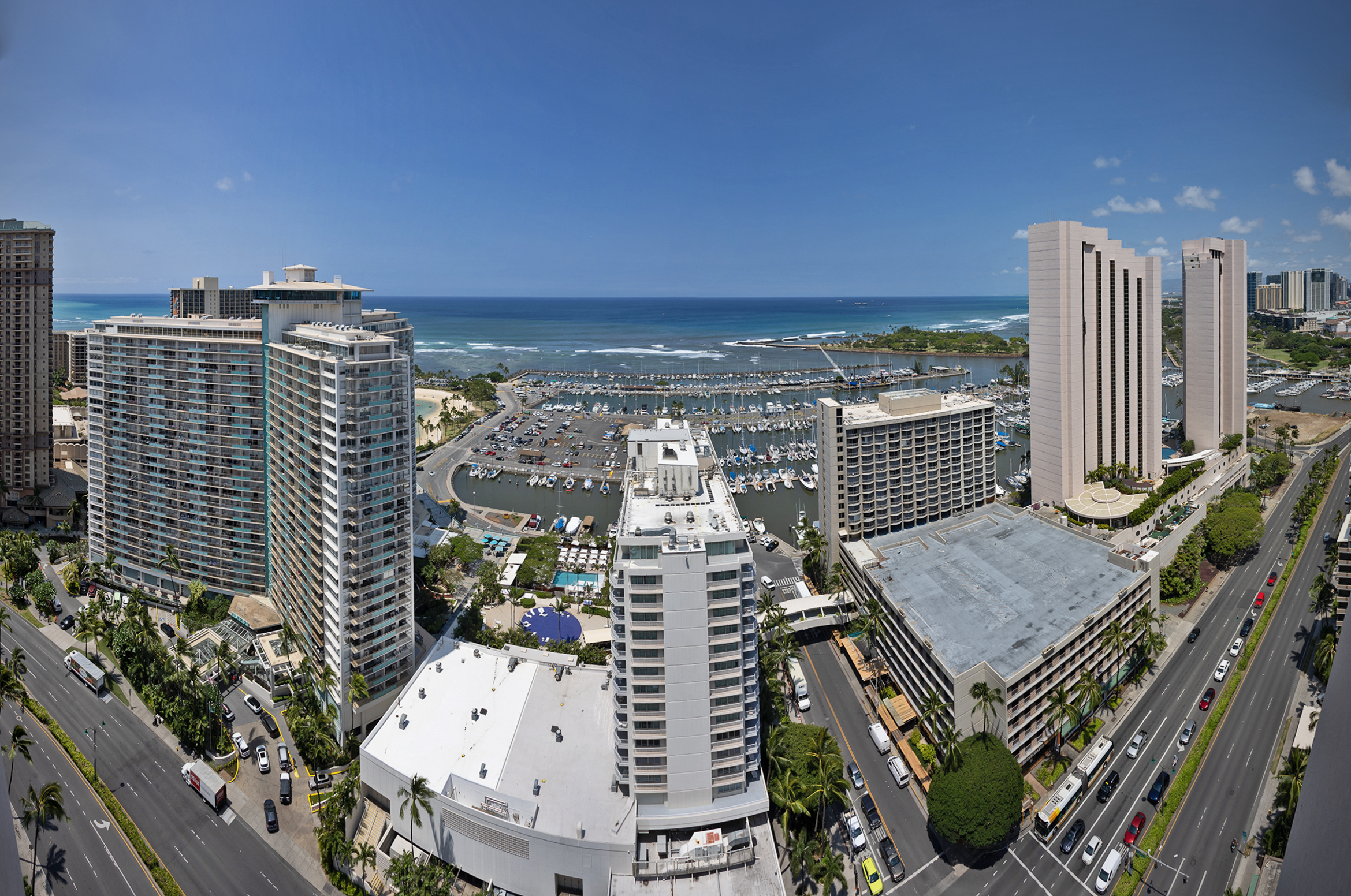
Resale Value In Hawaii Starts With Buyer Demand
A home holds resale value when future buyers still want it, can afford it, and feel confident about owning it. In Hawaii, demand is not the same in every area or property type. A single-family home in a well-connected Oahu neighborhood may attract a different buyer pool than a vacation condo in West Maui, a rural home on Hawaii Island, or a leasehold unit near the beach.
Oahu’s January 2026 market report shows how different property types can move in different directions at the same time. Single-family home prices were nearly flat year over year, while condo prices dipped slightly, and active condo inventory rose while single-family inventory declined. This matters because resale value is not only about the island. It is also about the property type, price range, ownership costs, and how many similar homes are available when you sell.
A strong resale property usually has at least three things working in its favor:
- A location that serves daily life, not only vacation appeal
- Ownership costs that future buyers can reasonably accept
- Fewer legal, physical, or environmental concerns that could slow financing or inspections
The more boxes a property checks, the wider the future buyer pool usually becomes.
Location Still Matters, But In Hawaii It Means More Than The View
Many buyers focus first on ocean views, beach access, or resort-style surroundings. Those features can help resale value, but they are not the whole story. In Hawaii, a strong location also means convenience, access, safety, weather patterns, and long-term usability.
A property may have a stunning view but still face resale challenges if it is far from schools, medical care, grocery stores, job centers, or reliable roads. On the other hand, a less dramatic home in a practical neighborhood may resell well because it serves full-time residents, families, professionals, and long-term owners.
For resale value, buyers should study:
- Drive times during real traffic, not only map distance
- Access to schools, shopping, hospitals, and daily services
- Neighborhood upkeep and pride of ownership
- Parking availability, especially in dense areas
- Road condition and emergency access
- Noise from highways, airports, resorts, or nightlife
- Local demand from both residents and off-island buyers
In Hawaii, the best resale locations are often the ones that support real life. A buyer may fall in love with a property during a sunny showing, but the next buyer will also ask, “Can I live here comfortably every week?”
Single-Family Homes Often Have A Wider Resale Appeal
Single-family homes in Hawaii are limited by land availability, construction costs, zoning, and geography. That scarcity can support long-term value, especially in established neighborhoods with strong owner-occupant demand.
A single-family home often gives future buyers more control. They may value the yard, privacy, expansion potential, storage, parking, pets, and fewer shared-building decisions. These features can help a property stand out when compared with condos or townhomes.
However, not every single-family home is automatically a strong resale property. Buyers still need to look at the roof, drainage, foundation, plumbing, termites, unpermitted work, slope, wastewater system, and insurance risk. A home that needs major repairs may attract fewer buyers later unless the price reflects the work.
For resale strength, a single-family home should ideally have:
- A usable floor plan
- Safe and practical parking
- Good indoor-outdoor flow
- Solid roof and structure
- Clear permits for major improvements
- Manageable yard maintenance
- Reasonable insurance outlook
- No major road, drainage, or access issue
A simple, well-maintained home in a useful location can sometimes be a better resale choice than a larger home with complicated repairs.
Condos Can Resell Well, But Buyers Must Study The Building
Condos are a major part of Hawaii real estate, especially in Honolulu, resort communities, and areas where single-family homes are out of reach for many buyers. A condo can be a good resale purchase, but the building matters as much as the unit.
Future buyers will not only look at your kitchen, view, or lanai. They will also review HOA fees, reserves, insurance coverage, maintenance history, upcoming assessments, house rules, rental rules, and building age. If the building has rising fees or large deferred maintenance, resale can become harder even if the unit itself looks great.
Before buying a condo for long-term resale value, review:
- Monthly HOA fees and what they include
- Reserve study and reserve funding
- Recent and planned special assessments
- Building insurance coverage and deductibles
- Owner-occupancy ratio
- Pet rules
- Rental minimums and restrictions
- Parking and storage rights
- Elevator, plumbing, roof, spalling, and exterior repair history
Insurance and HOA pressure have become especially important for Hawaii condo buyers. UHERO noted that shifts in the U.S. insurance market have increased costs and contributed to higher homeowners association fees, which affects affordability. A condo with a low purchase price may not be a good resale deal if monthly costs make it hard for the next buyer to qualify.
Fee Simple Usually Has Stronger Resale Than Leasehold
One of the most important Hawaii-specific resale issues is land tenure. A fee simple property means the buyer owns the building and the land interest. A leasehold property means the buyer owns the improvements but leases the land for a set period.
Leasehold properties can look attractive because the purchase price is often lower. But resale can be harder as the lease term gets shorter, lease rent increases, or financing becomes more limited. Many future buyers and lenders become cautious when there are fewer years left on the lease.
This does not mean every leasehold property is bad. Some can make sense for certain buyers, especially if the numbers, location, and lease terms are clear. But from a resale-value standpoint, buyers need to be careful.
Ask these questions before buying leasehold:
- How many years remain on the lease?
- When does the lease rent adjust?
- How much could the lease rent increase?
- Is fee purchase possible?
- Will lenders finance the property later?
- Who is the likely future buyer?
- Will the property become harder to sell in five or ten years?
If resale value is a priority, fee simple is usually easier for the broadest buyer pool to understand and finance.
Climate Risk Is Now A Resale Factor, Not Just A Safety Issue
Hawaii buyers should pay close attention to flood zones, coastal erosion, sea level rise, drainage, and wildfire exposure. These risks affect safety, insurance, lender requirements, future repairs, and buyer confidence.
Since May 1, 2022, Hawaii real estate transactions must include disclosures about sea level rise risk up to 3.2 feet when applicable. The state disclosure requirement is designed to help buyers understand how sea level rise may affect a property.
The Hawaii Sea Level Rise Viewer is also available to help users review potential sea level rise impacts. The tool includes layers related to passive flooding, annual high wave flooding, coastal erosion, and other exposure areas.
For resale value, this means buyers should not assume every ocean-adjacent property will age well in the market. A beachfront or near-shore home may still be desirable, but buyers will increasingly ask sharper questions about erosion, insurance, shoreline setbacks, and future repair costs.
Before buying, check:
- Flood zone status
- Sea level rise exposure
- Past flooding or drainage issues
- Shoreline erosion trends
- Insurance availability and cost
- Elevation and slope
- Wildfire exposure in dry areas
- Emergency access routes
A property with clear risk information and reasonable mitigation may still resell well. A property with unclear risk, high insurance uncertainty, or visible erosion may have a narrower future buyer pool.
Insurance Costs Can Affect What Future Buyers Will Pay
Resale value is tied to affordability. A buyer may love a property, but if insurance, HOA fees, taxes, and maintenance push the monthly cost too high, they may either offer less or walk away.
This is especially important in Hawaii because properties can face risks from hurricanes, flooding, sea level rise, wildfire, lava zones, aging buildings, and high replacement costs. Condos may also face building-level insurance increases, which can raise HOA fees.
A smart buyer should not only ask, “Can I afford this today?” They should ask, “Will the next buyer be able to afford this later?”
For resale protection, request:
- Current insurance premiums
- Any recent insurance increases
- Flood insurance requirements
- HOA master insurance details for condos
- Deductibles and exclusions
- Claims history if available
- Any known difficulty obtaining coverage
A home with predictable carrying costs is usually easier to resell than a property where future ownership costs feel uncertain.
Maintenance In Hawaii Can Make Or Break Resale Value
Hawaii’s climate can be tough on homes. Salt air, humidity, wind, sun, termites, heavy rain, and vegetation growth can wear down a property faster than some mainland buyers expect. Deferred maintenance can quietly reduce resale value because future buyers often overestimate repair costs once they see visible damage.
Common maintenance issues that affect resale include:
- Termite damage
- Roof wear
- Wood rot
- Rust on railings, fixtures, and hardware
- Mold or moisture problems
- Plumbing age
- Failing windows or doors
- Poor drainage
- Cracked concrete or retaining walls
- Unmaintained landscaping
The best resale homes are not always the newest or most upgraded. They are the ones with consistent care. A clean maintenance history, good records, and quality repairs can make future buyers more confident.
Buyers should keep records for every major repair, including roof work, termite treatment, plumbing updates, electrical work, appliance replacements, paint, flooring, and permits. When it is time to sell, documentation can support value.
Unpermitted Work Can Hurt Resale
Unpermitted additions, enclosed lanais, illegal kitchens, converted garages, and undocumented electrical or plumbing work can become resale problems. Some buyers may still be interested, but others may hesitate because of financing, insurance, appraisal, safety, or county compliance concerns.
This issue is common in many older Hawaii homes because families often adapt properties over time. The problem is not always the improvement itself. The problem is uncertainty. If future buyers cannot confirm what was permitted, they may reduce their offer or ask for repairs, credits, or legal review.
Before buying, compare:
- Tax records
- Building permit history
- Actual square footage
- Bedroom and bathroom count
- Additions and enclosed spaces
- Separate living areas
- Utility connections
- Seller disclosures
A property with clean records is easier to resell. If there is unpermitted work, understand the risk before closing, not after you become the seller.
Wastewater Systems Matter, Especially On Rural Properties
Many Hawaii buyers focus on the house and forget to study the wastewater system. This can be a major mistake for resale value, especially on Hawaii Island, Maui, Kauai, and rural parts of Oahu.
Hawaii has tens of thousands of cesspools, and all cesspool owners are required to upgrade, convert, or connect to sewer before 2050 under Act 125. The Hawaii Sea Grant Cesspool Prioritization Tool states that it maps more than 83,000 cesspools and ranks areas by urgency for conversion.
The EPA also notes that cesspools discharge untreated sanitary waste and can affect oceans, streams, groundwater, and drinking water resources.
For resale value, a property with a cesspool may face future buyer concerns about conversion cost, timing, financing, and environmental risk. It does not automatically make the property a poor purchase, but buyers should factor the cost and future requirement into the offer.
Ask for:
- Wastewater system type
- Inspection records
- Cesspool, septic, or sewer documentation
- Location of the system
- Estimated replacement or conversion cost
- Priority level if applicable
- Any county or state requirements
A property already connected to sewer or upgraded to an approved system may have an advantage with future buyers.
Short-Term Rental Potential Should Not Be Assumed
Some buyers think resale value will be stronger if a Hawaii property can be used as a vacation rental. That can be true in certain resort-zoned areas, but it can also be risky if the buyer assumes rental use without confirming the rules.
Short-term rental rules vary by county, zoning, property type, and permit status. Hawaii County, for example, states that Ordinance 2018-114 regulates short-term vacation rentals on Hawaii Island by defining where the use is allowed, setting standards, and creating a path for certain nonconforming uses to continue with proper certification.
For resale value, legal rental use can widen the buyer pool in some markets. Illegal or uncertain rental use can do the opposite. Future buyers will want proof, not verbal claims.
Before paying extra for rental potential, confirm:
- County rules
- Zoning
- Permit status
- Whether the permit transfers
- HOA rental rules
- Minimum rental period
- Tax obligations
- Local enforcement history
- Future regulatory risk
Do not value a property as a vacation rental unless the use is legal, documented, and likely to remain attractive to future buyers.
Floor Plan And Function Often Beat Trendy Upgrades
Resale value is not only about finishes. A beautiful countertop will not fix a poor layout, limited parking, awkward stairs, bad airflow, or a lack of storage.
In Hawaii, buyers often value homes that feel comfortable in the climate. Good airflow, shaded outdoor space, natural light, covered lanais, practical storage, and easy indoor-outdoor movement can matter as much as luxury finishes.
Features that tend to support resale include:
- Open but usable living space
- Bedrooms that feel private
- Enough bathrooms for the home size
- Good cross-ventilation
- Covered outdoor areas
- Storage for boards, bikes, tools, and beach gear
- Functional kitchen placement
- Safe stairs and entries
- Flexible space for guests or remote work
Trendy upgrades can help, but practical design usually lasts longer in the resale market.
Overpaying Is One Of The Biggest Resale Risks
Even a great Hawaii property can become a weak resale decision if the buyer pays too much. This is especially true in competitive markets where emotion takes over.
The danger is not only paying above asking. The real danger is paying above what the next buyer is likely to justify when you sell. If your purchase price assumes perfect market conditions, high rental income, low insurance costs, and no repairs, your margin for resale becomes thin.
Before making an offer, review:
- Recent comparable sales
- Days on market for similar homes
- Price reductions
- Seller concessions
- Inventory in the same segment
- Appraisal risk
- Repair costs
- Insurance and HOA fees
- Future buyer profile
A strong resale purchase usually leaves room for normal market changes. It does not depend on everything going perfectly.
Think About The Next Buyer Before You Buy
One of the simplest ways to judge resale value is to ask, “Who will buy this from me later?”
If the answer is broad, resale is usually stronger. If the answer is narrow, the property may still work, but the price should reflect that risk.
A broad resale buyer pool may include:
- Local families
- Military buyers
- Remote workers
- Retirees
- Investors
- Second-home buyers
- Move-up buyers
- Downsizing owners
A narrow resale buyer pool may happen when a property has high HOA fees, leasehold terms, unusual layout, difficult access, high insurance risk, unpermitted work, limited financing options, or uncertain rental rules.
A unique property can still be valuable, but uniqueness should be priced carefully. The more explanation a property needs, the more patient the seller may need to be later.
Resale Value Checklist For Hawaii Buyers
Before buying, use this resale-focused checklist:
- Is the property fee simple or leasehold?
- Is the location useful for daily living?
- Is the buyer pool broad or narrow?
- Are insurance costs clear and manageable?
- Is the property in a flood, erosion, lava, wildfire, or sea level rise risk area?
- Are permits and property records clean?
- Are HOA fees reasonable for the building and market?
- Does the condo association have healthy reserves?
- Is there any special assessment risk?
- Is the wastewater system compliant or costly to upgrade?
- Are short-term rental claims verified in writing?
- Does the floor plan work for modern buyers?
- Are repairs cosmetic or structural?
- Would the home still make sense if the market cooled?
This checklist helps buyers look past the excitement of the showing and focus on long-term value.
Common Mistakes Buyers Should Avoid
The first mistake is buying only for the view. A view can add value, but it should not distract from access, insurance, maintenance, and climate risk.
The second mistake is ignoring monthly costs. A lower purchase price does not always mean better resale value if HOA fees, insurance, lease rent, or repairs are too high.
The third mistake is assuming all Hawaii real estate appreciates the same way. Different islands, neighborhoods, and property types can perform very differently.
The fourth mistake is trusting rental income claims without checking rules. Vacation rental potential must be legal, documented, and realistic.
The fifth mistake is skipping deeper due diligence because “inventory is limited.” Scarcity supports Hawaii real estate, but it does not protect buyers from buying the wrong property at the wrong price.
Final Thoughts
Resale value in Hawaii real estate is not based on one thing. It is the result of location, property type, ownership structure, condition, climate risk, insurance, maintenance, zoning, buyer demand, and purchase price.
The best resale property is not always the flashiest home. It is the home that future buyers can understand, finance, insure, maintain, and feel confident buying. In Hawaii, that confidence is valuable.
Before buying, think beyond the first impression. Ask what the property will look like to the next buyer in five, ten, or fifteen years. If the home has practical appeal, clean records, manageable costs, and a strong location, it is more likely to hold its place in the market when it is time to sell.

Leave your opinion here. Please be nice. Your Email address will be kept private, this form is secure and we never spam you.