In Hawaiʻi, outdoor space is not a bonus. It is part of the home.
A lanai, shaded yard, ocean-facing deck, garden area, outdoor shower, or covered dining space can change how a property feels the moment someone walks in. Buyers are not only looking at walls, flooring, countertops, and square footage. They are asking a bigger question:
Can I actually live the island lifestyle here?
That is why outdoor living matters so much in Hawaiʻi real estate, especially across the Big Island. A home in Kailua-Kona, Hilo, Waimea, Waikoloa, Puna, or South Kona can offer a completely different outdoor experience depending on elevation, rainfall, wind, ocean exposure, privacy, and land use.
For buyers searching Big Island Hawaii real estate, Big Island property for sale, Big Island land for sale, or general Hawaii property for sale, the outdoor space often becomes one of the biggest decision points.
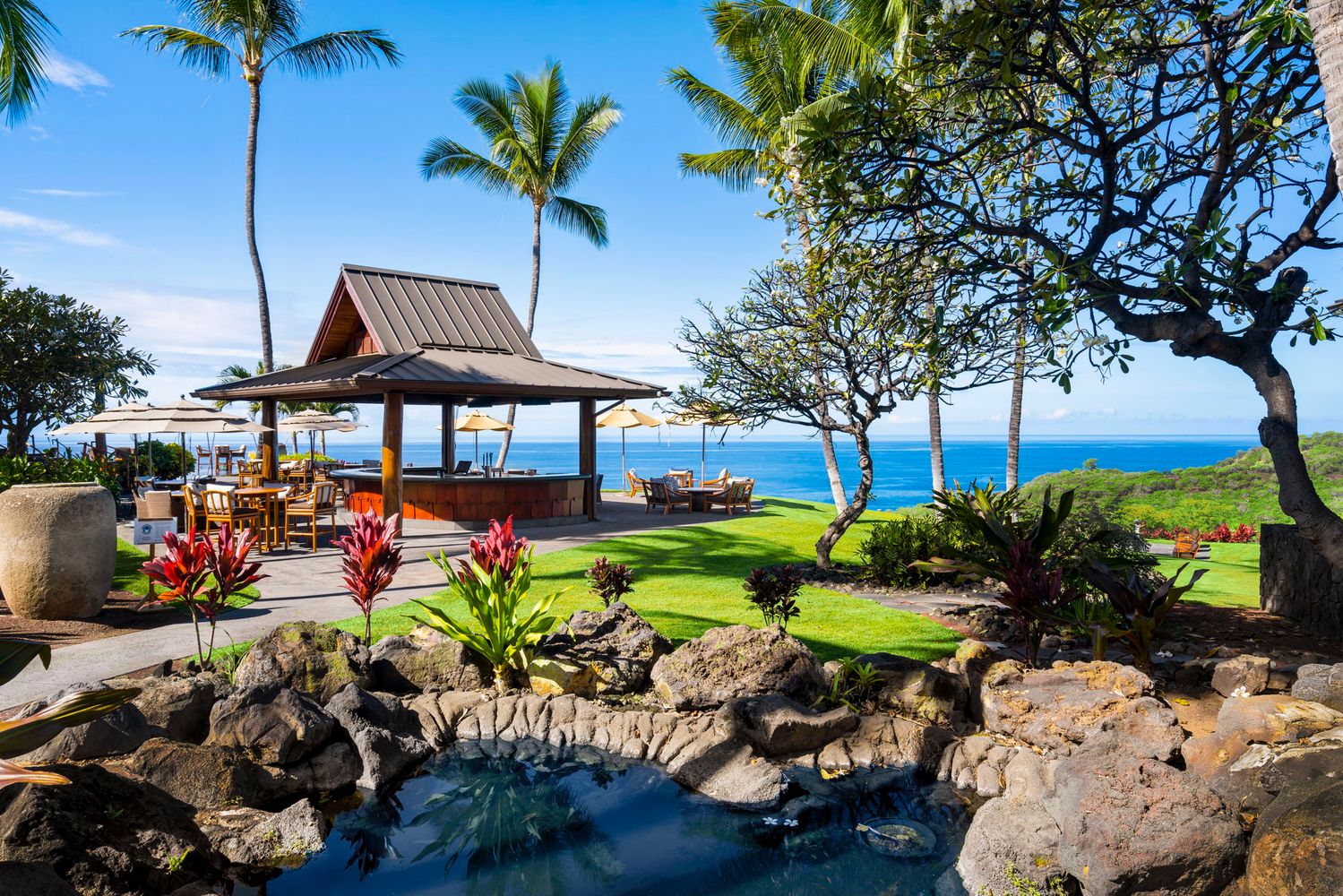
Why Outdoor Living Has More Value In Hawaiʻi
In many mainland markets, patios and backyards are seasonal. In Hawaiʻi, outdoor areas can be used most of the year when they are designed well.
That changes the way buyers look at a property.
- A covered lanai can work like a second living room.
- A private yard can feel like a retreat.
- A shaded dining area can make the home feel larger.
- A garden can add privacy, color, and daily connection to the land.
- A view deck can become the emotional center of the property.
This is one reason homes with strong indoor-outdoor flow often stand out in the Hawaiʻi market. The house may have the same bedroom count as another listing, but if the outdoor area feels more usable, private, and connected to the surroundings, buyers usually remember it more.
For more buyer preparation, see: How To Walk Into Your First Hawaii Real Estate Conversation Fully Prepared
Outdoor Living Is Closely Tied To Hawaiʻi’s Economy
Outdoor lifestyle is not just a nice idea in Hawaiʻi. It is part of the state’s identity and economy.
The U.S. Bureau of Economic Analysis reported that outdoor recreation made up 6.1% of Hawaiʻi’s state GDP in 2024, the highest share among all U.S. states and Washington, D.C.
That number matters because it shows how deeply outdoor activity is connected to daily life, tourism, recreation, and property appeal in Hawaiʻi.
Tourism also supports this connection. Hawaiʻi’s Department of Business, Economic Development & Tourism reported that visitor spending increased in 2025, with Hawaiʻi Island alone seeing strong visitor activity and billions in spending.
People come to Hawaiʻi for the ocean, the weather, the views, the gardens, the beaches, the trails, and the slower pace of outdoor living. Many buyers want the same feeling in the property they purchase.
On The Big Island, Outdoor Living Depends On Location
The Big Island is not one simple real estate market. It has many microclimates and lifestyle zones.
That is why outdoor living should be judged by location.
Kailua-Kona
Kona buyers often care about sunset views, dry weather, ocean-facing lanais, pools, and outdoor entertaining. A shaded lanai can be a major selling point because west-facing homes may get strong afternoon sun.
Explore: Kailua-Kona Real Estate
Hilo
Hilo properties often need strong covered outdoor areas because of the wetter climate. A home with a large protected lanai, good drainage, and lush landscaping can be very appealing here.
Explore: Hilo Real Estate
Waimea
Waimea has cooler weather, open land, pasture views, and a different outdoor rhythm. Buyers may value garden space, usable acreage, wind protection, and room for animals or agricultural use.
Explore: Waimea Hawaii Real Estate
Waikoloa
Waikoloa buyers often look for resort-style living, outdoor dining, golf course views, pools, and low-maintenance landscaping.
Explore: Waikoloa Real Estate
Puna
Puna can attract buyers looking for privacy, space, gardens, off-grid options, and more affordable Big Island land for sale. Outdoor living here may be less about luxury finishes and more about freedom, greenery, and land use.
Explore: Puna Real Estate
South Kona
South Kona often appeals to buyers who want ocean views, coffee country surroundings, privacy, and a slower residential feel. Outdoor decks, gardens, fruit trees, and view corridors can carry strong value here.
Explore: South Kona Real Estate
Outdoor Space Makes A Home Feel Larger
A well-planned outdoor area can make a modest home feel much more spacious.
This is important in Hawaiʻi because interior square footage is not always the full story. A smaller home with a wide lanai, shaded seating area, and usable yard can feel more comfortable than a larger home with no outdoor function.
Buyers often notice:
- Whether the lanai can actually fit furniture
- Whether the outdoor area gets too much sun
- Whether there is privacy from neighbors
- Whether the yard is flat enough to use
- Whether the view is protected or blocked
- Whether there is room for gardening, pets, or family gatherings
- Whether the outdoor area feels peaceful or exposed
These details can affect how buyers compare properties, especially when looking through multiple Hawaii property for sale listings online.
Outdoor Living Matters In Big Island Hawaii Rentals
Outdoor areas also matter in Big Island Hawaii rentals.
Renters often want more than a clean interior. They want a place that feels connected to Hawaiʻi. That may mean morning coffee on a lanai, outdoor dining after the beach, a private garden, a BBQ area, or a quiet space to enjoy the view.
For long-term rentals, outdoor space can make the home feel more livable.
For vacation rentals, outdoor photos can strongly influence interest.
That said, buyers should never assume a property can be used as a short-term rental. Hawaiʻi County has specific short-term vacation rental rules, including zoning and operating requirements. Anyone buying with rental income in mind should review the county rules before making assumptions.
A good outdoor area may help rental appeal, but legal use, permits, zoning, insurance, and maintenance matter just as much.
Luxury Buyers Expect Indoor-Outdoor Living
In luxury real estate Hawaii, outdoor living is often one of the main value drivers.
High-end buyers usually expect the home to feel private, open, comfortable, and connected to the view. The outdoor space is not treated as leftover yard space. It is part of the design.
Luxury outdoor features may include:
- Ocean-view lanais
- Infinity pools
- Outdoor kitchens
- Covered dining areas
- Outdoor showers
- Spa areas
- Private gardens
- Guest cottages
- Fire features
- Gated entries
- Native or low-maintenance landscaping
In luxury markets, the best properties do not simply have expensive outdoor features. They have outdoor spaces that make sense for the site.
A pool without privacy may not feel luxurious.
A view deck with harsh sun may not be comfortable.
A large yard with difficult maintenance may become a burden.
A beautiful lanai with the right shade, breeze, privacy, and view can become one of the strongest selling points of the home.
Outdoor Living Also Matters In Commercial Real Estate Hawaii
Outdoor space can also affect commercial real estate Hawaii.
This is especially true for hospitality, restaurants, wellness spaces, retreat properties, farm-based businesses, boutique lodging, and mixed-use properties.
A restaurant with shaded outdoor seating may feel more inviting.
A retreat property with open-air gathering areas may better match the Hawaiʻi experience.
A boutique rental property with private lanais may feel more valuable to guests.
A farm or ag-zoned property may need usable outdoor work areas, storage, access roads, and water planning.
Commercial buyers should review outdoor areas carefully. The space may look attractive, but it also needs to work legally and practically. Access, parking, ADA considerations, drainage, lighting, safety, zoning, and permitted use all matter.
Climate Risk Makes Outdoor Planning More Important
Outdoor living adds value, but it also brings responsibility.
Hawaiʻi properties can face salt air, heavy rain, strong sun, coastal erosion, lava-zone considerations, flooding, wind exposure, and wildfire risk depending on location.
Coastal properties need extra care. Hawaiʻi requires real estate disclosures to include sea-level-rise risk up to and including 3.2 feet for applicable properties.
That does not mean buyers should avoid coastal property. It means they should ask better questions before buying.
Before purchasing, buyers should review:
- Flood zone
- Shoreline setback
- Sea-level-rise exposure
- Drainage
- Erosion history
- Lava zone
- Insurance cost
- Roof condition
- Deck and railing condition
- Exterior material durability
- Long-term maintenance needs
This is especially important when buying near the ocean or investing in Big Island land for sale where future building plans depend on the site.
What Buyers Should Check Before Falling In Love With The View
A great view can make a buyer emotional. That is normal. But outdoor living should still be reviewed carefully.
Here are the practical things to check.
1. Is The Lanai Actually Usable?
Some lanais look good in photos but are too narrow for real furniture. A good lanai should have enough space for the way you plan to live.
2. Is There Enough Shade?
Hawaiʻi sun can be strong. If the outdoor area has no shade, it may be uncomfortable for large parts of the day.
3. Is The Yard Easy To Maintain?
A lush yard can be beautiful, but it may require trimming, irrigation, pest control, tree work, and regular care.
4. Does Water Drain Away From The Home?
Poor drainage can turn an attractive yard into an expensive problem. Look for pooling water, erosion, soft ground, or water moving toward the structure.
5. Is There Privacy?
Privacy can change the entire feel of a property. Landscaping, fencing, elevation, and lot layout all matter.
6. Are Outdoor Structures Permitted?
Decks, additions, sheds, guest spaces, pools, and covered structures should be reviewed for permits and compliance.
7. Will Materials Hold Up?
Salt air, rain, humidity, and sun can wear down wood, metal, paint, fixtures, and outdoor furniture. Durable materials matter in Hawaiʻi.
Why Sellers Should Present Outdoor Areas Better
Sellers often focus too much on the interior and not enough on the outdoor space.
That is a mistake.
In Hawaiʻi, the lanai, garden, view, entry, and yard can influence how buyers feel before they even step inside.
Simple improvements can help:
- Clean the lanai
- Trim overgrown plants
- Remove broken furniture
- Add simple outdoor seating
- Pressure wash walkways
- Clear the view
- Repair railings
- Improve lighting
- Stage an outdoor dining area
- Make the entry feel calm and welcoming
The goal is not to overdecorate. The goal is to help buyers understand how the outdoor space can be used.
A cluttered lanai feels like storage.
A clean lanai feels like lifestyle.
For sellers thinking about legacy and long-term value, this connects closely with: The Role Of Family, Legacy, And Homeownership In Hawaii Real Estate
Why Land Buyers Should Think About Outdoor Living Early
People who search for Big Island land for sale often imagine freedom, privacy, gardens, views, and future home plans. But land needs careful review before purchase.
Outdoor living starts with the land itself.
Buyers should ask:
- Is the lot buildable?
- Is there legal access?
- What is the lava zone?
- What is the rainfall pattern?
- Is power nearby?
- Is water available, or will catchment be needed?
- What kind of septic system may be required?
- Is the land flat, sloped, rocky, wooded, or cleared?
- What kind of outdoor lifestyle fits this parcel?
A raw lot may look peaceful, but the real value depends on what can actually be done with it.
Outdoor Living Helps Buyers Picture Their Future
Real estate decisions are partly financial and partly emotional.
Outdoor living speaks to both.
A buyer may compare prices, mortgage payments, taxes, insurance, rental rules, and maintenance costs. But when they stand on a lanai and feel the breeze, see the view, hear the birds, or imagine dinner outside with family, the property becomes more than a listing.
That emotional connection matters in Hawaiʻi.
It is why some homes stay in a buyer’s mind long after the showing ends. It is also why outdoor areas should be treated as part of the property’s real value, not just decoration.
Final Takeaway
Outdoor living matters so much in Hawaiʻi real estate because it shapes how a property is used, remembered, valued, and enjoyed.
For buyers, it affects comfort, lifestyle, rental appeal, maintenance, and long-term ownership.
For sellers, it can improve first impressions and make a listing more memorable.
For investors, it can influence demand in Big Island Hawaii rentals, luxury real estate Hawaii, and even commercial real estate Hawaii.
For land buyers, it can determine whether a parcel supports the lifestyle they are hoping to build.
Whether someone is searching Big Island Hawaii real estate, Big Island property for sale, Big Island land for sale, or broader Hawaii property for sale, the outdoor space should never be treated as an afterthought.
In Hawaiʻi, the outdoor area is often where the property truly begins.

Leave your opinion here. Please be nice. Your Email address will be kept private, this form is secure and we never spam you.