Why Furnished Mid-Term Rentals Could Be a Smart Investment Before Year-End
For real estate investors looking for a balance between strong rental income and relatively hands-off ownership, furnished mid-term rentals are an increasingly attractive strategy.
Typically rented for 30 days or longer, mid-term rentals can serve traveling professionals, corporate tenants, relocating families, military personnel, medical professionals, homeowners between properties, and others who need a comfortable furnished home without committing to a traditional year-long lease.
For investors, the model can offer an appealing combination: higher rents, lower turnover, and fewer day-to-day management demands than a typical vacation rental.
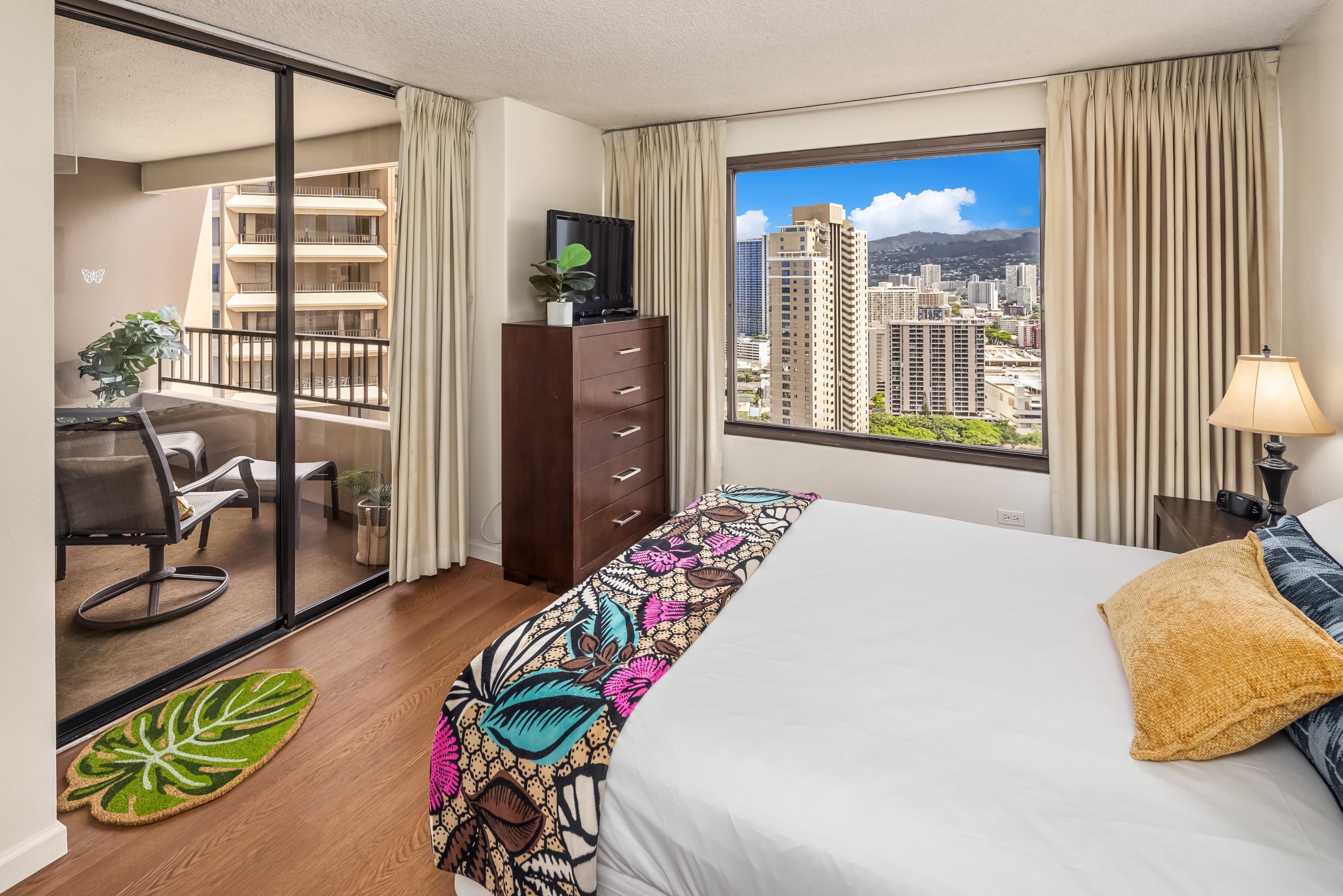
Higher Rental Income Potential
One of the biggest advantages of a furnished mid-term rental is the potential to charge a premium over a traditional unfurnished long-term rental.
Tenants aren’t simply paying for the property. They’re paying for the convenience of moving into a fully furnished home with furniture, kitchen essentials, utilities and other amenities already in place.
That convenience can translate into higher gross monthly rents, particularly in markets where there is consistent demand for temporary housing.
Of course, investors should compare the additional rent against the costs of furnishings, utilities, internet, cleaning, maintenance, vacancies and management before purchasing.
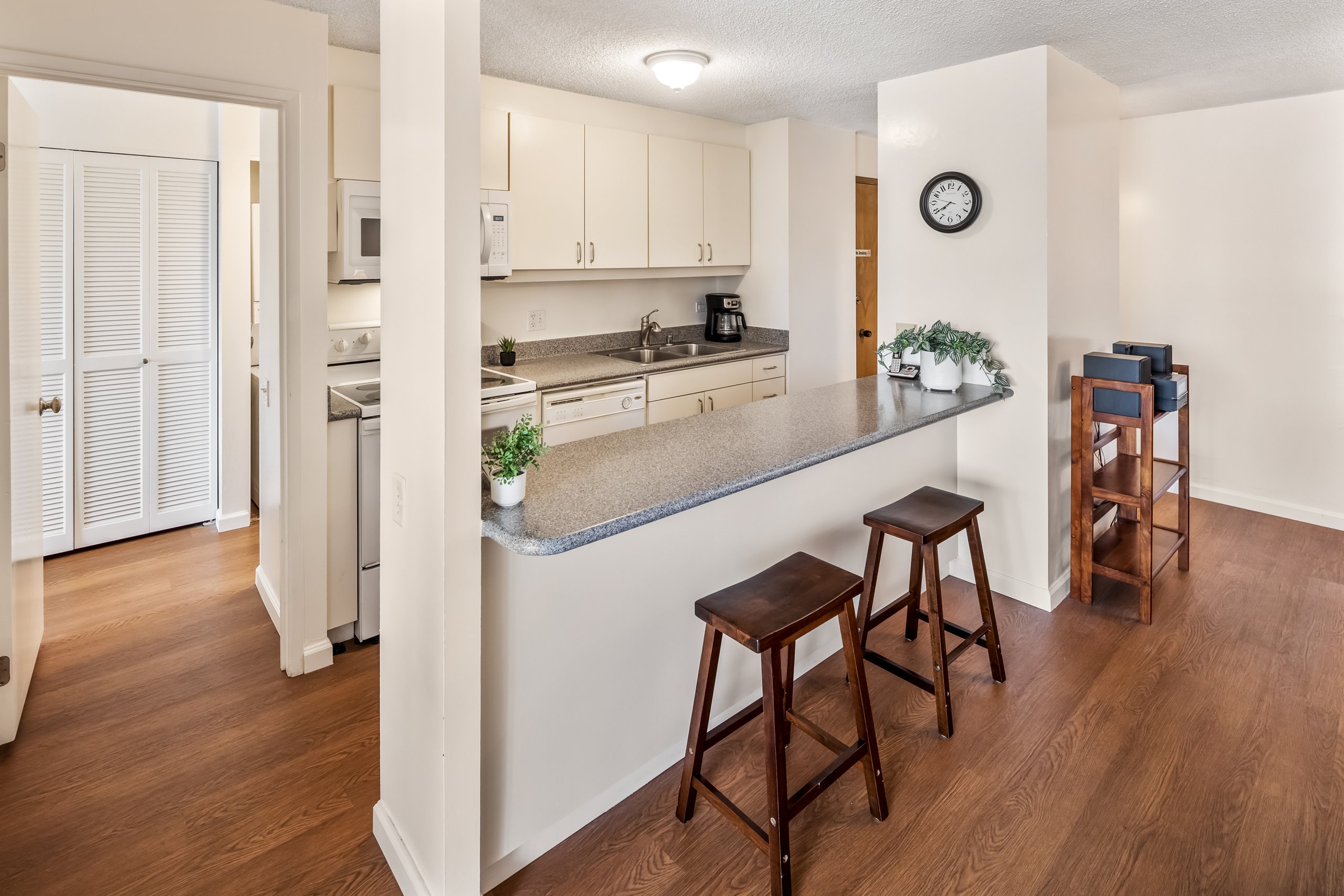
Lower Turnover Than Short-Term Rentals
Vacation rentals can generate attractive nightly rates, but they also come with frequent guest turnover.
Every checkout can mean cleaning, inspections, laundry, guest communication, restocking and preparing the property for the next reservation.
With a mid-term rental, a tenant might stay for several months rather than several nights. That can dramatically reduce the number of turnovers over the course of a year.
Fewer turnovers can mean fewer headaches, lower operating costs and less wear associated with constantly preparing a property for new guests.
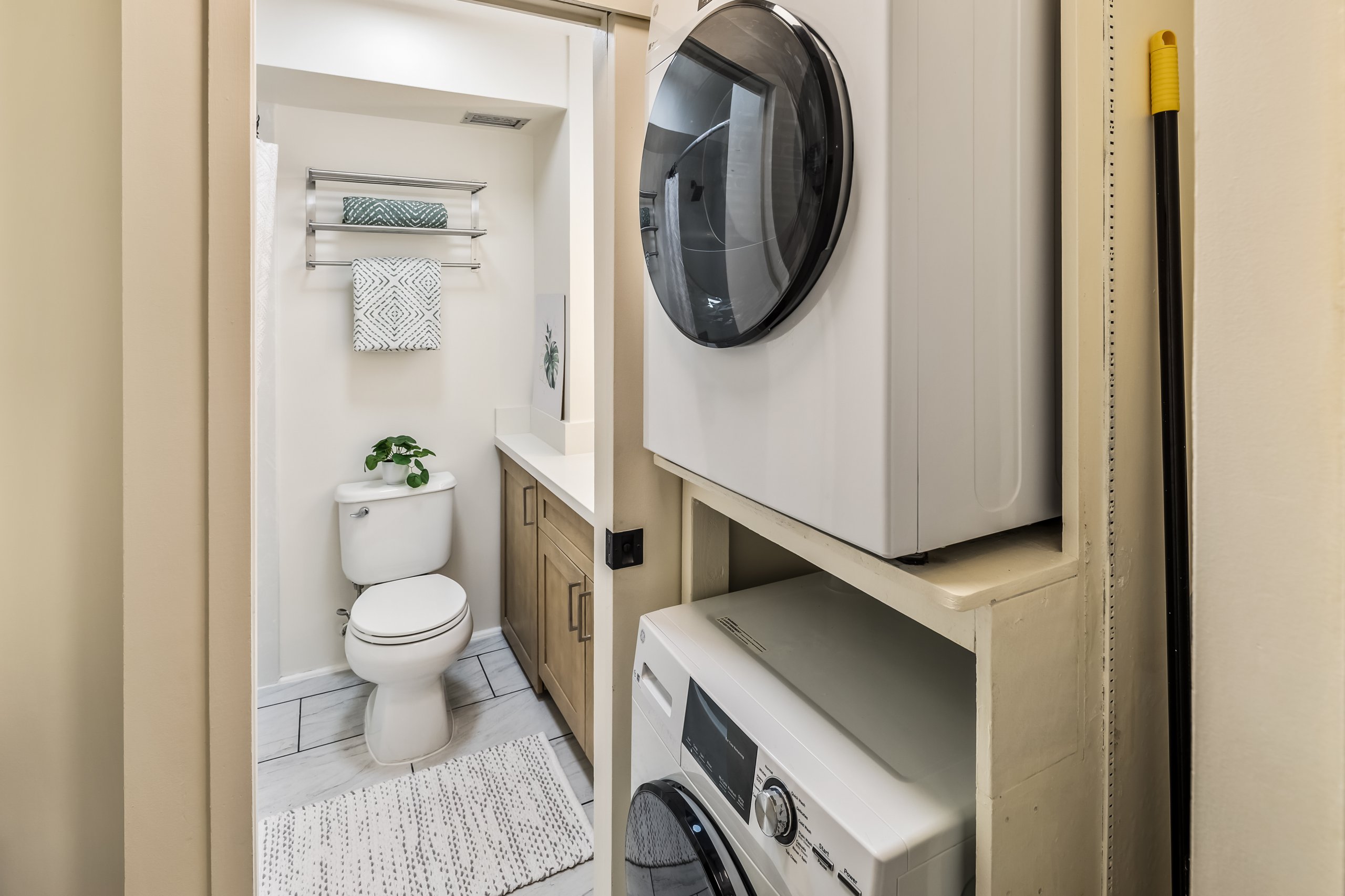
Less Management, Without Giving Up Flexibility
Mid-term rentals can occupy an appealing middle ground between short-term and traditional long-term rentals.
Owners can potentially capture a furnished-rental premium without operating a property like a hotel. There are fewer check-ins and checkouts, fewer cleaning cycles and generally fewer guest interactions.
At the same time, leases are shorter than the typical 12-month rental, giving an owner more opportunities to adjust pricing, make improvements or change strategies as market conditions evolve.
For investors who want income without the constant operational demands associated with vacation rentals, that balance can be especially attractive.
Why Buying Before the End of the Year May Matter
There is another reason investors may want to consider purchasing before December 31: tax planning.
Depending on an investor’s individual circumstances and current federal and state tax rules, acquiring and placing an investment property in service before year-end may allow certain deductions or depreciation benefits to begin in that tax year.
A furnished rental may also include depreciable assets such as furniture, appliances and certain equipment. Depending on the property, ownership structure, use and applicable tax law, investors may want to discuss depreciation, cost segregation and other potential deductions with a qualified tax professional.
The important distinction is that simply closing on a property before December 31 does not necessarily make every potential tax benefit available that year. Timing, including when the property is actually placed in service and available for rent, can matter.
That’s why investors considering a year-end purchase should coordinate with both their real estate professional and CPA or tax advisor before closing, rather than waiting until tax season.

The Sweet Spot for Rental Property Investors
For the right property and location, furnished mid-term rentals can combine some of the most desirable characteristics of both short- and long-term rental strategies:
- Potentially higher rents than conventional unfurnished rentals
- Less turnover than vacation rentals
- Lower day-to-day management demands
- Flexibility to adjust rents and strategy between tenants
- Potential year-end tax-planning opportunities
- Demand from professionals, relocating families and other temporary residents
For investors who want rental income without managing weekly guest turnover, the mid-term rental model deserves a closer look.
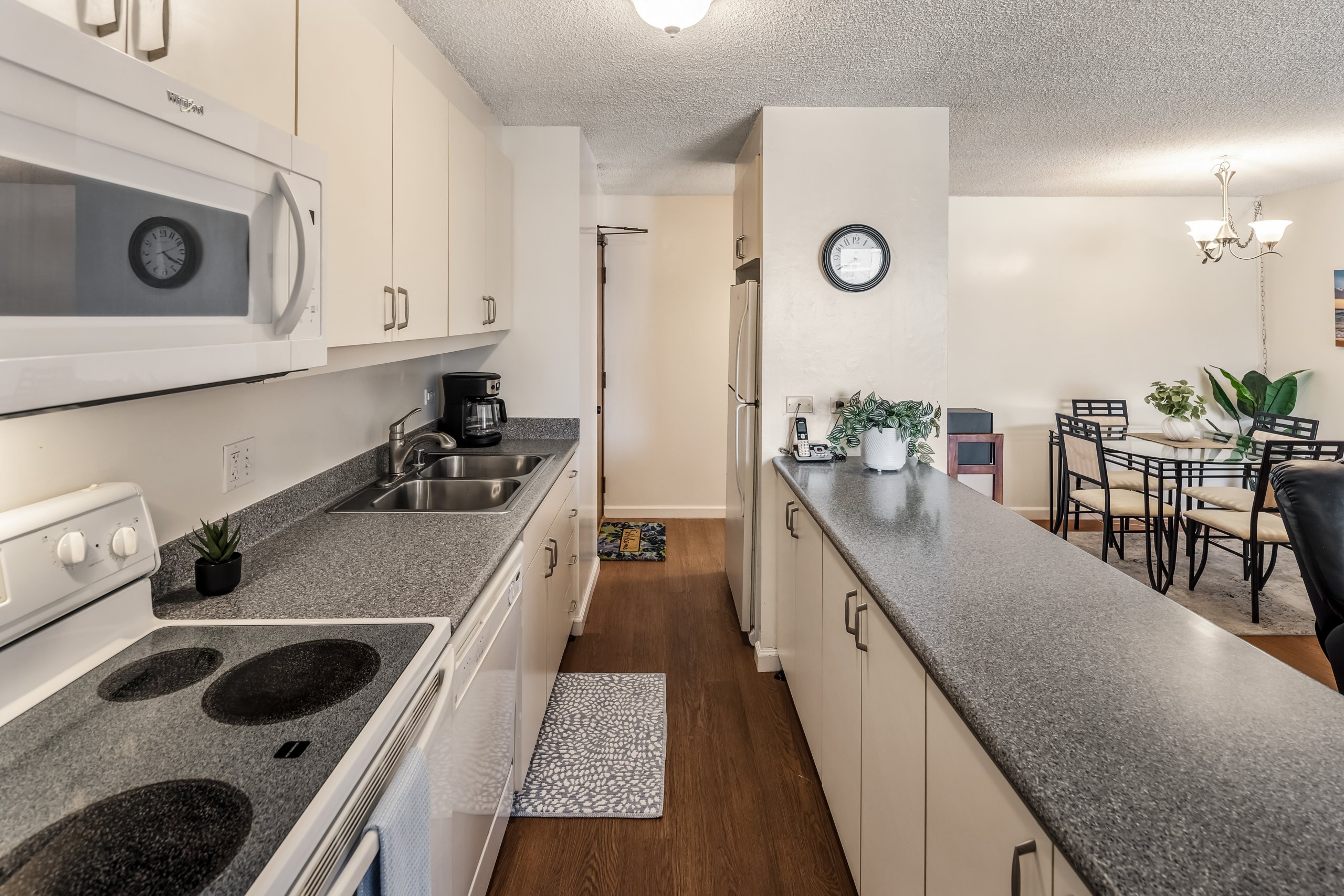
Considering an Investment Property Before Year-End?
The final months of the year can be an excellent time to evaluate investment opportunities—not only based on purchase price and rental potential, but also on how a property fits into your overall financial and tax strategy.
If you’re considering purchasing a furnished mid-term rental in Honolulu or elsewhere on Oʻahu, now is a good time to start identifying properties with the right combination of location, rental demand, building rules and income potential.
The goal isn’t simply to buy an investment property. It’s to find a property that can generate attractive income while requiring less of your time.
Tax laws and individual circumstances vary. This article is for general informational purposes and is not tax, legal or financial advice. Buyers should consult their CPA, tax advisor and other appropriate professionals regarding their individual situation.

Leave your opinion here. Please be nice. Your Email address will be kept private, this form is secure and we never spam you.