If you have strolled along a coastal trail while vacationing in Hawaiʻi; if you have bought or sold real property here; if you have lived here your whole life and fish or hunt or dive, even just go to the beach; basically if you have been on the land – or in or on the ocean – in Hawaii, some aspect of the Stateʻs Department of Land and Natural Resources (DLNR) has touched your life.
One aspect of DLNRʻs responsibilities with which I often interact in my Hawaiʻi Life role as Director of Conservation and Legacy Lands – as well as directly through my volunteer service on the State Legacy Land Conservation Commission – is their regulation and management of some 855 miles of publicly accessible trails. For the first time since the Nā Ala Hele Trail & Access Program was created in 1991, the Department is in the process of updating its Program Plan.
Public and stakeholder engagement is an important part of that process. Perhaps you would like to contribute! Here is a link to the Draft Nā Ala Hele Program Plan 2026 Version.
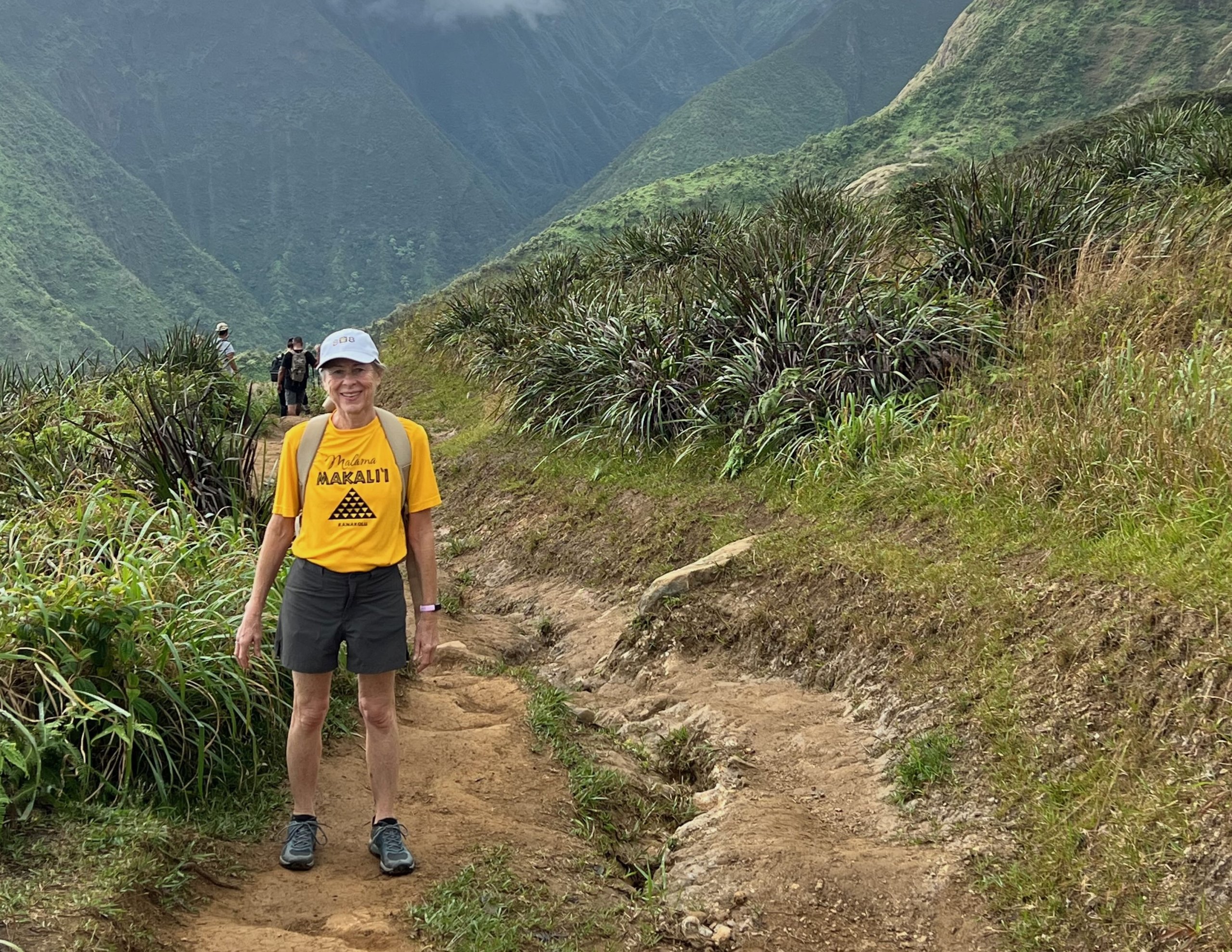
The Past and Future of the Nā Ala Hele Trail System in Hawaiʻi
A rich regulatory history, dating back to the laws and constitution of the Hawaiian Kingdom, establishes rights of access to pedestrian trails for travel, traditional cultural subsistence activities like hunting and fishing, and recreation. The State of Hawaiʻi Nā Ala Hele Trail and Access Program was established in 1991 to ensure open, safe, and responsible public access on trails, rights-of-ways, and other public access routes. That responsibility has had to evolve considerably over the past 35 years, in response to pressures including real estate development, growth in tourism, and ecosystem conservation challenges such as the effects of sea level rise and climate change.
The Vision Statement in the Draft Program Plan highlights four components of DLNRs management responsibilities:
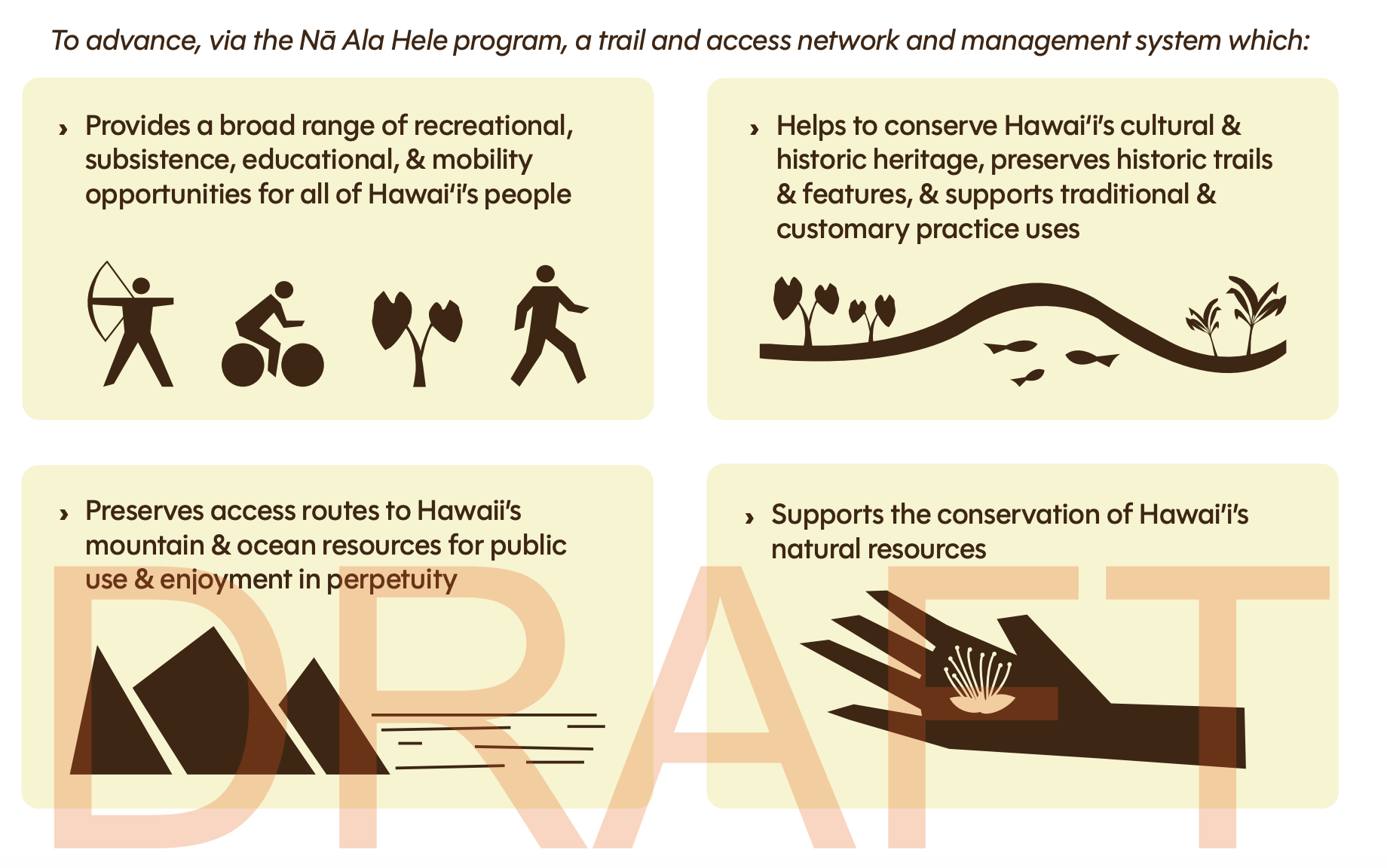
Some key recommendations from the Nā Ala Hele draft trails plan include:
- Improve collaboration and communication with other government agencies and segments of the public (e.g. tourism industry, private landowners, cultural practicioners).
- Identify and select trails and access for acquisition, preservation, development and improvement.
- Establish a statewide visitor use framework that balances access and natural resource protection.
- Strategically focus on developing and connecting trail networks for greater connectivity, mobility, and recreational opportunities.
How to Get Involved With the Nā Ala Hele Trail System
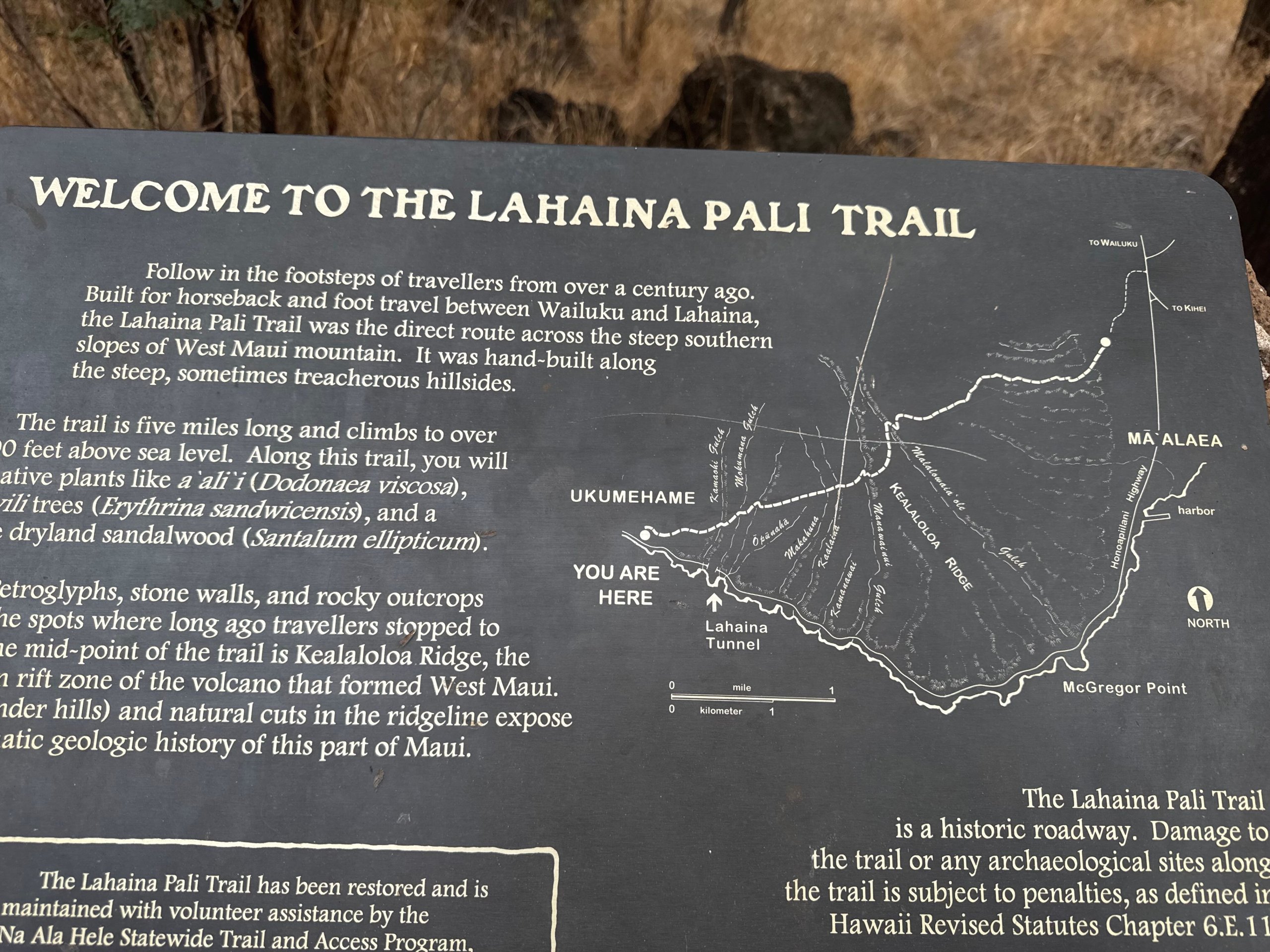
Do you really love to hike trails in Hawaiʻi? Is a State-managed trail is located near or on your property? Does your particular recreational or occupational interest qualify you to assist the State in developing and implementing trail acquisition and stewardship goals? Here are some ways you can be involved:
- Read the 2026 Draft Program Plan (link here) and submit commits via the DLNR Division of Forestry and Wildlife website.
- Committed? Have a related expertise? Apply to join the Nā Ala Hele Advisory Council for your island.
- Volunteer with trail maintenance or stewardship of other DLNR owned lands.
- ENJOY! Hike any of the Nā Ala Hele trails. Learn from signage, and trail stewards at places like Pololū Valley on Hawaiʻi Island, about the history of the place and how to visit with respect. Remember many of these places are environmentally and culturally sensitive. Be aware of your own physical limitations as well as weather conditions. And donʻt hike alone!

Leave your opinion here. Please be nice. Your Email address will be kept private, this form is secure and we never spam you.