One of the less glamorous but most important parts of buying a home on the Big Island of Hawaii has nothing to do with ocean views, lanais, or renovations. It comes down to something far less exciting and far more important: building permits.
As a real estate agent, part of my job is constantly watching new listings and understanding what is really being offered beyond the photos. Lately, I’ve been seeing a noticeable trend. More properties are coming on the market with open or unresolved permits, and I immediately see red flags!
Because here’s the reality. What looks like a beautiful home on the surface can carry hidden risks if the permitting history is not fully cleared.
What Are Building Permits and Why Do They Matter?
In Hawaii real estate, permits are the official record of what has been built, added, or modified on a property. This includes things like:
- Additions and renovations
- Electrical or plumbing work
- Septic or cesspool installations
- Structural changes
- Adding Photovoltaic and Batteries
When permits are properly closed, it means the work was completed, inspected, and approved by the County of Hawaii. When permits are open, it means something was never finalized. And that’s where problems begin.
The Hidden Risk of Open Permits
Open permits are more than just paperwork issues. They can affect:
- Your ability to get financing
- Insurance coverage
- Future resale value
- Liability as a homeowner
In some cases, lenders may refuse to fund a loan until permits are resolved. In others, buyers inherit the responsibility to fix issues they didn’t create. And yes, that can turn into a very expensive surprise!
A Real Example from a Hamakua Coast Seller
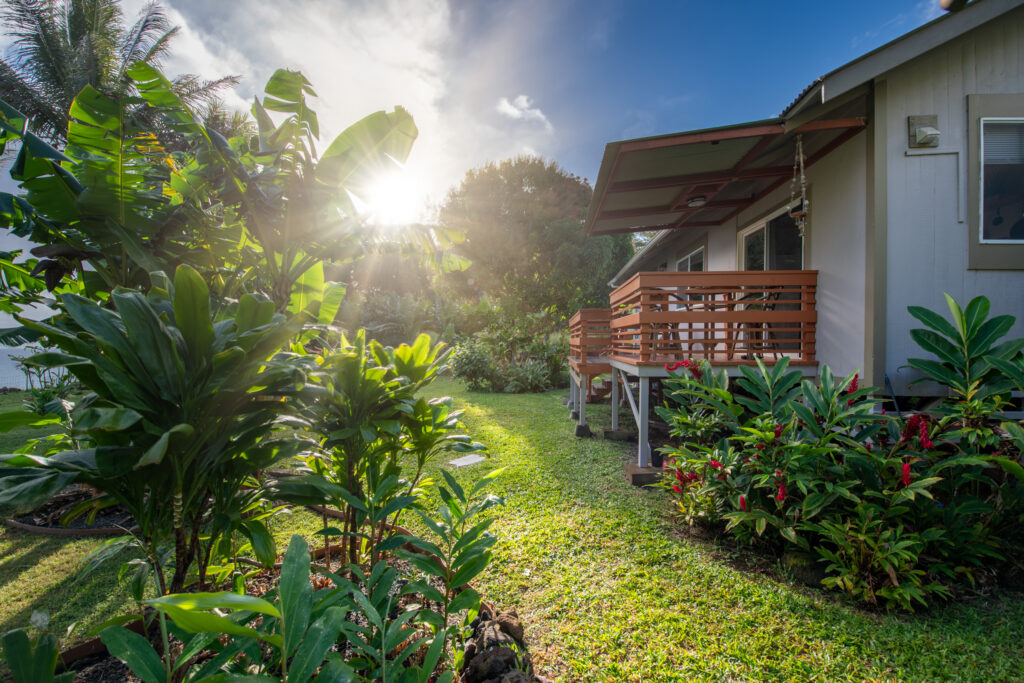
A few years ago, I worked with a seller in Laupahoehoe on the Hamakua Coast. As part of preparing the home for sale, we pulled all property records through the County of Hawaii. That process alone isn’t simple. Permits are not always neatly organized in one place. You often have to dig through multiple records and verify each one individually through the county system. An important step but indeed not a fast process.
During that process, we discovered something unexpected. The cesspool permit was still open.
Not for a few months. For over 15 years!! OMG.
The situation became even more complicated when we learned the original contractor had passed away. There were no clear records, no final sign-offs, and no one to confirm what had actually been completed. What should have been a routine step quickly turned into a much larger issue.
We had to start from scratch. That meant working directly with the County of Hawaii, bringing in new licensed contractors to evaluate the existing system, and in some cases, recreating documentation that should have been finalized years prior. Every step required follow-up, coordination, and approval just to move the process forward. What most buyers don’t realize is that the county doesn’t simply “close” a permit because time has passed. They require verification that the work was completed properly and meets current standards, even if the work was done over a decade ago.
In this case, resolving a single open cesspool permit turned into a year-long process. It involved multiple site visits, inspections, and ongoing communication just to bring the property into compliance. Now imagine discovering that after you’ve already purchased the home. You would be very angry, I know I would!

Another Real Example from an Ocean View Buyer
A couple of years ago, I was representing a buyer purchasing a home in Ocean View. We were about 30 days into the escrow process and approaching conditional loan approval when the lender called with an unexpected issue.
They said, “We can’t move forward. The permits show the home is built on Lot #2, but the home is physically located on Lot #1.”
At first, it sounded like a simple clerical error. It wasn’t.
After digging into the county records, we confirmed the discrepancy. The County of Hawaii had documented the home on the wrong parcel. On paper, the house did not exist where it was actually built. From a lending standpoint, that’s a deal breaker. The lender could not approve the loan because the legal description of the property did not match reality. As much as everyone wanted to move forward, we had no path to closing.
The contract had to be canceled.
What followed was a long and frustrating process for the seller. It took more than six months, multiple trips to the Planning Department, and persistent follow-up just to get someone to take ownership of the issue and begin correcting the records. Eventually, the permits and documentation were resolved, and the buyer was able to move forward with the purchase. But it came at the cost of time, uncertainty, and a transaction that nearly fell apart entirely.
This is the kind of issue most buyers would never think to look for, but it can stop a deal in its tracks without warning.

Why This Matters for Buyers in Hawaii
Buying a home in Hawaii, especially on the Big Island, is very different from many mainland markets. Much of the island operates without a county sewer system, meaning many homes rely on septic systems or cesspools. At the same time, properties often have long ownership histories, with additions and improvements made over decades, sometimes without consistent documentation or permitting. All of this makes understanding a property’s full history not just helpful, but essential.
That makes due diligence critical.
When you’re reviewing a property, it’s not just about the seller’s disclosure or how the home looks. It’s about understanding the full history of the property behind the scenes.
What was built?
What was permitted?
What was never finalized?
Because ultimately, you are not just buying a home. You are buying its history, its approvals, and sometimes its unresolved issues.
What to Do If a Property Has Open Permits
This is where experience matters!
If you’re considering buying a home with open permits, you have options:
- Request in writing that the seller close permits prior to closing
- Negotiate credits or pricing adjustments
- Work with contractors to estimate resolution costs
- Decide if the risk aligns with your goals
There is no one-size-fits-all answer, but there should always be a clear strategy.
The Bottom Line
In a market where many buyers focus on views, upgrades, and location, permits are often overlooked until it’s too late. But in Hawaii real estate, permits are not a minor detail. They are a critical part of protecting your investment. The difference between a smooth purchase and a costly mistake often comes down to whether someone took the time to look beyond the surface.
And unfortunately, not everyone does.

Leave your opinion here. Please be nice. Your Email address will be kept private, this form is secure and we never spam you.