Service Animals, Emotional Support Animals, and Housing: What Every Landlord and Pet Person Should Know
As a Realtor® who also works with rental properties including my own, I have to be especially vigilant about staying up to date on fair housing laws.
While I am not a lawyer and this blog is by no means legal advice, this topic is one I am passionate about. I recently completed a continuing education course on Assistance Animals and Fair Housing, and one of my biggest takeaways was how important it is to understand the differences between service animals, emotional support animals (ESAs), therapy animals, and the broader category of assistance animals. They’re often lumped together but in the real world and legally, they’re treated very differently.
Making assumptions or relying on outdated or inaccurate information can create challenges for both housing providers as well as tenants. Understanding the rules will help to ensure that everyone is treated fairly while still staying compliant with fair housing laws.
As someone who has a few rescue animals in my own home, I believe people should be able to have their animal family members with them whenever possible both in housing and in public spaces provided the animals are well-behaved.
Lately I feel that the term “well behaved” is a relative one. Unfortunately, over time it seems a few bad apples have created challenges for everyone else. The disregard of assistance animal laws, fake certifications, and poorly behaved animals presented as service or emotional support animals have led to confusion, skepticism, and additional scrutiny for people who genuinely rely on these animals every day. We have all experienced it at one point or another. I was recently shopping in Costco and came up to a dog in the check out line with a red vest on that proceeded to pretty much launch onto me to say hi. The dog was overly friendly and I did not for one minute feel threatened, but the owner had all they could do pull the dog back. Keep in mind, I am considered the “crazy animal lady” to many people but for some reason it just got under my skin. All I could think of was “what if I were a child or someone not steady on their feet?” I get it, we dog people all want to be able to bring our dogs with us where ever we go in public. Unfortunately, there are some people that are just not dog people (I don’t understand that but there are) and the rest of us all need to respect them the way that we would also like to be respected. OK, I will step off of my soap box now.


I feel it is extremely important for landlords, tenants, housing providers, and real estate professionals to understand the rules, respect legitimate needs, and approach these situations with both common sense and compassion.
Since this is a topic that comes up regularly in rentals, I thought it would be helpful to share some of the key points I learned.
Assistance Animals Are Not Pets
Under the Fair Housing Act, assistance animals are not considered pets. That means a property’s “no pets” policy doesn’t automatically apply. An assistance animal can include both service animals and emotional support animals, but there are important differences between the two. I love a good chart for comparisons.
| Feature | Service Animal | Emotional Support Animal (ESA) | Therapy Animal |
|---|---|---|---|
| Helps a person with a disability | ✅ | ✅ | ❌ |
| Protected in housing under Fair Housing Act | ✅ | ✅ | ❌ |
| Requires specialized training | ✅ | ❌ | ✅ |
| Performs specific tasks | ✅ | ❌ | ❌ |
| Provides emotional comfort | Sometimes | ✅ | ✅ |
| Can live in “No Pets” housing (with qualifying documentation) | ✅ | ✅ | ❌ |
| Considered a pet under Fair Housing Law | ❌ | ❌ | Usually Yes |
| Examples | Guide dog, seizure alert dog, mobility dog | Dog, cat, rabbit, bird providing emotional support | Hospital visitation dog |
Assistance Animal is the umbrella category for lack of a better term.
Under that umbrella are:
- Service Animals
- Emotional Support Animals (ESAs)
Both may qualify for housing accommodations under the Fair Housing Act.
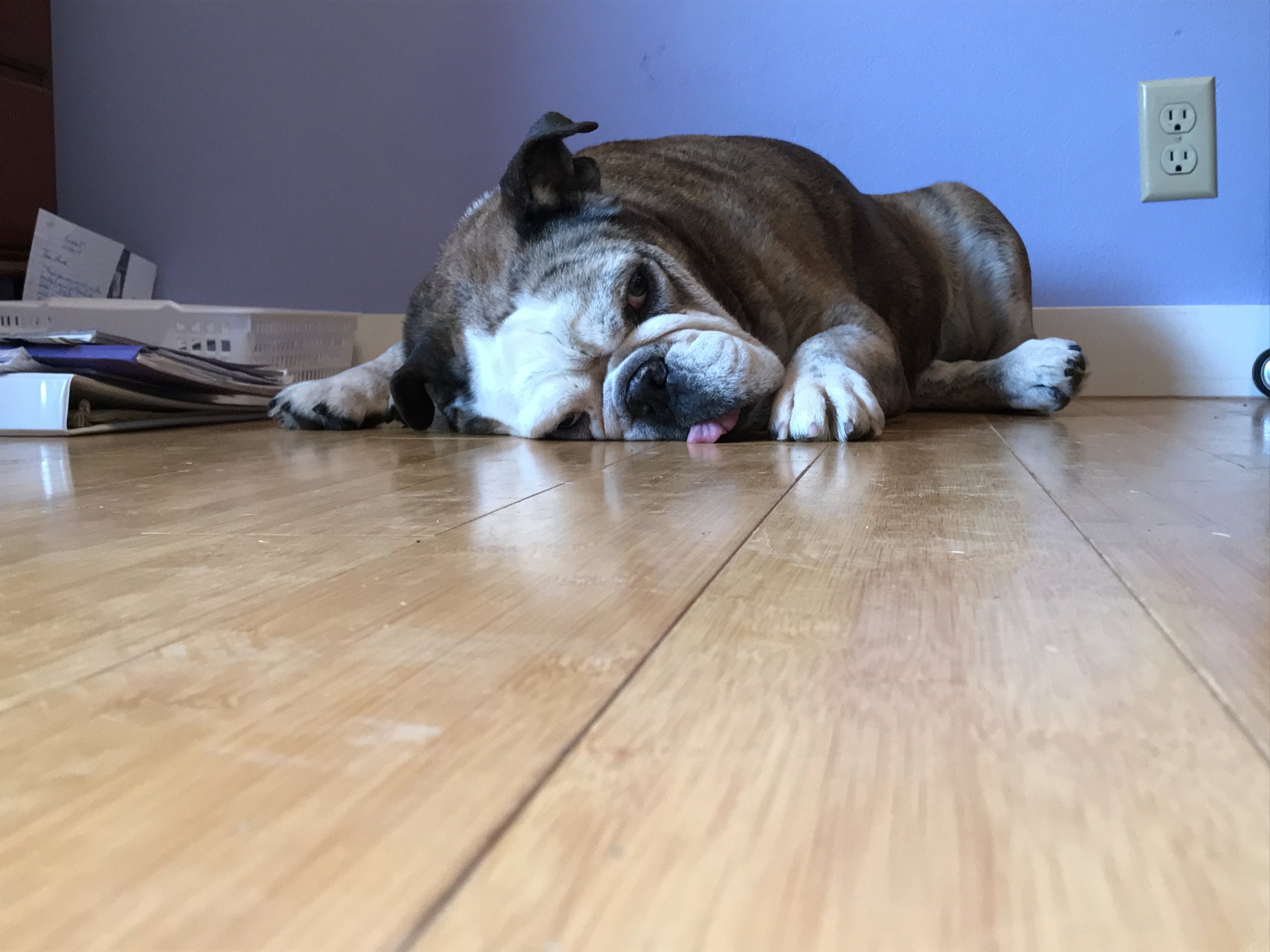
Therapy Animals are different. They are trained to provide comfort to many people in places like hospitals, schools, and nursing homes, but they generally do not receive the same housing protections. We actually went through the Canine Good Citizenship program with Piccadilly and had high hopes of moving into Therapy Animal training with her but after a few weeks of training we found out that the person we were working with was not actually qualified to train or certify her and we were really disappointed. At the time, the only other trainer was on a different island which made it impossible for us at the time.

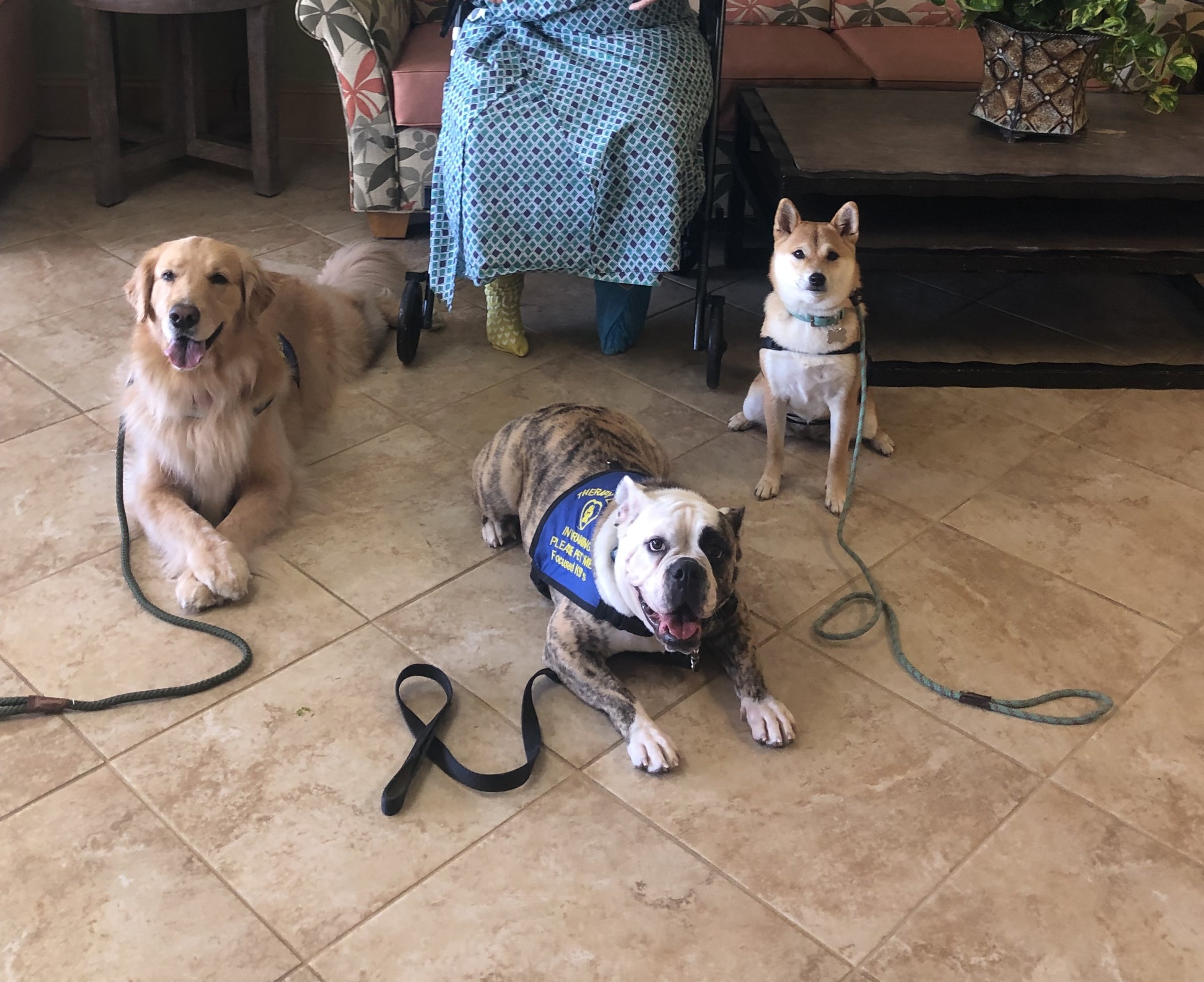
What is the difference? A service animal is typically a dog but I have seen pony’s that have been individually trained to perform specific tasks as well for a person with a disability.
Some examples include:
- Guiding someone who is visually impaired
- Alerting someone with hearing loss
- Assisting with mobility challenges
- Responding to seizures
- Helping manage certain psychiatric conditions
These animals are working animals, not pets.
An emotional support animal, ESA provides comfort and support to someone with a qualifying disability. Unlike service animals, ESAs do not need specialized training. Dogs are common, but ESAs can also be cats, rabbits, birds, and other animals. The key factor isn’t the animal itself—it’s whether the person has a disability-related need for the animal.
What can a person actually ask? This is where many people get nervous, and they should.
If the disability or need for the animal isn’t obvious, a housing provider may ask for documentation that supports the need for the accommodation.
What you CANNOT ask for:
- Ask for medical records
- Ask about the nature or severity of the disability
- Demand special certifications or registrations
- Charge additional pet fees or pet deposits
The goal is simply to verify that there is a legitimate disability-related need for the animal.
Can you deny a request? Rarely and only in limited situations. A request generally cannot be denied because:
- You have a no-pets policy
- The animal is too large
- The breed is restricted
- You think the tenant doesn’t “look disabled”
Those reasons generally won’t hold up under fair housing laws.
A request could potentially be denied if:
- There is no documentation supporting the disability-related need
- The accommodation would create an undue financial or administrative burden
- The specific animal poses a direct threat to others
- The animal has a documented history of causing significant property damage
The decision should be based on the behavior of that specific animal—not assumptions about a particular breed.
What about online ESA Certificates? This is where things get tricky. There are several websites selling ESA certificates, registrations, and ID cards. The reality is that at this time, there is no official federal registry for emotional support animals. A fancy certificate doesn’t automatically mean a request is legitimate, and the lack of a certificate doesn’t mean it isn’t. When evaluating a request, the best thing to do is to focus on reliable documentation and the disability-related need—not whether someone purchased their vest online.
Whether you’re a landlord, property manager, HOA board member, tenant, or real estate professional, understanding the differences between service animals, emotional support animals, and therapy animals helps everyone navigate successfully through housing situations.
The goal isn’t to make housing more difficult. The goal is to balance the rights of people with disabilities while maintaining safe and enjoyable housing for everyone. A little education goes a long way. Fair housing laws are designed to ensure that people with disabilities have equal access to housing opportunities. When an assistance animal request comes across your desk, take the time to review the facts and do your best to avoid making assumptions. The safest approach is to evaluate each request individually, respond quickly and if you have doubts, reach out to a qualified fair housing professional or attorney.
As REALTORS®, landlords, and property managers, we have a responsibility to stay informed. As animal lovers, we can also remember that for many people, these animals are much more than pets—they’re family.



Disclaimer: This article is intended for educational purposes only and should not be considered legal advice. Fair housing laws can vary by state and situation. Always consult with a qualified attorney or fair housing professional regarding specific circumstances.

Connie Hunt
June 18, 2026
Thank you so much Linda for this article! I am disabled, and my Mobility Service Dog helps me lead an active life and to walk confidently in the world. There is so much confusion among the general public as to what is and is not a Service Dog, ESA, Therapy Dog, Facility Dog, and Pet, and there are people who take advantage of this confusion to bring their (sometimes) well-mannered pet into the public space (and into housing situations). I have lost count of the number of times my current Service Dog (and prior one, now over the rainbow) has been lunged at, growled at, and outright attacked by pets in the public space who do not have the requisite training and/or temperament to be there. It is a liability for the owner. Attacks of any kind toward a Service Animal have a legality about them that most people with dogs are not aware. Beyond that, attacks can cause significant setbacks to a Service Dog’s training, and sadly sometimes, can be career ending. So thank you so much for helping to educate people about the differences of assistance animals. Anyone can learn more about the service dog laws on the ADAs website. The AKC has a wonderful Service Dogs 101 article too.
Linda Hussey
June 18, 2026
Mahalo for the great feedback Connie. My hope is to spread awareness.