Renovations in Hawaii: Why a Blank Canvas Can Be the Better Buy
There is something exciting about walking into a property and seeing not only what it is today, but what it could become.
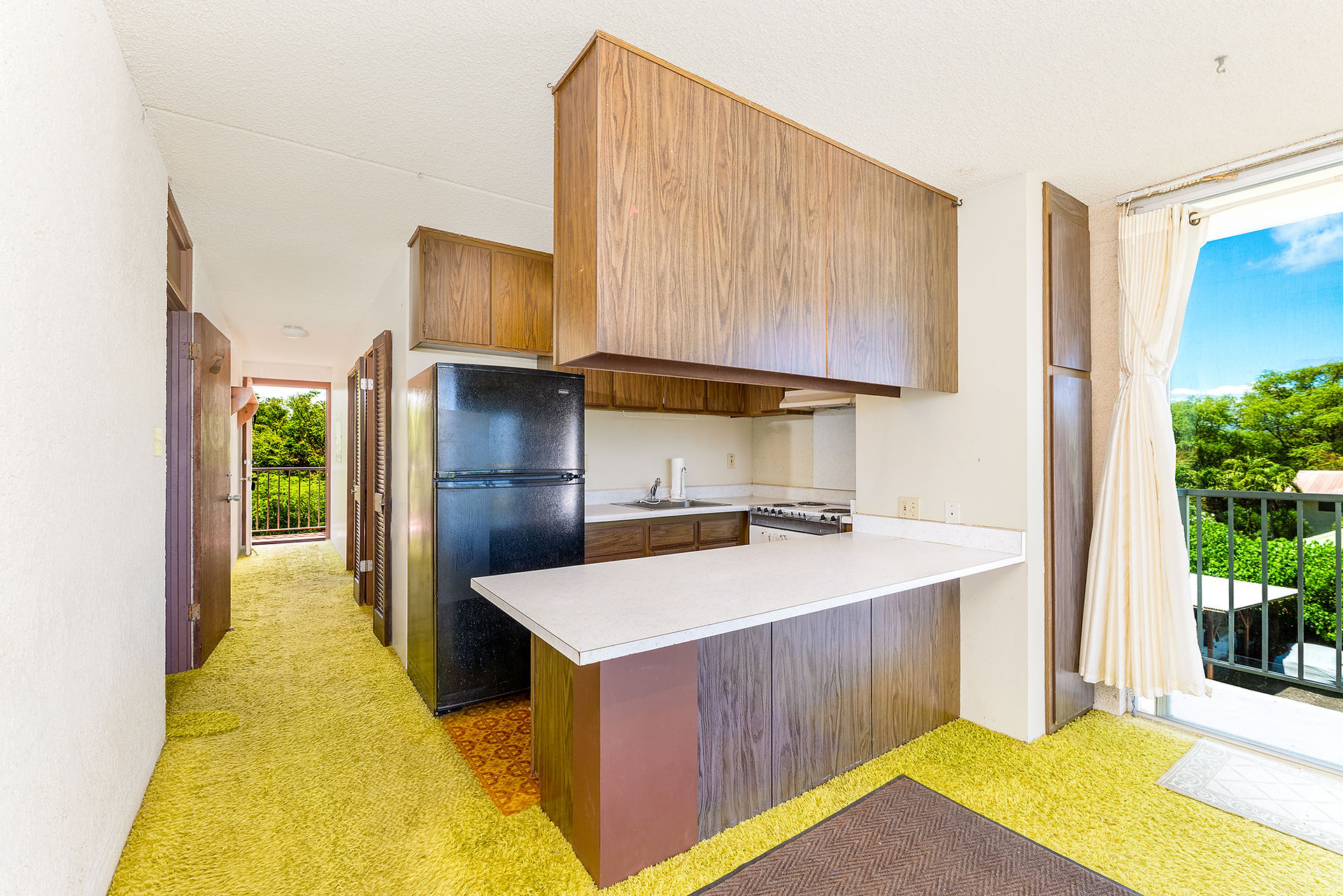
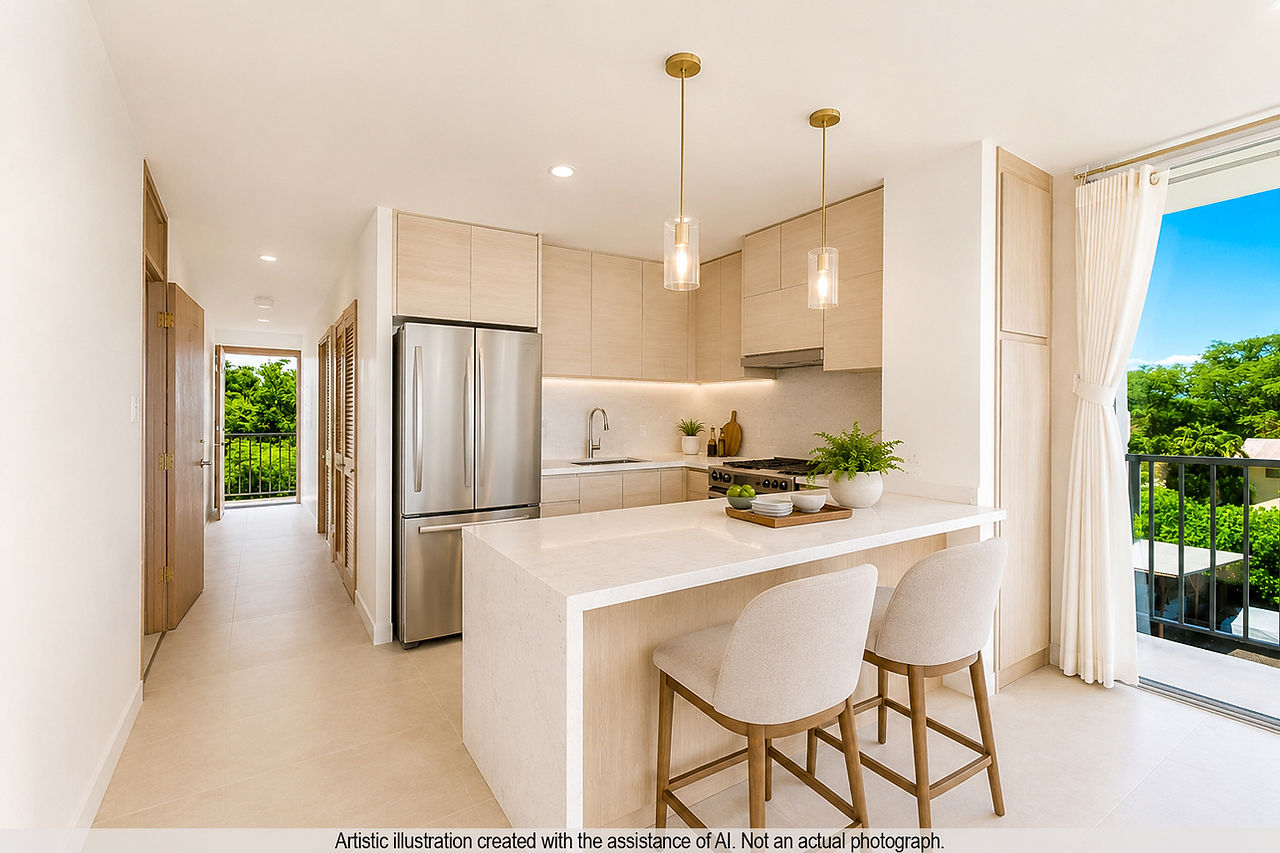
A dated kitchen can become an inviting gathering space. You can replace old carpet with cool, easy-care tile. A tired bathroom can feel fresh and spa-like. With the right property and a good plan, renovation gives you the chance to create a home that reflects the way you actually want to live in Hawaiʻi.
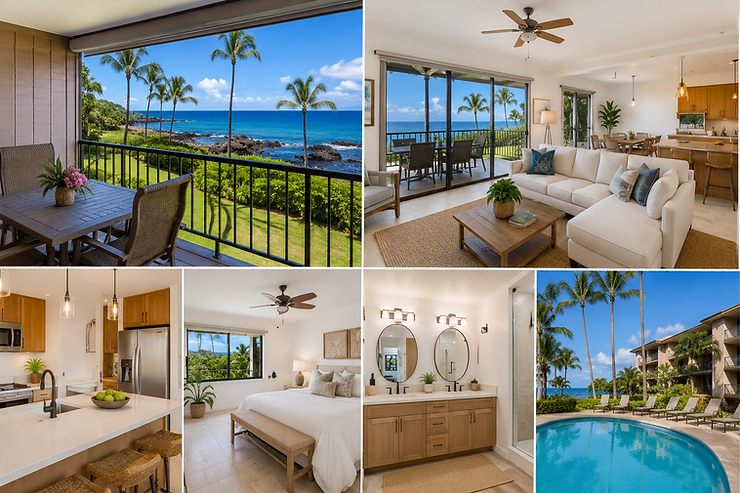
That is why I often tell buyers not to dismiss a property just because it needs updating. Sometimes, buying a beautifully renovated home means paying a premium for someone else’s choices. You may be paying for cabinets, countertops, flooring, and finishes that are perfectly nice, but not what you would have chosen yourself.
A property with good bones in a great location can offer something even more valuable: possibility.
And in Hawaiʻi, location is the part you cannot renovate.
Start With Your Vision
Before choosing paint colors or looking at tile samples, think about what you want the property to do for you.
Is this your future retirement place? A second home? A vacation rental? An investment property? A full-time residence near the ocean?
A retirement home may require comfort, easy-care fabrics, and clever storage. A vacation rental needs durability, simple upkeep, and broad guest appeal. A second home can be more personal, with finishes selected simply because you love them.
The best renovation begins with a clear picture of the life you want to live there.
Start With the Right Property
A successful Hawaii renovation starts before construction. It starts with buying the right property.
Look closely at location, views, floor plan, natural light, ventilation, building condition, and the features that are difficult or impossible to change. With a condominium, you should also understand association rules and which parts of the property fall under the owner’s responsibility.
This is where looking past dated finishes can really pay off.
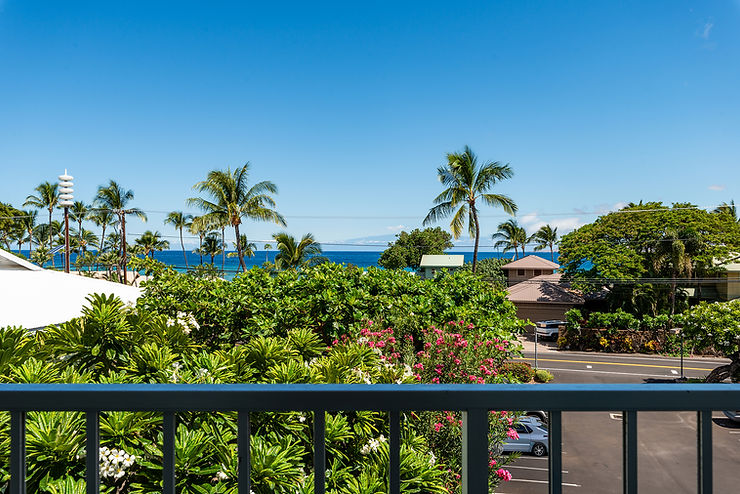
Puako Beach Condo 301 is a great example. This third-floor end unit is largely in original condition, giving the next owner a rare chance to reimagine the interior instead of paying for a recent remodel designed around someone else’s taste.
The opportunity is to create something personal while starting with what matters most: the great location, ocean views, the corner-unit position, and the lifestyle that comes with living so close to the ocean.
Those are things a renovation cannot create.
Make a Realistic Renovation Budget
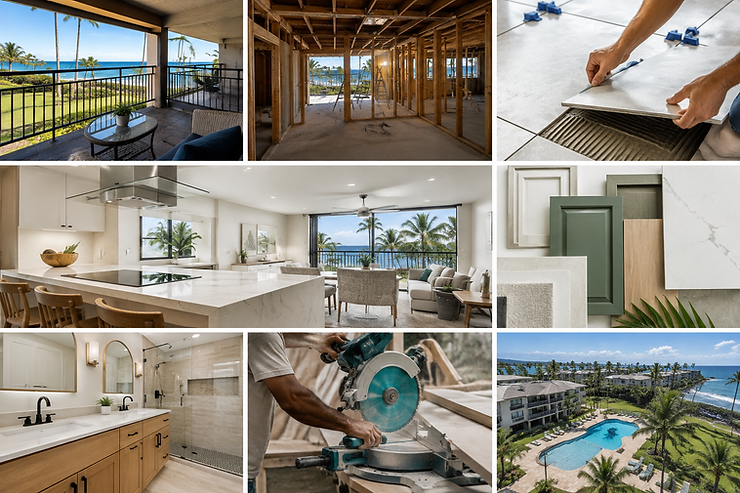
Renovations in Hawaii generally cost more than comparable projects on the mainland. Many building materials, fixtures, appliances, and furnishings have to be shipped to the islands. Labor availability and limited local inventory can also alter pricing.
That does not mean renovating is unrealistic. It simply means planning is especially important.
As of this writing, a typical condo renovation at Puako Beach Condominiums may run approximately $100,000 to $120,000, depending on the scope, materials, appliances, and finishes selected. A more extensive luxury remodel can cost considerably more.
I also recommend including some extra funds in the renovation budget. Once the work begins, unexpected issues can appear. Having some wiggle room makes those surprises much easier to manage.
Decide early where quality matters most. Durable flooring, well-made cabinetry, good countertops, and lighting usually have more lasting value than trendy decorative details.
Hire the Right Contractor
This may sound obvious, but it can make or break the entire project.
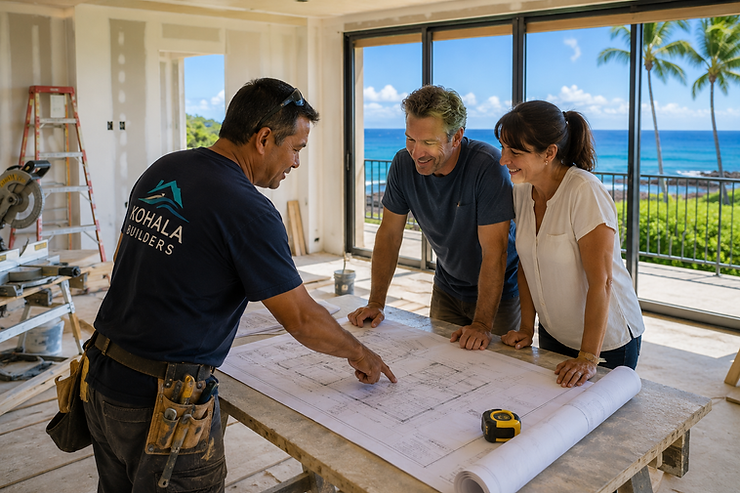
Trying to save money by hiring someone who is not properly qualified can become very expensive if the work later needs correction or takes three times longer than it should. Hawaiʻi’s Department of Commerce and Consumer Affairs recommends verifying contractor licensing and complaint history before hiring. For many larger projects and work requiring building, electrical, or plumbing permits, proper licensing is especially important.
Ask for references. Look at completed projects. Get a detailed written scope of work. Make sure you understand what is included in the price and what may result in additional charges.
Good contractors are often busy on the Big Island, so it is smart to begin those conversations early.
I also keep a list of local professionals and am happy to recommend dependable contractors to clients who need a place to begin.
Understand Permits and Condo Approvals
Don’t assume an interior renovation can go ahead without approvals.
Hawaiʻi County requires permits for many types of building, electrical, and plumbing work. A condominium may also have its own renovation rules, approval procedures, work-hour restrictions, insurance requirements, and construction guidelines.
An important point for condo owners is that county approval and condominium association approval are separate matters. Receiving one does not automatically satisfy the other.
A professional contractor can help identify the permits your project needs, but owners should also review the condominium declaration, bylaws, house rules, and renovation procedures before work begins.
Getting things right at the start can prevent much bigger problems later, especially when it is time to sell.
Renovations in Hawaii: Design for Tropical Climate
Salt air, humidity, strong sun, and wind can be hard on materials, especially in oceanfront communities such as Puako. Finishes that perform beautifully in a dry mainland climate may not be the best choice near the ocean.
Think about corrosion-resistant hardware, durable flooring, moisture-conscious materials, easy-care surfaces, and furnishings suited to tropical conditions. Good airflow matters, too.
This does not mean your home needs to look overly island-themed.
In fact, some of the most appealing Hawaiʻi interiors are clean, light, and understated. You can create a sophisticated tropical home without filling it with bamboo furniture and palm-print fabrics.
Simplicity Goes a Long Way
Island living is often at its best when the home feels comfortable rather than complicated.
On the Big Island, so much of life happens outside. Morning coffee on the lanai, time at the beach, sunset by the ocean, and dinner with the windows open can become part of everyday life.
Inside, simple design can still feel elegant.
Light tile floors, soft neutral walls, natural textures, comfortable furniture, thoughtful storage, and modern lighting can help you create a space that feels fresh without trying too hard.
Think about what you will genuinely use and enjoy. You do not need to fill every corner or follow every design trend. A well-designed Hawaiʻi home should support the lifestyle that brought you here in the first place.
Puako Beach Condo 301: Imagine the Possibilities
For the right buyer, Puako Beach Condo 301 is not simply a condo that needs renovation.
It is a blank canvas in one of the Big Island’s most special coastal communities.
Update the kitchen to match how you cook. Choose flooring that works for sandy feet and tropical weather. Create bathrooms that feel clean and serene. Add a comfortable workspace if you need one. Select furniture, lighting, and finishes that suit your own style instead of inheriting somebody else’s renovation.
That freedom has value.
There is also something pleasing about watching a property become your home, one thoughtful decision at a time.
A finished property can certainly be convenient. But if you find the right location, the right floor plan, and the right opportunity, taking on a renovation may allow you to create something much more personal.
Imagine it. Make it yours.
If you are considering Puako Beach Condo 301, or another Hawaiʻi property with renovation potential, I am happy to help you look beyond the current finishes and evaluate the bigger picture. With the right property, a reasonable budget, and a good team, renovations in Hawaii can be an exciting opportunity to create exactly the home you have imagined.

Leave your opinion here. Please be nice. Your Email address will be kept private, this form is secure and we never spam you.