North Kauaʻi Real Estate: What Buyers Should Watch in Hanalei & Princeville
A buyer can drive from Princeville to Hanalei in a matter of minutes, but the real estate decisions on either side of the Hanalei Bridge can be very different.
Hanalei is a small, supply-constrained community where proximity to the bay, flood characteristics, older homes, wastewater systems, and the scarcity of comparable properties can have an outsized effect on value. Princeville offers a much broader mix of single-family homes, condominiums, resort properties, and vacant land, but buyers there have a different set of questions to answer around associations, insurance, rental rules, and long-term carrying costs.
That difference matters in the current market.
Through Q2 2026, Kauaʻi continued to post the highest median sold home price in the state, but buyers were taking more time and inventory had moved slightly higher than a year earlier. In a relatively small market, however, islandwide numbers can move considerably depending on what happens to sell during a particular quarter.
For someone considering North Shore Kauaʻi real estate, that makes property-level research more useful than watching a single islandwide median.
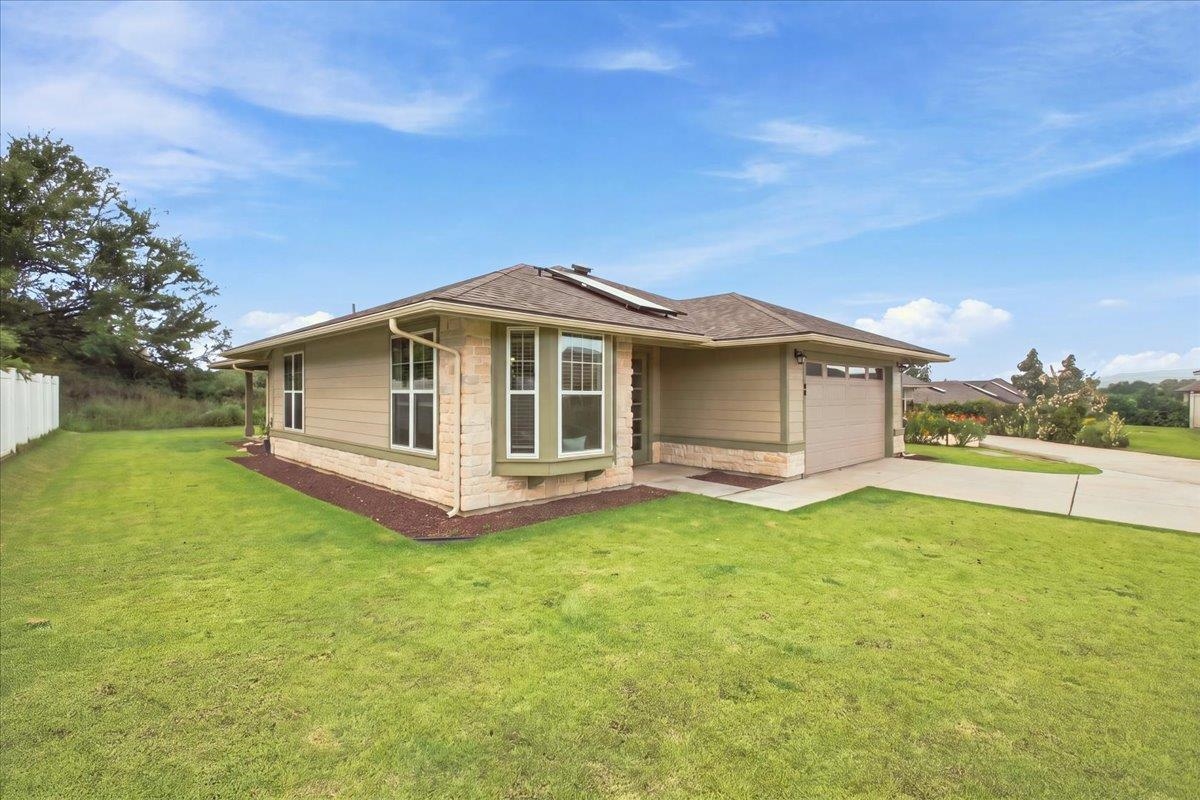
In Hanalei, Scarcity Changes the Way You Read the Market
Hanalei does not produce a large number of transactions, so recent sales are not always directly comparable.
A cottage in town, a renovated home close to Hanalei Bay, and a beachfront property may sit in the same market but appeal to very different buyers.
When comparing Hanalei homes for sale, look beyond square footage and bedroom count. Value can be shaped by:
- Walking distance to the bay and town
- Lot size and usable land
- Flood exposure
- Views
- Condition and renovation quality
- Permitted improvements
- Wastewater systems
Because sales volume is limited, nearby comparable sales and competing listings often provide a better picture of value than broad islandwide averages.
Princeville Gives Buyers More Choice, but More to Compare
Princeville works differently because the available housing stock is much broader.
A current search of Princeville real estate includes single-family homes, condos, resort-oriented properties, and land. That gives buyers more ways to enter the North Shore market, but it also makes headline pricing less useful.
Consider two Princeville condos listed at similar prices. One association may have healthy reserves, a well-funded maintenance plan, manageable insurance costs, and no major work approaching. Another may be dealing with increasing master-policy premiums, deferred repairs, rising dues, or a potential special assessment.
The units may look comparable on a listing page. Their long-term economics may not be comparable at all.
This is why Princeville condo buyers should review association documents as carefully as they inspect the unit itself. Reserve studies, budgets, meeting minutes, insurance deductibles, planned capital projects, current assessments, rental restrictions, and recent changes to monthly dues can materially change the cost of ownership.
Our deeper guide to single-family homes versus condos in Hawaiʻi explains why the purchase price is only one part of that comparison. Insurance, association fees, reserves, special-assessment exposure, and maintenance responsibilities all belong in the calculation.
Do Not Assume Rental Potential From the Address
Vacation-rental potential can influence how a North Shore property is valued, especially in Princeville, but buyers should not build projected rental income into an offer until the property’s legal status has been confirmed.
Kauaʻi County generally does not allow a new short-term rental of less than 180 days outside a designated Visitor Destination Area, subject to existing permitted nonconforming uses and other exceptions.
A meaningful portion of Princeville is within the VDA, which is one reason it attracts buyers looking for properties that can combine personal use with vacation-rental potential. But that does not make every property in Princeville automatically eligible.
The parcel itself needs to be checked. So do the condominium or homeowners association rules.
A buyer should know whether short-term rental use is permitted, what approvals apply, whether the association imposes additional restrictions, what property management will cost, and how realistic the rental assumptions are before placing a value on that income.
This is an area where a five-minute assumption can turn into a very expensive misunderstanding.
In Hanalei, Flood Risk Is Also an Access Question
Flood due diligence in Hanalei is not limited to finding out whether a lender requires flood insurance.
Kauaʻi County directs owners and buyers to the state’s Flood Hazard Assessment Tool for parcel-level floodplain information, and properties can fall within different flood-zone classifications even within the same general area.
For a buyer, that raises several questions: What flood zone is the property in? Is there an elevation certificate? What will flood coverage cost? Has the home been elevated or otherwise designed around known flood conditions? How does drainage behave around the structure?
There is also a practical access consideration. Flooding can affect Kūhiō Highway near Hanalei Bridge. County alerts documented closures there during multiple heavy-rain events in 2026, including in February, April, and September.
That does not make Hanalei unsuitable to buy in. It means a buyer should understand what living in the location actually involves rather than treating flood-zone information as paperwork that only matters to the lender.
The same principle applies to shoreline properties. Kauaʻi updated its Special Management Area and shoreline setback rules in 2026, so buyers considering future additions, rebuilding, or major improvements near the coast should investigate what is permitted on the specific parcel before assuming that an existing home can simply be expanded later.
Wastewater Can Change the Cost of an Older Hanalei Property
Wastewater is not usually the first thing that attracts someone to a North Shore home, but it can become one of the more important due-diligence items.
Kauaʻi contains a large number of properties that rely on individual wastewater systems rather than municipal sewer infrastructure. Older properties may still have cesspools.
Hawaiʻi currently requires remaining cesspools to be upgraded, converted to an approved wastewater system, or connected to sewer by 2050. Certain property modifications or wastewater conditions can trigger conversion sooner. The Kauaʻi District Health Office also specifically identifies Hanalei and areas beyond it as places where cesspool discharge can reach groundwater.
That matters if a buyer plans to renovate.
An older property that appears to offer room for another bedroom, bathroom, or larger remodel may carry a wastewater cost that is not obvious from the listing.
For homes with septic or cesspool systems, our guide to septic inspections when buying on Kauaʻi explains what buyers should investigate during due diligence.
The important question is not simply, “Does the system work today?” It is also, “What will this system require if I remodel or own the property for another ten or twenty years?”
Insurance Belongs in the Offer Conversation
Insurance used to be something many buyers dealt with after the larger purchase decisions had already been made. In the current Hawaiʻi market, it deserves attention earlier.
For a Hanalei home, factors such as age, roof condition, construction, electrical systems, and flood exposure can influence coverage and cost.
For Princeville condos, the association’s master insurance policy is equally important. Rising premiums or large deductibles can eventually affect owners through higher dues or assessments.
Buyers should obtain preliminary insurance information early rather than waiting until the end of escrow.
What Should Actually Influence Your Offer?
This is where the difference between watching the market and understanding a property becomes important.
A longer time on market may give a buyer more room to negotiate, but only after understanding why the home has been sitting. A property may have an ambitious asking price. It may also have insurance complications, substantial deferred maintenance, an upcoming condo assessment, an unusual floor plan, flood exposure, or simply a narrower buyer pool.
Likewise, a recently listed Hanalei home that is well located, properly maintained, and difficult to replicate should not automatically be approached the same way as a Princeville condo competing against several similar units.
Before deciding what a North Shore property is worth to you, put five pieces of information together: the closest recent comparable sales, competing active inventory, property condition, true annual carrying cost, and any significant expense you can reasonably see coming after closing.
That produces a much more useful number than simply starting a fixed percentage below the asking price.
The North Shore Is One Market Only From a Distance
Hanalei and Princeville share the same broader North Shore lifestyle, but buyers face different ownership considerations in each market.
In Hanalei, scarcity, location, flood exposure, property condition, and future improvement potential often carry significant weight.
In Princeville, buyers generally have more options, but association finances, insurance, rental eligibility, and total carrying costs become more important.
The most useful approach is to evaluate the property itself, not just the market headline.
For buyers still comparing areas, our guide to North Shore vs. South Shore Kauaʻi provides a broader look at how location affects lifestyle, property type, access, and ownership considerations.
Frequently Asked Questions
Is Hanalei real estate more expensive than Princeville?
Hanalei generally has much less inventory and can carry substantial premiums for proximity to Hanalei Bay and town. Princeville offers a wider range of condos, homes, and land, so prices and ownership costs vary more widely.
Can I use a Princeville property as a vacation rental?
Some Princeville properties are eligible for short-term rental use, but buyers should verify the specific parcel and any HOA or condominium restrictions before relying on rental income.
What should I check before buying an older home in Hanalei?
In addition to the general inspection, review flood information, wastewater systems, permits, insurance availability, drainage, structural condition, and any limitations on future improvements.
What should I review before buying a Princeville condo?
Look beyond monthly HOA dues. Review association reserves, insurance, budgets, meeting minutes, special assessments, planned capital work, litigation, and rental restrictions.

Leave your opinion here. Please be nice. Your Email address will be kept private, this form is secure and we never spam you.