Leasehold 101: What Oahu Buyers Need to Know Before Chasing the Lowest Price
Every so often, an Oahu buyer calls and says something like this:
“I found a Waikiki condo for way less than everything else. What’s the catch?”
Very often, the answer is one word: leasehold.
Leasehold properties can look incredibly attractive online because the list price may be dramatically lower than a similar fee simple property. A condo in Waikiki, Ala Moana, Diamond Head, Kahala, or another desirable Oahu location might appear to offer the same view, same square footage, same amenities, and same lifestyle — but at a much lower price.
That lower price is not random. It is the market’s way of pricing in a different ownership structure.
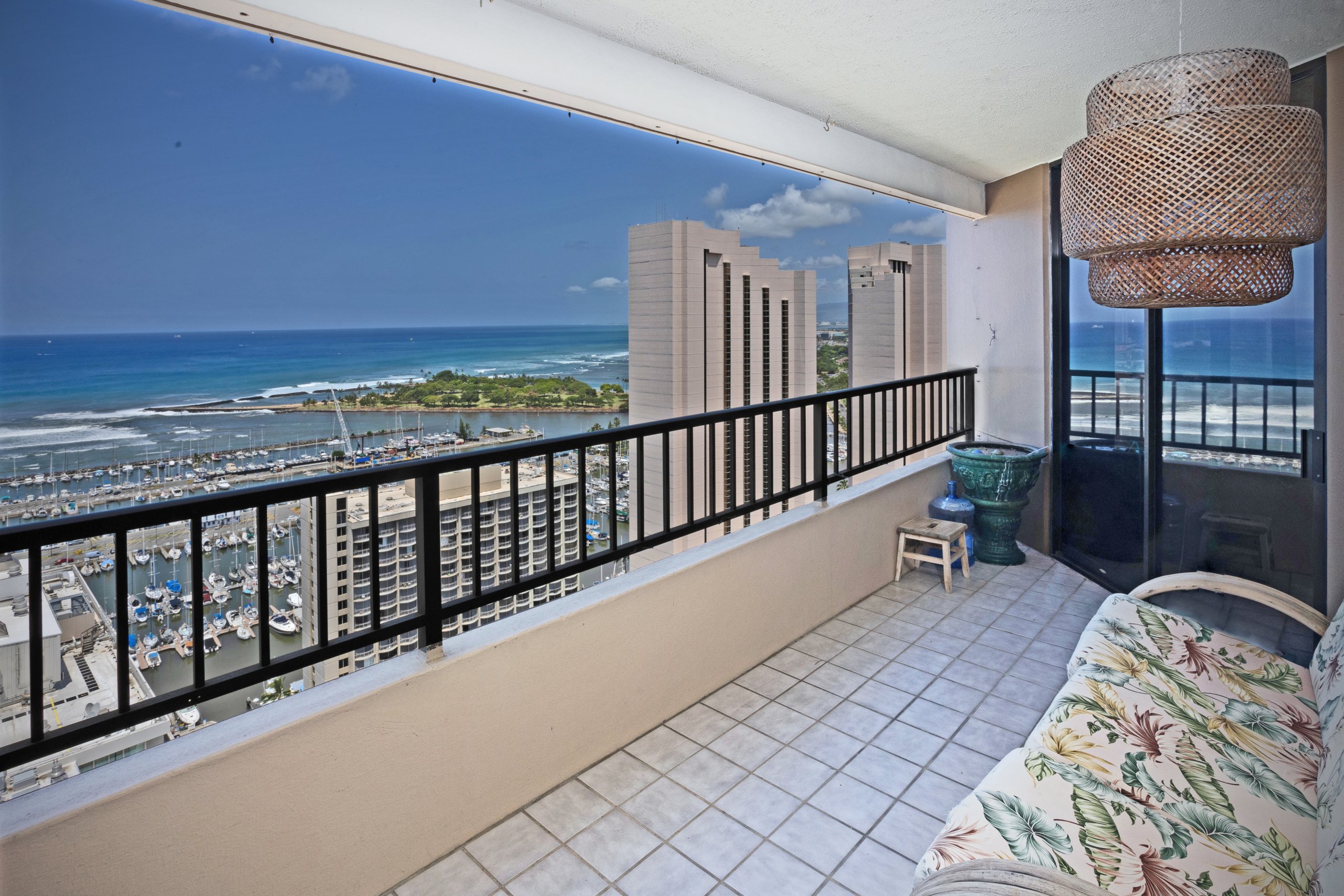
Leasehold is not necessarily bad. But it is different. And for a buyer, especially one comparing properties online, understanding that difference is critical before chasing the lowest price.
Fee Simple vs. Leasehold: The Basic Difference
In Hawaii, fee simple generally means you own the property outright. For most buyers, this is the most familiar form of ownership. There is no underlying land lease expiration date attached to the ownership structure.
Leasehold means you have the right to use, occupy, sell, and sometimes rent the property during the lease term, but you do not own the underlying land. A separate landowner owns the land, and the leaseholder pays lease rent for the right to use it. When the lease expires, the property typically reverts to the landowner unless the lease is extended, renegotiated, or the fee interest is purchased, if available.
That one difference affects everything: price, monthly cost, financing, resale, long-term value, and buyer demand.
Why Leasehold Condos Can Look “Cheap” Online
Leasehold properties often appear less expensive because the buyer is not purchasing the land in the same way a fee simple buyer is. Instead, the buyer is purchasing a leasehold interest for a specific period of time.
That means the market discounts the price for several reasons:
- The buyer may have to pay monthly lease rent.
- The lease may expire in a set number of years.
- The lease rent may be renegotiated in the future.
- Financing may be more limited.
- The resale buyer pool may be smaller.
- The property may decline in value as the lease expiration date gets closer.
That is why it is risky to compare a leasehold condo and a fee simple condo by list price alone. Two units can look almost identical online, but the ownership economics can be completely different.
A buyer who only looks at the purchase price may think they found a bargain. A buyer who understands the lease may realize the lower price reflects real risk.
The First Number to Check: Lease Expiration
The lease expiration date is one of the most important facts in any leasehold purchase.
A leasehold condo with a lease that runs until 2069 is a very different conversation from a condo with a lease that expires in 2033, 2035, or 2041. The shorter the remaining lease term, the more important the exit strategy becomes.
As the lease expiration approaches, future buyers may become more cautious. Lenders may become more restrictive. Cash buyers may expect larger discounts. Owners may have fewer options if the lease is not extended or the fee interest is not available.
This is why a leasehold buyer should never simply ask, “What is the price?”
The better question is: “How many useful years am I buying, and what happens when those years run out?”
Lease Rent: The Monthly Cost Buyers Can Miss
Leasehold properties often come with lease rent, sometimes called ground rent. This is separate from the purchase price and separate from the condo maintenance fee.
That distinction matters.
A buyer might see a low list price and assume the property is affordable. But once lease rent, maintenance fees, property taxes, insurance, and potential assessments are added together, the monthly cost may look very different.
Some leasehold properties may still offer a compelling value after all costs are considered. Others may not.
When evaluating a leasehold condo, buyers should review:
- Current lease rent
- Maintenance fee
- Property taxes
- Insurance obligations
- Utilities included or excluded
- Special assessments
- Future lease rent renegotiation dates
- Any known increases or scheduled changes
The true cost of a leasehold condo is not the list price. It is the list price plus the lease obligations.
Renegotiation: The Date That Can Change the Math
Many leasehold properties have lease rent renegotiation dates. This means the current lease rent may not stay the same for the full lease term.
At renegotiation, the lease rent may be adjusted based on the terms in the lease. In some cases, the increase can be significant. Locations’ leasehold guidance notes that many leases have renegotiation dates where land lease amounts are renegotiated for another term, and that increases can sometimes be multiples of the previous amount.
This is one of the most important pieces of leasehold due diligence.
A buyer should know:
- When was the last renegotiation?
- When is the next renegotiation?
- How is the new lease rent calculated?
- Is there a cap on increases?
- Could the new lease rent affect resale value?
- Could the new lease rent affect financing?
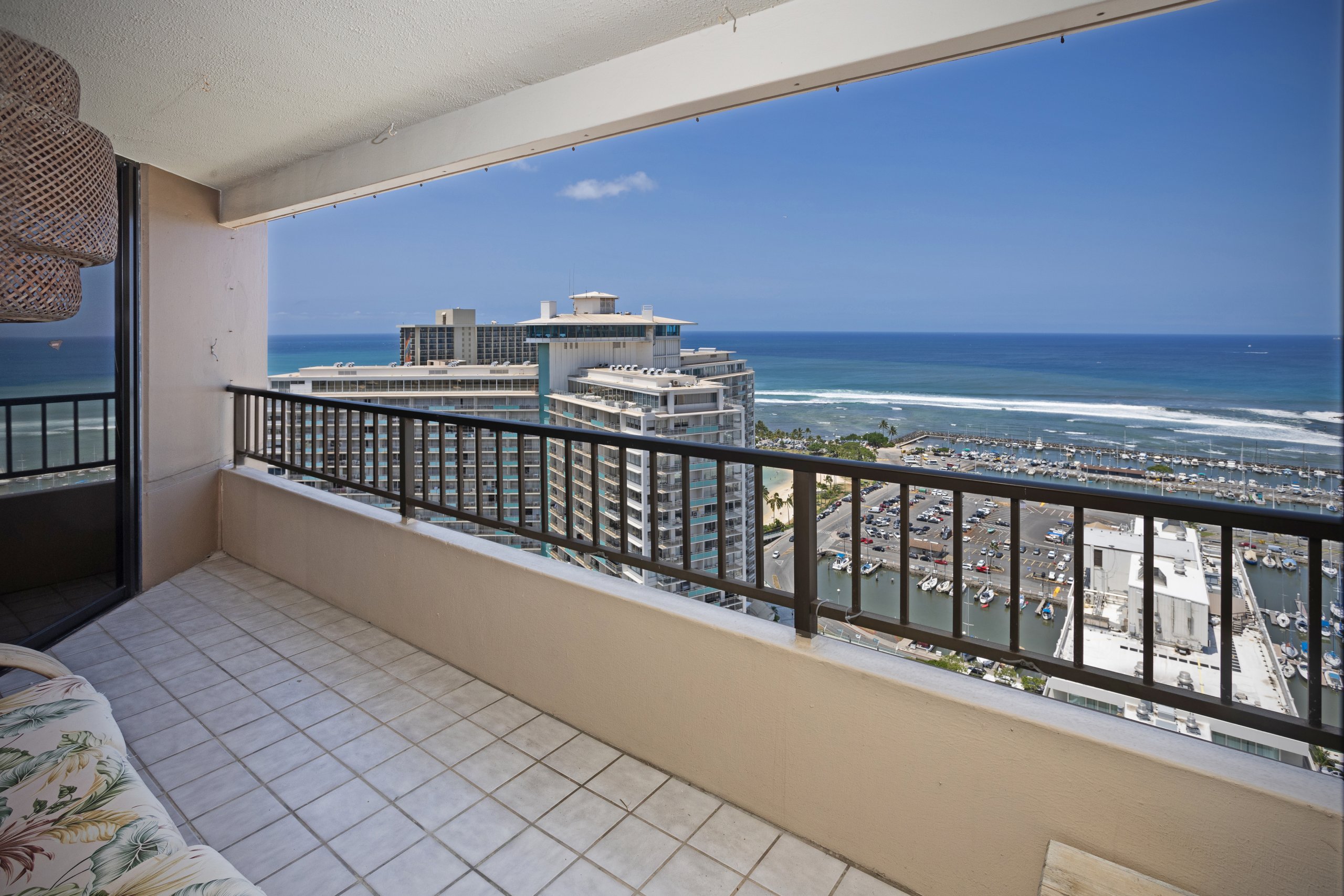
A property that looks affordable today may become much less attractive after a lease rent reset.
Fee Availability: The Potential Game Changer
One of the most important questions in any leasehold purchase is:
“Is the fee available?”
In this context, “fee” means the fee simple interest in the land. If the fee interest is available, the leasehold owner may have the opportunity to purchase the land interest and convert the property, or their unit interest, to fee simple.
Fee availability can dramatically change the analysis.
If the fee is available at a reasonable price, a buyer may have a path toward cleaner long-term ownership. If the fee is not available, then the buyer must evaluate the property based on the remaining lease term and the lease documents.
Buyers should also understand that “fee available” does not automatically mean “good deal.” The fee purchase price matters. The timing matters. The process matters. The buyer should compare the total cost of buying the leasehold interest plus the fee interest against comparable fee simple properties.
A simple way to frame it:
Leasehold price + fee purchase price + costs = your real fee simple comparison.
Financing Can Be More Complicated
Cash buyers often have an easier path with leasehold properties because they do not need to satisfy lender requirements. But buyers who need a mortgage should speak with a lender early.
Fannie Mae’s leasehold guidance requires, among other things, that the lease term exceed the maturity date of the loan by at least five years, and that the lease be recorded, enforceable, not in default, and otherwise compliant with lender requirements.
That means a leasehold property with a short remaining term may not qualify for the same financing options as a fee simple property.
Even when financing is possible, the lender may review the lease documents carefully. Lease rent, renegotiation dates, title requirements, and the remaining lease term can all affect whether a buyer can obtain financing.
For buyers, the takeaway is simple: do not assume a leasehold condo can be financed just because it appears on a public search site.
Resale: Who Will Buy It From You Later?
Every buyer eventually becomes a seller.
That is especially important with leasehold properties.
If you buy a leasehold condo with 35 years remaining, you may be selling it later with 25 or 20 years remaining. That matters. Your future buyer may face more limited financing, higher lease rent, a shorter remaining lease term, or a more uncertain exit strategy.
This does not mean leasehold should be avoided in every case. It means the buyer should understand the likely resale audience.
- Will the next buyer be a cash buyer?
- Will the next buyer be an investor?
- Will the next buyer be a lifestyle buyer?
- Will a lender still finance the property?
- Will the property need to be priced at a larger discount?
- Will the fee be available by then?
- Will the lease have been extended?
A good leasehold purchase is not just about getting in. It is also about understanding how you may get out.
Why Oahu Buyers See Leasehold More Often in Certain Areas
Leasehold is not spread evenly across Oahu.
It is especially visible in Waikiki, older Honolulu condo buildings, certain oceanfront properties, and select areas such as the Gold Coast, Kahala, Salt Lake, and parts of the Leeward Coast.
Waikiki is one of the clearest examples. HawaiiLiving notes that about 15% of Waikiki condos are leasehold, which is a much higher percentage than Honolulu outside Waikiki or Oahu outside Honolulu.
That concentration can create confusion for buyers who are new to the market. They may search Waikiki condos online and see a wide range of prices without immediately understanding that some listings are fee simple and others are leasehold.

The result: two condos that seem comparable may not be comparable at all.
Leasehold Is Not Always a Mistake
There are situations where leasehold can make sense.
A buyer may be focused on lifestyle use rather than long-term appreciation. A cash buyer may want a Waikiki condo for a defined number of years. An investor may evaluate the property based on income over the remaining lease term. A buyer may purchase leasehold because the fee is available and the combined cost makes sense.
The important thing is intention.
Leasehold is risky when a buyer does not understand it. Leasehold can be reasonable when the buyer understands the terms, accepts the tradeoffs, and has a clear plan.
The Oahu Leasehold Buyer Checklist
Before chasing the lowest price, ask these questions:
- What is the lease expiration date?
- What is the current lease rent?
- When is the next lease rent renegotiation?
- How is the renegotiated rent calculated?
- Is the fee interest available?
- If the fee is available, what does it cost?
- Can the property be financed?
- What do comparable leasehold sales show?
- What would this property be worth as fee simple?
- What are the maintenance fees and assessments?
- Are rentals allowed by zoning, building rules, and the lease?
- Who is the likely future buyer when I resell?
- What happens if the lease is not extended?
- Does the property still make sense if it does not appreciate?
Those questions are not meant to scare buyers away. They are meant to make sure the buyer understands what is actually being purchased.
Final Thought
Leasehold properties can create real opportunities on Oahu, especially in locations where fee simple prices may be out of reach.
But the lowest price is not always the best deal.
A leasehold condo should be evaluated through the lens of time, lease rent, renegotiation risk, fee availability, financing, and resale. The right leasehold property can make sense for the right buyer. The wrong one can become expensive, difficult to finance, and hard to sell.
Before falling in love with the price, fall in love with the facts.
Are you thinking about an Oahu leasehold condo? If so, please don’t hesitate to give me a call if you would like to discuss your options. Aloha, Jon.

Leave your opinion here. Please be nice. Your Email address will be kept private, this form is secure and we never spam you.