Kauaʻi Tourism Faces Headwinds After a Challenging 2026
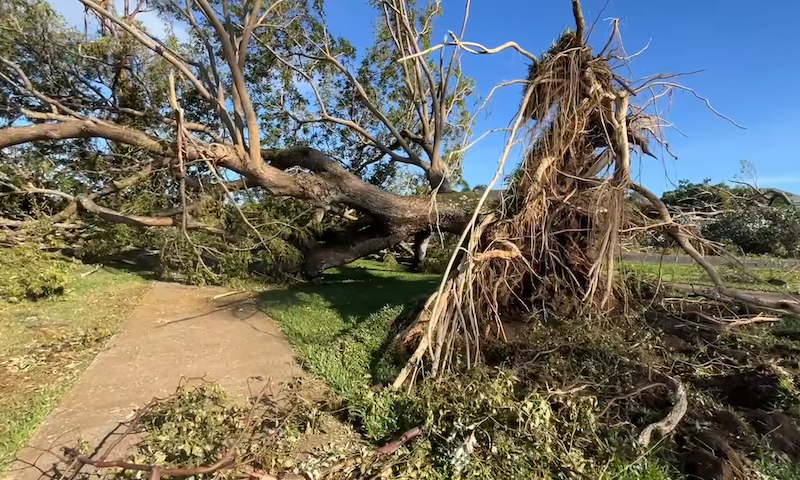
Kauaʻi has weathered quite a year. Between Hurricane Lowell, other significant storms across Hawaiʻi, rising travel costs and broader economic uncertainty, our visitor industry is feeling the effects.
According to a recent report from the University of Hawaiʻi Economic Research Organization (UHERO), highlighted by Honolulu Civil Beat, Kauaʻi is expected to see one of the most significant tourism declines in the state this year. Economists are forecasting approximately 100,000 fewer visitors to Kauaʻi in 2026 — a decline of about 6% from last year.
The impact of Hurricane Lowell certainly played a role. Līhuʻe Airport temporarily closed in anticipation of the storm and later operated on generators as widespread power outages affected the island. During the initial recovery, visitors were also asked to postpone travel while Kauaʻi focused its resources on residents and rebuilding.
But the slowdown isn’t entirely storm-related. Higher fuel and energy prices have increased airfare costs, while inflation and other economic pressures are making an already expensive Hawaiʻi vacation even more costly. UHERO is projecting Kauaʻi hotel and vacation-rental occupancy of approximately 60.9% in 2026, compared with 64% last year. Visitors statewide are also taking shorter trips.
For Kauaʻi, tourism matters well beyond hotels and vacation rentals. In 2025 alone, visitors spent approximately $2.93 billion on the island, supporting restaurants, shops, activities, property management companies and countless other local businesses and jobs. When visitor numbers decline, that ripple can be felt throughout our small island economy.
What does this mean for Kauaʻi real estate? It’s another factor worth watching. A softer visitor economy can affect vacation-rental performance and investor sentiment, particularly in resort markets. At the same time, it doesn’t tell the whole story of our real estate market. Kauaʻi remains a highly supply-constrained island with unique lifestyle appeal and buyers whose motivations extend far beyond short-term tourism trends.
The encouraging news is that UHERO currently expects the tourism slowdown to be temporary, with visitor spending and arrivals beginning to recover as weather conditions normalize and energy-price pressures ease.
As always on Kauaʻi, our economy and real estate market are influenced by many moving pieces. I’ll continue watching the numbers — not just the headlines — and sharing what they may mean for those who own, buy, sell and invest here.
Source: Caitlin Thompson, “Extreme Weather, Energy Prices Put A Damper On Tourism,” Honolulu Civil Beat, September 2026. Read the original Civil Beat article.

Leave your opinion here. Please be nice. Your Email address will be kept private, this form is secure and we never spam you.