Buyer’s Market vs. Seller’s Market in 2026: What Oʻahu Buyers and Sellers Need to Know Right Now
Real estate on Oʻahu continues to evolve in 2026, and many buyers and sellers are asking the same question:
Are we in a buyer’s market or a seller’s market?
The answer depends heavily on property type, location, condition, price range, financing availability, and even insurance costs. In some neighborhoods and price points, sellers still hold strong leverage. In others—particularly parts of the condo market—buyers are gaining negotiating power for the first time in years.
Here’s a closer look at what the latest market data through April 30, 2026 is telling us about today’s Oʻahu real estate market.
What Defines a Seller’s Market?
A seller’s market occurs when there are more buyers than available homes. This typically results in:
- Faster sales
- Multiple-offer situations
- Properties selling at or above asking price
- Reduced negotiating leverage for buyers
In 2026, many desirable Oʻahu single-family home neighborhoods still lean toward seller-market conditions, particularly for:
- Move-in ready homes
- Well-priced properties
- Homes under approximately $1.3M
- Properties with legal improvements and strong insurance profiles
Neighborhoods with limited inventory continue to perform well, especially in portions of:
- Kailua
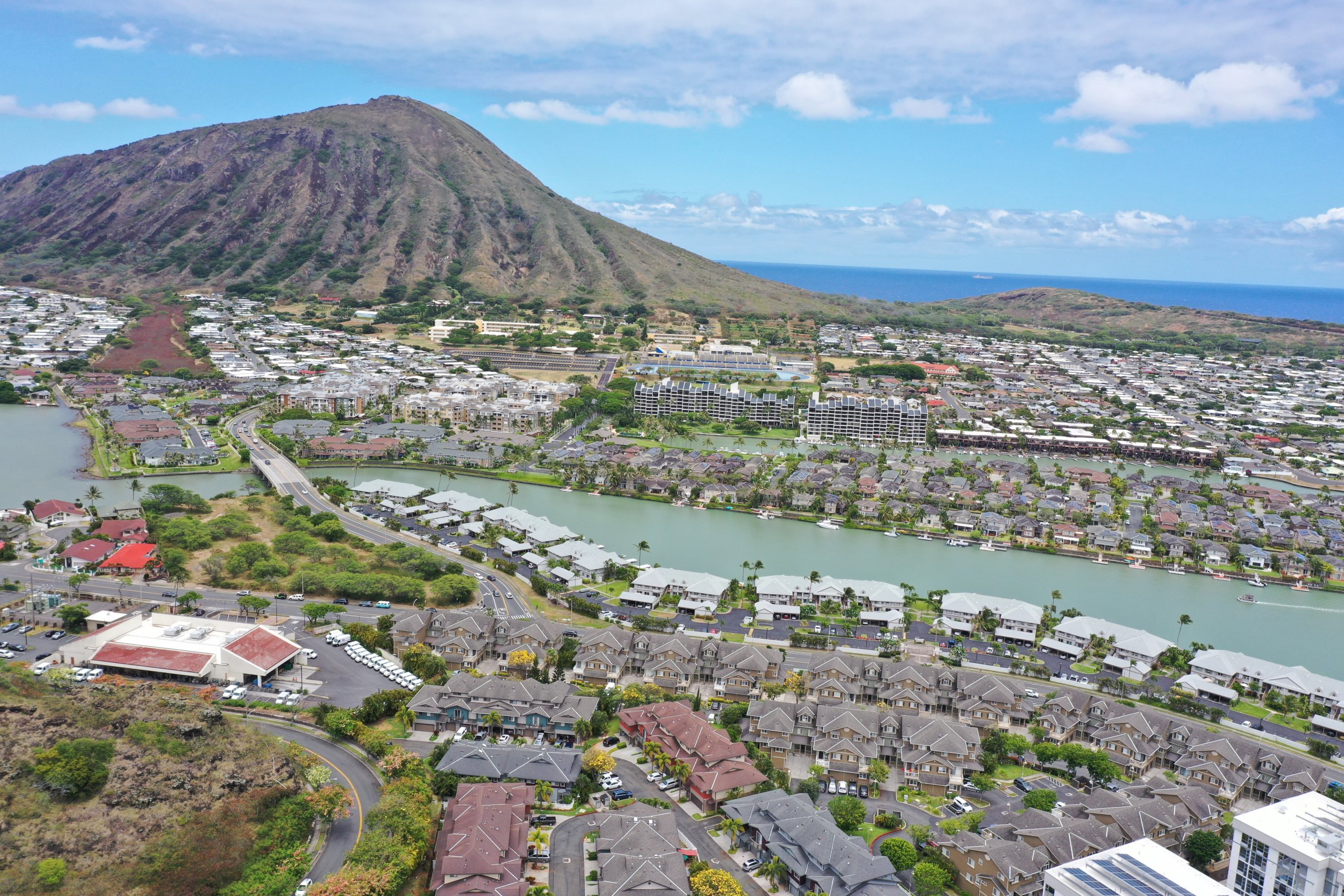
- Hawai‘i Kai
- Mililani
- Kapolei
- East Honolulu
- Mānoa
Recent market reports show single-family home median prices on Oʻahu hovering near historic highs, ranging approximately between $1.16M and $1.20M during early 2026.
At the same time, inventory for many detached homes remains relatively constrained compared to historical norms.

What Defines a Buyer’s Market?
A buyer’s market occurs when inventory rises and buyers gain more leverage. This usually means:
- Longer days on market
- More price reductions
- Increased seller concessions
- More negotiation opportunities
- Greater inspection and financing flexibility
This shift is becoming increasingly visible in segments of the Oʻahu condo market.
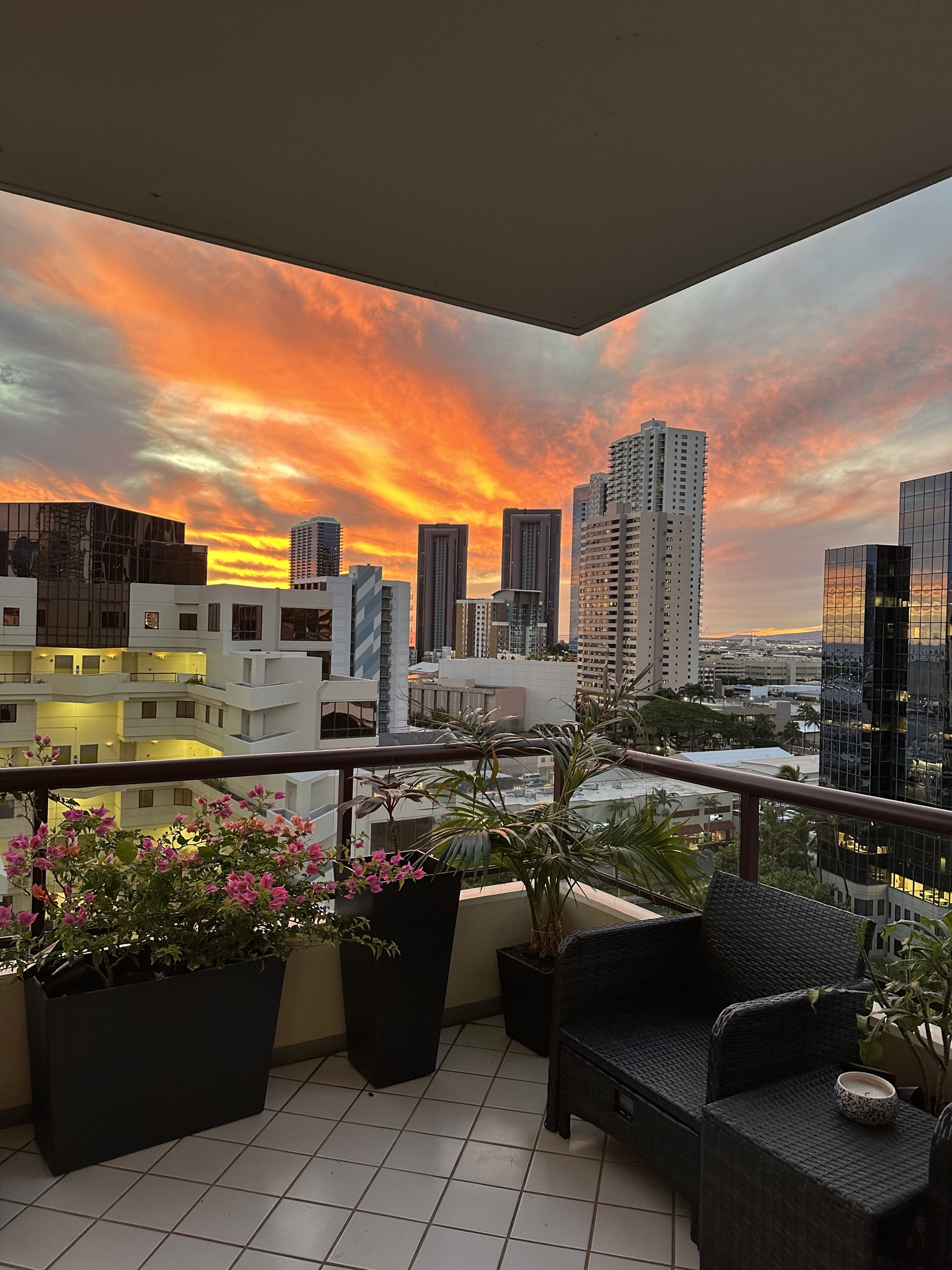
Condo inventory has been gradually rising across many areas of Honolulu, especially in:
- Waikīkī
- Ala Moana
- Kakaʻako
- Salt Lake
- Makiki
- Metro Honolulu
Many condos are taking longer to sell compared to prior years. Reports in early 2026 show condo median days on market around 43–47 days, compared to roughly 21–27 days for single-family homes.

For buyers, that additional time can create meaningful negotiating opportunities.
Why the Condo Market Is Changing
Several factors are contributing to softer condo conditions across parts of Oʻahu:
1. Higher Interest Rates
Mortgage rates moved back into the low-to-mid 6% range during portions of spring 2026. Higher rates reduce affordability and monthly purchasing power.
2. Rising HOA Fees
Insurance costs continue to pressure many condominium associations statewide. Higher hurricane insurance premiums, reserve funding requirements, and deferred maintenance projects are increasing monthly fees in many buildings.
3. Financing Challenges
Some buildings face:
- Limited conventional financing options
- Deferred maintenance concerns
- Insurance coverage issues
- Pending litigation or special assessments
These factors reduce the pool of eligible buyers.
4. Buyers Becoming More Selective
Today’s buyers are conducting more detailed due diligence than they did during the rapid post-pandemic market surge. Buyers are paying closer attention to:
- Reserve studies
- Insurance deductibles
- House rules
- Future assessments
- Structural repair projects
- Financing eligibility
The Market Is No Longer “One Market”
One of the biggest mistakes buyers and sellers make is assuming all of Oʻahu behaves the same way.
In reality, we are operating in many different micro-markets simultaneously.
For example:
- A renovated Kailua home under $1.5M may still attract multiple offers quickly.
- A high-fee older Waikīkī condo may sit on the market for months.
- Luxury properties above $3M may experience slower sales timelines despite stable pricing.
- Fee simple properties may outperform leasehold inventory significantly.
Even within the same building, two units can experience dramatically different results depending on:
- View
- Floor height
- Renovation quality
- Parking
- Financing eligibility
- Maintenance fee amount
- Insurance concerns
Key Indicators Buyers and Sellers Should Watch
Days on Market (DOM)
This remains one of the clearest market indicators.
Generally:
- Lower DOM = stronger seller conditions
- Higher DOM = improving buyer leverage
Single-family homes on Oʻahu have recently averaged roughly 21–27 days on market, while condos often exceed 40 days.
Months of Remaining Inventory (MRI)
MRI measures how long current inventory would take to sell at the current pace.
As a general rule:
- Under 4 months = seller market
- 4–6 months = balanced market
- Over 6 months = buyer market
Condo inventory in portions of Honolulu has moved closer toward balanced—or even buyer-market—conditions in certain segments.
Price Reductions
Price reductions are increasing in several condo segments across Oʻahu.
Today’s buyers are highly payment-sensitive. Even modest increases in:
- HOA fees
- Insurance costs
- Interest rates
can materially affect affordability and buyer behavior.
Advice for Sellers in Today’s Market
If you are selling in 2026, strategy matters more than ever.
The properties receiving the strongest activity are generally:
- Properly priced from the beginning
- Professionally marketed
- Well-prepared for showings
- Transparent about disclosures and condo issues
- Easy to finance
Overpricing in today’s market can lead to:
- Extended market time
- Stale listing perception
- Greater eventual price reductions
- Reduced negotiating leverage
Sellers should also understand that buyers today are comparing your property against significantly more online data than ever before.
Advice for Buyers in Today’s Market
For buyers, 2026 may offer some of the best negotiating opportunities we’ve seen in several years—particularly in selected condo segments.
That does not necessarily mean prices will collapse. Oʻahu still faces long-term land constraints and historically limited housing supply.
However, buyers may now have greater ability to negotiate:
- Price reductions
- Seller credits
- Closing costs
- Repair concessions
- Longer contingency periods
- Furnishings or credits
This is especially true for listings with:
- Longer days on market
- High HOA fees
- Financing limitations
- Deferred maintenance concerns
- Motivated sellers
Final Thoughts
Oʻahu’s real estate market in 2026 is no longer defined by simple headlines. We are transitioning into a far more nuanced environment where:
- Some neighborhoods remain highly competitive,
- Some condos strongly favor buyers,
- And many sellers must adapt to changing expectations.
Understanding whether you are operating in a buyer’s market or seller’s market is critical—but understanding your specific micro-market is even more important.
Whether you are buying your first condo in Honolulu, selling a luxury home in East Oʻahu, or evaluating an investment property in Waikīkī, local market expertise and detailed due diligence matter more today than they have in years.
As Broker-in-Charge for Hawai‘i Life’s East Oʻahu office, I work with many of Oʻahu’s top agents every day to help buyers and sellers navigate these rapidly shifting market conditions with clarity, strategy, and realistic expectations.
For personalized guidance about your specific neighborhood, building, or property type, feel free to reach out anytime.

Leave your opinion here. Please be nice. Your Email address will be kept private, this form is secure and we never spam you.