In Hawaii, a roof is more than just protection from the weather, it’s one of the most important investments you can make in your home. From intense tropical sun and heavy rain to salt air and high winds, Hawaii’s climate is tough on building materials. That’s one reason why metal roofing has become increasingly popular across the islands, especially on the Big Island.
Whether building a new home, replacing an aging roof, or purchasing property in Hawaii, understanding the benefits and maintenance needs of metal roofing is important.
Why Choose a Metal Roof
- Excellent Durability in Hawaii’s Climate
Hawaii’s environment can quickly wear down traditional roofing materials. Asphalt shingles often deteriorate faster due to UV exposure, humidity, and wind-driven rain. Metal roofs, on the other hand, are designed to withstand these conditions and can last decades longer when properly installed and maintained.
Many metal roofs in Hawaii can last 40–70 years depending on the material and environment!
- Resistance to Heavy Rain and Wind
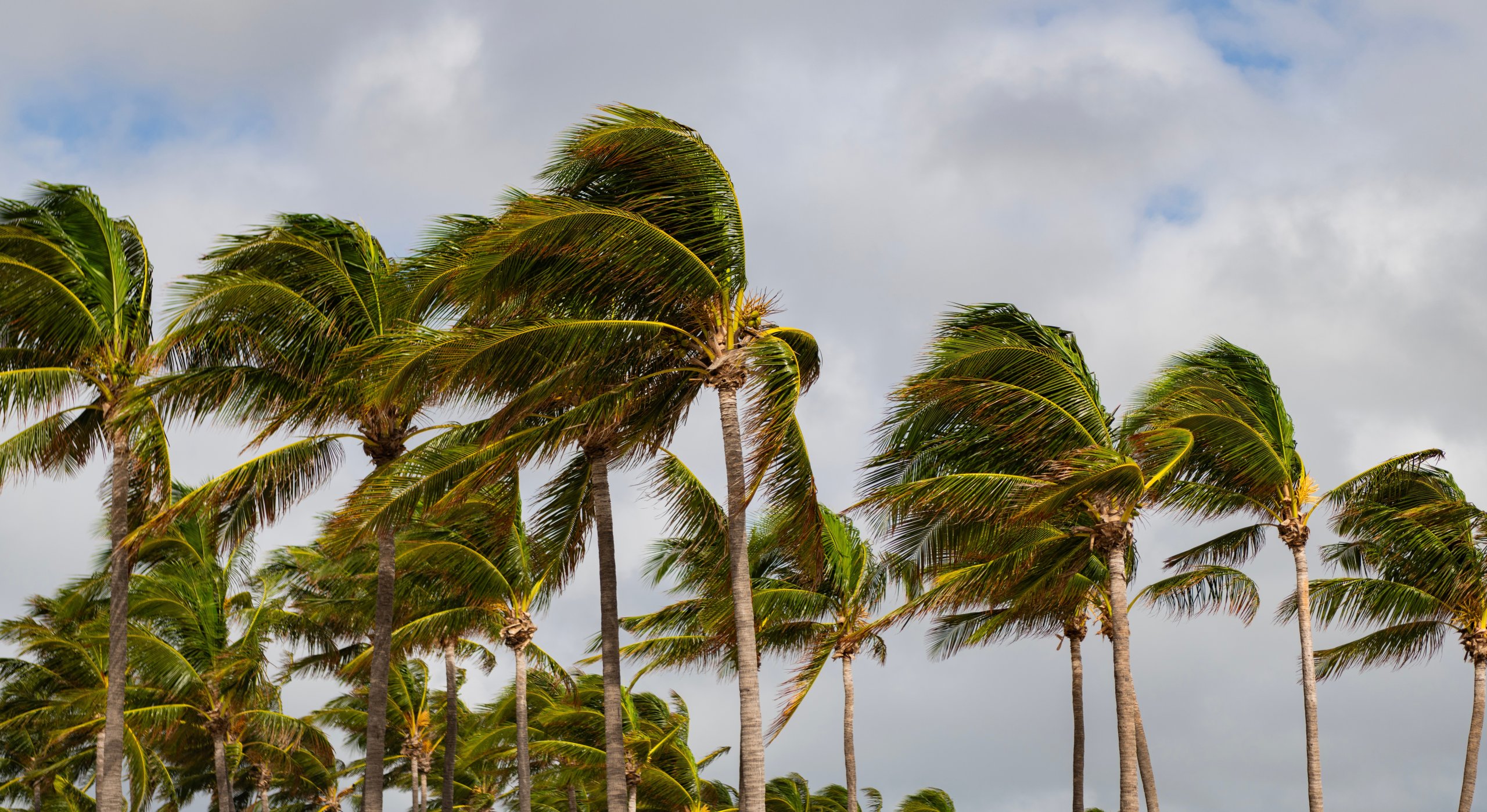
We regularly experience heavy rain, tropical storms, and strong trade winds. Properly installed standing seam or screw-down metal roofs shed water efficiently and perform well in windy conditions.
This is especially important in areas such as Puna, Hamakua, Ka‘u, and parts of Hilo where rainfall can be substantial.
- Energy Efficiency
Metal roofing reflects sunlight rather than absorbing it like darker asphalt shingles. This can help reduce attic heat and lower cooling costs, especially in warmer coastal areas such as Kona and parts of South Hawaii.
Many modern metal roofs are also coated with reflective finishes designed specifically for tropical climates.
- Lower Long-Term Maintenance Costs
While the upfront cost of a metal roof is often higher than asphalt shingles, many homeowners find the long-term value worthwhile due to:
- Longer lifespan
- Fewer repairs
- Better resistance to rot and mildew
- Reduced replacement frequency
- Fire Resistance
Metal roofs are non-combustible, which can be an important feature in some dry areas of Hawaii where brush fires occasionally occur.
- Modern Island Aesthetic
Metal roofs have become part of Hawaii’s architectural style. They complement plantation-style homes, modern tropical designs, off-grid properties, and custom homes alike.
Available in so many colors and profiles, metal roofs can a contemporary and classic island look.
Common Types of Metal Roofs in Hawaii
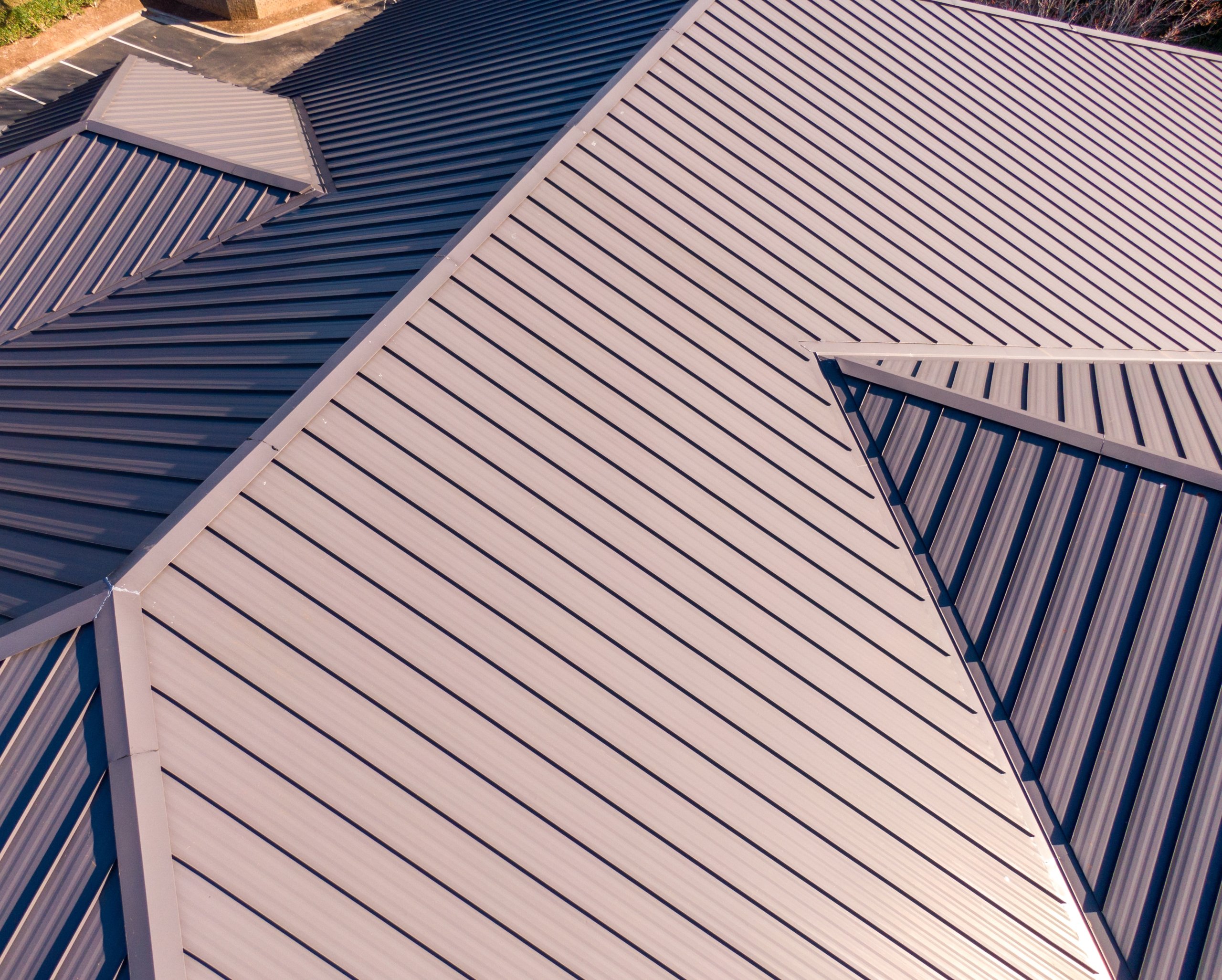
Standing Seam Metal Roofs
These are considered one of the premium metal roofing systems. Fasteners are concealed, giving the roof a sleek appearance and reducing the likelihood of leaks over time.
Corrugated Metal Roofing
Popular on agricultural buildings, cabins, and many homes in rural Hawaii. This type of roofing is more affordable and easier to install.
How Hawaii’s Environment Affects Metal Roofs
Although metal roofs are durable, Hawaii’s environment still creates maintenance challenges:
- Salt air near the ocean can accelerate corrosion
- Vog and acid rain may impact protective coatings over time
- Heavy rainfall can lead to debris buildup in valleys and gutters
- Moss, algae, and mildew can grow in wet climates such as Hilo and Volcano
- Falling branches and tropical storms can damage panels or fasteners
Routine maintenance helps maximize the lifespan of the roof.
How to Maintain a Metal Roof in Hawaii
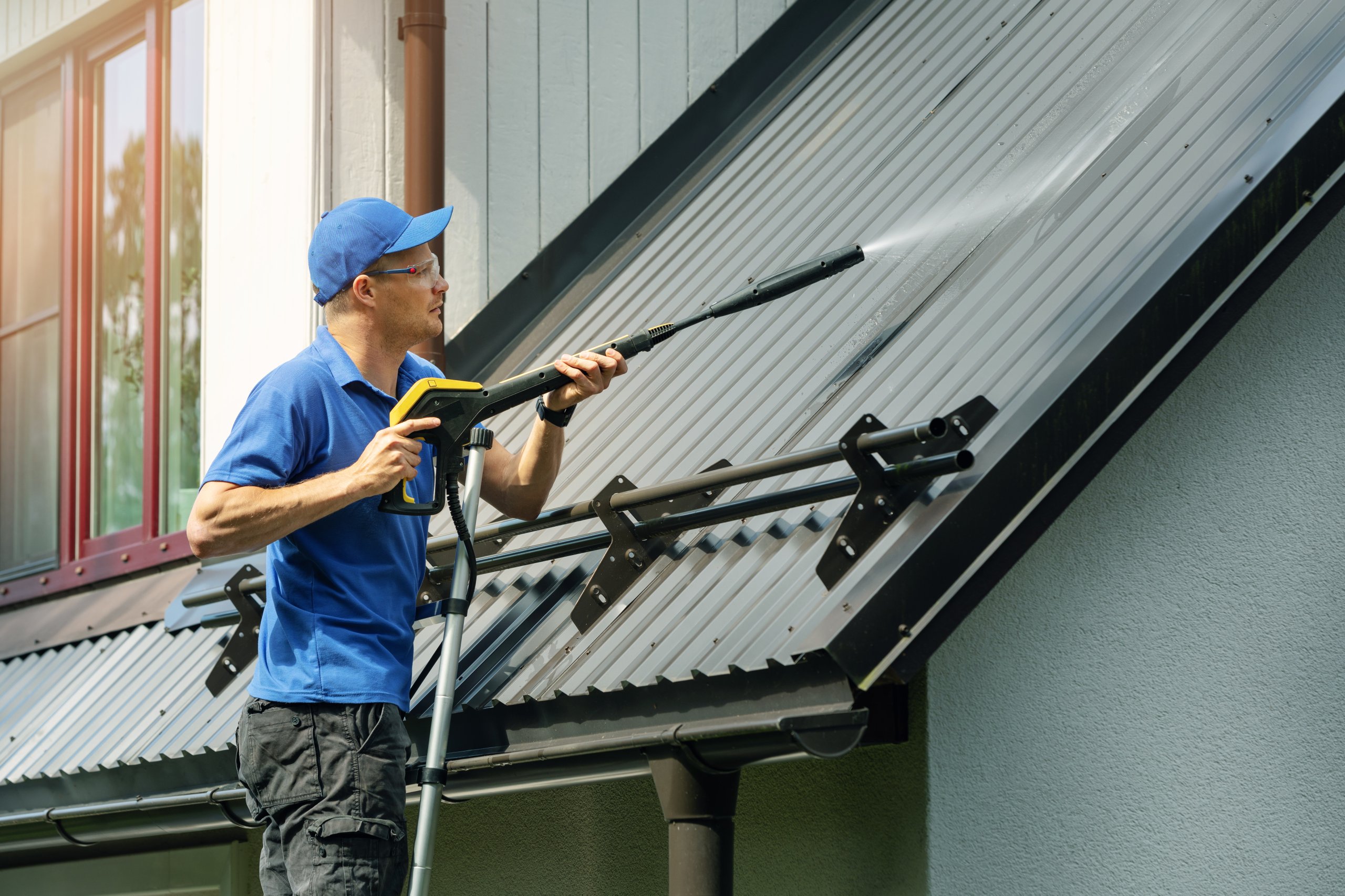
- Rinse Salt Spray and Dirt Regularly
Homes near the ocean should periodically rinse roofs with fresh water to remove salt buildup. Salt accumulation can eventually damage protective coatings and contribute to corrosion.
- Inspect Fasteners and Screws
On exposed-fastener roofs, screws can loosen over time due to expansion and contraction from temperature changes.
Inspect every few years to identify:
- Loose screws
- Missing washers
- Rusting fasteners
- Minor leaks before they become larger problems
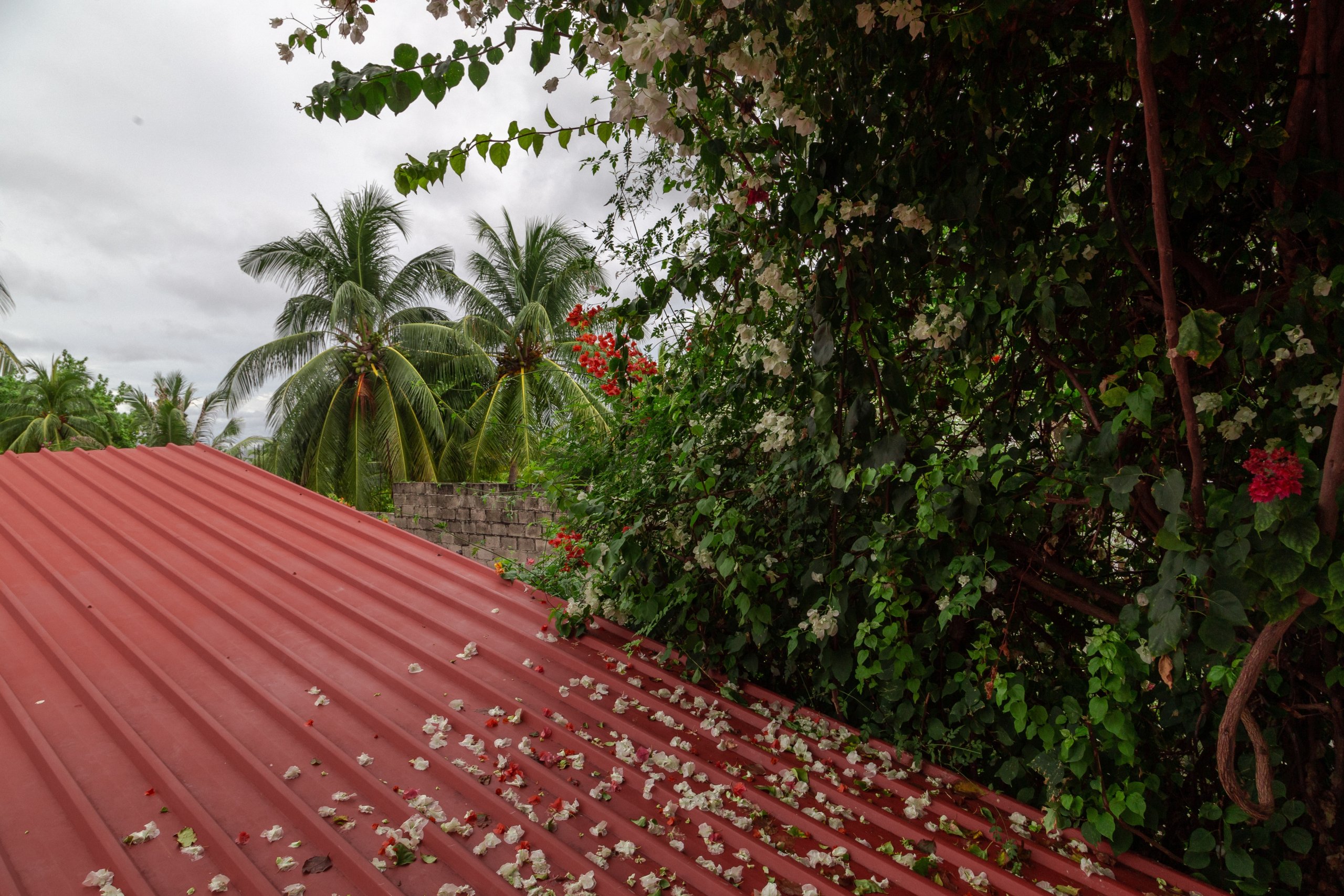
- Keep Gutters and Roof Valleys Clear
Hawaii’s tropical vegetation can quickly clog gutters with leaves, pine needles, palm fronds, and debris.
Blocked drainage can lead to:
- Standing water
- Overflow
- Premature corrosion
- Water intrusion
Cleaning gutters regularly is particularly important during rainy seasons.
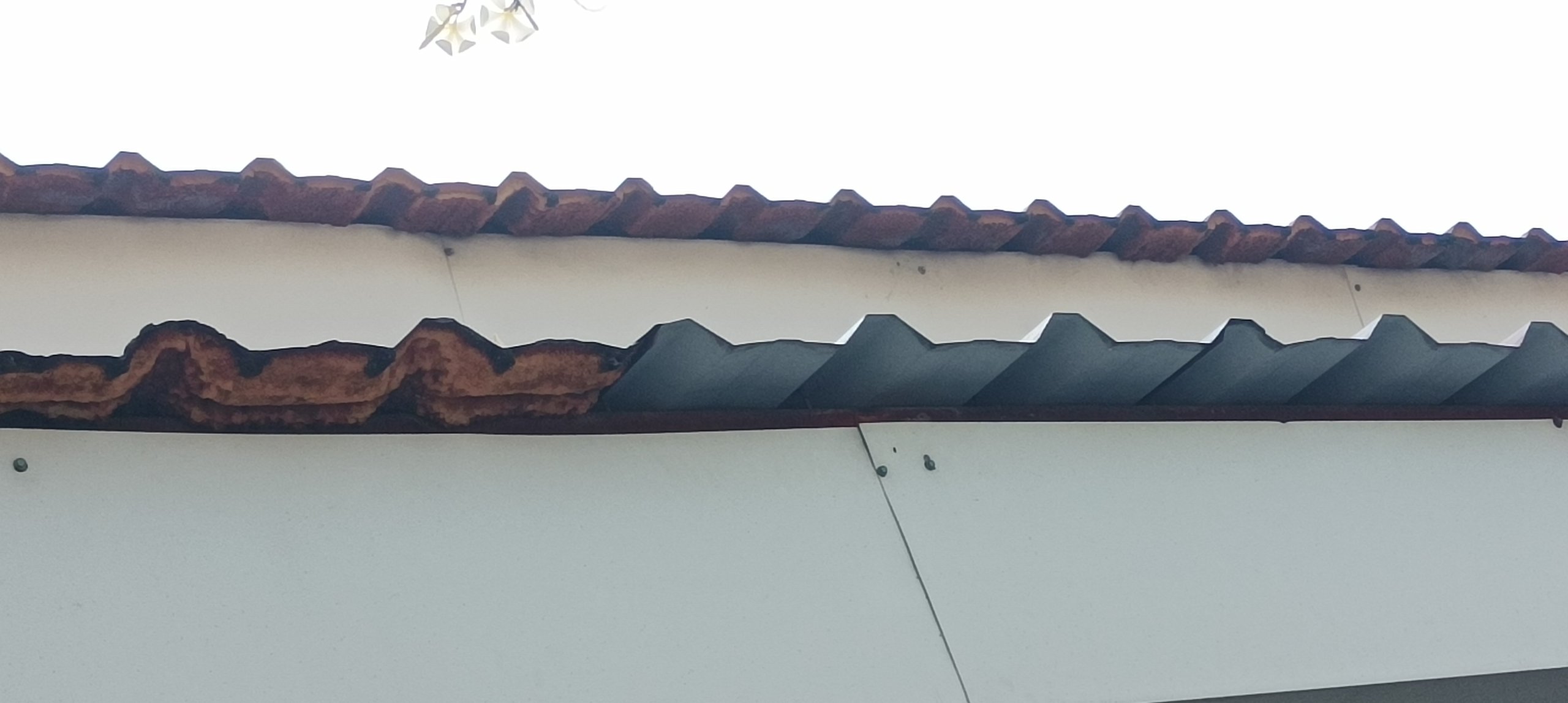
- Watch for Rust or Corrosion
Even coated metal roofs will eventually develop rust spots, especially in coastal areas. Small areas of corrosion should be treated quickly before spreading.
Signs to watch for include:
- Bubbling paint
- Discoloration
- Rust streaks
- Trim Overhanging Trees
Branches rubbing against the roof can scratch protective finishes and damage panels during windstorms. Trees can also drop excessive debris onto the roof.
Keeping vegetation trimmed back helps protect the roofing system.
- Check Sealants and Flashing
Areas around:
- Skylights
- Chimneys
- Plumbing vents
- Solar panel mounts
should be inspected periodically to ensure flashing and sealants remain watertight.
Final Thoughts
Hawaii’s climate is beautiful, but it can be hard on homes. Metal roofing is popular because it performs exceptionally well in tropical conditions while offering durability, energy efficiency, and attractive curb appeal.
Like any major home feature, regular maintenance is essential. With proper care, a quality metal roof can protect a Hawaii home from 40 to 70 years while standing up to Hawaii’s environmental conditions!

Leave your opinion here. Please be nice. Your Email address will be kept private, this form is secure and we never spam you.