Most people picture the move as a single big decision, then a plane ride, then paradise. The truth is more practical. Relocating to Hawai‘i is a lifestyle shift that shows up in your budget, your housing choices, your shipping timelines, and even how you schedule a plumber.
Think of this as a moving to Hawai‘i guide for the things that don’t make it into the glossy “welcome” conversations, but absolutely affect whether you feel settled in three months or stressed for a year.
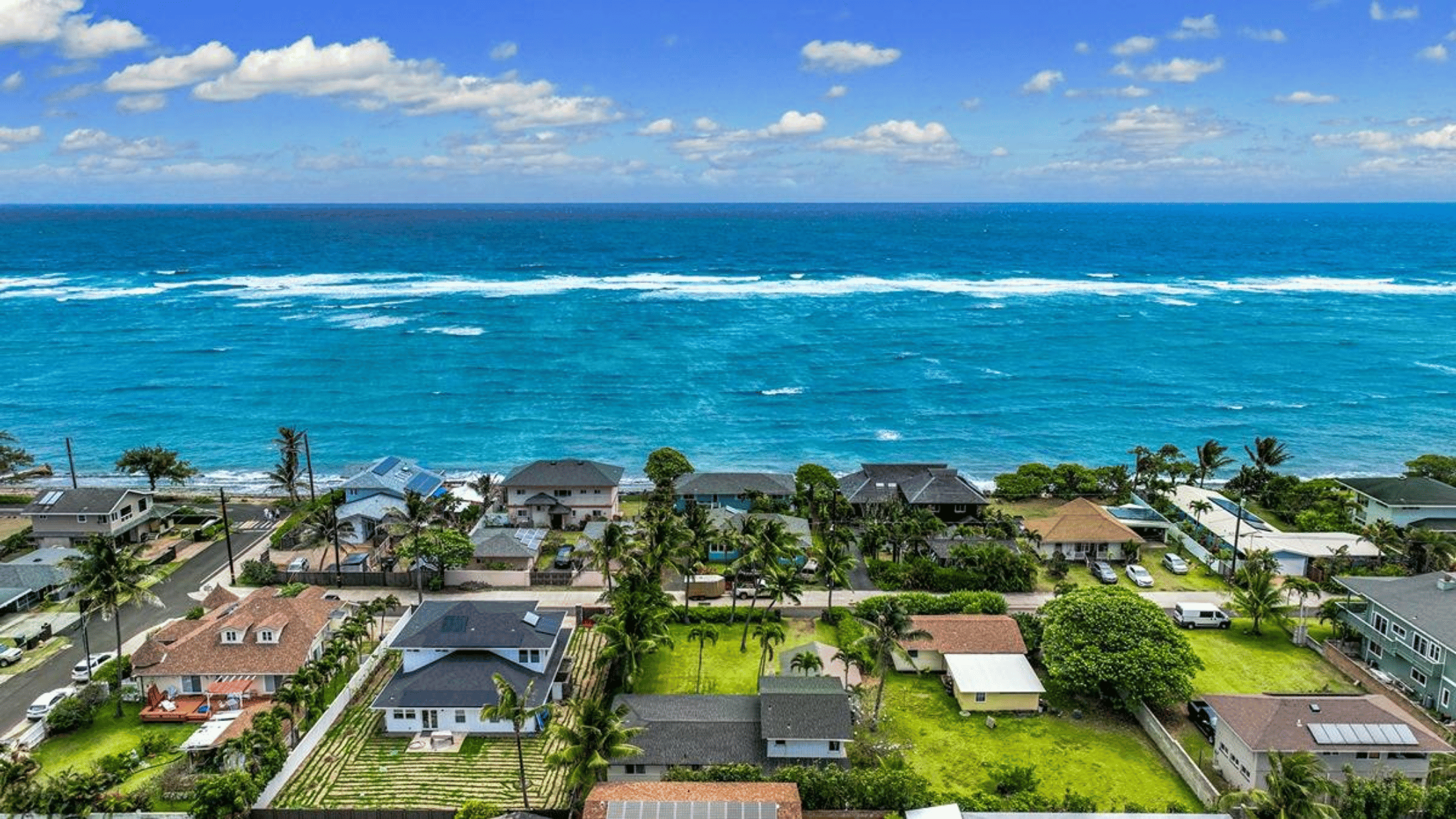
Is it hard to move to Hawai‘i from the mainland?
It is not hard in the “can it be done” sense. People do it every day. The hard part is that Hawai‘i is not set up for last-minute living the way many mainland cities are.
Here’s what tends to surprise newcomers the most:
- Everything takes more planning. Shipping, furniture, car delivery, and even certain repairs can involve longer lead times.
- Your first home may not be your long-term home. Many people choose the wrong neighborhood because they underestimate traffic, overestimate walkability, or don’t realize how different micro-areas feel day to day.
- Costs hit in small waves, not one big hit. It’s not just rent. It’s utilities, groceries, parking, insurance, and small “replacement” purchases because what you shipped didn’t fit the space or the climate.
So no, the move itself is not the hard part. The adjustment is.
What should I know before moving to Hawai‘i?
If you want the short, honest answer: know your true monthly cost, understand the housing rules, and plan your logistics early.
Here are the big “before you arrive” realities that make the biggest difference.
1) Hawai‘i has its own cost structure
Even when you budget for rent, you still need to plan for the way everyday spending works here.
One unique factor is the General Excise Tax (GET). It is not a standard sales tax model, and it is commonly passed on to consumers in day-to-day purchases. The state’s tax guidance explains that many activities are taxed at 4% statewide, and some counties add a 0.5% surcharge, resulting in a higher combined rate on certain transactions.
Practical takeaway: build a “real monthly budget” with a buffer, because small costs add up quickly.
2) The weather is easy to love, but it changes your home habits
Humidity, salt air, and warm temperatures can be great for your lifestyle, but they can be tough on buildings, clothes, shoes, and electronics if you ignore airflow and moisture control. You will probably buy fewer “seasonal” items and more “keep the home comfortable” items.
3) Your social experience depends on how you show up
This is a community-first place. People notice whether you treat Hawai‘i like a backdrop or a home. The best approach is simple: listen first, be respectful, support local businesses, and show up for your neighborhood.
The housing surprises most mainland movers do not see coming
This is where people lose money or lose peace of mind, especially if they make decisions based on mainland assumptions.
Fee simple vs leasehold is not just a vocabulary lesson
Some properties are fee simple, meaning you own the land and the improvements. Others are leasehold, meaning you own the home or unit but lease the land for a defined period. Hawai‘i Life explains the difference clearly and why it matters for long-term ownership and buyer expectations.
A leasehold property can look cheaper upfront, which is why it attracts attention from buyers hunting for “a deal.” The risk is that the long-term costs and resale dynamics differ, and financing can be more complicated depending on the specifics.
“Affordable” can flip once you factor in monthly fees
Condos and townhomes can be a smart entry point, but monthly maintenance fees, insurance costs, and a building’s financial health can change what “affordable” means. Even in single-family homes, insurance and maintenance costs in coastal conditions can surprise people used to drier climates.
Hawai‘i is a micro-market, not one big market.
This is the part most people learn too late. Two homes priced similarly can feel like completely different lifestyles because commute patterns, wind and rain exposure, neighborhood layout, parking, and local amenities can vary significantly over short distances.
If you’re buying, this is where Hawaii real estate feels different than the mainland. Local context matters as much as the listing photos.
The logistics nobody warns you about until it’s too late
Your car has deadlines
If you’re moving to O‘ahu with a vehicle, the City and County of Honolulu states you must obtain an out-of-state permit or Hawai‘i registration within 30 days of the vehicle’s arrival on O‘ahu.
That deadline comes fast when you’re still unpacking, working, and learning where everything is.
Bringing a pet is a project, not a simple travel plan
Hawai‘i has strict animal import rules. The state’s Animal Quarantine information notes that required forms and pre-arrival documents must be submitted at least 10 days before the pet arrives in Hawai‘i to qualify for the “5 Day Or Less” or airport release pathways.
If pets are part of your life, start early and follow the checklist carefully, because “we’ll figure it out later” can turn into delays and stress.
Shipping changes what you should pack
Many mainland movers ship too much, then spend months trying to make it work in a home with different storage, airflow needs, and layout.
A better approach is to bring what you truly use weekly and what you cannot easily replace, then buy the rest after you understand your space and routine.
A practical timeline that reduces stress
Use this like a real checklist, not a wish list.
60 to 90 days before the move
- Confirm your job timeline and your local address plan
- Choose a neighborhood based on commute and lifestyle, not just price
- If you have pets, start quarantine planning and paperwork
- If shipping a car, align your “no car” gap plan
- Build a realistic monthly budget with a cushion
First 30 days after you arrive
- Lock your routines: groceries, commuting, parking, and basic services
- Handle vehicle permit or registration deadlines if you are on O‘ahu
- Learn your home’s airflow and moisture patterns, then adjust how you store things
- Explore two to three neighborhoods beyond where you live, so you understand the island better
This is the moment where a second pass at your plan helps. Relocating to Hawai‘i usually works best when you treat the first month as discovery, not as a final verdict.
And if you want one reminder from this moving to Hawai‘i guide, it’s this: permit yourself to adjust the plan after you land.
How Hawai‘i Life helps newcomers make smarter housing decisions
If you’re new here, the biggest risk is not “paying too much.” The biggest risk is buying or renting in a way that doesn’t fit your real life.
Hawai‘i Life helps in three practical ways:
- Local micro-market guidance
They publish neighborhood and market insights that help buyers understand how O‘ahu areas actually function, not just how they look on a map. - Clear explanations of ownership and terms
Their fee-simple vs. leasehold breakdown is a strong example of the kind of clarity newcomers need before committing. - On-island presence and local-first focus
They have a Honolulu office and position themselves as locally owned and operated, which matters when you want advice grounded in local reality.
When you’re navigating Hawaii real estate, that combination, accurate listings, local context, and deal-structure clarity, can save you from expensive surprises.
If you’re planning a move and want a neighborhood-first plan, not generic advice, connect with a Hawai‘i Life agent. They can help you compare areas, understand ownership terms, and choose a home that fits your real routine, not just your vacation imagination. Book an appointment today. Call at 800-370-3848, Text 800-370-3848, or Email at hello@hawaiilife.com.
FAQs
What should I budget for beyond rent when moving to Hawai‘i?
Plan for utilities, groceries, parking, deposits, and a “setup cushion” for the first 60 to 90 days. Also, remember that GET is commonly passed on to consumers in many purchases, and county surcharges can apply depending on location.
Should I rent first or buy right away?
If you do not know which neighborhood fits your routine, renting first can help you avoid mistakes. If you already know where you want to live and you plan to stay long-term, buying can make sense. A local agent can help you compare both paths against your timeline and inventory.
What is the biggest mistake mainland movers make?
Assuming the islands work like the mainland. Delivery timelines, service availability, housing terms, and neighborhood differences can all be sharper here.
Why do some properties look cheaper than expected?
Often, it is because of leasehold structure, condition, monthly fees, location tradeoffs, or financing constraints. Always confirm the ownership type and the full monthly cost picture.
Do I need to register my car as soon as it arrives on O‘ahu?
Yes. Honolulu’s guidance says you must obtain an out-of-state permit or Hawai‘i registration within 30 days of the vehicle’s arrival on O‘ahu.
How early should I start pet planning?
Months early is safest. Hawai‘i’s Animal Quarantine program requires paperwork and pre-arrival documents submitted no less than 10 days before arrival for certain release options, and other steps can take time depending on your pet’s status.

Doug Shannon
May 14, 2026
When moving to Kauai in 2018, we considered renting. Would have been the biggest mistake we made had we done so. The value of the house went up so fast it made our heads spin. My advice would be to buy.