If you’re exploring real estate on Kauaʻi, two acronyms matter more than most: VDA and TVR. Understanding them is essential if you want to know whether a property can legally operate as a short-term vacation rental.
This guide is designed to explain the framework, point you toward official County resources, and highlight what to look for when buying or selling a property with vacation rental potential.
What is a VDA? (Visitor Destination Area)
VDA = Visitor Destination Area.
Kauaʻi’s Visitor Destination Areas are the designated regions where short-term vacation rentals are legally permitted. The main areas are:
-
Princeville on the North Shore
-
Poipu and Koloa on the South Shore
-
Kapaʻa and Wailua coastlines, plus parts of Lihue on the East Side
If a property is within a VDA, it is eligible for vacation rental use, subject to HOA rules and property-specific conditions.
👉 Resource: Kauaʻi County GIS – Visitor Destination Area Map
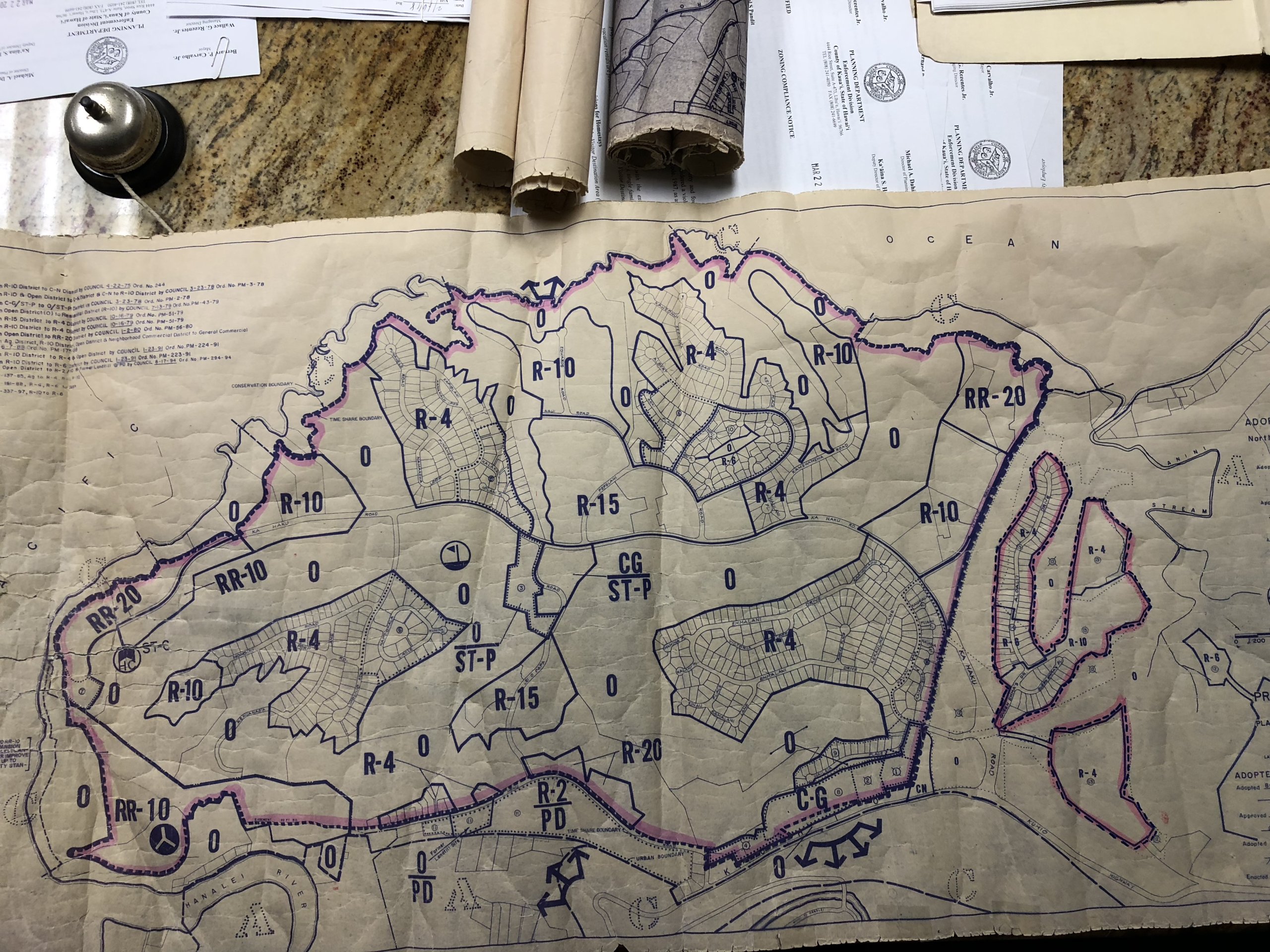
Princeville Zoning/VDA Map
What is a TVR? (Transient Vacation Rental)
A TVR is a vacation rental property outside the VDA that was legally operating prior to the 2008 ordinance. These properties were recognized as “non-conforming” and issued special permits to continue.
-
Rarity: Only about 600 properties island-wide hold these permits.
-
Transferable: The permit stays with the property (not the owner) as long as it remains active and compliant.
-
Value: Because no new TVRs are being created, they are highly sought after.
👉 Resource: Kauaʻi County TVR Permit Listing
Q&A Direct from the County
Here are two key scenarios where the County has specific guidance:
“1) Are you going to sell your TVR property?
The seller should provide the buyer with:
-
A copy of the complete file that originally documented the TVR use as properly determined to be non-conforming.
-
The most recent completed renewal application (with attachments).
-
The renewal letter issued by the Planning Department.
If the seller or their Realtor doesn’t provide this, the buyer or their Realtor should request it.”
“2) Are you buying an existing TVR property?
The new owner should:
-
Complete the current year renewal application form (without attachments or payment).
-
Update it with their information.
-
Submit it to the Planning Department within 30 days of recording the sale to keep the TVR file current and correct.”
How to Verify Eligibility
-
Check the County GIS map to confirm if the property is within a VDA.
-
Search the TVR permit list for properties outside VDAs.
-
Review HOA rules—even if zoning allows short-term rentals, HOA bylaws may restrict them. A few condos in Princeville only allow 30 days or more nightly rentals.
-
Work with a licensed Realtor—your local agent (like me) can help verify eligibility, request documentation, and coordinate with the Planning Department.
My Take
Navigating Kauaʻi’s short-term rental rules can be confusing, but understanding VDA vs TVR gives you the foundation to move forward with confidence.
-
VDA properties (like many Princeville condos) are straightforward: they’re within the designated zones where vacation rentals are legal.
-
TVR properties outside those zones are rare and valuable, but come with extra documentation and renewal requirements.
I don’t provide legal or tax advice—but I do help clients use County resources, review HOA rules, and verify documentation so you’re making an informed decision.
👉 Looking at a property and wondering if it’s VDA or TVR eligible? Reach out to me with the property address or MLS number—I’ll walk you through what the County tools say, what to ask the HOA, and help you cut through the noise so you can focus on whether it’s the right fit for you.

Leave your opinion here. Please be nice. Your Email address will be kept private, this form is secure and we never spam you.