When people think about buying a home in Hawaii, the same names often come up first: Kailua, Kakaako, Wailea, Lahaina, Poipu, Princeville, Kona, and other well-known markets. These places are popular for good reason, but they are not the only areas worth considering.
In Hawaii, an underrated neighborhood does not always mean “cheap.” It often means the area offers a better balance of daily convenience, long-term livability, home size, location, or future resale strength than many buyers first realize.
That matters even more in today’s market. In April 2026, Oahu’s median single-family home price was $1,162,000, Maui’s was $1,300,000, Kauai’s was $1,100,000, and the Big Island’s was $590,000. Prices remain high across the islands, so buyers who look beyond the obvious neighborhoods may find better options for their budget and lifestyle.
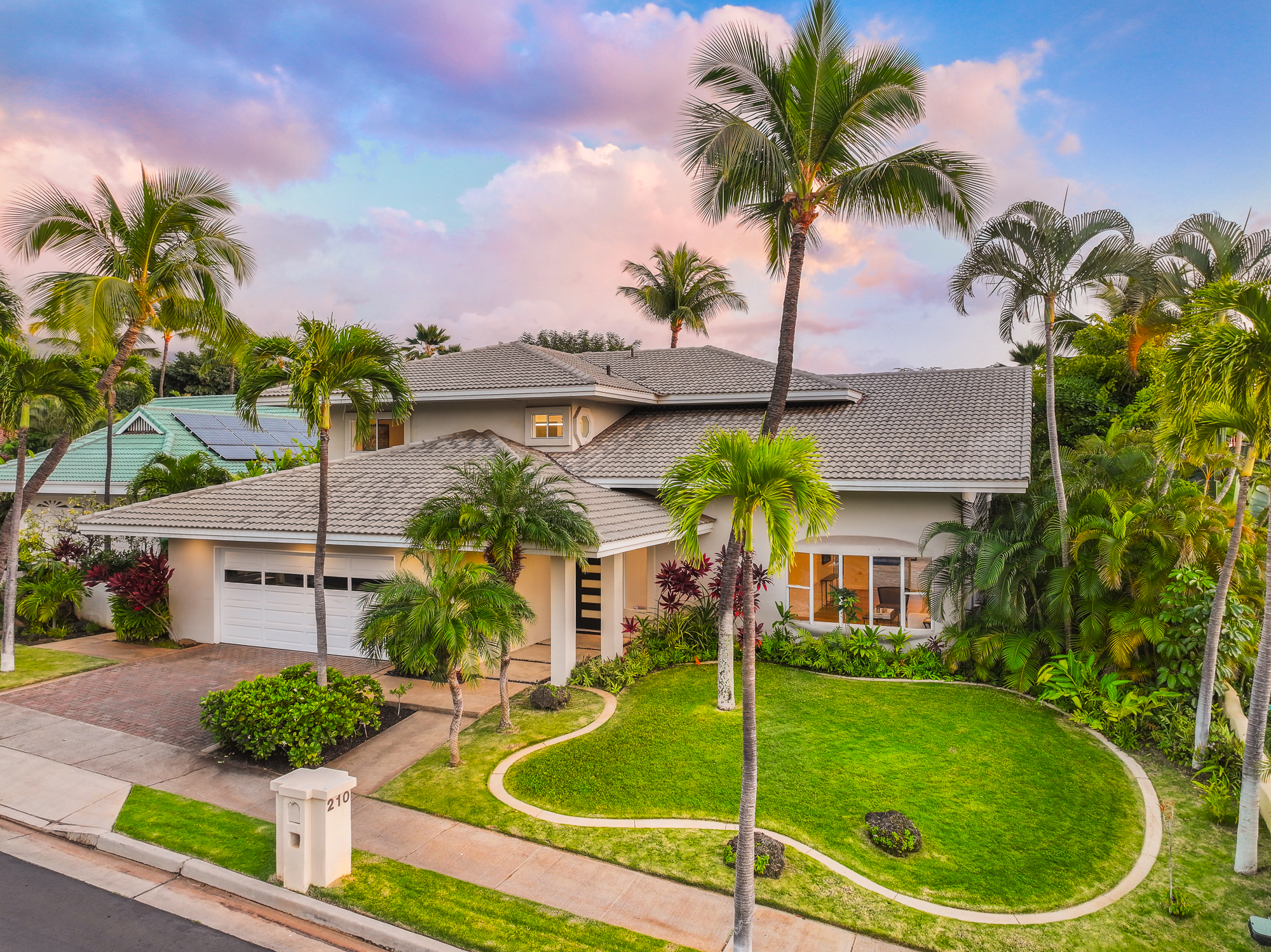
What Makes a Hawaii Neighborhood “Underrated”?
An underrated Hawaii neighborhood usually has one or more of these qualities:
- It is close to jobs, schools, hospitals, airports, or town centers.
- It has older homes with renovation potential.
- It offers better space compared to more famous nearby areas.
- It has practical daily living advantages, not just vacation appeal.
- It may be overlooked because it is not directly on the beach.
- It can offer stronger long-term value for buyers who plan carefully.
Before choosing any neighborhood, buyers should also check flood zones, sea level rise exposure, insurance cost, road access, zoning, property condition, HOA rules, and resale demand. Hawaii’s Flood Hazard Assessment Tool uses FEMA flood map data, but it also warns that it does not identify every area subject to flooding.
1. Aiea And Pearl City, Oahu
Aiea and Pearl City are often overlooked by buyers who focus only on Honolulu, Kailua, or the North Shore. But for many Oahu buyers, these areas make real-life sense.
They sit in a central location with access to Honolulu, Pearl Harbor, the airport, shopping, medical services, and major highways. Buyers who work in town but do not want to pay premium Honolulu prices often include these neighborhoods in their search.
Why Buyers Should Watch This Area
Aiea and Pearl City offer older single-family homes, townhomes, and condos. Some properties have views, mature lots, and practical layouts that are harder to find in newer communities. The value is often not in luxury finishes, but in location and long-term usefulness.
What To Check Before Buying
Look closely at:
- Highway noise and commute patterns
- Parking
- Roof age
- Plumbing and electrical updates
- Termite history
- Drainage on sloped lots
- Leasehold versus fee simple status for condos
This area can be a smart fit for buyers who want central Oahu convenience without chasing the most talked-about ZIP codes.
2. Kaimuki And Kapahulu, Oahu
Kaimuki and Kapahulu do not always get the same attention as Kakaako, Diamond Head, or Kailua, but they offer something many buyers want: an established Honolulu lifestyle.
These neighborhoods are close to restaurants, shops, schools, beaches, freeway access, and town. They are especially appealing for buyers who want an urban neighborhood feel without living in a high-rise district.
Why Buyers Should Watch This Area
Many homes here are older, which can be a plus or a challenge. Some buyers see dated kitchens, smaller lots, or limited parking and move on too quickly. But buyers with patience may find properties with character, strong location, and long-term appeal.
What To Check Before Buying
Pay attention to:
- Off-street parking
- Property setbacks
- Lot size
- Renovation permits
- Older plumbing
- Roof condition
- Termite treatment records
- Noise from busy streets
Kaimuki and Kapahulu are not “undiscovered,” but they are still underrated by buyers who compare homes only by square footage. The real value is the location.
3. Wahiawa And Central Oahu, Oahu
Wahiawa and nearby Central Oahu areas are often missed by buyers who want either urban Honolulu or beach-side living. But for buyers who want cooler weather, more space, and a different pace, Central Oahu deserves attention.
Wahiawa has a more local, inland feel. It can appeal to buyers who want access to both town and the North Shore while staying away from higher-priced coastal markets.
Why Buyers Should Watch This Area
Central Oahu can offer more breathing room than dense Honolulu neighborhoods. It may also work for buyers connected to military bases, agriculture, or jobs outside the urban core.
What To Check Before Buying
Buyers should review:
- Commute times during rush hour
- Moisture and mold risk
- Lot drainage
- Older home systems
- Road noise
- Agricultural or conservation zoning nearby
- Future resale demand
This is not the right fit for every buyer, but it can work well for people who value space, cooler conditions, and central island access.
4. Wailuku, Maui
Many Maui buyers first search in Kihei, Wailea, Lahaina, Kaanapali, or Paia. Wailuku can get passed over because it is not marketed as a resort lifestyle destination. That is exactly why serious buyers should study it.
Wailuku is practical. It is close to Kahului, medical services, county offices, the airport, schools, and daily essentials. For full-time living, those things matter.
Why Buyers Should Watch This Area
Wailuku offers older homes, newer subdivisions, townhomes, and properties with a more residential feel. In a market where Maui’s April 2026 median single-family price was $1,300,000 and homes had a median 107 days on market, buyers may have more room to compare options carefully than they did during faster market periods.
What To Check Before Buying
Look at:
- Flood exposure near streams and gulches
- Parking
- Wind exposure
- Historic home restrictions, if applicable
- Roof and foundation condition
- Road access
- Insurance costs
Wailuku is a strong option for buyers who care more about daily life than postcard views.
5. Pukalani And Makawao, Maui
Upcountry Maui attracts buyers who want cooler air, larger lots, and a slower rhythm than South or West Maui. Pukalani and Makawao are not unknown, but many off-island buyers still underestimate them because they are not beach towns.
Why Buyers Should Watch This Area
These areas can appeal to buyers who want room for gardening, pets, outdoor space, or a quieter lifestyle. They can also work for buyers who want a more residential Maui experience instead of a resort-driven one.
What To Check Before Buying
Before making an offer, review:
- Water meter availability
- Septic or cesspool details
- Fire risk
- Slope and drainage
- Road conditions
- Distance from work, beaches, and medical care
- Moisture differences from one street to another
Upcountry living can be beautiful, but buyers need to understand the trade-off. You may gain space and climate comfort, but you may give up quick beach access.
6. Hilo, Big Island
Hilo is one of the most misunderstood markets in Hawaii. Some buyers skip it because it is rainier than Kona or because it feels less resort-oriented. But for the right buyer, those are not negatives.
Hilo offers a real town environment with grocery stores, medical care, schools, the airport, local businesses, and a long-established residential base. It can be attractive for buyers who want Hawaii living without focusing only on resort or luxury markets.
Why Buyers Should Watch This Area
The Big Island has a much lower median single-family home price than Oahu, Maui, and Kauai. In April 2026, the Big Island median was $590,000, compared with more than $1 million in each of those three other markets.
What To Check Before Buying
Hilo buyers should inspect carefully for:
- Roof wear
- Moisture damage
- Mold
- Termites
- Drainage
- Flood zones
- Lava hazard zone
- Insurance availability
- Condition of older homes
For Big Island properties, lava hazard research is not optional. The U.S. Geological Survey says Hawaii Island’s lava-flow hazard map identifies nine hazard zones, with Zone 1 being the most hazardous, and also notes that boundaries are neighborhood-level, not exact parcel-level lines.
7. Keaau And Hawaiian Paradise Park, Big Island
Keaau and Hawaiian Paradise Park often attract buyers looking for more land, privacy, and lower entry prices than many coastal markets. They can be appealing, but they require serious due diligence.
Why Buyers Should Watch This Area
Buyers may find larger lots, flexible living setups, and more space than they could afford in many other parts of Hawaii. This can be attractive for remote workers, gardeners, multi-generational households, or buyers who do not need to be close to a resort district.
What To Check Before Buying
Do not focus only on lot size. Check:
- Road maintenance fees
- Private road condition
- Internet access
- Catchment water system
- Septic system
- Lava zone
- Flood and drainage risk
- Distance to medical care
- Emergency access
- HOA or road association rules
These areas can offer opportunity, but they are not simple “cheap Hawaii” options. They work best for buyers who understand rural systems and are ready for property maintenance.
8. Waikoloa Village, Big Island
Waikoloa Village is often overshadowed by Kona, Waimea, and the luxury resort areas along the Kohala Coast. But it can be a practical middle-ground location for some buyers.
It offers a drier climate than East Hawaii and access to resort employment areas, beaches, Kona airport, and Waimea services.
Why Buyers Should Watch This Area
Waikoloa Village may appeal to buyers who want the dry side of the island without paying direct oceanfront or resort pricing. It can also work for people who want a planned community feel rather than a remote rural lot.
What To Check Before Buying
Important items include:
- HOA rules and fees
- Wind exposure
- Water costs
- Wildfire risk
- Commute to Kona or Waimea
- Heat and sun exposure
- Roof and exterior wear
- Resale demand by property type
This area can be a good fit for buyers who want Big Island lifestyle with more structure and easier access to the Kohala Coast.
9. Lihue And Puhi, Kauai
Many Kauai buyers dream first about Hanalei, Princeville, Koloa, Poipu, or Kapaa. Lihue and Puhi may not have the same vacation-home image, but they offer everyday convenience.
For buyers who plan to live on Kauai full-time, being close to the airport, shopping, medical care, schools, and work centers can matter more than being near a famous beach.
Why Buyers Should Watch This Area
Kauai remains expensive. In April 2026, the median single-family home price was $1,100,000, while the median condo price was $875,000. That makes practical location choices even more important for buyers who want the island to work as a daily home, not only a vacation setting.
What To Check Before Buying
Review:
- Airport noise
- Traffic near main roads
- HOA fees for condos
- Flood exposure
- Parking
- Building age
- Future development nearby
- Insurance costs
Lihue and Puhi are good examples of neighborhoods that may not feel glamorous online but can make sense in real life.
10. Kalaheo And Lawai, Kauai
Kalaheo and Lawai sit away from the busiest resort areas but still offer access to the South Shore. Buyers who want a more residential Kauai feel may find these areas worth studying.
Why Buyers Should Watch This Area
These neighborhoods can offer a balance of access, views, privacy, and local character. They may appeal to buyers who want to be near Poipu or Koloa without being in the middle of a vacation-heavy setting.
What To Check Before Buying
Look carefully at:
- Slope and drainage
- Septic system condition
- Road access
- Moisture differences
- Lot usability
- Distance to services
- Resale demand
Kalaheo and Lawai are not always the first names buyers search, but they can fit buyers who want Kauai lifestyle with more room and a quieter setting.
Hawaii Buyer Checklist Before Choosing An Underrated Neighborhood
Before you decide a neighborhood is a “good deal,” slow down and review the full picture.
Check The Property Risk
Hawaii has island-specific property risks. Buyers should review flood maps, sea level rise exposure, lava zones where relevant, shoreline issues, drainage, wildfire risk, and insurance availability. Hawaii also requires real estate transactions to include sea level rise risk disclosures up to 3.2 feet, so buyers should treat climate risk as part of normal due diligence.
Check The Real Monthly Cost
The purchase price is only one part of the decision. Add:
- Mortgage payment
- Property taxes
- Home insurance
- Flood or hurricane coverage
- HOA fees
- Road fees
- Utilities
- Maintenance
- Pest control
- Yard care
- Future repairs
A lower-priced home with high insurance, poor drainage, and major repairs may not be a better deal than a higher-priced home in better condition.
Visit At Different Times
A neighborhood can feel different at 8 a.m., 3 p.m., and 8 p.m. Visit during commute hours, after rain, on weekends, and in the evening. Listen for traffic, airport noise, dogs, construction, and nearby activity.
Think About Resale From Day One
Even if you plan to hold the home long-term, resale still matters. Ask:
- Will future buyers understand this location?
- Is the property easy to finance?
- Is it fee simple?
- Is the road public or private?
- Are there insurance issues?
- Is the home layout practical?
- Is the neighborhood improving, stable, or becoming harder to insure?
The best underrated neighborhood is not only one you can afford today. It is one another buyer will also understand later.
Final Thoughts
Underrated Hawaii neighborhoods are not always quiet secrets. Many are established communities that buyers skip because they are not the most famous, not directly on the beach, or not heavily promoted online.
That is where opportunity can appear.
Aiea, Pearl City, Kaimuki, Kapahulu, Wahiawa, Wailuku, Upcountry Maui, Hilo, Keaau, Waikoloa Village, Lihue, Puhi, Kalaheo, and Lawai all deserve attention for different reasons. Some offer central access. Some offer more space. Some offer better daily convenience. Some offer a more grounded version of island life.
The right choice depends on how you plan to live, not just what looks best in listing photos. In Hawaii, the smartest buyers look beyond the obvious names, study the risks, compare the real monthly cost, and choose a neighborhood that fits both their lifestyle and long-term plans.

Leave your opinion here. Please be nice. Your Email address will be kept private, this form is secure and we never spam you.