Single-Family vs. Condo in Hawai‘i: Which Is the Smarter Buy in 2026?
For many Hawai‘i buyers, the first big question is not “Which neighborhood?”
It is: “Should I buy a single-family home or a condo?”
In 2026, that question deserves a more careful answer than usual.
On paper, condos look much more attainable. UHERO’s Hawai‘i Housing Factbook 2026 reports a statewide median single-family home price of $950,000, compared with a statewide median condominium price of $590,000. The Factbook also shows that statewide single-family prices rose 1% in 2025, while condo prices declined 2%, widening the gap between the two property types.
That makes condos attractive, especially for first-time buyers, downsizers, military buyers, and people who want to own in urban Honolulu, resort areas, or walkable neighborhoods where single-family homes may be out of reach.
But the lower purchase price does not always mean the condo is the better long-term buy. In Hawai‘i, the real comparison is not simply purchase price vs. purchase price. It is:
Monthly payment + HOA/AOAO fees + insurance + reserves + special-assessment risk + financing risk + lifestyle fit.
That is where the decision gets more interesting.
The Case for Buying a Condo in Hawai‘i in 2026
The strongest argument for a condo is affordability. UHERO estimates that affording the median-priced single-family home requires a household to earn just over 180% of the state median income, while affording the median condo requires about 110% of the state median income. That puts condo ownership within reach for far more local households than single-family ownership.
For buyers who want to enter the market sooner, a condo can be the practical first step. The down payment is often lower. The monthly mortgage payment may be lower. The property may be closer to work, transit, shopping, restaurants, hospitals, schools, or beaches. In many Honolulu neighborhoods, a condo may be the only realistic way to own without moving farther from town.
Condos may also offer convenience. Exterior maintenance, landscaping, common areas, elevators, pools, parking structures, security systems, and building insurance are generally handled through the association. For buyers who travel frequently, work long hours, or do not want to manage a yard, roof, exterior painting, or major structural repairs alone, that can be a real benefit.
The market may also be giving condo buyers more room to negotiate. UHERO reports that homes are spending more time on the market, with the softening especially pronounced in the condominium market. For a prepared condo buyer, that can mean more time to review documents, compare buildings, ask hard questions, and negotiate price or credits.
The Hidden Condo Costs Buyers Need to Understand
The biggest mistake a buyer can make in 2026 is looking only at the condo purchase price.
Hawai‘i has unusually high association costs. According to UHERO, 42% of Hawai‘i owner-occupied households report paying monthly HOA or AOAO fees, compared with 25% nationally. Hawai‘i also ranked second in the nation for median monthly HOA fees, at $470, with Honolulu’s median at $526. But active listings may look even higher: UHERO found that O‘ahu listings in February 2026 had a median advertised HOA/AOAO fee of $882.
That difference matters. A buyer comparing a $590,000 condo with an $882 monthly AOAO fee against a higher-priced single-family home may find that the monthly gap is smaller than expected.
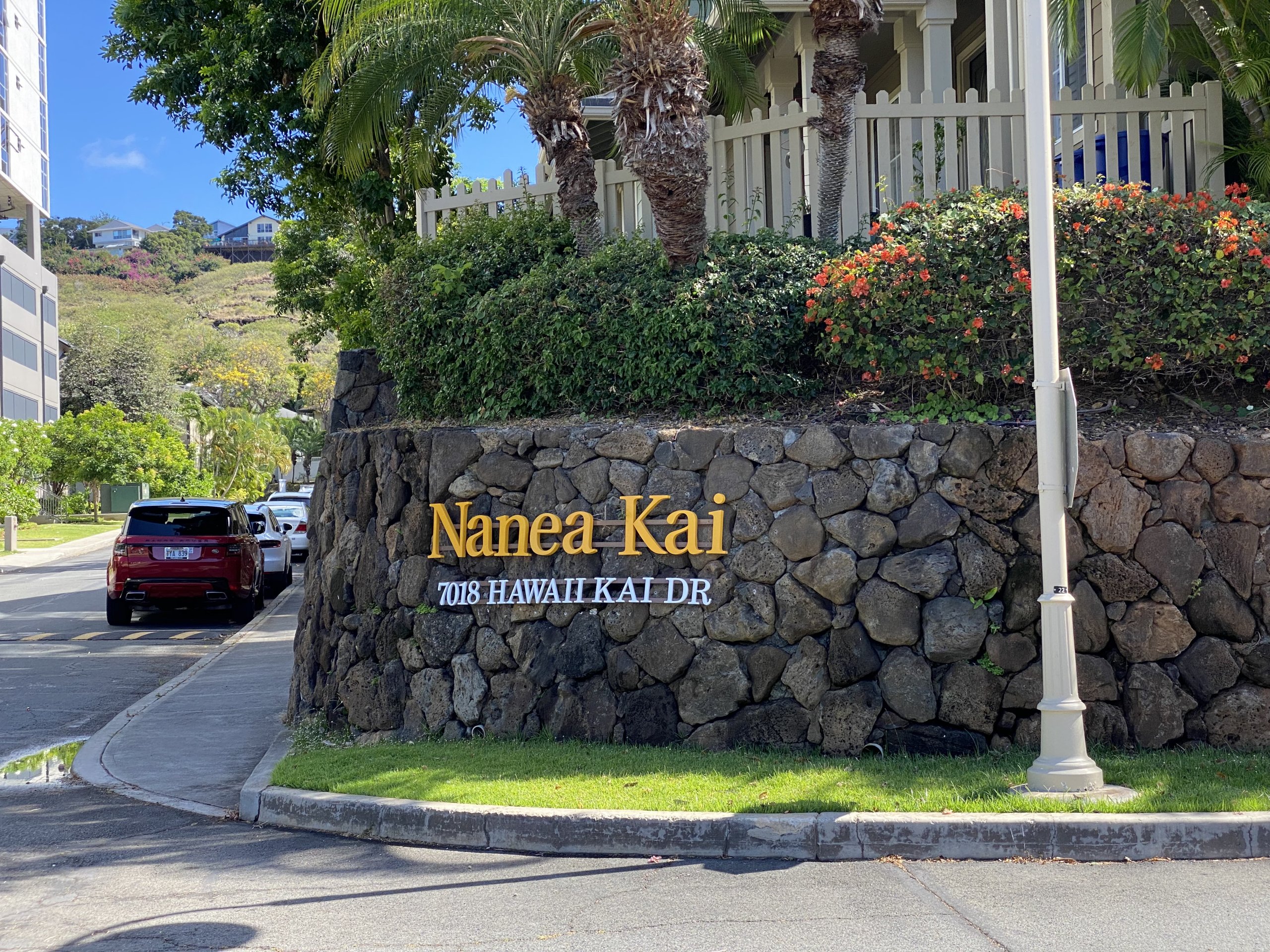
Association fees are not automatically bad. A well-run AOAO (like the Nanea Kai AOAO in Hawaii Kai) may be using those fees to maintain the property properly, fund reserves, insure the building, and avoid future surprises. The problem is that buyers need to know what the fees are actually paying for.
A low maintenance fee can be a red flag if the building is underfunded. A high fee can be reasonable if it includes strong reserves, utilities, insurance, and major maintenance. The number alone does not tell the full story.
UHERO also points out that some older buildings have faced sudden fee increases because reserves were not enough to cover accumulated maintenance needs. The Factbook notes that its HOA fee data does not include one-time special assessments, which have become common among aging condo buildings.
That is why condo buyers need to review more than the unit. They need to review the building.
Insurance Has Become a Major Condo Issue
Insurance is one of the most important 2026 condo risks.
UHERO reports that Hawai‘i property insurance premiums increased 13.4% in 2024, the largest increase in at least a decade and above the national increase of 9.7%. The Factbook also notes that condominium developments have been hit especially hard, with some policies reportedly seeing increases of more than 1,000%.
For condo buyers, this can show up in several ways:
- A building’s master insurance premium may increase, pushing AOAO fees higher.
- A lender may have concerns if the building’s insurance coverage, reserves, delinquency rate, litigation status, or owner-occupancy profile does not meet loan guidelines.
- A buyer may need additional coverage, such as an HO-6 policy, loss assessment coverage, hurricane coverage, or flood coverage depending on the property.
A building may look affordable today but face higher future carrying costs if the insurance market keeps tightening. This does not mean buyers should avoid condos. It means they should treat insurance and AOAO health as part of the purchase price.
The Financing Question Buyers Often Overlook
Financing can be simpler for a single-family home, assuming the buyer qualifies and the property condition is acceptable. With condos, the lender is not only approving the borrower and the unit. The lender is also reviewing the project.
That means condo buyers need to think about questions such as:
- Is the project warrantable?
- Does the building have adequate insurance?
- Are there pending lawsuits?
- Are reserves adequate?
- Are too many units delinquent on AOAO dues?
- Is there a large special assessment?
- Are too many units investor-owned or short-term rented?
- Does the property require a portfolio loan rather than conventional financing?
These questions can affect a buyer’s interest rate, down payment, lender options, timeline, and even whether the property can be financed at all.
This is one reason a slightly higher-priced single-family home may sometimes be cleaner to purchase than a lower-priced condo in a financially weak building.
The Case for Buying a Single-Family Home in Hawai‘i in 2026
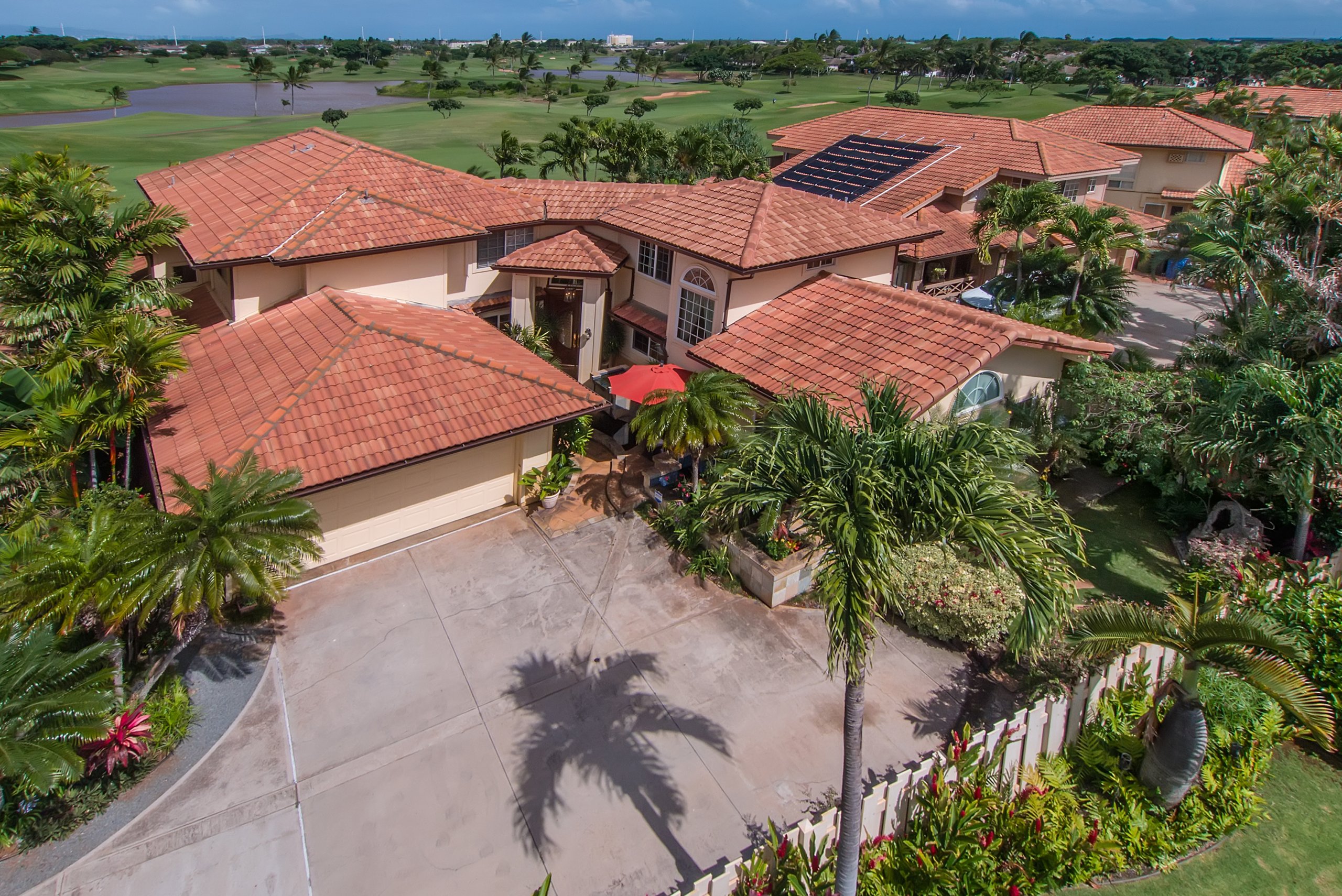
The strongest argument for a single-family home is control.
With a house, you are not dependent on an AOAO board, building-wide reserves, common-area maintenance decisions, elevator repairs, shared plumbing stacks, or association insurance renewals. You control more of the property, the land, the timing of repairs, and the long-term improvement plan.
Single-family homes also tend to offer more lifestyle flexibility: yards, pets, storage, parking, gardening, outdoor showers, surfboards, work trucks, multigenerational living, and sometimes the possibility of additions, ADUs, or rental units, depending on zoning, permitting, and property-specific restrictions.
There is also a land component. In Hawai‘i, land scarcity is real. A well-located single-family home can be expensive to acquire, but it may offer long-term value that a condo cannot replicate.
That said, single-family ownership comes with its own risks. You may not pay an AOAO fee, but you are fully responsible for the roof, painting, plumbing, electrical, appliances, drainage, retaining walls, tree trimming, pest control, sewer or septic issues, insurance, and storm preparation.
A house gives you control, but it also gives you the entire bill.
So Which is Smarter in 2026?
For many buyers, the answer is:
A condo is smarter when the building is financially healthy, the fees are understandable, the insurance is stable, the reserves are strong, and the lower purchase price meaningfully improves your monthly affordability.
A single-family home is smarter when you can afford the higher entry price, want more control, value land, need lifestyle flexibility, and are prepared to maintain the property yourself.
The biggest mistake is assuming one property type is automatically better.
A $590,000 condo with a high AOAO fee, weak reserves, insurance problems, and a looming special assessment may be less affordable than it looks.
A $950,000 single-family home with an older roof, drainage issues, unpermitted improvements, and rising insurance costs may also be less affordable than it looks.
In 2026, the smarter buy is the one with the clearest total cost, the fewest hidden risks, and the best fit for how you actually live.
My buyer checklist before choosing condo vs. single-family
Before buying a Condo, be sure and review the following:
- The monthly AOAO fee and what it includes
- The current budget and reserve study
- Recent board meeting minutes
- Insurance coverage and deductibles
- Pending or recent special assessments
- Major upcoming repairs
- Owner-occupancy and delinquency rates
- Litigation or building defects
- Lender project approval
- House rules, pet rules, parking, storage, and rental rules.
Before buying a Single Family Home, be sure and review the following:
- Roof age and condition
- Termite history and wood damage
- Plumbing and electrical condition
- Drainage, grading, and retaining walls
- Flood, fire, hurricane, tsunami, and erosion exposure
- Insurance quotes before escrow deadlines
- Permits for additions, remodels, decks, carports, and enclosed spaces
- Sewer, septic, or cesspool issues
- Maintenance budget for the next five years
- Neighborhood resale trends
Final Thoughts
In Hawai‘i, “affordable” and “low price” are not the same thing.
Condos can be a smart path into ownership, especially when single-family homes are out of reach.
But buyers need to understand AOAO fees, insurance, reserves, special assessments, and financing rules before falling in love with the lower purchase price.
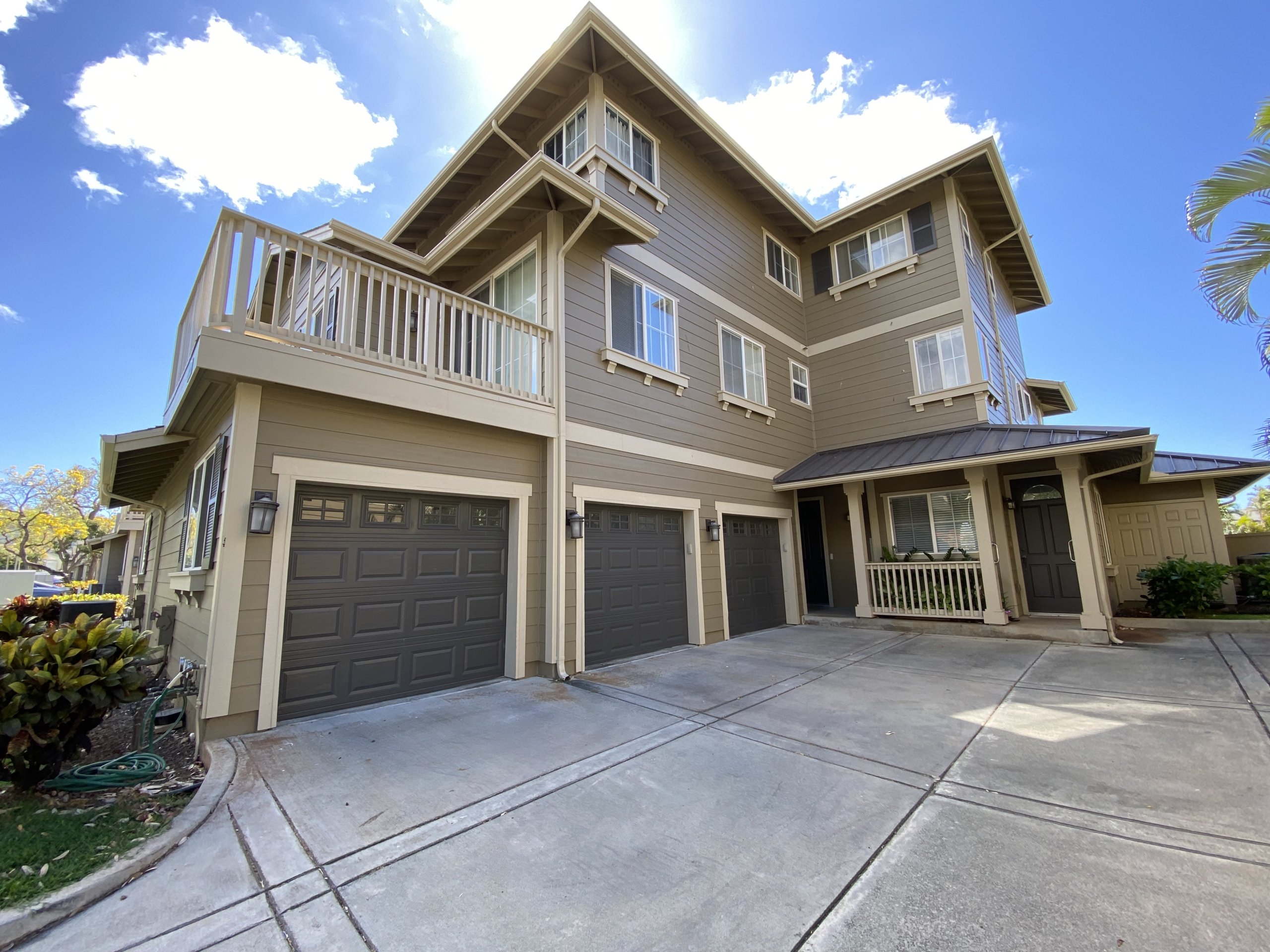
For a specific example, the property for sale at 7018 Hawaii Kai Dr. #5-2 represents a good example of a condo that might be a smart path to home ownership in Hawaii Kai.
Single-family homes can offer more control, land, privacy, and long-term flexibility. But buyers need to be honest about maintenance, insurance, repairs, and the larger mortgage payment.
The best move is to compare both options side by side, using real numbers from the specific property, not averages alone.
Thinking about buying in Hawai‘i this year? Send me the condo and single-family homes you are considering, and I will help you compare the true monthly cost, building risk, resale outlook, and long-term fit before you make an offer. I look forward to hearing from you and helping you achieve your Hawaii Real Estate Goals…..Aloha, Jon.

Leave your opinion here. Please be nice. Your Email address will be kept private, this form is secure and we never spam you.