For most people, yes, you should live in Hawaii before buying a home.
That does not mean everyone must rent first. Some buyers already know the islands well, have family roots there, or are making a very specific long-term move. But for most off-island buyers, living in Hawaii first is the smarter path. It gives you time to test the lifestyle, understand the real cost of living, learn which neighborhoods actually fit your daily routine, and avoid buying the wrong property in a market where mistakes are expensive. That matters even more in a state still facing a major housing shortage, where prices remain high and inventory is not easy to replace. Hawaiʻi’s 2024 Housing Planning Study estimates the state needs 64,490 additional housing units by 2027, and on Oʻahu the April 2026 median sales price was $1,150,000 for a single-family home and $500,000 for a condo.
The Best Short Answer
If you are moving from the mainland or from another island and have never lived full-time in the area where you plan to buy, renting first is usually the better move.
Why? Because Hawaii is not just one market. It is a collection of very different island lifestyles, microclimates, neighborhoods, commute patterns, housing types, and ownership realities. A place that feels perfect for one week on vacation can feel completely different after three months of normal life.
Buying before living there can still work in some cases. But it is usually safer to buy after you have tested the daily experience.
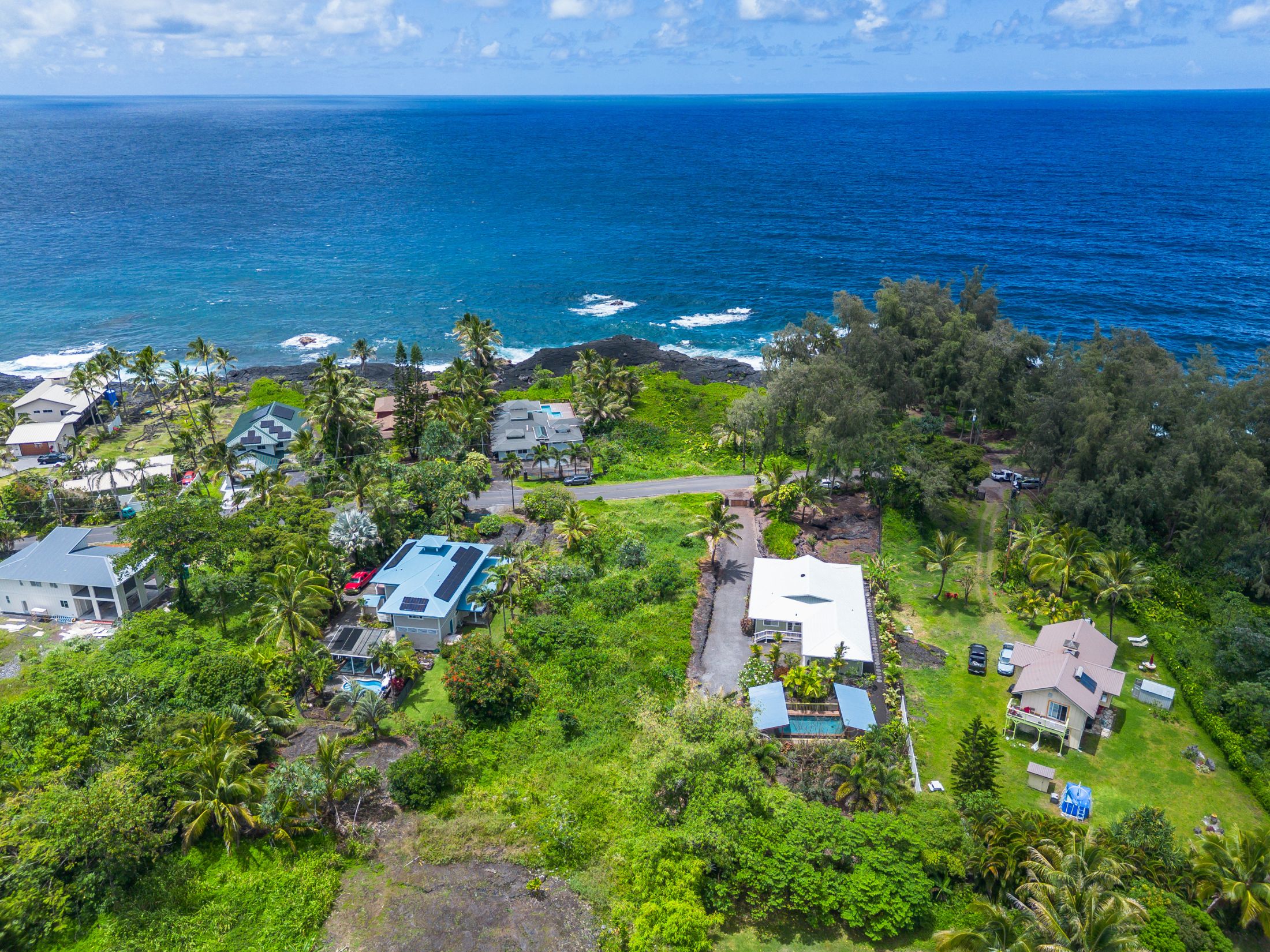
Why Renting First Makes Sense in Hawaii
1. Vacation Hawaii and Daily-Life Hawaii Are Not the Same
A lot of buyers fall in love with Hawaii while visiting, and that part is real. But living somewhere is different from staying there.
On a trip, you do not fully feel the traffic, parking, building noise, wind exposure, humidity, shopping habits, school runs, commute times, or how far a neighborhood is from the places you actually use every week. You may love being near the beach on vacation and later realize you would rather live closer to work, a quieter street, better weather, or a stronger sense of community.
Living there first helps you answer a more important question than “Do I love Hawaii?”
It helps you answer: “Do I want this exact area to be my daily life?”
2. Hawaii Neighborhoods Can Feel Very Different, Even Within the Same Island
This is one of the biggest reasons to live there first.
Two neighborhoods on the same island can deliver very different experiences. One may feel convenient and urban. Another may feel slower, windier, wetter, hotter, quieter, or more isolated than expected. Some condo areas feel highly transient because of visitor traffic. Others feel much more residential. Some streets hold value because of location and convenience. Others look good online but feel less practical once you are there every day.
That kind of understanding usually comes from routine, not research.
You learn it by grocery shopping, driving at rush hour, walking the area at night, checking weekend noise, and seeing whether the place still feels right when life is normal.
3. The Cost of a Wrong Decision Is High
In a cheaper market, buyers sometimes recover from a bad decision more easily. Hawaii is not that kind of market.
Prices are high, inventory is constrained, and carrying costs matter. On Oʻahu, the April 2026 median sales price reached $1,150,000 for single-family homes. At the same time, Hawaiʻi’s housing shortage remains severe, which helps explain why good homes do not always come with a lot of room for error in pricing or decision-making.
That means buying too fast can hurt in several ways:
- You overpay for a location you later decide does not fit
- You underestimate commute or building issues
- You buy a property type that does not match your lifestyle
- You discover the monthly cost feels heavier than expected
- You end up selling too soon, which is rarely ideal in a high-cost market
Renting first is not wasted time if it prevents an expensive mistake.
What You Learn by Living in Hawaii First
You Learn Your True Budget
Before moving, many buyers focus mostly on the purchase price. After moving, they start noticing the full monthly picture.
That includes utilities, groceries, gas, association dues, maintenance expectations, insurance, parking realities, and the small convenience costs that come with island living. Housing decisions in Hawaii are not just about what you can qualify for. They are about what feels sustainable after you have lived there for a while.
This is especially important now because insurance has become a more active concern in Hawaii. In 2025, the state enacted Act 296 to help stabilize the property insurance market amid rising premiums and limited coverage options. In April 2026, the Insurance Division also emphasized the importance of residential hurricane coverage and noted that the Hawaiʻi Hurricane Relief Fund had been reactivated for certain condominium and townhouse associations seeking hurricane commercial property coverage.
That does not mean every buyer should be alarmed. It means buyers should be realistic. Living there first gives you time to see how these costs and property-specific risks actually affect your budget.
You Learn Whether You Prefer a House, Condo, or Townhome
Many off-island buyers arrive assuming they want a single-family home. Then they realize they would rather have less maintenance and a more central condo.
Others move in expecting condo life to be easy, then decide HOA rules, fees, parking, elevators, or building density are not for them.
This is one of the most practical reasons to rent first. It helps you discover not just where you want to live, but how you want to live.
You Learn the Ownership Details That Matter
Hawaii real estate has details that mainland buyers often underestimate.
You need to understand things like building condition, reserve strength, insurance exposure, special assessments, noise patterns, parking, flood or wind exposure, and in some cases fee simple versus leasehold ownership. Those issues do not always show up clearly in listing photos.
When you rent first, you learn what questions matter before you commit.
When Buying Right Away Can Make Sense
Renting first is usually the safer option, but not always.
Buying sooner can make sense if:
You already know the area extremely well
If you have lived there before, spend long stretches there each year, or have deep local familiarity, you may not need a trial period the way a first-time mover does.
You are returning home, not discovering Hawaii for the first time
Someone moving back to a community they already understand is in a very different position from a newcomer.
You have strong local support
Family, trusted local advisors, and real knowledge of specific neighborhoods can reduce the risk of buying early.
You are buying for a very long hold
If the home fits your finances, your timeline is long, and you are confident about the area, buying sooner may be reasonable.
Still, “I love Hawaii” is not enough by itself. The question is whether you know this property, this neighborhood, and this version of daily life well enough to buy with confidence.
A Big Mistake Buyers Make
One common mistake is assuming they can “figure it out later.”
That is risky in Hawaii because local rules, ownership costs, and future use assumptions matter more than many buyers expect. For example, buyers who think they may offset costs with short-term rental income need to understand that regulations can change by county. Maui County signed Bill 9 into law in December 2025 to phase out transient vacation rentals in apartment-zoned districts over time, which shows how important local rules can be when buyers build a plan around future rental flexibility. Hawaiʻi County also regulates short-term vacation rentals under its own ordinance framework.
Even if you are buying a primary home, this still matters. A home’s future resale value, buyer pool, and flexibility can be affected by local housing policy.
How Long Should You Live in Hawaii Before Buying?
A good target for most buyers is six to twelve months.
That is usually long enough to:
- experience the area in different seasons
- learn commute and traffic realities
- understand your true monthly costs
- compare neighborhoods with less emotion
- decide whether you want a house or condo
- build a local team you trust
Three months can help, but it is often not enough for a major purchase. One full year gives the clearest picture if your budget and timeline allow it.
A Smarter Way to Test Hawaii Before You Buy
If you do rent first, do it strategically.
Do not just pick the easiest short-term option and wait. Use the rental period like research.
Focus on these questions
- Where do you naturally spend most of your week?
- Does the neighborhood still feel right at night and on weekends?
- How much time do you lose to driving?
- Does the climate in that area actually suit you?
- Are you comfortable with the building, parking, noise, and upkeep?
- Does your monthly spending still feel good after normal expenses settle in?
The goal is not just to confirm that you like Hawaii.
The goal is to learn what version of Hawaii works best for your real life.
Final Verdict
For most buyers, living in Hawaii before buying a home is the smarter move.
It helps you avoid buying based on vacation emotion, online impressions, or incomplete assumptions. It gives you time to understand neighborhoods, ownership costs, property types, local rules, and your true day-to-day preferences. In a market where prices remain high and housing supply is still tight, that kind of clarity has real financial value.
Buying right away can work for experienced, well-prepared buyers with strong local knowledge. But for everyone else, renting first is usually not hesitation. It is good judgment.

Kim Soares
June 20, 2026
Excellent advice! Well said!