Recently, I blogged about Permit Ready Kailua Builds and stated the following:
“On the Kihapai Ohana site, for example, impervious surface coverage is ~33% on a lot allowing up to 75%, providing significant flexibility for construction sequencing and field execution—without triggering revisions.”
A customer asked me what this paragraph means, so I decided to answer that question via a blog, as it might useful to others as well.
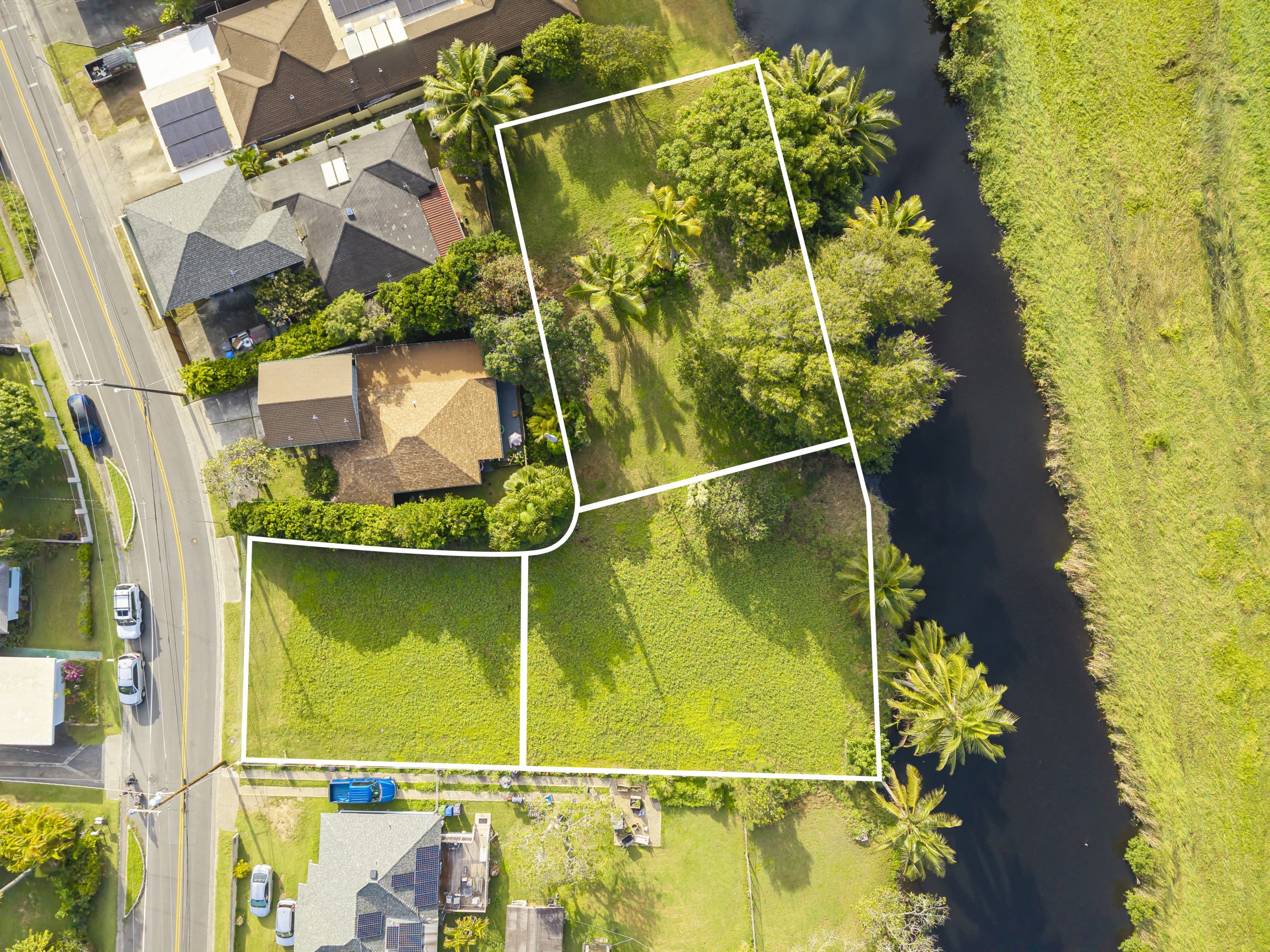
What “Impervious Surface Coverage” Means (Plain English)
Impervious surface = any surface that does not absorb water, such as:
- Roofs
- Driveways
- Concrete slabs
- Pavers (in many cases)
- Hardscape areas
The City & County of Honolulu limits how much of a lot can be covered by these surfaces to control stormwater runoff.
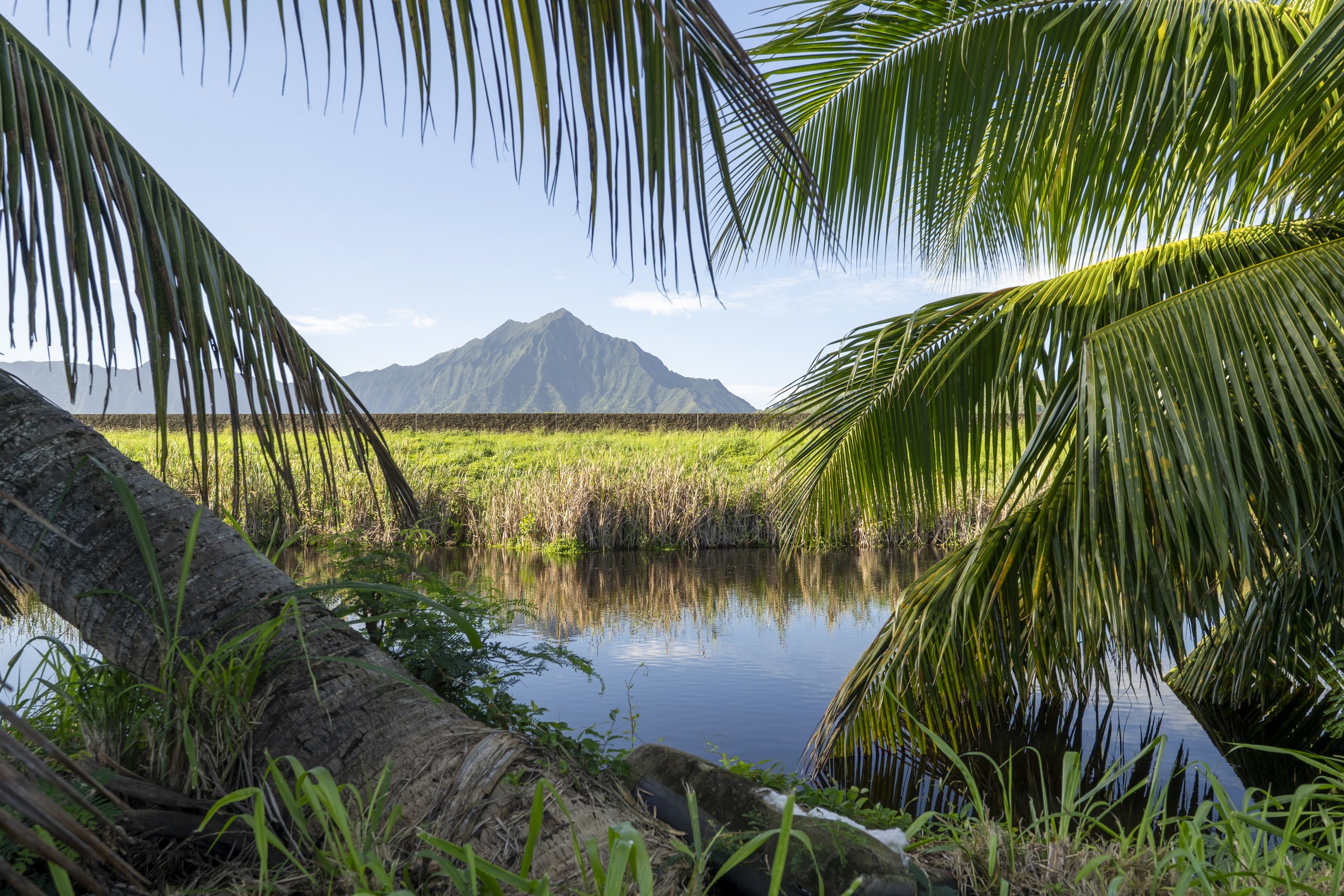
What the Numbers Mean on Kihapai Ohana
- Lot size: ~15,008 SF
- Maximum allowed impervious surface: 75%
→ ≈ 11,256 SF allowed - Proposed impervious surface: ~33%
→ ≈ 5,000 SF used
That means less than half of what is legally allowed is being used.
Why having “~33% used when 75% is allowed” is a big deal
This creates a huge buffer between what’s proposed to be built and what’s legally permitted.
In practical terms, it means:
You can make field adjustments…..Minor driveway shifts, small slab changes, walkway tweaks, or construction tolerances won’t push the project over the limit.
Less risk of DPP revisions
If you accidentally exceed the impervious limit, DPP can require:
- Plan revisions
- Re-submittals
- Additional SWQ review
- Delays or stop-work orders
That risk is very low here.
Construction Sequencing is Easier
You can:
- Pour slabs in phases
- Stage materials
- Adjust access paths
- Modify hardscape timing
…without worrying that temporary or final surfaces will violate stormwater rules.
“Field execution” — what that means for builders
Field execution = what actually happens on-site, versus what’s on paper.
Because this project is far below the maximum impervious threshold, builders have:
- More tolerance for real-world conditions
- Less pressure to hit exact hardscape square footage
- More freedom to solve problems in the field, not on revised plans
This is especially valuable in Kailua, where:
- Groundwater is shallow
- Flood zones apply
- SWQ inspectors are strict
Why This Matters to Inspectors and the City
From the City’s perspective:
- Projects close to 75% impervious are high risk
- Projects at ~33% are low risk
Low-risk projects:
- Get fewer red flags
- Face fewer inspection issues
- Are less likely to trigger SWQ enforcement
Bottom Line
The project uses only about 33% impervious coverage on a lot that allows up to 75%, giving builders a large margin for construction adjustments without triggering stormwater or DPP revisions.
Because less than half of the allowed hardscape is being used, the project has built-in flexibility for real-world construction without risking compliance issues.
With impervious coverage well below the City’s maximum, the project minimizes entitlement risk and allows smoother construction sequencing.
If you are interested, here is a link to another blog I have written on the 3 Buildable Homesite Opportunity:
3 Kailua Buildable CPR Homesight Opportunity
Here are the links to the MLS Listings:
- Entire CPR Project – 221 Kihapai Street, Kailua, HI 96734
- CPR Unit 1 – 221 Kihapai Street, Unit 1, Kailua, HI 96734
- CPR Unit 2 – 221 Kihapai Street, Unit 2, Kailua, HI 96734
- CPR Unit 3 – 221 Kihapai Street, Unit 3, Kailua, HI 96734
Just let me know if you have any questions about these properties or just want to talk story…I look forward to hearing from you.
Mahalo and Aloha, Jon S. Mann

Leave your opinion here. Please be nice. Your Email address will be kept private, this form is secure and we never spam you.