How Confident Hawaii Buyers Approach the Search Before They Ever See a Property
The strongest buyers in Hawaiʻi usually do not start with a showing. They start with clarity.
Before they ever step into a home, they already know what the property needs to do for their life, what kind of monthly cost feels comfortable, which island or neighborhood patterns fit them best, and which listings are worth serious attention. That matters even more in a market where different segments are moving at very different speeds. On Oʻahu, for example, January 2026 data showed single-family homes moving in a median of 27 days, while condos took 47 days, and most condo sales were closing below the original asking price. That kind of gap changes how smart buyers search, compare, and narrow options before they ever book a tour.
That is the real difference between casual browsing and a confident search.
Confident buyers are not just collecting listings. They are filtering noise out early, so that when they finally go see a property, they already understand why it made the cut.
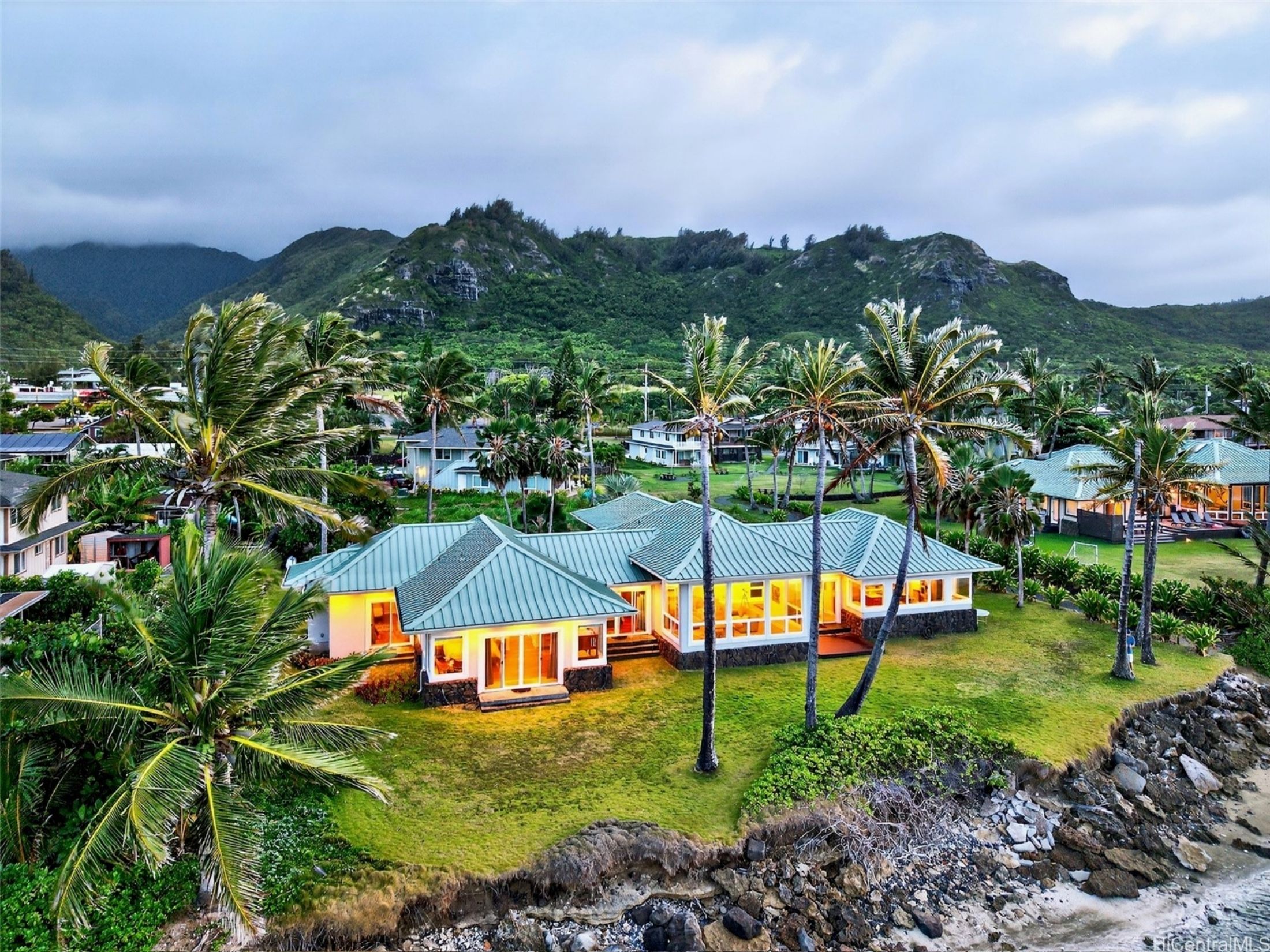
They start with the role the property needs to play
Before anything else, confident buyers get specific about purpose.
Is this meant to be a primary residence, a second home, a long-term hold, or a future lifestyle move? Is the goal convenience, privacy, lower maintenance, walkability, more land, or a better fit for part-time island living?
This matters because Hawaiʻi is not a market where every property works the same way. A condo in town, a detached home on a larger lot, and a CPR property that looks like a stand-alone house can all live very differently once ownership structure, monthly costs, and restrictions come into the picture. Buyers who know what role the property is supposed to play make better choices much earlier in the search.
They define the monthly number before they fall for the photos
Confident buyers do not begin with the biggest price they might qualify for. They begin with the monthly number they actually want to live with.
That sounds simple, but it changes everything. In Hawaiʻi, the listing price is only the beginning of the conversation. Depending on the property, the real monthly cost may also include association dues, insurance, utilities, reserve-related pressure, or other ownership costs that can change how affordable a home really feels over time. Buyers who understand that early waste less time on listings that look exciting but do not make sense once the full carrying cost is clear.
This is one reason confident buyers often look more disciplined than emotional. They are not trying to win a property search. They are trying to make sure the life behind the purchase still works.
They narrow the search by lifestyle, not just price
One of the clearest signs of a prepared buyer is that they are not searching “all of Hawaiʻi.” They are narrowing by how they want to live.
That may mean staying close to town, choosing a quieter area, prioritizing a certain school pattern, wanting easier airport access, or preferring a neighborhood that feels more residential than resort-driven. Buyers now expect search tools to let them filter by price, property type, location, neighborhood, and lifestyle, because that is how people actually shop when they are trying to make smart decisions rather than broad guesses. In Hawaiʻi, that matters even more because island differences, zoning realities, and local lifestyle factors can affect usability and value in a big way.
Confident buyers understand that a home is never just the structure. It is also the daily pattern around it.
They learn the ownership language early
This is where a lot of first-time Hawaiʻi buyers either get sharper or get lost.
Prepared buyers learn the basic ownership terms before they start seriously chasing listings. They know enough to ask whether a property is fee simple, leasehold, condo, CPR, or some mix of those structures. They understand that these are not small label differences. They affect land ownership, monthly cost, financing, resale, flexibility, and sometimes even what the property looks like on paper compared with how it feels in person.
That matters because some of the most confusing situations happen when a buyer falls in love with the look of a property before understanding what they are actually buying.
Confident buyers flip that order around. They ask the legal and financial questions early so they can get attached later, not the other way around.
They use online search like a tool, not a pastime
The strongest buyers do a surprising amount of the work before the first showing. They use saved searches. They track price changes. They revisit listings. They compare layouts, not just finishes. They look at how long something has been sitting. They pay attention to whether a property keeps coming back to market. And they expect the search experience to support that kind of behavior with clear filters, current pricing, accurate availability, and enough detail to help them decide whether a home is worth a closer look.
That last part matters more than it used to. Buyers now expect listing platforms to tell them whether a property is actually available, whether the pricing is current, whether the photos reflect real condition, and whether important information is revealed early enough to save time. In a place like Hawaiʻi, where location, HOA conditions, and zoning can change the whole meaning of a property, confident buyers rely on detail, not just presentation.
They use technology to get informed, not to skip judgment
Early research is also changing because buyers are using more tools before talking to an agent.
AI, search platforms, maps, and market trackers are all part of the way people now learn neighborhoods, compare listings, estimate values, and understand the buying process before they make first contact. That is not a bad thing. Better-informed buyers usually have better first conversations, because they are not starting from zero.
But confident buyers also know where the limit is. Technology can help them sort, compare, and prepare. It cannot replace judgment about fit, structure, condition, or whether a listing really deserves the next step.
That is why the best pre-showing research is not about replacing people. It is about arriving at the right conversations sooner.
They screen out weak fits before the first tour
One of the smartest things confident buyers do is reject more listings early.
They do not treat every nice photo set as a real contender. They look for reasons to narrow the list, not reasons to keep every possibility alive.
That may mean stepping away from a property because the ownership structure is wrong, the monthly cost looks unstable, the location does not fit daily life, or the property type is out of sync with the buyer’s actual goals. In a more balanced market, that selectiveness becomes even more useful. When inventory expands and homes take longer to sell, buyers stop acting like every decent listing is their only chance. They become more analytical, more willing to compare carefully, and more comfortable walking away when the numbers or setup do not hold up.
That is not hesitation. That is preparation.
They come into the first conversation with better questions
By the time confident buyers talk to an agent, they are usually not asking, “What is out there?” They are asking sharper questions.
- What ownership structures should I expect in this price band?
- Which areas fit the lifestyle I described without stretching my budget?
- Are there condo segments where the extra inventory gives me more negotiating room?
- Which listings look good online but may not hold up once we look closer?
- What should I rule out before I spend time touring?
Those are the kinds of questions that move a search forward. And they work because the buyer has already done the first layer of thinking. They are not handing the whole process over. They are showing up ready to collaborate.
Why this approach works so well in Hawaiʻi
Hawaiʻi rewards buyers who prepare before they pursue.
That is because so much of the value here is tied to context. The same price can mean something very different depending on the island, neighborhood, ownership type, dues, condition, and long-term use. A buyer who walks into the search without that framework is more likely to waste time, miss key details, or get pulled toward properties that do not really fit. A buyer who builds the framework first is much more likely to recognize the right property when it appears.
- That is what confident buyers are really doing before they ever see a home.
- They are not just waiting for the perfect listing.
- They are making themselves ready to know it when they see it.
FAQs
Why do confident Hawaiʻi buyers do so much before the first showing?
Because the early part of the search saves time later. Buyers who define budget, lifestyle, property purpose, and ownership comfort earlier tend to narrow the field faster and avoid wasting tours on weak fits. In a more balanced market, that kind of selectiveness has become more common.
What do serious buyers usually look at before seeing a property?
They usually screen for monthly cost, location fit, ownership structure, listing accuracy, and whether the property type matches their goal. Buyers also increasingly use filters, saved searches, alerts, and repeat visits to listings before deciding a property deserves a showing.
Why is ownership structure such a big deal in Hawaiʻi?
Because fee simple, leasehold, condo, and CPR properties can look similar in photos but work very differently in real life. They can affect ownership rights, financing, monthly obligations, and resale flexibility.
Are buyers in Hawaiʻi relying more on online research now?
Yes. Buyers increasingly use search tools and AI for early research, including learning neighborhoods, comparing listings, getting rough value context, and understanding the buying process before their first agent conversation.
Does current market timing affect how buyers prepare?
Yes. When inventory expands and homes take longer to sell, buyers usually become less reactive and more analytical. They compare more carefully, negotiate more thoughtfully, and feel less pressure to tour everything immediately.

Leave your opinion here. Please be nice. Your Email address will be kept private, this form is secure and we never spam you.