Closing on a home in Hawaiʻi is a major milestone, but the purchase price is only the beginning of the financial picture.
During the first year, new owners often discover expenses that were easy to overlook while comparing listings: insurance renewals, property taxes, association fees, salt-air maintenance, landscaping, pest control, appliance repairs, higher-than-expected utilities, and small projects that quickly add up.
The solution is not simply keeping more cash available. A better approach is to build a first-year ownership budget around the property you actually bought.
A condo in Honolulu, an oceanfront home on Maui, a rural property on Hawaiʻi Island, and a house surrounded by tropical vegetation on Kauaʻi can have very different expense patterns. Your budget should reflect those differences from the beginning.
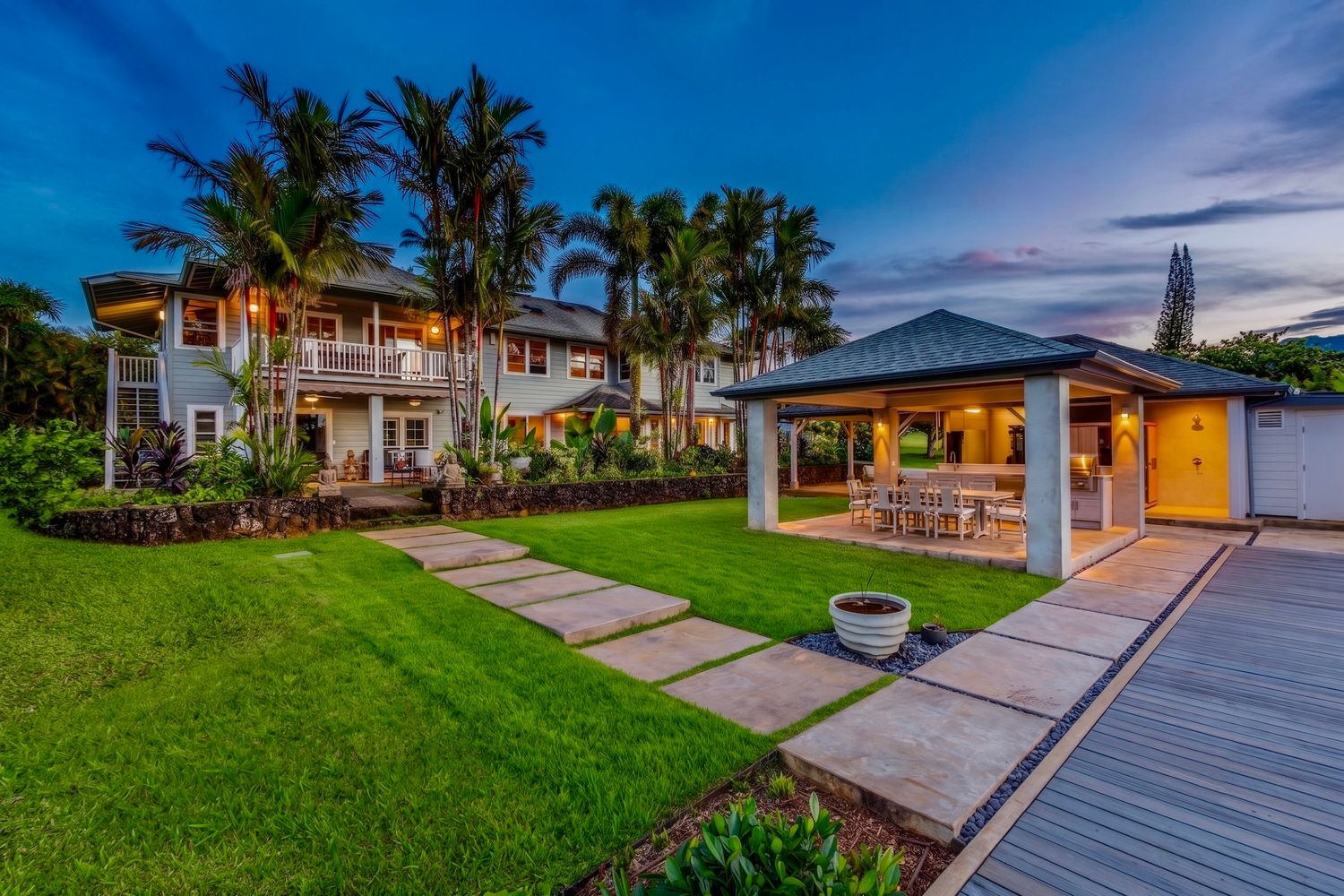
Here is how to plan for the first year without turning every unexpected repair into a financial surprise.
1. Start With Your True Monthly Housing Cost
Your mortgage payment is not your complete housing budget. Create a monthly ownership figure that includes every predictable expense:
- Mortgage principal and interest;
- Property taxes;
- Homeowners insurance;
- HOA or condominium fees;
- Utilities;
- Internet;
- Landscaping;
- Pest control;
- Pool maintenance, if applicable; and
- Regular contributions to a home-repair reserve.
If the property is leasehold, ground lease payments should also be included. This gives you a much more useful number than simply asking what the mortgage costs each month.
New owners should also review the steps outlined in what to do after closing on a Hawaii home so important insurance, tax, lender, and property-management tasks do not disappear in the excitement of moving in.
2. Learn How Your Property Taxes Actually Work
One budgeting mistake is assuming Hawaii property taxes work exactly like those in the state you moved from. Real property taxes in Hawaiʻi are administered at the county level, and the amount you pay can depend on the property’s county, assessed value, classification, and whether it qualifies for an owner-occupant exemption. Rates and classifications can also change. That makes it important to understand:
How is your property currently classified?
A home used as a primary residence may be treated differently from a second home, investment property, or short-term rental. If the property will be your primary residence, investigate whether you qualify for a homeowner exemption and what filing deadline applies in your county.
Our guide to understanding Hawaii property taxes provides a useful starting point.
Most importantly, do not automatically assume the previous owner’s tax bill will be identical to yours.
3. Give Insurance Its Own Budget Category
Insurance deserves more attention than simply adding the annual premium to a spreadsheet. Coverage needs can differ depending on the property type and location. A lender may also require coverage even though homeowners insurance itself is not generally mandated by Hawaii law. Your first-year budget should account for more than the premium. Review:
- Homeowners or condo-unit coverage;
- Hurricane coverage where applicable;
- Flood coverage if relevant;
- Deductibles;
- The association’s master policy if you own a condo; and
- The amount of cash you would need if you actually had to make a claim.
A $5,000 or $10,000 deductible is not an abstract insurance number. It represents money you may need to access quickly. Build emergency reserves with those deductibles in mind.
4. Create a Hawaii-Specific Maintenance Fund
The standard maintenance budget you used on the mainland may not fully reflect conditions in Hawaiʻi. Salt air, humidity, strong sun, wind, heavy rain, vegetation, insects, and moisture can affect homes differently depending on their location. A coastal home’s metal fixtures may need closer attention because of corrosion. A home in a wetter area may require more frequent monitoring for moisture, mildew, drainage, vegetation, and pests.
That is why understanding how Hawaii’s climate shapes home design and daily living can be helpful even after you have already purchased.
Instead of creating one generic “repairs” category, divide the budget into:
- Routine maintenance: landscaping, pest treatment, cleaning and servicing.
- Preventive maintenance: roof checks, sealing, drainage work, exterior treatments and equipment servicing.
- Unexpected repairs: broken appliances, plumbing problems, electrical issues or storm damage.
Preventive maintenance may feel optional when everything is working. In Hawaiʻi’s climate, postponing small issues can sometimes make later repairs considerably more expensive.
5. Do Not Spend Your Entire Improvement Budget Immediately
Many owners move in with a list of changes:
- New flooring
- New furniture
- A remodeled kitchen
- Better landscaping
- An outdoor shower
- A larger lanai
Some improvements may absolutely be worthwhile, but the first few months of ownership often reveal priorities that were not visible during inspections. You may discover that drainage needs attention before landscaping, ventilation matters more than new cabinets, or an aging water heater deserves money before cosmetic upgrades. A useful rule for the first year is to separate improvements into three groups:
-
Fix now
Safety issues, water intrusion, electrical problems, active leaks and anything likely to cause additional damage.
-
Plan for later
Roofing, windows, major appliances, exterior work and other predictable capital expenses.
-
Want, but do not need
Furniture, decorative remodeling, premium finishes and aesthetic landscaping. Live with the home long enough to understand it before spending the entire renovation budget.
6. Expect Utilities to Be Different From Your Previous Home
Do not build your utility budget from what you paid on the mainland. Your actual costs will depend on the property’s size, location, construction, cooling needs, appliances, solar setup, water source, landscaping, pool equipment, and household habits. For the first several months, track electricity and water separately rather than simply categorizing everything as “utilities.”
Look for patterns. Does air conditioning account for more usage than expected? Is irrigation raising water consumption? Is an older appliance inefficient? Is pool equipment operating longer than necessary? Understanding the source of the expense makes the budget easier to improve.
7. Condo Owners Should Budget Beyond the Monthly HOA Fee
For condominium buyers, paying the monthly maintenance fee does not eliminate the possibility of additional building expenses. Owners should understand the association’s:
- reserve position;
- upcoming capital projects;
- insurance coverage;
- recent fee increases;
- special-assessment history; and
- major repairs under discussion.
Meeting minutes and association communications should not be ignored once the sale closes. If an elevator replacement, roofing project, plumbing upgrade, concrete repair, or insurance increase is being discussed, you want to know early enough to plan for it. Consider maintaining a separate condo reserve even when the association itself maintains reserves.
8. Build a Real Emergency Fund for the Property
Your household emergency savings and your property-maintenance reserve do not necessarily need to be the same account. A home can create large, irregular expenses without creating a personal emergency.
An air-conditioning system fails. A tree needs urgent removal. A water heater leaks. A plumbing problem appears. A refrigerator dies just after several other moving expenses.
Instead of deciding on an arbitrary reserve amount, look at the expensive systems in your particular home. Ask yourself:
What are the two or three most expensive things likely to fail during the next year?
Then determine whether you could comfortably handle one of those failures tomorrow. That produces a more realistic reserve target than a generic national rule.
9. Budget for the Life Around the Home
Housing expenses do not stop at the property line. Your first-year budget may also change because of transportation, groceries, furniture delivery, inter-island travel, home services, commuting, or trips back to the mainland. This is particularly important for buyers moving from the mainland permanently.
A house that looked affordable on paper may create a different overall lifestyle budget depending on where it is located and how often you need to travel. This is another reason choosing the right community matters just as much as choosing the property itself.
10. Review the Budget After Three, Six and Twelve Months
Your first budget is an estimate. Your second budget should be based on evidence.
After three months, compare projected expenses with what you actually spent. Do it again after six months, then complete a full review at the end of the year. Look specifically for expenses you underestimated.
Maybe landscaping costs more than expected. Perhaps electricity costs less because the property performs efficiently. You may discover that pest control deserves a permanent monthly category while another expense can be reduced.
The first year teaches you how your specific property behaves financially. Use that information.
Think Beyond the First Year
Good budgeting is also part of protecting the property’s long-term value. Roof condition, insurance availability, association finances, climate exposure, maintenance quality, infrastructure, and ownership costs can all influence how appealing a home remains to future buyers.
Our look at what will drive Hawaiʻi property values over the next 10 years explains why affordability of ownership may matter alongside location and housing scarcity.
The first-year goal should therefore be larger than simply paying the bills. It is to understand the property well enough to anticipate what it will need next.
Make the First Year About Learning Your Home
Your first year as a Hawaii property owner will probably contain a few expenses you did not predict.
That does not mean the budget failed. The objective is to make those surprises manageable.
Track the true monthly cost of the property, understand your taxes and insurance, maintain a dedicated repair reserve, stay ahead of climate-related maintenance, and review your spending as real numbers replace estimates.
By the end of the first year, you should know more than what your home costs. You should know how your home needs to be owned.
Frequently Asked Questions
How much should Hawaii homeowners keep for unexpected repairs?
There is no universal amount. Base your reserve on the home’s age, condition, major systems, insurance deductibles, and likely upcoming repairs.
Are Hawaii property taxes the same on every island?
No. Real property taxes are administered by the counties, with different classifications, rates, and exemptions.
Should condo owners have an emergency fund?
Yes. HOA fees do not eliminate the risk of special assessments, insurance increases, or expenses inside your unit.
What home expenses are commonly overlooked during the first year?
Maintenance, pest control, landscaping, insurance deductibles, utilities, HOA increases, appliance repairs, and preventive work are easy to underestimate.
Should I renovate immediately after buying?
Usually, it is worth handling urgent repairs first and learning how the home functions before committing your entire budget to cosmetic projects.

Leave your opinion here. Please be nice. Your Email address will be kept private, this form is secure and we never spam you.