I have written about a dozen times since 2018 about proposed and passed regulations on the Big Island of Hawaiʻi for short term vacation rentals (STVR) a.k.a. transient vacation rentals (TVR) a.k.a. transient accommodation rentals (TAR) or what more generally seem to be known by the names of most popular listings platforms as AirBNBs or VRBOs.
Maybe we now have a final chapter to the convoluted story. I wonʻt review the details as one of my colleagues has written a clear article summarizing the new registration requirements for transient vacation rentals, defined (per state statute) as rentals under 180 days in duration. While there are no longer different rules for hosted transient vacation rentals (the owner lives on property) and unhosted (the owner lives somewhere other than the TVR), there are different costs for initial and annual registration.
And just to be clear — being paid for hosting someone overnight in your home in Hawaiʻi has always been considered a business, so requirements for paying the State general excise tax (GET) and transient accommodations tax (TAT) and reporting on your income tax returns already applied.
What I want to write about instead are the conclusions of the Economic Impact Study on Short-Term Vacation Rentals commissioned by the County of Hawaiʻi to inform their decision making. Spoiler alert – after reading the entire report, I donʻt agree with all the headline summary conclusions being circulated without context.

Popular visitor destinations such as Hawaiʻi Volcanoes National Park rely on short term vacation rentals due to lack of hotel rooms nearby – this is Haleikiola in Volcano Village
Quantifying the Short Term Vacation Rental Market on Hawaiʻi Island (Big Island)
To put these numbers in perspective, keep in mind that the Big Island is the largest island and county in Hawaiʻi, but with an estimated population of only around 210,000 is largely rural with hotels concentrated in only three areas: the towns of Kailua-Kona and Hilo, and the Kohala Coast Resorts.
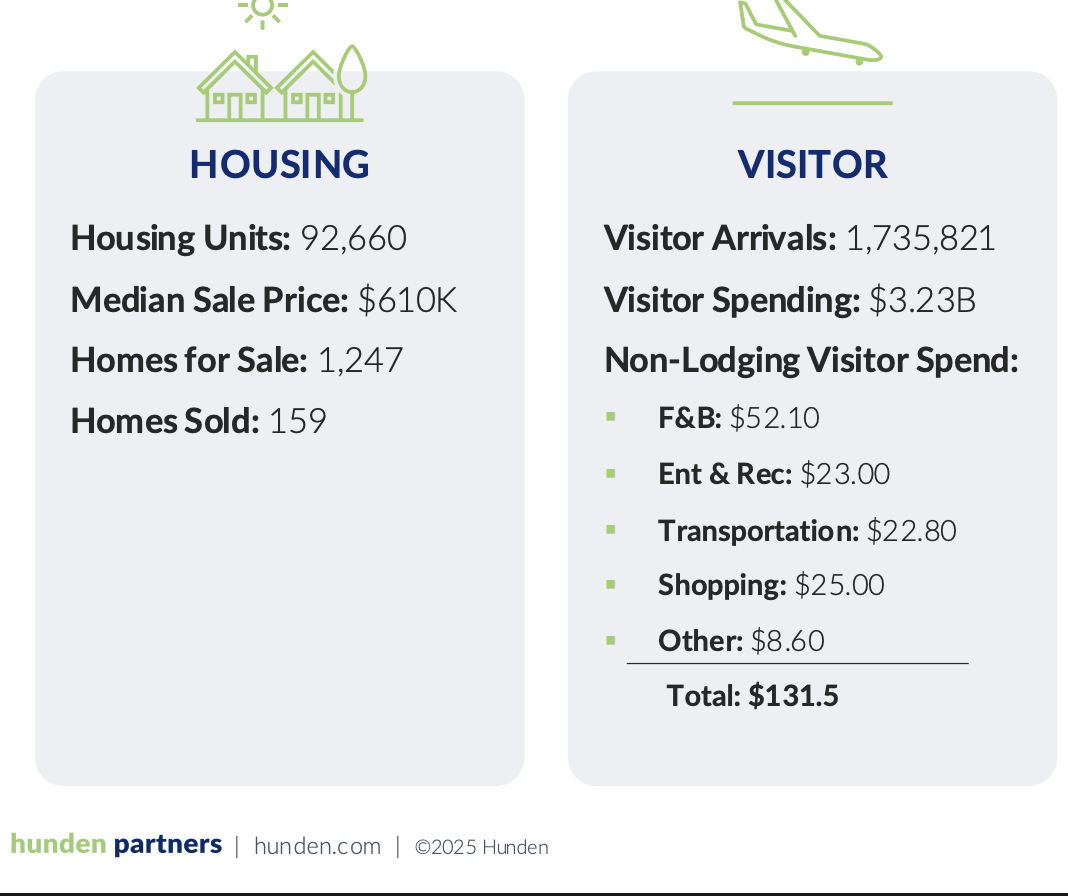
Just to be clear, the number of visitors to the island annually is more than eight times the number of residents.
The number of resident households is about 74,000 according to census data; the number of residential units is 1.25 times the number of households – and yet we have a critical shortage of housing for resident families, as noted in the study.
The set up for tension over housing visitors in residential neighborhoods is clear.
And yet when we look at the breakdown of the short term vacation rentals, the study tells us that the majority of them are in just a few locations:
- The study identified over 8,000 Big Island vacation rentals
- More than half of the rentals are in Kailua Kona
- Waikoloa follows with about a quarter of the listings
- 93% of the STVR listings are self-contained; only 7% are rooms in someoneʻs home.
As someone who used to work for a developer of resort condominiums in Waikoloa Beach Resort and who still sells a lot of resort-zoned condominiums and single family homes — it appears to me the study confirms what we already knew – that the majority of the vacation rental units are in places that were always intended as vacation homes.
Economic Impact of Short Term Vacation Rentals – or at least the gross economic benefit
Please keep in mind that unlike most real estate professionals discussing economic data, I actually have a Ph.D. in economics. I have professional experience in researching and recommending public policy based on Cost-Benefit Analysis of economic activity. That is the background I bring to my reading of the report.
The study, Economic Impact of Short Term Vacation Rentals, quantified annual revenues from TVRs at around $710 million or roughly the equivalent of hotel revenues, estimated the spending of visitors at $130/day, estimated number of jobs associated with TVRs (e.g. manager, housekeeper, landscaper). All of these are the economic benefits that could be compromised if regulation reduced the number of non-hotel visitor lodging options.
It also estimated how much more the State and County of Hawaiʻi could be making in taxes if all the TVRs were paying the required taxes – hence the no-brainer of requiring registration that requires demonstrating that the vacation rental owner is paying their taxes.
Quoting directly from the study:
- Hunden’s modeling suggests the County could be collecting up to $21 million annually in TAT from STVRs if full compliance were achieved. Current collections are estimated at only $9 million, indicating that roughly $12 million in revenue remains unreported and uncollected.
- In addition, Hawai‘i County levies a 0.5-percent General Excise Tax (GET) on top of the state’s 4-percent rate. Based on AirDNA’s 2024 estimate of $70,800 in average rental revenue per unit and an average inventory of 7,925 units, the County could generate approximately $2.8 million in GET if all units were permitted and reporting. However, actual collections are likely closer to $1.2 million, resulting in a significant shortfall.
As an economist and researcher trained in cost-benefit analysis, what I found missing from the study was any mention of costs associated with the level of tourism, and in particular the distribution of tourist activity outside of resort destinations. Did I mention my dissertation was on quantifying environmental and social impacts of economic activity in an environmentally sensitive, remote environment?
Even if the County (and State) receive the taxes they are due – it brings to mind the current conversation about how to spend the proceeds from the new “Green Fee” visitors to Hawaiʻi will begin paying next year (through an increase in transient accommodations tax). The intent is that those new revenues as a source of funding for environmental stewardship and disaster resilience.

The new Green Fee is meant to help address the environmental and social costs of tourism, especially in sensitive locations
Other Deficiencies in the Conclusions
Besides the lack of an analysis of costs as well as benefits of transient vacation rentals outside of urban and resort districts, I was surprised to see the sweeping conclusions based on voluntary surveys with a small number of respondents. The surveys had different questions for residents; TVR owners; and visitors.
I was one of the 1,726 residents who responded. That is about 2% of our island households. Three-quarters of those responding do not own a TVR; 41% have lived here over 20 years. The survey results were unsurprising. While acknowledging that tourism is an important economic driver, views were split on the net positive impact of short term vacation rentals in residential neighborhoods.
Over half of those responding thought there was a linkage between the proliferation of short term rentals (which the study says have grown dramatically in recent years) and the crisis in long term rentals. The study refutes this with data from their survey of 688 vacation rental operators, noting that if that option were no longer available, only 4% would definitely convert to long term rentals, 68% would not, and 19% were unsure.
Of the supply-side survey respondents, 60% say their property is a second home or investment. And the majority of those are in resort or urban destinations not likely to be suitable as long term rentals.
In my view? Both sides are correct. Residents and especially real estate professionals can all cite specific examples of guest units that used to be rented to single working people or retirees that were converted to transient vacation rentals when the platforms took off. And very few TVRs in resort or condominium buildings in Kona or Hilo – the majority of which are 1 bedroom units according to the study -would convert to housing for local families.
In Summary….
What we can all agree on, I hope, are the Studyʻs conclusions:

From Hundan Partners hunden.com | ©2025 Hunden
Once again, here is the full study on the economic impacts of Big Island Vacation Rentals so you can draw your own conclusions!

Leave your opinion here. Please be nice. Your Email address will be kept private, this form is secure and we never spam you.