Buying or Building on Culturally Sensitive Properties in Hawaiʻi
Most buyers/owners of real estate in Hawaiʻi will find the experience of buying – or building – a home similar to buying or building a home elsewhere in the United States. But there are differences. Some of them every buyers will encounter.
- Differences in the escrow and closing process due to our statewide recording system
- Two systems of recording real estate transactions: regular system and land court
- Statewide land use districts underlie county zoning designations which can affect things like what you can do with your property, including short term rentals
- Oceanfront and near oceanfront properties are likely to be in a Special Management Area, requiring state-level permits and environmental assessments to build or even grub and grade the landscape.
There are also less frequently encountered real estate issues peculiar to Hawaiʻi. As Hawaiʻi Lifeʻs Director of Conservation and Legacy lands I get calls for advice about real estate news headlines reporting the discovery of iwi kūpuna during construction, requirements in title reports to honor the rights of cultural practitioners on private property, as well as when important cultural and agricultural properties get protected in perpetuity (my favorite!)
Here are some basics to know.
Iwi Kūpuna – Bone Fragments Found During Construction
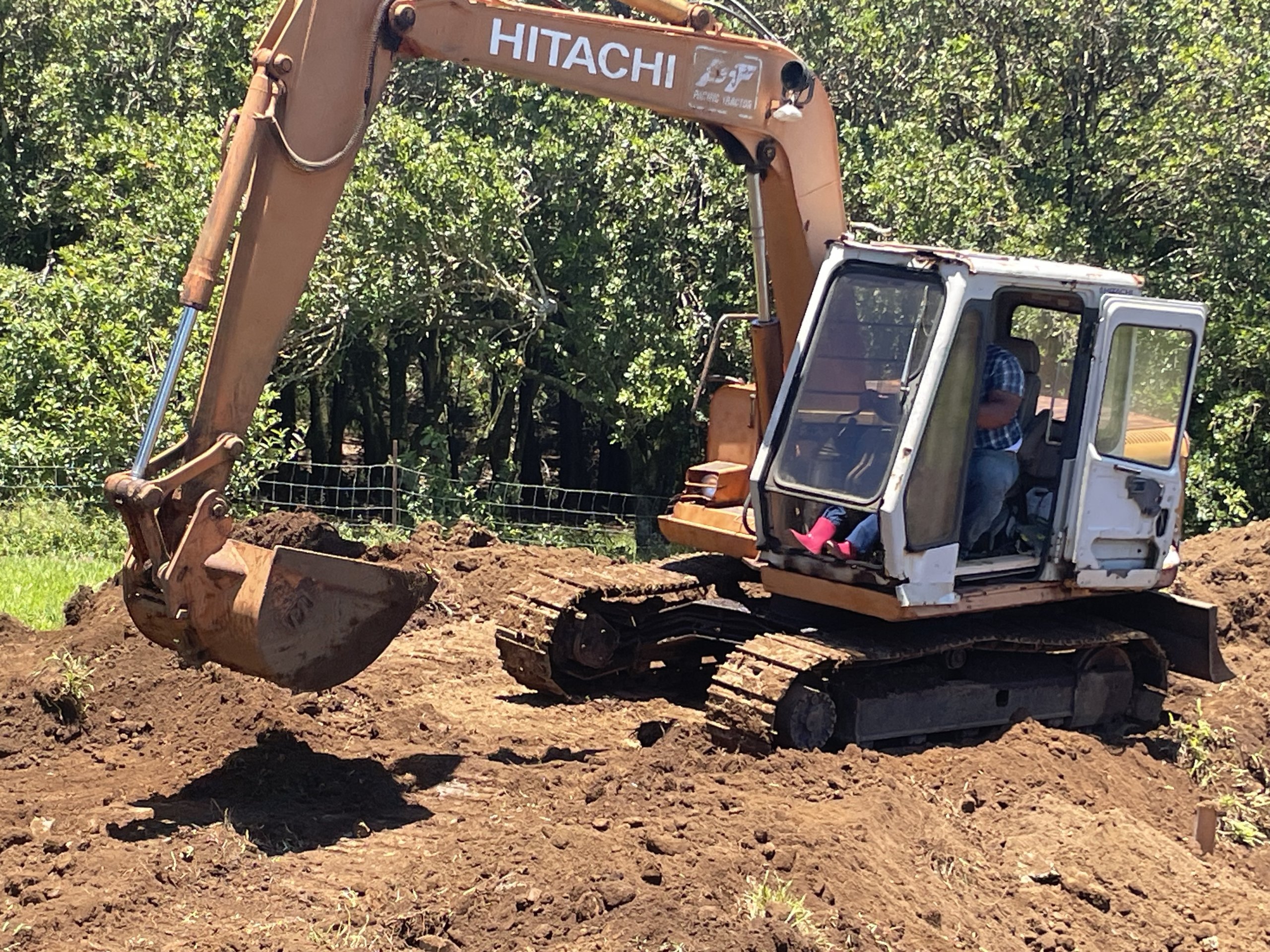
Early in my time with Hawaiʻi Life (maybe 15 years ago), I got a call from a property owner at the Ranch at Puakea. Their contractor had broken ground on their home after years of permit process – only to have construction come to a halt because a bone fragment had been found. They had been told they had to wait for evaluation before their contractor could continue, and wanted to know if there was a workaround.
The simple answer is “no.” Even if that bone turns out to be non-human, Hawaiʻi State law unequivocally requires that construction halt. It is a crime to fail to stop work or to alter a potential burial site on private land. For contractors, the potential penalties are severe, including fines, confiscation of equipment, and bans on participating in government-funded projects. It it turns out to be a human burial site, it will be subject to State Historic Preservation and stakeholder review and decision on protection in place or relocation.
The highly publicized 2024 instance on North Shore Kauai was when iwi were discovered during a cesspool to septic conversion on a residential property. Given that the conversion is something all homeowners with cesspools are required to do by 2040, this is an issue that many homeowners will be facing.
Note that this is also an item for Sellers Disclosures. In 2024 the legislature passed a bill, signed into law as Act 119, that:
imposes a fine on any private landowner that fails to disclose or record with the Bureau of Conveyances, or in documents used to offer real property for sale, the existence of burial or archeological sites on their property that the landowner knew or should have known of.
What is a “Ka Paʻakai Analysis” – Traditional and Customary Native Hawaiian Rights and Practices
Simply put, HRS 7-1, HRS 1-1, and Article XII chapter 7 of the Hawaiʻi Constitution all affirm that in Hawaiʻi landowners acquire title to real property subject to the rights of native Hawaiians to exercise traditional and customary practices for subsistence, cultural, and religious purposes. A 1995 legal case concluded that the western concept of exclusivity [in private property] is not universally applicable in Hawaiʻi. You will sometimes hear references to PASH rights referring to that case.
The 2000 case Ka Paʻakai o Ka ʻĀina v. Land Use Commission resulted in a three-prong framework that state agencies are required to use, at a minimum, when assessing an application for development. While we usually think of these cases as applying to large scale developments like a subdivision or resort, I recently ran across an example where Ka Paʻakai Analysis was applied to an application for a building permit on a single parcel within a subdivision within a State Special Management Area.
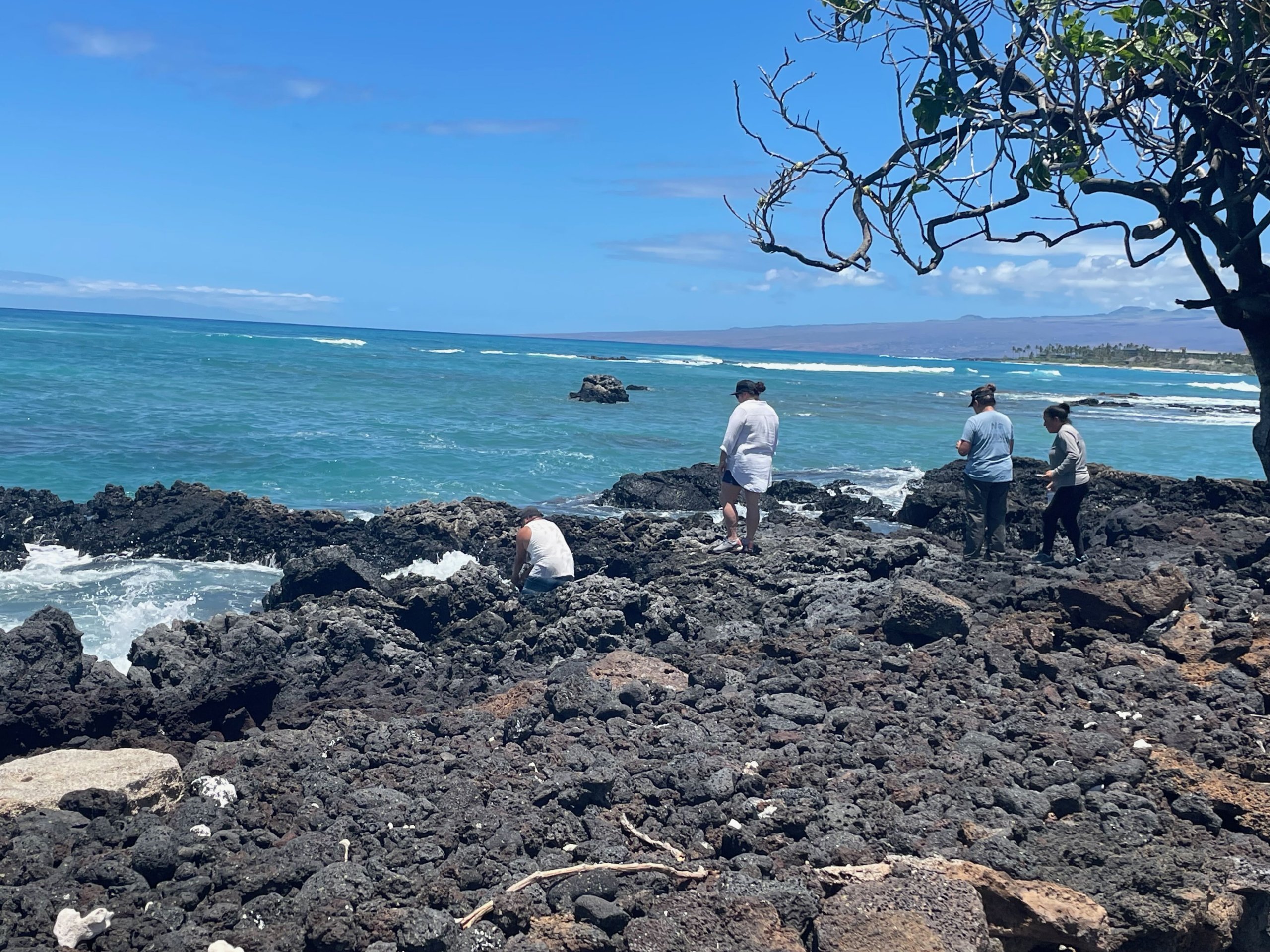
Lineal descendants and cultural practitioners familiar with the property location have the right to be consulted with respect to (1) the valued cultural, historical, or natural resources present, (2) the extent to which protected traditional and customary practices depend on those resources, and (3) feasible actions to reasonably protect native Hawaiian rights if found to exist. In other words, a property owner cannot simply rely on an “expert opinion” without getting the direct input of stakeholders.
Hawaiʻi Lifeʻs Conservation and Legacy Lands practice advises landowners, prospective buyers, conservation entities, and communities on strategies for protection of places with significant conservation values including cultural and agricultural resources.

Leave your opinion here. Please be nice. Your Email address will be kept private, this form is secure and we never spam you.