Buying Near the Beach in Hawaiʻi: Access Rights, Privacy, and Property Value
Buying near the beach in Hawaiʻi is about more than finding a beautiful view or hearing the ocean from the lanai. Coastal property comes with a unique set of rules, responsibilities, lifestyle benefits, and long-term value considerations. A home may feel private, but the shoreline may still be legally accessible to the public. A property may sit steps from the sand, but its buildable area, insurance costs, maintenance needs, and future resale value may be shaped by erosion, shoreline setbacks, sea level rise, and public access routes.
For buyers, the key is not to avoid beachside property. It is to understand it clearly. In Hawaiʻi, beach proximity can be one of the strongest lifestyle and value drivers in real estate, but it also requires careful due diligence. Access rights, privacy expectations, and property value are closely connected.
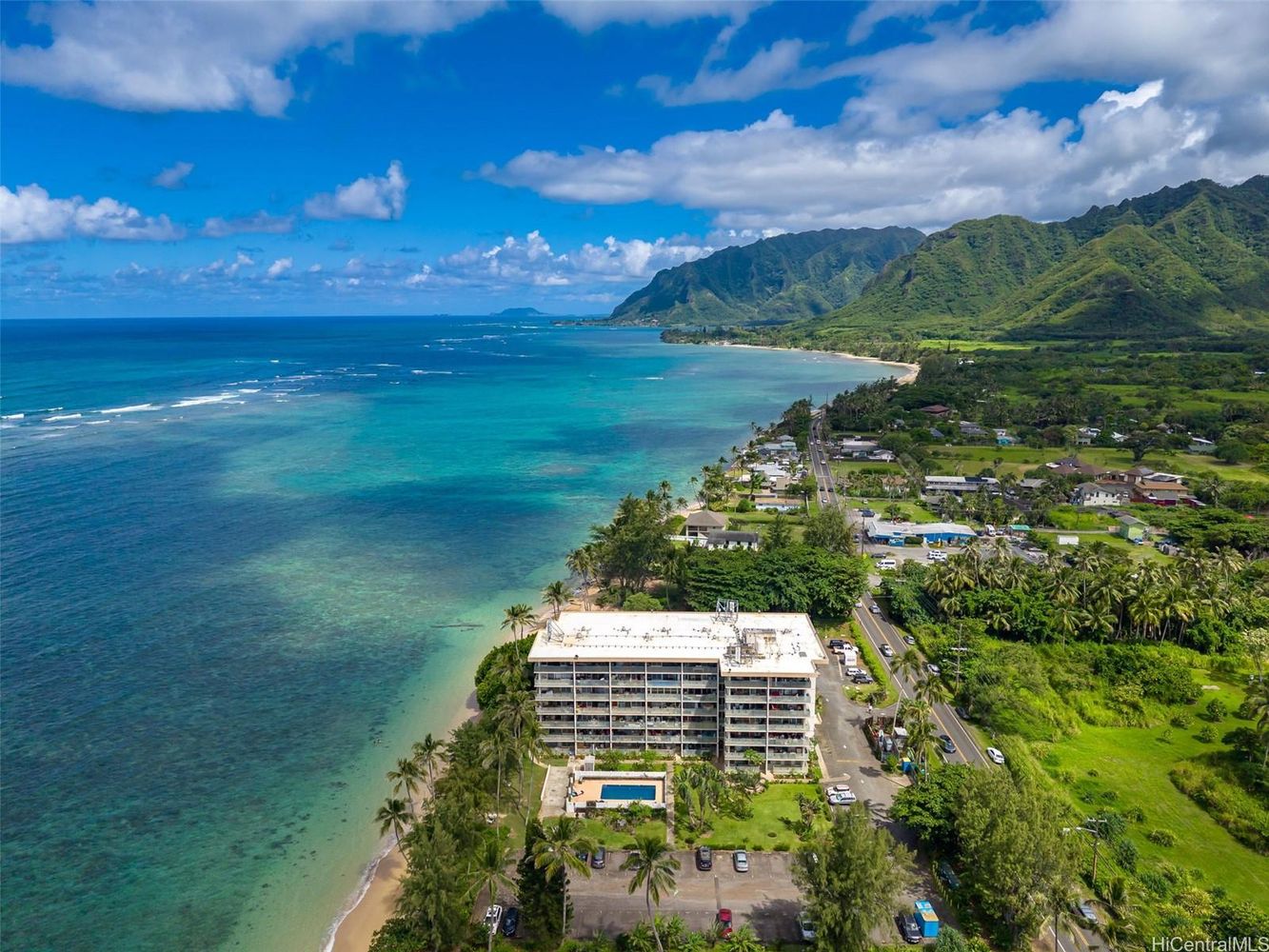
Beachfront, Beach Access, and Near-Beach Are Not the Same
One of the first things buyers should clarify is the type of beach relationship the property actually has. Real estate descriptions may use terms like “beachfront,” “oceanfront,” “steps to the beach,” “beach access,” or “near the sand,” but these phrases do not always mean the same thing.
A beachfront or oceanfront property may directly border the shoreline, but that does not mean the owner controls the beach. A property with beach access may not touch the sand, but it may have a deeded, shared, or public route to the shoreline. A home near the beach may offer strong lifestyle value while avoiding some of the responsibilities that come with direct shoreline ownership.
This distinction matters because value is not created by distance alone. It is created by the quality of access, the view plane, the usability of the land, the privacy setting, the condition of the shoreline, and the risk profile of the property.
A buyer should ask: Is the property directly on the shoreline, across the street from it, part of a gated community with shared access, or simply close to a public beach park? Each situation has different implications for privacy, insurance, maintenance, and resale.
Hawaiʻi’s Shoreline Access Rules Are Different From Many Mainland Markets
In Hawaiʻi, shoreline access is deeply tied to public trust principles, local use, cultural practices, and long-standing public rights. Buyers should understand that owning land near the beach does not mean owning exclusive control over the beach itself.
The public generally has the right to move along Hawaiʻi’s shorelines within the beach transit corridor. In simple terms, the area seaward of the shoreline is treated differently from private upland property. The shoreline is commonly understood as the upper reach of the wash of the waves, usually shown by natural vegetation lines or debris left by wave action.
For coastal property owners, this means the beach in front of a home may be used by residents and visitors for lawful shoreline recreation and transit. People walking, fishing, swimming, gathering, or passing along the coast may be within their rights, depending on the location and facts.
At the same time, public shoreline rights do not give people permission to enter private yards, use private driveways, camp on private land, cross private landscaping, or occupy areas above the legal shoreline boundary. The balance matters. Buyers should not assume complete beach exclusivity, but they also should not assume the public has unlimited access to the private portions of a property.
Lateral Access vs. Mauka-Makai Access
When discussing beach access in Hawaiʻi, it helps to separate two ideas: lateral access and mauka-makai access.
Lateral access means movement along the shoreline, parallel to the ocean. This is the type of access most often associated with the beach transit corridor. People may walk along the shoreline even when homes, resorts, or private parcels sit inland of that route.
Mauka-makai access means movement from the mountainside or roadway down toward the ocean. This is often provided through public rights-of-way, beach access paths, subdivision requirements, resort access corridors, or county-maintained routes.
For buyers, the difference is important. A property may have public shoreline access in front of it, but the nearest public route from the road to the beach may be several parcels away. In other cases, a public access path may run directly beside or near the property, which can affect privacy, parking, noise, foot traffic, and daily use.
Before buying, review maps, title documents, easements, subdivision conditions, and county access records. A beach path that looks informal may have legal status. A path that looks private may be used by the public. A gated or landscaped area may be subject to access obligations.
Privacy Near the Beach Is Real, But It Has to Be Understood Correctly
Many buyers want a beachside property because it feels private, peaceful, and removed from ordinary traffic. That privacy can absolutely exist in Hawaiʻi, but it depends on the property’s setting.
Privacy near the beach is usually created by lot size, orientation, landscaping, elevation, setbacks, the location of public access points, the design of the home, and the pattern of beach use in that neighborhood. A larger lot with the home positioned away from the shoreline may feel very private even with public beach transit nearby. A smaller lot beside a well-used access path may feel less private, even if it is closer to the water.
Buyers should pay attention to the practical experience of the property, not just the listing photos. Visit the home at different times of day. A quiet beach at 9 a.m. on a weekday may be much busier on weekends, holidays, during surf events, or at sunset. Parking patterns can also change the feel of a street. In some neighborhoods, privacy concerns come less from the beach itself and more from cars, trail users, or visitors looking for shoreline access.
Landscaping can help, but coastal owners must be careful. Vegetation cannot be used to block public shoreline transit or artificially interfere with beach access. A privacy hedge may be appropriate on private land, but overgrown or intentionally placed vegetation near the beach transit corridor can become a compliance issue.
The best privacy strategy is thoughtful design: position outdoor living areas away from public view, use lawful landscaping, understand access routes, and choose a property where the natural layout supports the lifestyle you want.
How Access Rights Can Affect Property Value
Beach proximity usually carries a premium in Hawaiʻi, but not all beachside properties hold value in the same way. A home with clean legal access, strong views, usable outdoor space, and a manageable risk profile may perform very differently from a home with uncertain access, erosion concerns, unpermitted shoreline structures, or privacy conflicts.
Public access does not automatically reduce value. In many cases, well-established access rules create clarity, and clarity supports long-term market confidence. Buyers generally value certainty. A property with known boundaries, documented easements, maintained access routes, and realistic privacy expectations is easier to understand and easier to resell.
However, access can influence value when it affects daily living. A public path directly beside a bedroom wing, a busy beach park next door, heavy parking along the street, or constant foot traffic near the home may affect buyer perception. On the other hand, proximity to a beautiful beach with convenient access can significantly increase lifestyle appeal, especially for buyers who want swimming, surfing, paddling, walking, or sunset access as part of daily life.
The question is not simply “Is there public access?” The better question is: “How does access function around this specific property?”
Coastal Risk Is Now Part of Value
For near-beach buyers in Hawaiʻi, long-term value must include coastal risk. Erosion, wave exposure, sea level rise, flooding, drainage, and shoreline hardening can all affect the future usefulness and marketability of a property.
A home may be beautiful today but have limited room for future improvements if setbacks, erosion rates, or shoreline rules reduce the buildable area. A seawall, revetment, sandbag system, or other shoreline protection structure may seem reassuring, but buyers should confirm whether it is permitted, temporary, expired, under enforcement, or subject to future removal or repair limitations.
Sea level rise disclosure is now part of Hawaiʻi real estate due diligence. Buyers should review whether the property lies within a mapped sea level rise exposure area and what that may mean for financing, insurance, future improvements, maintenance costs, and resale. Flood zones, tsunami evacuation areas, drainage patterns, and access-road vulnerability should also be reviewed.
This does not mean every coastal property is a poor investment. It means buyers need to price risk intelligently. In some cases, a near-beach property set slightly inland or elevated may offer a better balance of lifestyle and resilience than a parcel directly on an eroding shoreline.
Important Documents to Review Before Buying
Before purchasing near the beach, buyers should request and review the right documents with qualified professionals. These may include the preliminary title report, seller’s disclosure, survey, shoreline certification or shoreline-related records, easement documents, subdivision maps, HOA or CPR documents, county planning records, SMA permit records, shoreline setback information, flood zone data, and sea level rise exposure maps.
For direct shoreline properties, buyers should also ask about permitted and unpermitted erosion control structures, notices of violation, fines, expired permits, past erosion events, shoreline vegetation maintenance, and any prior disputes involving public access.
If the property is part of a condominium property regime, gated community, or homeowners association, confirm who maintains access paths, vegetation, seawalls, drainage systems, parking areas, and common beachfront improvements. A beautiful shared beach path can be an asset, but it may also come with maintenance obligations.
A land use attorney, surveyor, coastal planner, insurance advisor, and experienced Hawaiʻi real estate professional can help interpret these details before a buyer removes contingencies.
Red Flags Buyers Should Watch For
Some beachside issues are easy to miss during a showing. Buyers should slow down when they see unclear shoreline boundaries, heavy erosion near the property line, sandbags or makeshift shoreline protection, vegetation that appears to block beach transit, public paths without clear documentation, private gates near known beach routes, neighboring access disputes, or improvements built close to the shoreline.
Other red flags include limited parking, narrow access roads, flood-prone driveways, drainage flowing toward the structure, expired permits, unpermitted decks or walls, and listing language that promises “private beach” without documentation. In Hawaiʻi, the phrase “private beach” should always be examined carefully.
A property can still be a good purchase with some of these issues, but the price, terms, and buyer expectations should reflect the facts.
What Makes a Near-Beach Property More Desirable?
The strongest near-beach properties usually combine lifestyle, legality, resilience, and privacy. They offer easy access to the ocean without unresolved access conflicts. They have views or outdoor spaces that feel connected to the coast. They maintain a comfortable buffer from heavy public use. They have clear title and disclosure records. They sit in locations with long-term demand, good neighborhood character, and practical access to services.
In Hawaiʻi, value often comes from balance. Direct beachfront may be rare and emotionally powerful, but slightly inland properties can sometimes offer better privacy, lower exposure, and easier long-term maintenance. A property across from the beach with a strong view and a clear public access path may be more livable for some buyers than a direct oceanfront parcel with erosion pressure and limited setback area.
The best choice depends on the buyer’s lifestyle, risk tolerance, budget, and long-term plans.
Final Thoughts
Buying near the beach in Hawaiʻi is one of the most rewarding real estate decisions a person can make, but it should be approached with clear expectations. The ocean adds beauty, lifestyle, and scarcity value. It also adds legal, environmental, and practical considerations that are different from inland property.
Access rights define how the shoreline can be used. Privacy depends on design, setting, and public access patterns. Property value depends not only on proximity to the beach, but also on resilience, documentation, usable land, permitted improvements, and long-term market confidence.
For buyers, the smartest approach is to look beyond the view. Understand the shoreline, study the access, review the disclosures, visit the property at different times, and work with professionals who know Hawaiʻi’s coastal real estate landscape. When the details are clear, a beachside home can offer not just a beautiful place to live, but a more confident and informed investment.

Leave your opinion here. Please be nice. Your Email address will be kept private, this form is secure and we never spam you.