Hau’oli Makahiki Hou (Happy New Year, pronounced How Oli Maka Heke Ho) is a phrase you’re bound to hear repeated throughout the coming weeks Hawaii. You must give it a try!
New Year’s Eve celebrations throughout our Hawaii Island chain reflects many of the same traditions you find most anywhere on the US Mainland. But here in the Aloha State, with our wonderfully diverse ethnic groups, we have many unique cultural events shared by residents and visitors alike dating back to ancient Hawaiian times.
In ancient times, new beginnings were celebrated for four months. Makahiki, or the Hawaiian New Year, begins when Makaliʻi (Pleiades) rises at dusk, and the first new moon after that sighting starts the season. It usually starts late October/Mid-November to late January/February). It was a time of resting and feasting, a time to honor the land and sea for giving the people plenty to eat and a time when wars or conflicts were prohibited.
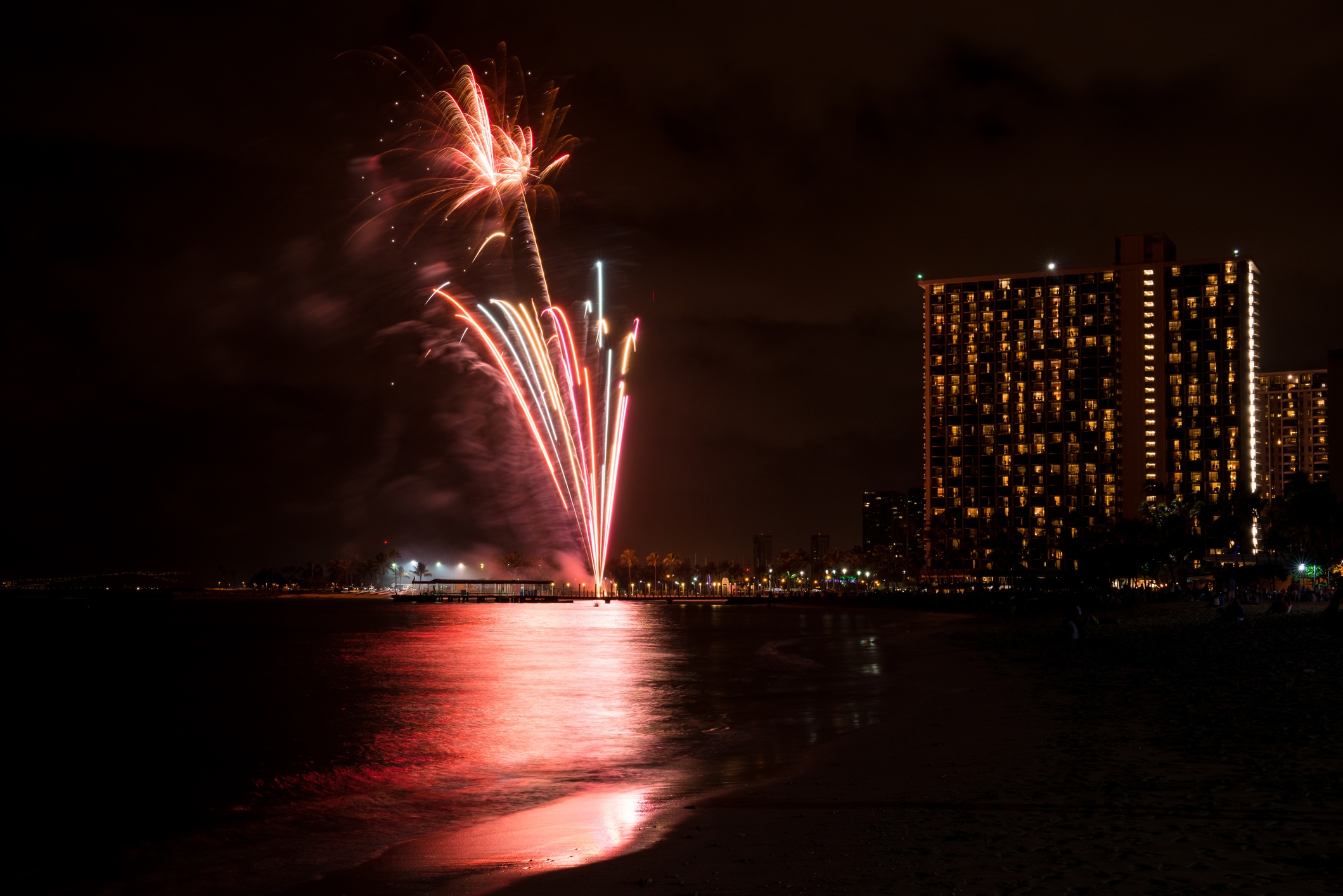
More recently, the Chinese tradition of exploding fireworks to welcome the New Year and frighten away evil spirits to ensure good fortune for the next 12 months, was quickly adopted here in the islands. At midnight on December 31 into January 1, several permitted public aerial displays take place at popular resorts, and smaller permitted consumer fireworks in various neighborhoods.
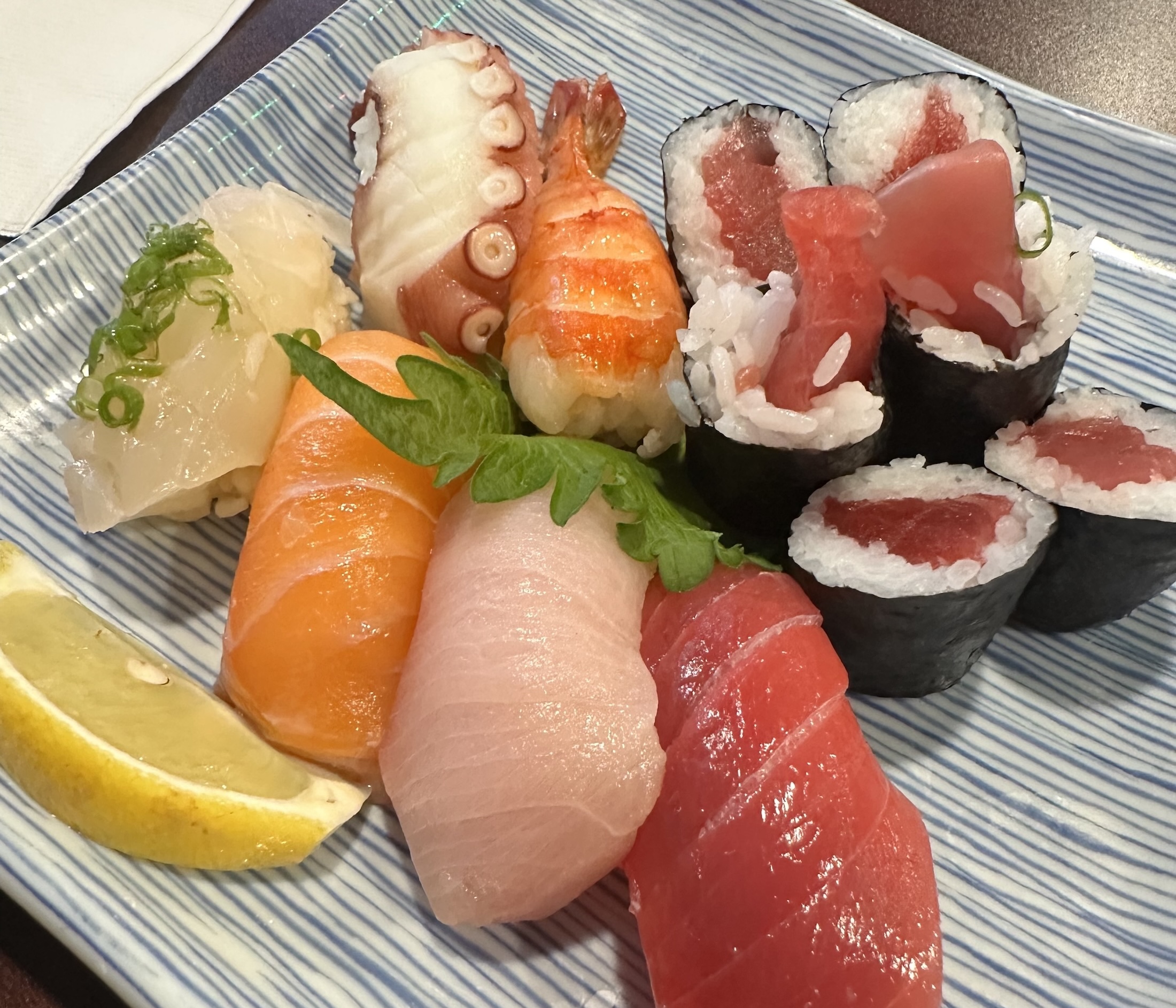
The Japanese introduced another culinary tradition to the islands, artfully sliced, carefully prepared sashimi (raw fish). And while we enjoy this delicacy – ahi, hamachi, kampachi, and more – it’s a must have at most families dinner tables at New Year parties. Most often you will find sashimi served on a bed of shredded lettuce or cabbage with a dipping sauce comprised of soy sauce and wasabi (horseradish).
Other interesting traditions have been adopted from the Filipino community. Before the clock strikes midnight, all doors must be left open to allow good luck to enter the home. Wearing polka dots is also common as their roundness signifies prosperity, and at exactly midnight children jump as high as they can, believing this will allow them to grow taller!
Borrowed from the Portuguese is the practice of eating twelve raisins on New Year’s Eve. Each raisin represents one month in the coming year, and while munching these sweet treats, everyone makes a wish for each individual month.

From our families to yours, no matter what form your celebrations take, we wish you all the very best in 2026!

Leave your opinion here. Please be nice. Your Email address will be kept private, this form is secure and we never spam you.