7 Great Reasons to Buy a Home During Hawaii’s “Winter” Season
In most parts of the mainland, winter means snow shovels, icy driveways, and frosty mornings. Here on the Big Island of Hawaii, “winter” looks a little different. Think balmy trade winds, green hillsides, and maybe a few extra rain showers.

But even without the snow, winter can still be one of the best times to buy a home in Hawaii. With fewer crowds, motivated sellers, and a relaxed market pace, smart buyers often find hidden opportunities this time of year.
Here are seven great reasons to start your home search now, while the season is still cool and calm.

1. Less Competition, More Opportunity
During spring and summer, Hawaii’s real estate market heats up — literally and figuratively. Buyers from the mainland and across the islands are actively shopping, creating more competition and faster sales.
In the winter months, however, the pace tends to slow down. With fewer buyers in the mix, you may have a better chance of getting your offer accepted without the pressure of a bidding war.

2. You Might Find a Better Deal
When demand cools, sellers often become more open to negotiation. If a property has been sitting on the market for a while, they may be willing to drop their price or cover some closing costs.
On the Big Island, that could mean snagging a lush three-acre lot in Puna, a Hilo home with ocean views, or a condo near the beach, and all at a more attractive price point.

3. Year-End Tax Benefits Can Motivate Sellers
Some sellers are eager to close before the end of the year for tax reasons. Whether they’re looking to claim a deduction or finalize financial plans before January, their motivation can work to your advantage. A seller looking to wrap things up quickly may offer better terms or a faster closing.
4. Rainy Season Reveals the Real Story
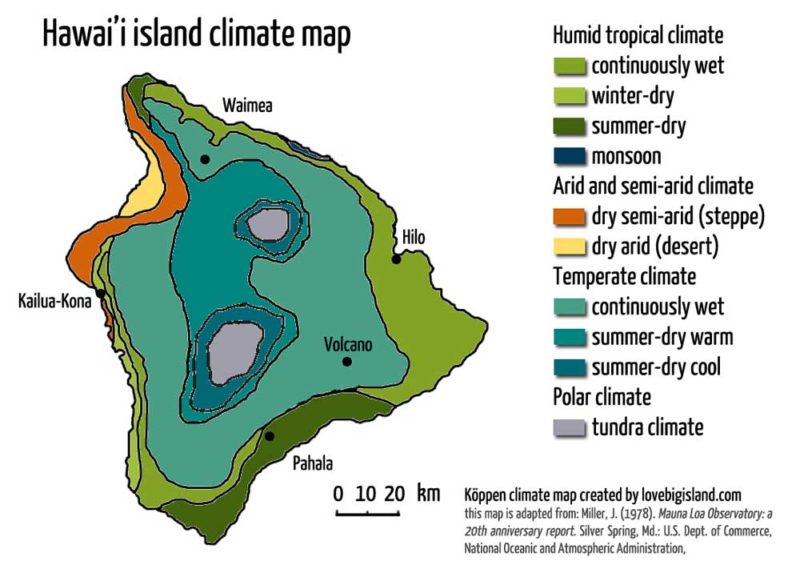
In Hawaii, winter often brings more rain, especially on the windward side. That’s actually a good thing for buyers. You’ll get to see how the home holds up when it’s wet: Are there roof leaks? Drainage issues? Drafty windows?
The cooler, wetter months can reveal how well a home is built and maintained — valuable insight you might miss when the sun is shining.

5. Sellers Are Serious About Moving
Winter sellers are usually ready to make a deal. Maybe they’re relocating for work, downsizing, or simply ready for a change in lifestyle. Whatever the reason, they’re often motivated to move quickly.
That can mean faster negotiations, flexible closing timelines, and better pricing, all of which work in your favor as a buyer.
6. Your Realtor Has More Time for You
Real estate agents are busiest in Hawaii’s spring and summer selling seasons. But when the market slows in winter, your agent can dedicate more time and attention to your search.
That means more personalized guidance, faster responses, and the inside scoop on new listings as soon as they hit the market, which is a huge advantage in smaller, competitive Big Island communities.
7. Moving and Services May Be More Flexible
Whether you’re hiring movers to bring your furniture from Hilo to Kona or shipping belongings from the mainland, winter tends to be a calmer time to schedule moves.
With fewer relocations happening, you’ll often get better rates, more flexible scheduling, and less stress coordinating your move to (or around) the island.
Buying a home on the Big Island during the “winter” months can be a refreshing experience. There’s less competition, more time to explore properties, and opportunities to negotiate a great deal.
And remember, the right time to buy is when you’re ready, financially and personally. Getting pre-approved and working with a local Realtor who knows the island market is the best first step toward finding your slice of paradise.
Curious what homes are available this season or what financing options could make ownership possible for you? Reach out today — let’s make this winter the season you find your Hawaii home. 🌴

Leave your opinion here. Please be nice. Your Email address will be kept private, this form is secure and we never spam you.