10 Questions Your Hawaii Real Estate Agent Should Answer Before You Make an Offer
Buying a home in Hawai‘i can get emotional fast. You see the view, feel the breeze, picture your mornings on the lanai, and suddenly it is easy to start thinking with your heart before you have all the facts.
That is why the right agent matters so much before you write an offer, not just after. A good Hawai‘i real estate agent should help you slow the process down, ask better questions, and understand what you are really buying.
That matters even more in today’s market. Across Hawai‘i, inventory has been rising in many segments, homes are taking longer to sell, and buyers generally have more room to compare options and negotiate than they did during the most aggressive market years. At the same time, buyers are paying much closer attention to total ownership cost, building health, insurance exposure, and property-specific risks.
If you are serious about making an offer, here are the questions your agent should be able to answer clearly, calmly, and with real local knowledge.
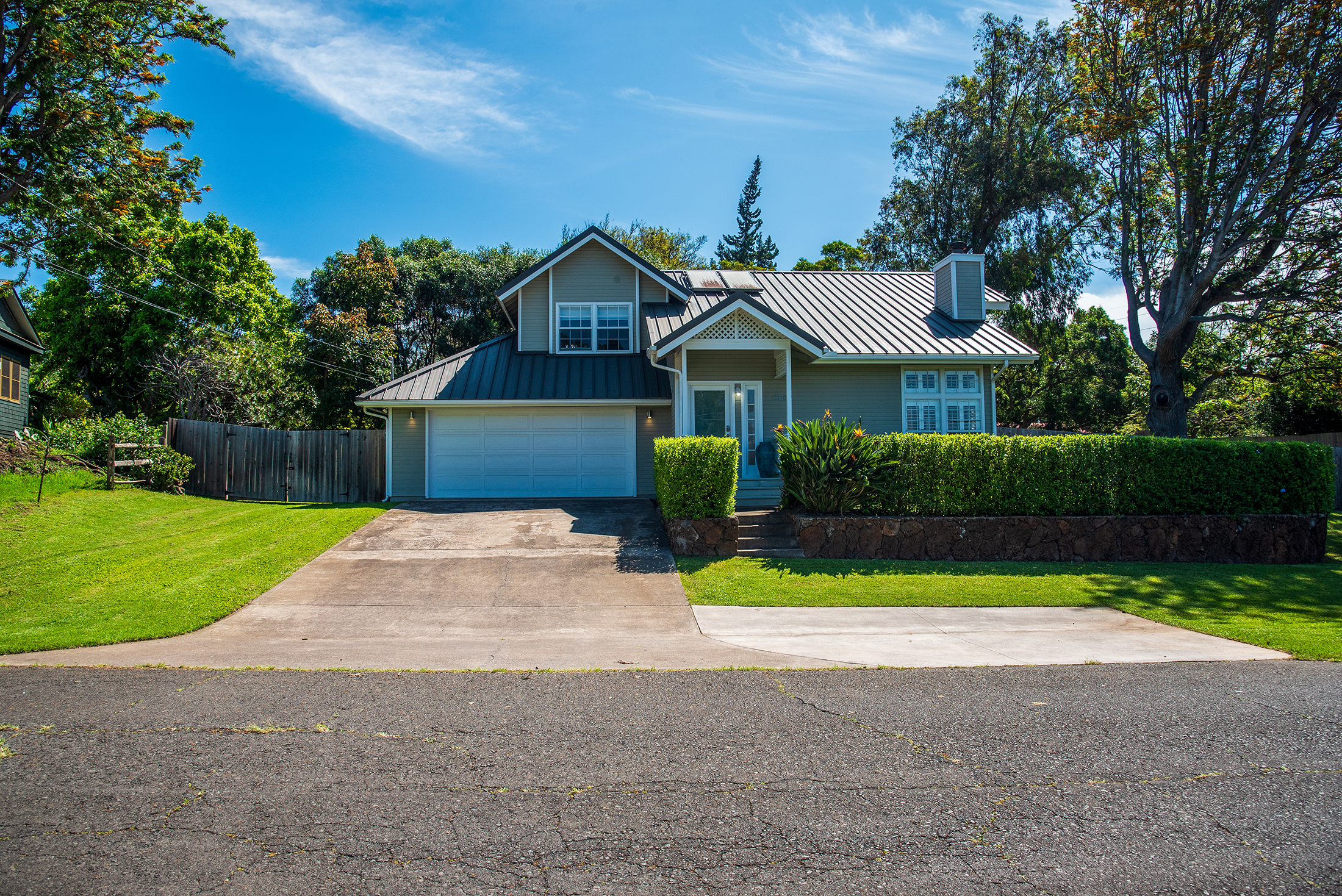
1. What is really happening in this exact area right now?
Not just on the island. Not just in the county. In this neighborhood, for this property type, in this price range.
That is one of the biggest mistakes buyers make in Hawai‘i. They hear a headline like “the market is cooling” or “inventory is up,” then assume every property should be negotiable. But Hawai‘i is made up of micro-markets. Kona does not behave like Kaʻū. A resort condo does not behave like a primary residence in an inland neighborhood. Even within the same island, pricing and buyer demand can vary a lot depending on location, condition, and use. Hawai‘i Life’s recent market reporting makes that clear, especially on Hawai‘i Island, where inventory has expanded, days on market have lengthened, and buyers have more time to think, but local differences still shape leverage property by property.
Your agent should be able to tell you how long similar properties are sitting, whether sellers are cutting price, whether clean homes are still moving quickly, and whether this listing is priced in line with today’s competition. If they cannot explain the local story behind the list price, you do not yet have enough information to make a smart offer.
2. What will this property really cost me every month?
This is where a lot of buyers get surprised.
The list price is only part of the story. In Hawai‘i, monthly ownership cost can shift quickly once you factor in property taxes, insurance, utilities, maintenance, HOA or AOAO dues, and possible special assessments. Hawai‘i Life has been clear that in 2026 buyers are looking harder at carrying costs, not just purchase price, and that this is especially important in the condo market.
This is not a small detail. Hawai‘i Life has also reported that some condo properties have seen HOA dues jump by 300% to 800% because of insurance-related pressure, with special assessments layered on top in some communities. In a market like that, your agent should not simply say, “the dues are $1,200 a month.” They should help you ask what those dues cover, whether they recently changed, whether another increase is being discussed, and whether the building is dealing with deferred maintenance or insurance gaps.
A property can look affordable at first glance and still feel very different once the full monthly number is on paper. Before you make an offer, your agent should be helping you understand the true payment, not just the headline price.
3. What exactly am I buying?
In Hawai‘i, that question matters more than many mainland buyers expect.
Your agent should be able to explain whether the property is fee simple, leasehold, condo, CPR, or some combination of those structures. These are not small label differences. They affect ownership rights, monthly costs, financing, resale, and how flexible the property may be over time. Hawai‘i Life’s leasehold guidance notes that leasehold can mean a lower entry price but higher ongoing cost, while fee simple usually costs more upfront but often comes with lower monthly burden. CPR properties can also look like single-family homes while still being governed by condo-style documents, shared land arrangements, or association restrictions.
This is one place where buyers often need plain English. Your agent should be able to answer questions like: Do I own the land? Is there a land lease payment? Are there shared common elements? Can I expand the structure later? Are there association rules that limit what I can do? If the answer is complicated, that is fine. But it should never be vague.
4. What is the seller’s disclosure really telling us?
A disclosure is not just paperwork to skim and sign.
In Hawai‘i, sellers are generally required to disclose known material facts, meaning facts, defects, or conditions that could measurably affect value to a reasonable buyer. Hawai‘i law also requires later material facts discovered before closing to be disclosed within specific timeframes. Hawai‘i Life’s own guidance reminds buyers that the disclosure matters because it helps them understand known issues before deciding whether to move forward.
A good agent should walk through the disclosure with you and help you separate minor wear from meaningful risk. Past leaks, drainage issues, boundary concerns, prior repairs, encroachments, lawsuits, or known defects should all prompt follow-up questions when relevant. The point is not to panic over every item. The point is to understand the story of the property before you commit money and time to it.
If your agent treats the disclosure like a formality, that is a red flag. This is one of the clearest windows into what the seller knows.
5. What do the HOA or condo documents tell us that the listing does not?
Listings show the pretty part. Condo documents show the expensive part.
If you are buying a condo, townhome, or CPR property with an association, your agent should help you look past the monthly dues and ask better questions. Hawai‘i Life has long advised buyers to review reserve funding, house rules, meeting minutes, fee increase patterns, and any planned or possible special assessments. The reason is simple: weak reserves and deferred maintenance often lead to bigger costs later.
This is also where lifestyle fit shows up. The association documents may limit rentals, renovations, pets, guest use, parking, architectural changes, or even how long a tenant must stay. In some CPR and condo projects, association rules can be stricter than county rules. Your agent should be able to help you gather these documents early enough that you are not discovering deal-breaking restrictions after you are already emotionally committed.
6. Is this property in a flood zone, lava zone, or other risk area that changes the deal?
In Hawai‘i, location risk is not just about ocean views or commute time. It can change insurance cost, financing, long-term maintenance, and resale.
The State of Hawai‘i’s Flood Hazard Assessment Tool uses FEMA flood map data and exists for exactly this reason. Hawai‘i Life has also emphasized that buyers should understand flood zones because local terrain, rainfall patterns, and parcel-level conditions can create real differences in risk. Even a property in a lower-risk zone may still have flooding issues, while a high-risk designation may affect insurance requirements and how a lender looks at the property.
On Hawai‘i Island, lava zones can matter too. Hawai‘i Life notes that homeowners insurance is available across lava zones, but cost can vary sharply, and zones 1 and 2 can be much more expensive and more limited from an insurance standpoint than zone 3 and above. That is the kind of issue your agent should raise before you write, not after you are already deep into escrow.
Your agent does not need to be an engineer or insurance broker. But they should know when to flag risk, where to point you for verification, and how that risk could affect your offer strategy.
7. Are all structures, additions, and renovations properly permitted?
This question can save buyers from a major headache.
Unpermitted or non-conforming work can affect financing, insurance, valuation, and future resale. Hawai‘i Life notes that lenders may hesitate to finance homes with unpermitted work, may refuse to count those areas in value, and insurers may exclude those portions from coverage. Hawai‘i Life has also warned that on some properties, unpermitted areas may have little or no appraised value.
That means your agent should not stop at, “the seller says the addition was done years ago.” They should help you ask whether permits were pulled, whether they were finalized, whether square footage matches records, and whether any detached structures, enclosed lanais, converted garages, or extra bathrooms were properly approved. If the answer is messy, then the follow-up question becomes just as important: how does that change price, financing, insurance, and your willingness to own the problem later?
8. If I want to rent the property, what is actually allowed?
A lot of buyers assume they can “figure that out later.” That is a risky approach in Hawai‘i.
Whether a property can be used as a short-term rental, long-term rental, second home, or part-time income property may depend on county rules, zoning, permit status, and association restrictions. Hawai‘i Life has pointed out that on Hawai‘i Island, some condos can legally operate as short-term rentals, but HOA rules may still prohibit them. In CPR projects too, association rules can be more restrictive than the city or county.
So before you make an offer, your agent should be able to answer a simple but important question: is my intended use legal and realistic here? Not hopeful. Not maybe. Not “I think so.” Clear.
This matters for investors, second-home buyers, and even primary residence buyers who want flexibility later. A property that does not fit your planned use is not a good deal just because the unit looks right.
9. How will this property likely be taxed after closing?
Buyers often underestimate how much tax classification matters.
County property tax systems in Hawai‘i are not one-size-fits-all. Classification can depend on how the property is used, whether it is owner-occupied, whether it qualifies for a home exemption, or whether it is being used for long-term or short-term rental purposes. For example, the County of Hawai‘i says a buyer who moves into a home must file for the homeowner program to receive homeowner tax benefits, and short-term rentals under 180 days do not qualify for the homeowner tax class. Maui County also separates owner-occupied, long-term rental, non-owner-occupied, and transient use classifications.
Your agent does not replace a tax adviser or county office, but they should be able to tell you when tax treatment may look very different from what you assumed. That is especially important if you are buying a second home, planning to rent, or trying to compare two properties that have very different ongoing cost profiles.
10. What offer terms should we use to protect me without weakening the offer too much?
A strong offer is not just about price.
In a more balanced Hawai‘i market, buyers often have more room to negotiate not only on price, but also on repairs, credits, closing timelines, and contingencies. Hawai‘i Life has recently noted that stable market conditions give buyers more room to think strategically and negotiate with evidence rather than urgency. At the same time, Hawai‘i Life’s contingency guidance makes clear that inspection, financing, and appraisal contingencies exist to protect buyers from hidden issues, loan problems, or overpaying.
This is where your agent should be earning their keep. They should be able to explain which terms matter most for this property, which risks are worth protecting against, how competitive the situation really is, and where you can be flexible without being reckless. Maybe price matters most. Maybe timing matters more to the seller. Maybe the smarter move is not pushing harder on price, but preserving your inspection rights or asking for a credit instead of repairs. A thoughtful agent should be able to explain that strategy before you sign, not while you are scrambling to respond to a counteroffer.
Final thoughts
Before you make an offer in Hawai‘i, your agent should be helping you understand three things clearly: what this property is worth in today’s local market, what it will really cost to own, and what risks come with it.
That is the real job.
A good agent is not just there to open doors or fill in blanks on a contract. They are there to help you avoid expensive surprises, spot the questions you did not know to ask, and move forward with confidence when the property is truly the right fit.
Because the goal is not just to get under contract.
The goal is to make an offer you still feel good about after the inspection, after the disclosures, after the HOA review, and after the excitement wears off.
FAQs
1. What should I ask my Hawaii real estate agent before making an offer?
Ask about the true monthly cost, recent comparable sales, seller disclosures, condo or HOA issues, ownership type, permit history, and whether the property fits your plans.
2. Why is fee simple vs leasehold important in Hawaiʻi?
Because it changes what you own, what you pay, and how easy the property may be to finance or resell later.
3. Why do condo documents matter before I make an offer?
They can show rising dues, repair issues, reserve problems, rental limits, pet rules, and other details that may affect both cost and lifestyle.
4. Should I worry about unpermitted work when buying a home in Hawaiʻi?
Yes. It can affect the loan, insurance, appraised value, and resale. Buyers should ask about any added space, converted areas, or changes that may not match public records.
5. Can my real estate agent help me understand flood risk or other property risks?
Yes. A good local agent should help you spot possible risks tied to the location and guide you on what to check before you make an offer.

Leave your opinion here. Please be nice. Your Email address will be kept private, this form is secure and we never spam you.